
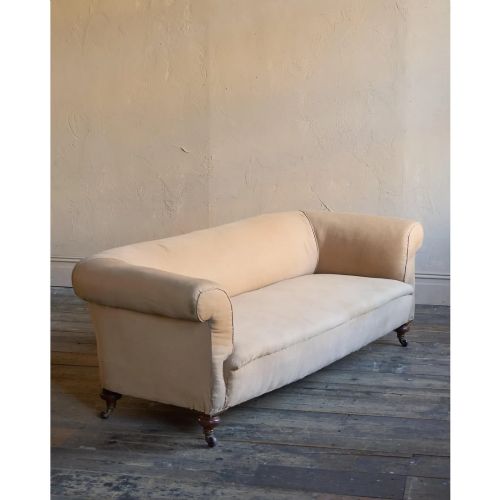
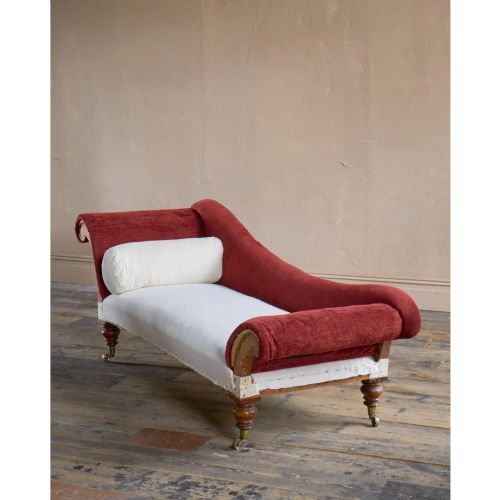
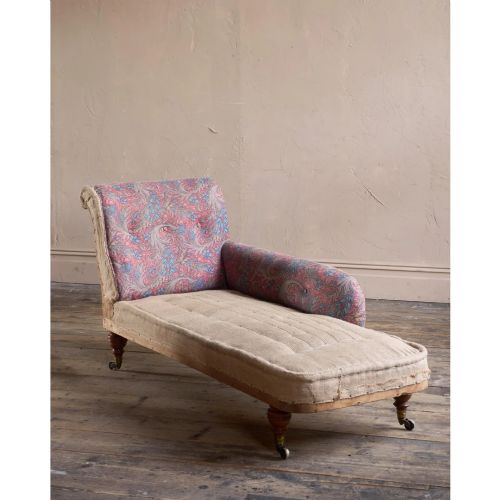
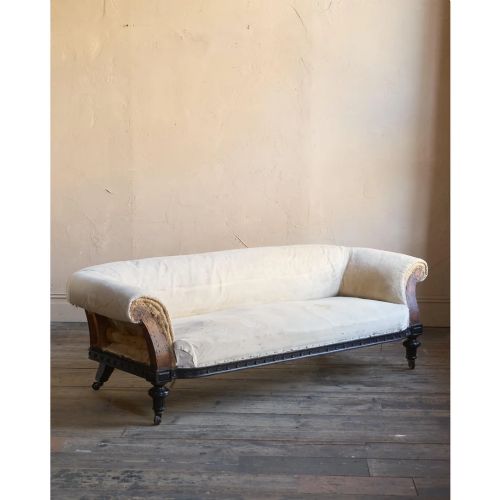
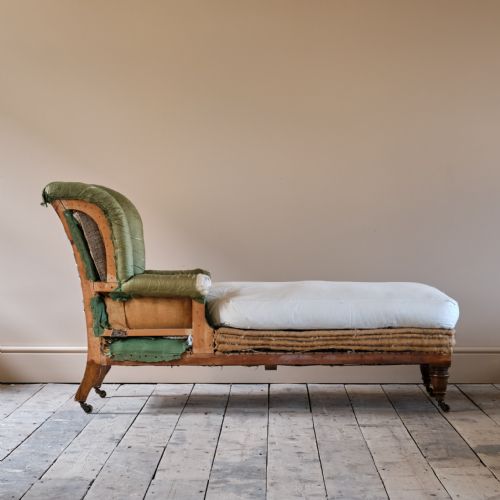
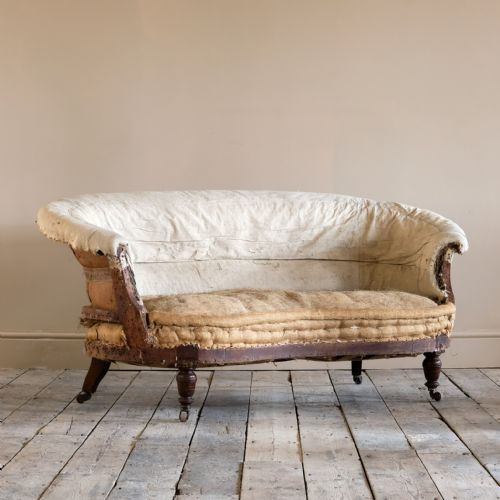


Turned Leg Upholstered Couch
A turned leg upholstered couch brings enduring comfort to a room, uniting timber framing with soft textiles.
Turned Leg Upholstered Couch
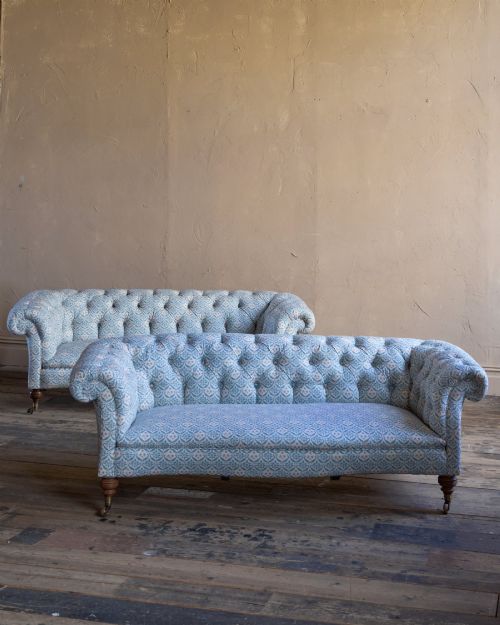
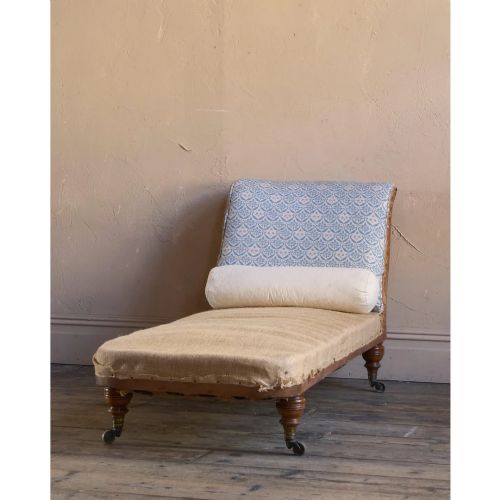
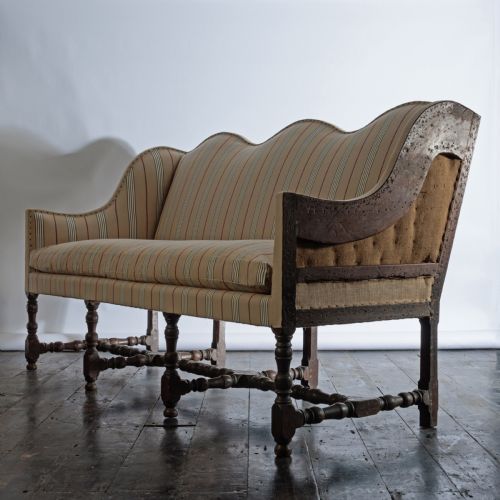
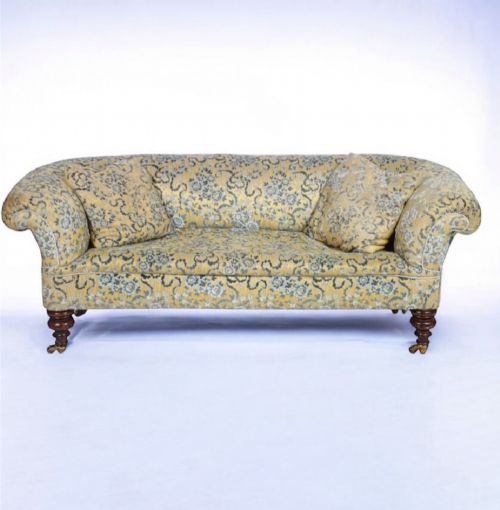
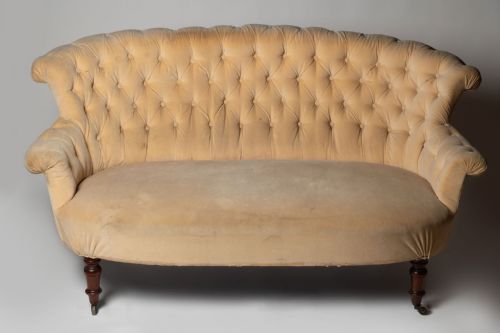
A turned leg upholstered couch unites robust timber frames with soft textile coverings, appearing across forms such as chesterfields, settees, and chaise longues. These seating pieces span the nineteenth century and the Victorian era, offering substantial seats for parlours and libraries.
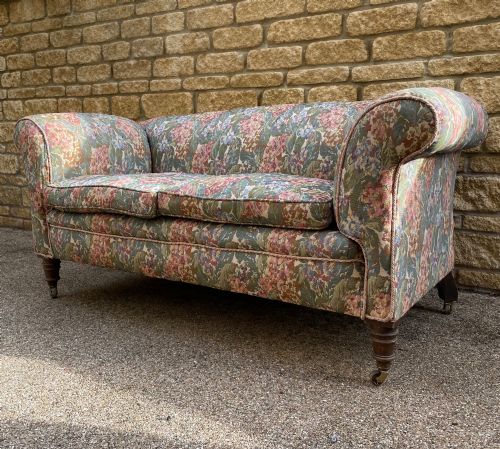
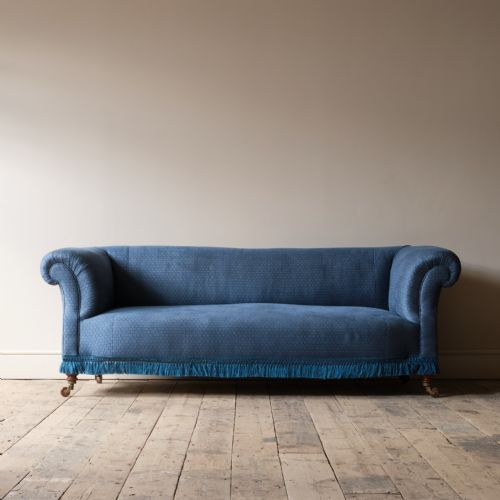
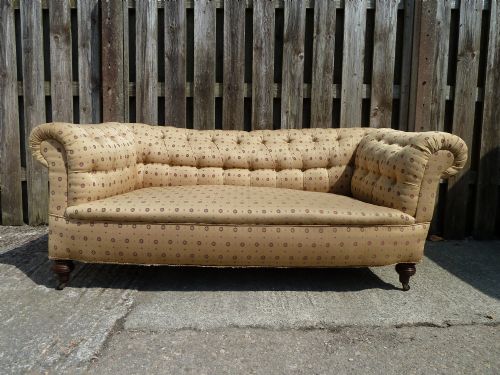
Buyers seeking a turned leg upholstered couch most frequently encounter nineteenth century pieces and Victorian examples. These often feature buttoned upholstery, drop arms, or scrolling backs supported on turned wooden legs with castors.
The selections on this page range from early nineteenth century daybeds to Edwardian settees. Makers and workshops of the period applied traditional forms to create enduring seating for country houses and town residences.
How they were made
Frames are constructed from solid timber such as mahogany and walnut, providing a sturdy skeleton for the upholstered body. Woodturners shaped the legs on lathes to produce cylindrical or fluted profiles that raise the heavy seat off the floor.
Upholstery techniques involve securing fabric, velvet, calico, or specific designer textiles over internal padding and springs. Brass castors are frequently fitted to the base of the wooden legs to aid movement across carpets and wooden floors.
Upholstery materials recorded across the inventory include velvet, calico, and bespoke designer fabrics.
What varies in quality
The calibre of a turned leg upholstered couch rests upon the integrity of its wooden frame and the precision of the leg turning. Superior pieces demonstrate crisp lathe work in walnut or mahogany, paired with robust internal construction that supports deep buttoning and tight textile application.
Distinction also lies in the pedigree of manufacture and the originality of components such as brass castors and support legs. Pieces bearing attribution to established workshops display finer detailing in the joinery and more harmonious proportions across the arms and back.
Hampton and Sons·Holland and Sons·Howard and Sons·Miles and Edwards
The Turned Leg Upholstered Couch Glossary
- Turned leg
- A wooden support shaped on a lathe to create cylindrical, fluted, or bulbous profiles. These legs elevate the upholstered body and often terminate in brass castors.
- Chaise longue
- An elongated upholstered seat designed for reclining, featuring a backrest and one or two raised ends. These pieces appear frequently in nineteenth century drawing rooms.
- Chesterfield
- A deeply buttoned upholstered sofa featuring arms and back of the same height. This form provides formal seating with generous padding.
- Calico
- A plain-woven cotton fabric used historically as an inner upholstery lining or base cover before the application of decorative top textiles.
- Drop arm
- A moveable sofa arm mechanism that lowers on one side to alter the seating profile. This element allows the couch to function for resting.
Turned Leg Upholstered Couch: Frequently Asked Questions
How do I date a turned leg sofa?
Dating relies upon timber choice, leg turning profiles, and upholstery styles recorded across the nineteenth century and Victorian periods. Mahogany and walnut frameworks exhibit distinct design shifts from Regency forms through to Edwardian production.
Examining internal construction methods and castor hardware provides further confirmation of the manufacturing era. Maker stamps or labels, where present, anchor the piece to specific workshops and active decades.
Are these couches comfortable for daily use?
These seating pieces were engineered for domestic comfort, utilising sprung foundations and deep padding to support extended lounging. Generous proportions across settees and daybeds accommodate relaxed seating postures.
Maintenance of the internal webbing and padding ensures the upholstery retains its supportive qualities. Many examples offer robust seating suited to modern living spaces.
What fabric options are period appropriate?
Historical examples utilise materials such as velvet, calico, and patterned textiles appropriate to the nineteenth and early twentieth centuries. Traditional designs often incorporate deep buttoning or patterned covers that reflect the aesthetic of the era.
Re-upholstery adheres to historical precedents using traditional stuffing materials and fabrics that complement the timber frame. Specific pieces retain their original designer textiles from notable archival makers.
Where should I place a daybed?
A daybed or chaise longue suits placement in libraries, large hallways, or drawing rooms where its elongated profile can be viewed from multiple angles. These pieces function well as standalone seating or as complementary additions to existing upholstery.
Allowing sufficient clearance around the turned legs and castors preserves the visual balance of the room. Placement away from direct sunlight protects the timber and textile surfaces.