


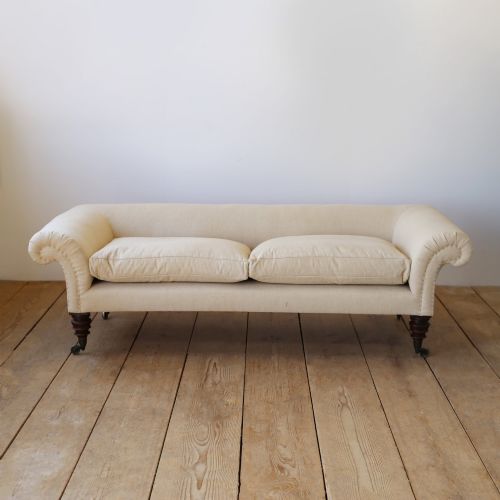


Antique Drop Arm Settee
An antique drop arm settee offers adjustable comfort through hinged ends, combining period seating forms with practical versatility for the modern home.
Antique Drop Arm Settee
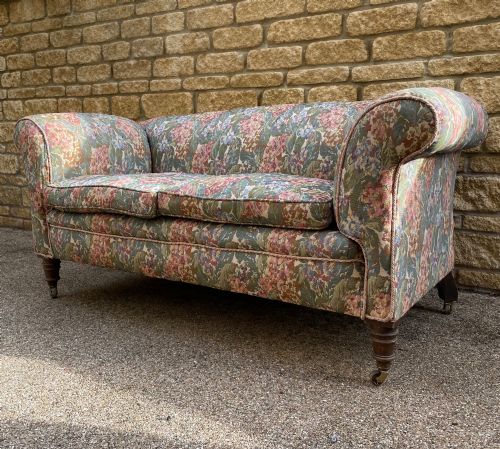
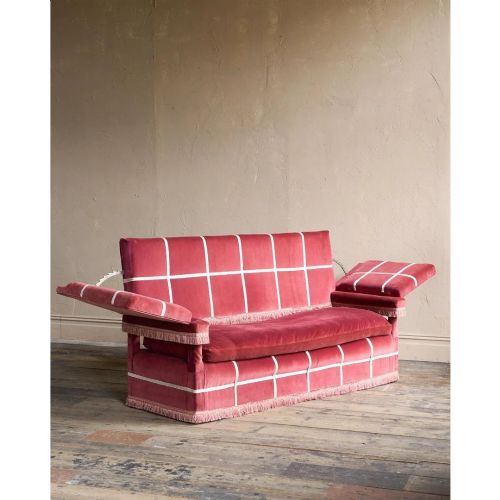
The antique drop arm settee is a flexible form of period seating designed with movable sides that can be lowered or raised. Buyers looking at this phrase find robust wooden frames paired with deep upholstery, originating across the nineteenth and twentieth centuries.
Victorian and Edwardian examples dominate the selection, often appearing alongside English Country House styles and later Art Deco interpretations. These pieces function as both formal sofas and relaxed daybeds when the arms are dropped.
The evidence shows various forms including two-seater couches, substantial three and four-seater sofas, and specialised variations like the Knole sofa and the drop arm chaise lounge. Each design offers a distinct silhouette while retaining the signature adjustable ends.
How they were made
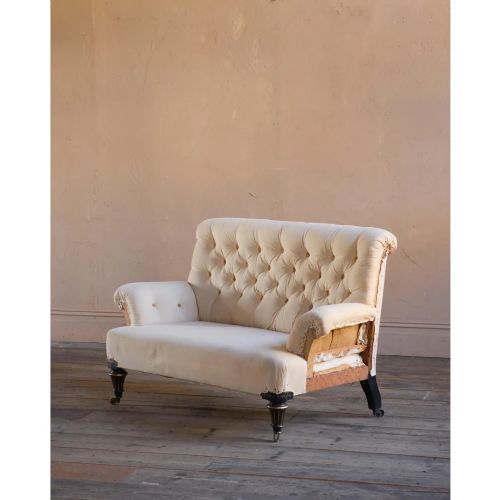
Construction relies upon solid timber frames shaped from mahogany and other traditional woods, providing the structural skeleton for heavy upholstery. Traditional stuffing materials such as horsehair support the deep seats and backrests.
Hinged mechanisms, typically forged from brass, operate the drop arms on either side of the settee. These functional metal components allow the end panels to move smoothly and lock into position.
Surface finishes range from exposed polished timber frames to fully upholstered exteriors covered in velvet, damask, leather, or patterned upholstery fabric.
One cheerful Victorian settee comes thoroughly equipped with whisky brown leather and traditional horsehair, ready for afternoon naps with dropped arms.
What varies in quality
Quality rests in the integrity of the timber frame and the mechanical reliability of the brass drop arm hinges. A superior settee maintains tight joints and smooth movement in the adjustable ends without looseness.
The depth and execution of the upholstery work define the standard of the piece, from traditional horsehair stuffing to the choice of covering fabric like hand-dyed leather or gold damask. Maker attribution, such as work associated with firms like Jackson and Graham, elevates the standing of a settee.
Jackson and Graham
The Antique Drop Arm Settee Glossary
- Drop arm settee
- A sofa featuring hinged ends that can be lowered to create an open daybed or raised to form a traditional backrest. This design allows the furniture to adapt its silhouette and function.
- Knole sofa
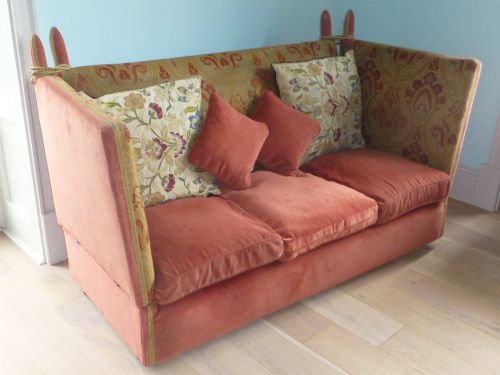
- An early form of settee characterised by high, equal-height back and arms, often secured with decorative ties or finials. Drop arm variants incorporate adjustable ends into this classic architectural shape.
- Chesterfield sofa
- A traditional upholstered seating form distinguished by deep button tufting and rolled arms of the same height as the back. Some antique examples incorporate drop arm mechanisms.
- Damask
- A reversible figured fabric woven on a jacquard loom, frequently utilised for formal upholstery on Victorian and Edwardian seating. Its pattern stands out through contrasting matte and shiny threads.
- Horsehair fill
- A traditional stuffing material gathered from the tails and manes of horses, valued for its resilience and breathability in period upholstery.
Antique Drop Arm Settee: Frequently Asked Questions
How do drop arms work?
The movable ends rely on internal brass hinges and ratchets built into the wooden frame. Lifting or releasing the mechanism allows the arm to drop flat or lock at an angle.
This functionality converts a standard sofa into a chaise style lounge or daybed, depending on how many arms are lowered.
What is a Knole sofa?
A Knole sofa is a historic seating form featuring high, straight back and sides of equal height. They often include exposed wooden framing and heavy vertical fabric ties.
In the selection here, Knole settees frequently incorporate drop arm mechanisms to combine the formal silhouette with adjustable comfort.
Are these settees comfortable for daily sitting?
These pieces offer deep seats and substantial padding, often filled with traditional materials like horsehair. Their generous proportions make them suitable for lounging.
Because comfort depends heavily on the condition of the internal stuffing and springs, many buyers choose pieces that have been fully restored or plan for reupholstery.
How do I identify a Victorian drop arm settee?
Victorian examples display characteristic period details such as turned wooden legs, robust mahogany frames, and dense upholstery fabrics like velvet or damask. They date from the nineteenth century.
Makers from this era, including recorded firms like Jackson and Graham, built substantial frames designed to support heavy use and complex mechanical arm hinges.
Can I reupholster an antique drop arm sofa?
Reupholstering is common for these pieces, particularly when dealing with worn fabric or older materials. Listings occasionally offer sofas specifically intended for restoration.
Preserving the internal frame and the mechanical drop arm hinges during the reupholstery process maintains the historical integrity and operational function of the settee.