


Turned Leg Stand
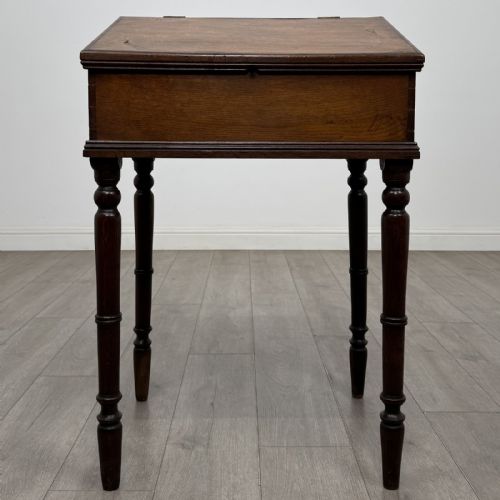
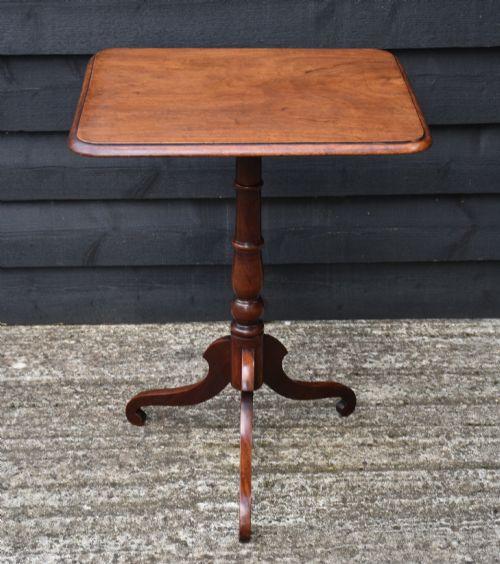
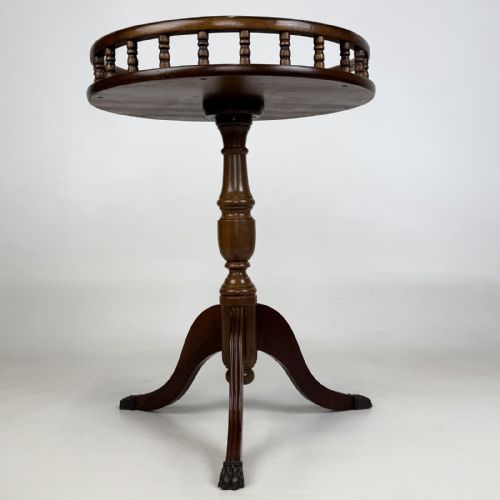
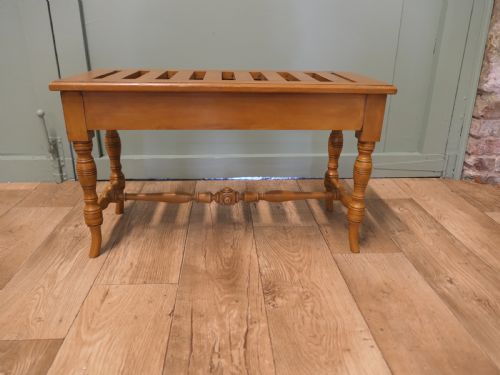
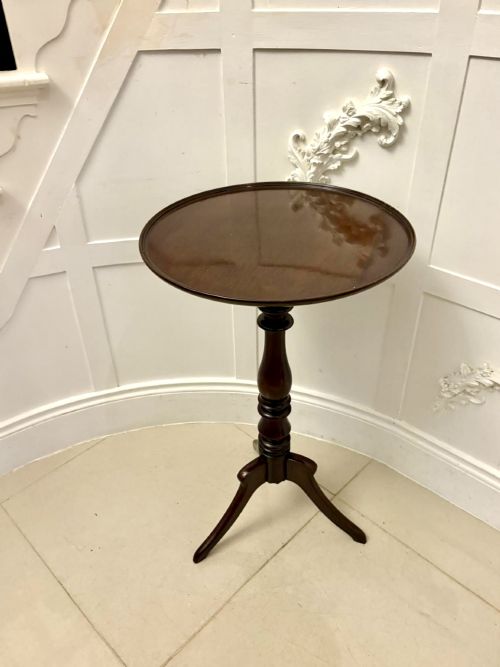
When you search for a turned leg stand, you find functional furniture supported by shaped spindles, designed to hold lamps, plants or books.
Turned Leg Stand
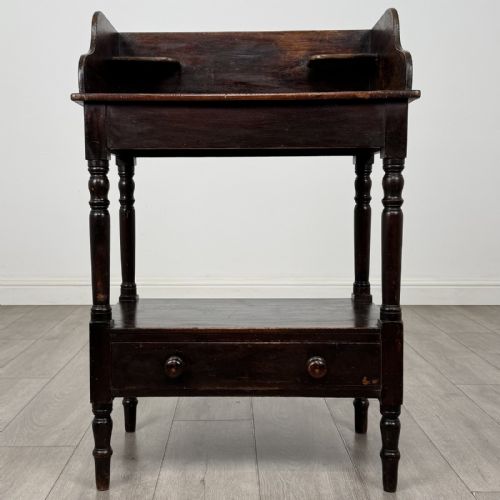
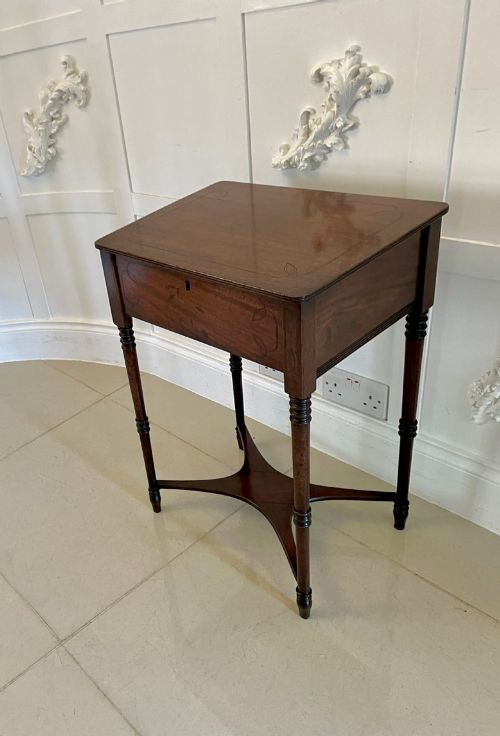
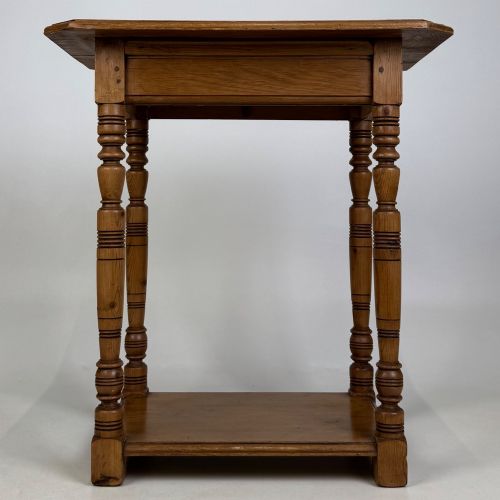
A turned leg stand encompasses various small support furniture items found within domestic interiors, including side tables, wine tables, and luggage racks. These pieces serve practical purposes in living spaces by providing elevated surfaces for lamps, books, or wash basins.
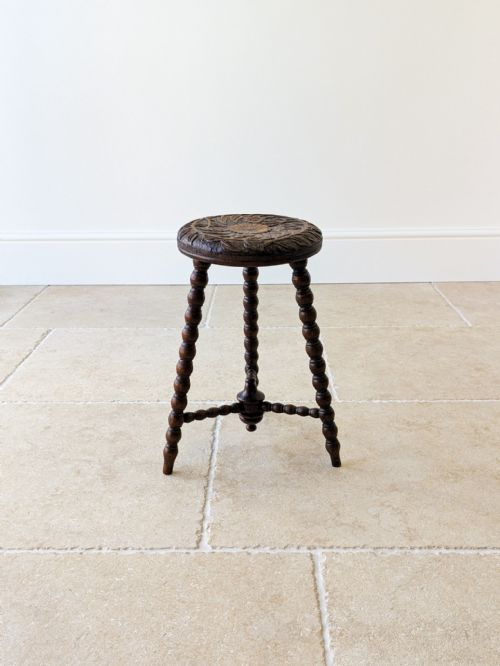
The selections available span multiple periods from the Georgian era through to the Edwardian period and the early twentieth century. You will encounter forms constructed from woods like mahogany, oak, walnut, and beech, featuring distinct styles such as Arts and Crafts, Regency, and Victorian.
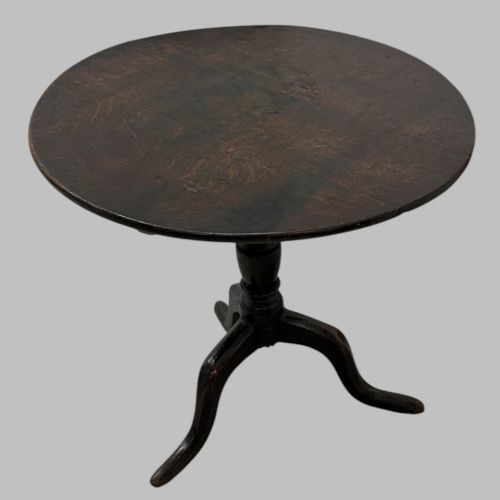
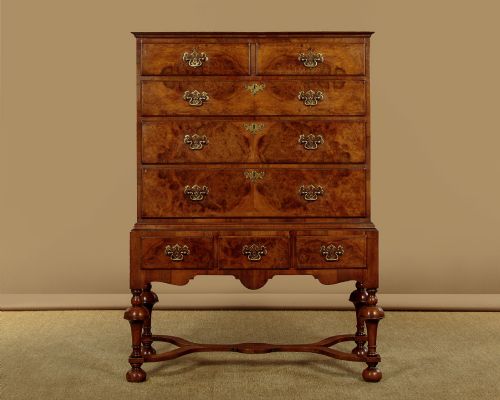
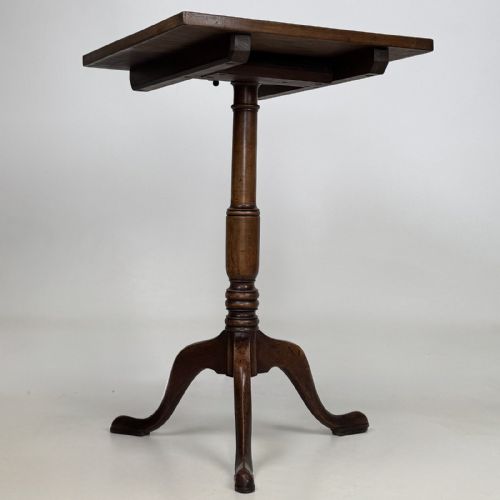
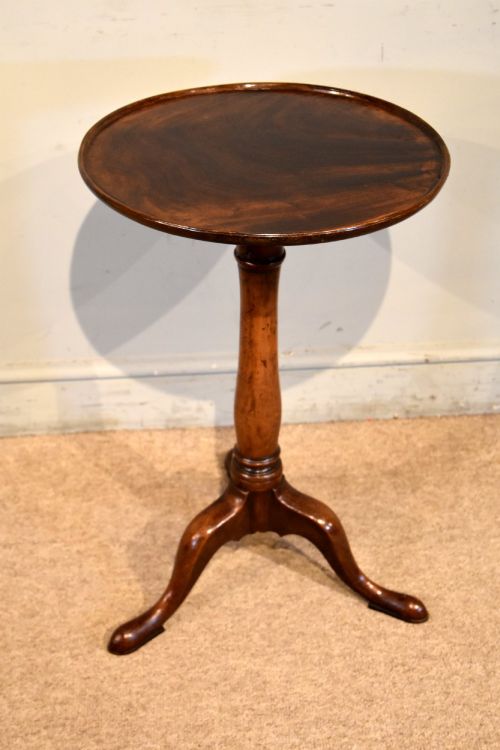
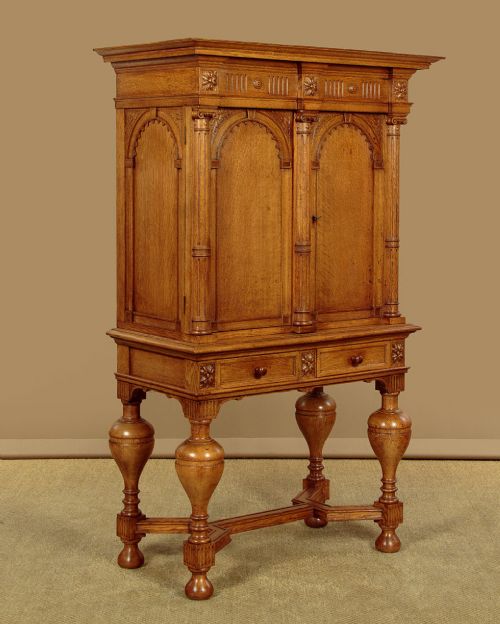
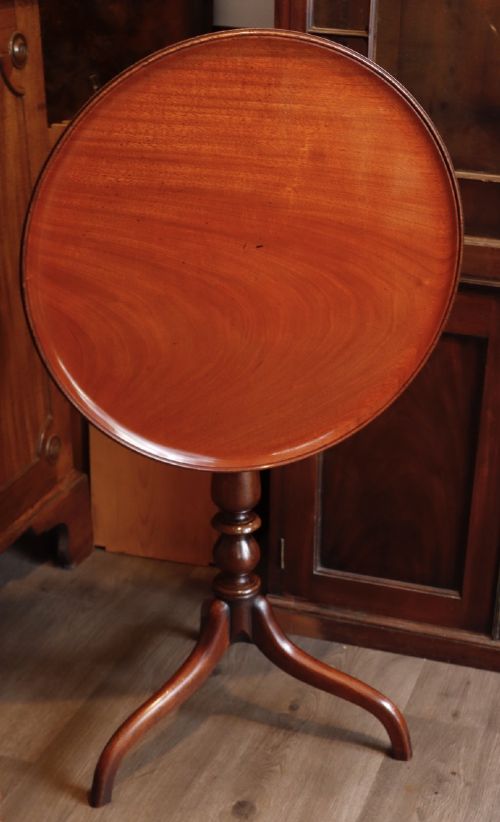
Tripod tables and occasional side tables dominate the offerings, often incorporating circular or octagonal tops supported by a central turned pillar or individual uprights. Alongside these, specific pieces like chest on stand formats and display cabinets provide taller display options.
How they were made
Cabinet makers utilised solid hardwoods such as mahogany, oak, walnut, and beech to construct these stands, selecting materials for their durability and grain. Timber was often shaped using a lathe to produce the characteristic turned legs and central pillars seen across the inventory.
Joining techniques relied on traditional mortise and tenon joints, dovetailing for drawers, and turned threading for columns and uprights. Surfaces were finished with polished wood grain, occasional inlays, or carved details depending on the prevailing style of the period.
Turned Leg Stand Retail Price Guide 2026
Typical asking prices for turned leg stand among the pieces listed under this phrase on Sellingantiques today, from the lower quarter to the upper quarter. They describe what is for sale here now, not the wider market.
What varies in quality
Quality differences depend on the selection of timber and the precision of the turning work on the legs and supports. Finer examples display crisply carved details, well-figured wood veneers or solid planks, and stable, balanced construction.
The distinction between standard utility items and high-status pieces lies in the sophistication of the design, such as inlaid veneers, brass fittings, or gallery edges. Maker attribution and period integrity further elevate the standing of an individual piece.
Brown & Lamont·Shapland & Petter·Hindley and Sons
The Turned Leg Stand Glossary
- Tripod table
- A small occasional table supported by a central turned pillar resting on three legs.
- Tilt-top
- A tabletop hinged to the pedestal, allowing the surface to fold vertical when not in use.
- Gallery
- A raised wooden or brass border around the edge of a table top to prevent items from sliding off.
- Chest on stand
- A cabinet or drawer section elevated upon a separate open framework with legs.
- Canterbury
- A low stand fitted with vertical partitions for holding sheet music, books, or newspapers.
Turned Leg Stand: Frequently Asked Questions
What is a turned leg stand used for?
These pieces function primarily as auxiliary furniture for holding lamps, decorative items, or small accessories within a room.
They offer portable surfaces that fit easily beside seating or in corners where larger furniture cannot go.
How do I identify a Georgian tripod table?
Georgian examples typically feature rich mahogany timbers with slender, elegant turned columns and pad or snake feet.
Their proportions remain refined, often displaying tilt mechanisms designed to save space against walls.
What is the difference between a side table and an occasional table?
Side tables generally served specific domestic duties like holding washing basins or supporting books near beds and seating.
Occasional tables were lighter, movable pieces brought out for specific tasks such as serving wine or displaying ornaments.
How do I care for antique wood stands?
Keep wooden stands away from direct heat sources and strong sunlight to prevent the timber and polishes from drying out.
Dust regularly with a dry cloth and apply a quality wax polish sparingly to maintain the finish.