
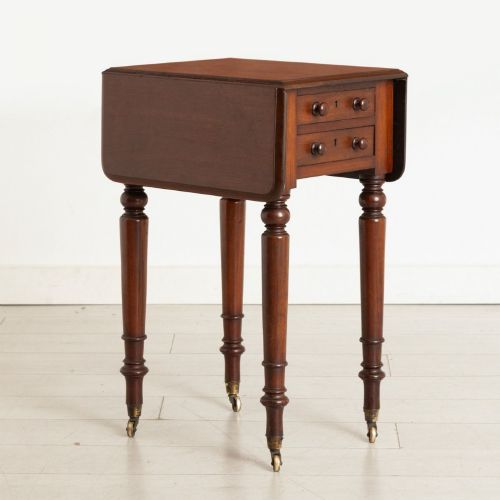
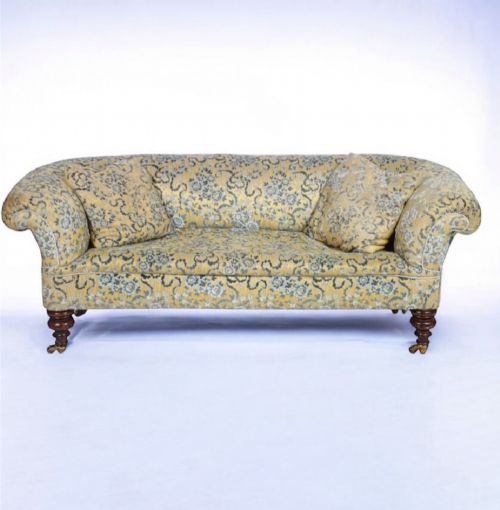
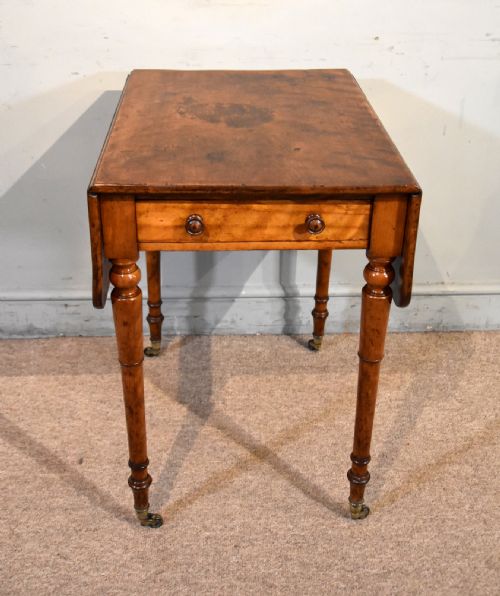
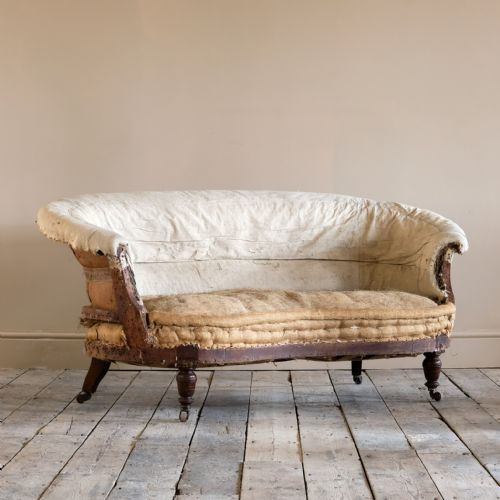


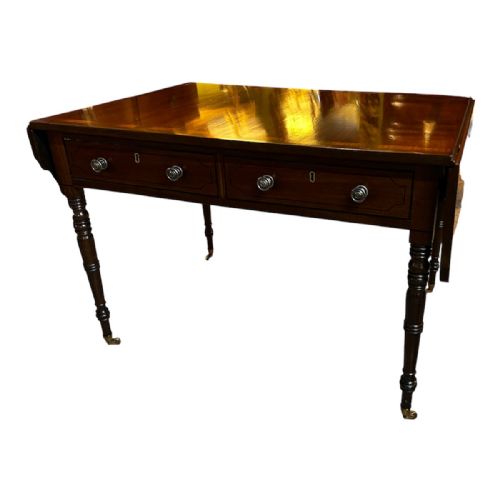

Turned Leg Sofa Castors
Turned leg sofa castors support heavy nineteenth-century seating, keeping timber clear of floors.
Turned Leg Sofa Castors
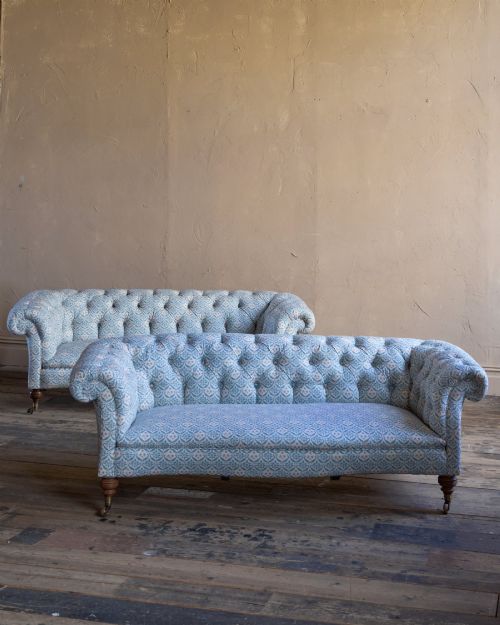
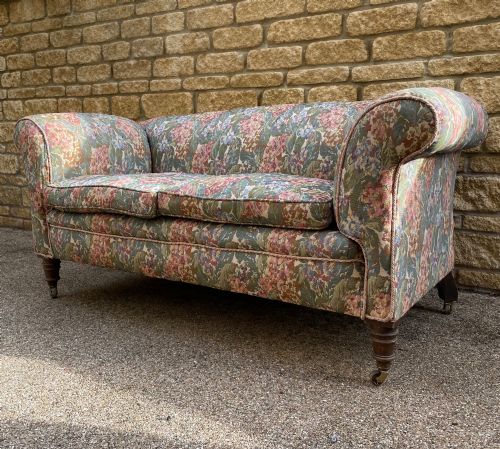
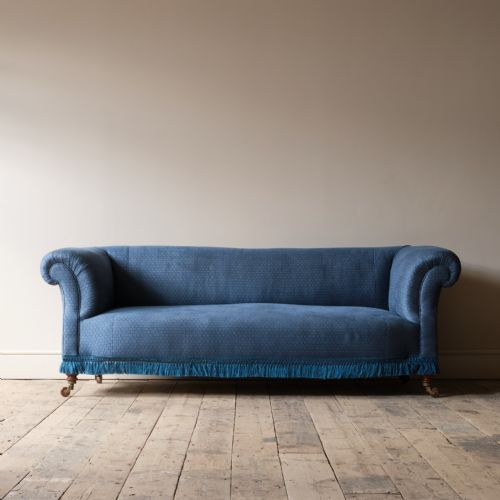
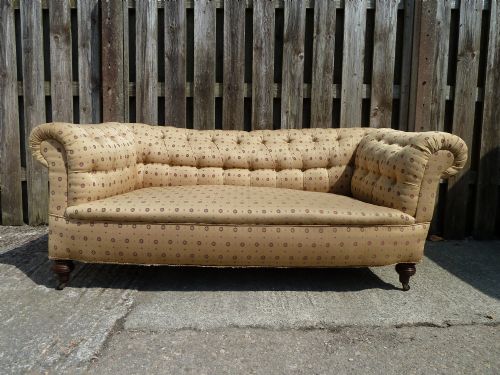
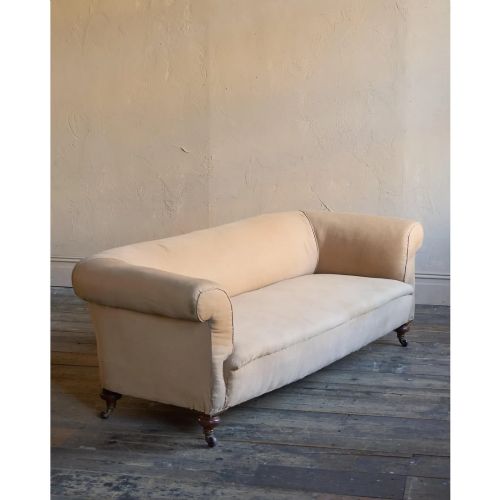
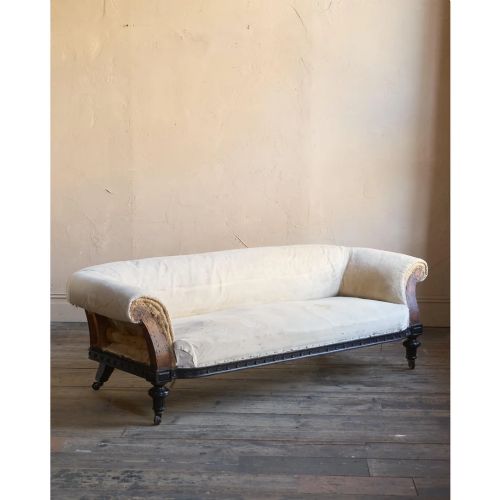
Turned leg sofa castors appear beneath nineteenth century seating and tables, uniting practical mobility with sturdy timber frames. Buyers seeking turned leg sofa castors typically encounter substantial Victorian and Regency frames set upon timber supports.
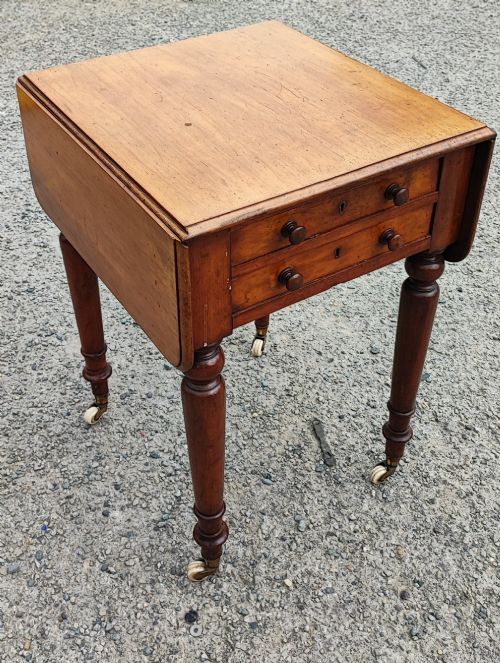
The selection ranges from deep chesterfield sofas and drop arm seats to mahogany pembroke tables and centre tables. Most examples date from the Victorian and Regency periods, utilising dense native timbers alongside brass and ceramic components.
Makers integrated these castors to ease movement across heavy carpets without damaging flooring. They remain fundamental to traditional English seating and small occasional tables from the nineteenth century.
Materials and construction
Frames rely on solid mahogany, walnut, satin birch, and rosewood, shaped by hand or lathe. Upholstered pieces add fabric, velvet, calico, and wool over sprung interiors.
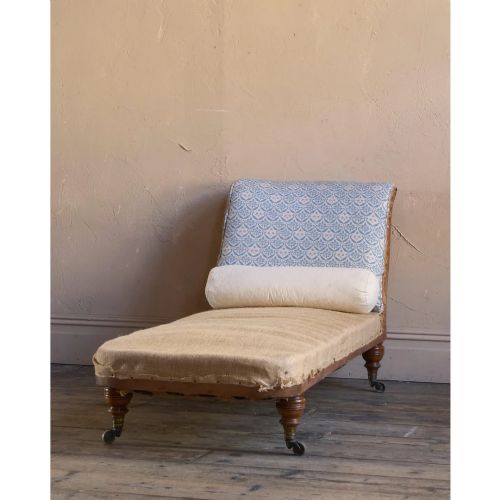
Castors combine turned wooden legs with brass cappings, sockets, and small wheels. These metal fixtures permit smooth rolling while securing the base of the leg against splitting under weight.
Listings feature nineteenth-century furniture constructed from mahogany, walnut, rosewood, satin birch, and brass.
Judging the pieces
Quality rests upon the crispness of the timber turning and the proportion of the frame. Heavy nineteenth-century upholstery requires robust internal framing that retains its original lines without sagging.
Original metalwork elevates a piece, particularly when brass castors match the timber mounts precisely. Retaining original upholstery foundations or period fabric schemes marks out superior survivals.
Hampton and Sons·Howard and Sons·Johnstone and Jeanes·Holland and Sons·Gillows
The Turned Leg Sofa Castors Glossary
- Chesterfield sofa
- A deep-seated upholstered sofa characterised by rolled arms and a low back. These pieces often feature buttoned upholstery and sit on low turned wooden supports.
- Pembroke table
- A drop-leaf table with hinged flaps on either side, useful for occasional dining or writing. They frequently stand on slender turned legs with brass castors.
- Centre table
- A freestanding table designed to be viewed from all sides rather than pushed against a wall. They appear in mahogany, rosewood, and walnut across the nineteenth century.
- Chaise longue
- An upholstered couch shaped for reclining, featuring a single raised headrest or arm. Early examples often utilise exposed timber legs and original brass rolling hardware.
- Capping
- A metal sleeve fitted over the foot of a wooden leg to protect the timber and house a castor wheel. These brass fittings are characteristic of quality nineteenth-century seating.
Turned Leg Sofa Castors: Frequently Asked Questions
What periods do these pieces date from?
The listings span the nineteenth century, encompassing Regency and Victorian eras alongside occasional pieces from the nineteen-thirties. Most material clusters around the Victorian period and the earlier Regency decades.
Craftsmen of these eras utilised traditional timbers like mahogany and walnut, mounting them on brass and ceramic castors.
How were these sofas and tables used?
Chesterfield sofas and chaise longues provided formal lounging in nineteenth-century drawing rooms and country houses. Pembroke and centre tables served multiple domestic purposes from writing to needlework.
Castors allowed heavy furniture to be repositioned easily across deep carpets for cleaning or entertaining.
Are the castors usually original?
Many pieces retain their original brass cappings, sockets, and wooden wheels from the nineteenth century. Examining the fixing points reveals whether the hardware has been replaced over time.
Original metalwork matches the wear and patina of the surrounding timber frame.
How do I care for antique upholstery?
Upholstered pieces require gentle vacuuming with a soft brush attachment to remove dust from delicate fabrics like velvet and calico. Professional cleaning preserves fragile nineteenth-century textiles.
Protecting the wooden legs and brass castors from moisture keeps the structural base sound.