
Turned Leg Lamp Stand
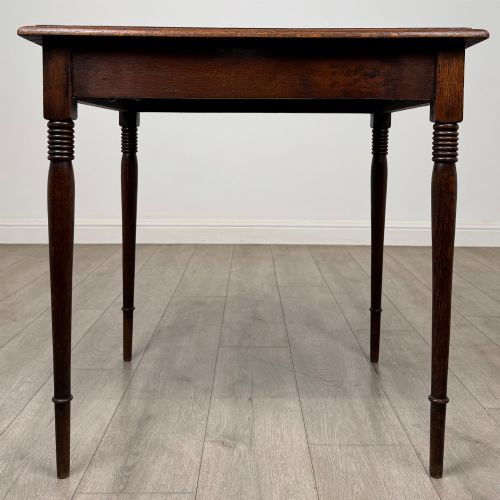
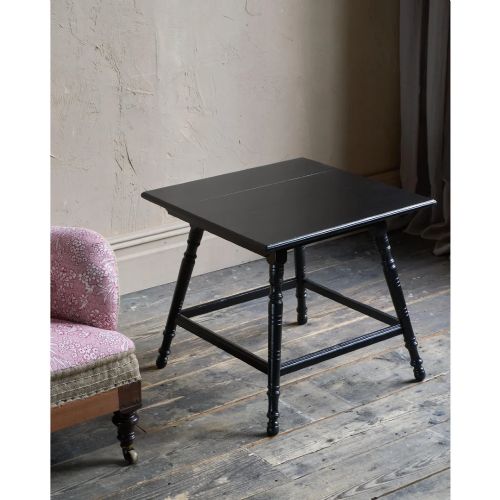
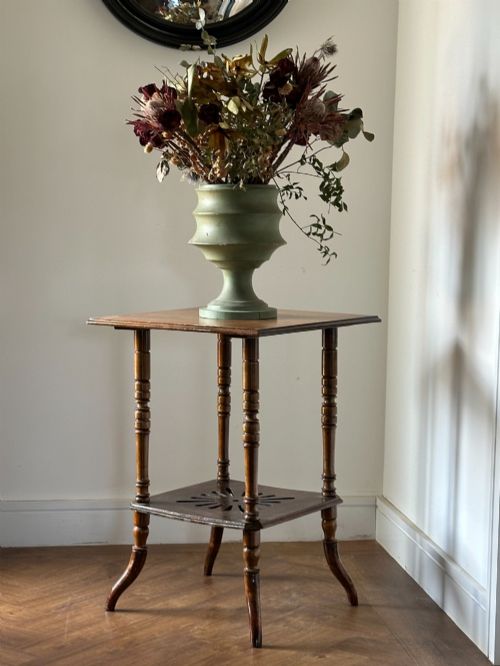
A turned leg lamp stand sits ready to hold a reading light or a small vessel, bringing functional height beside a chair.
Turned Leg Lamp Stand
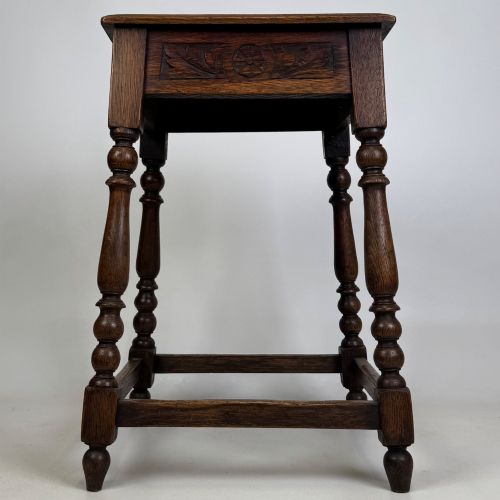
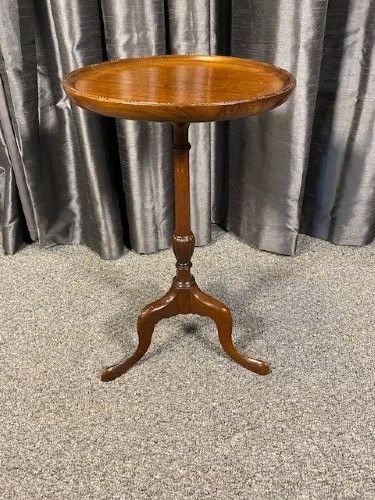
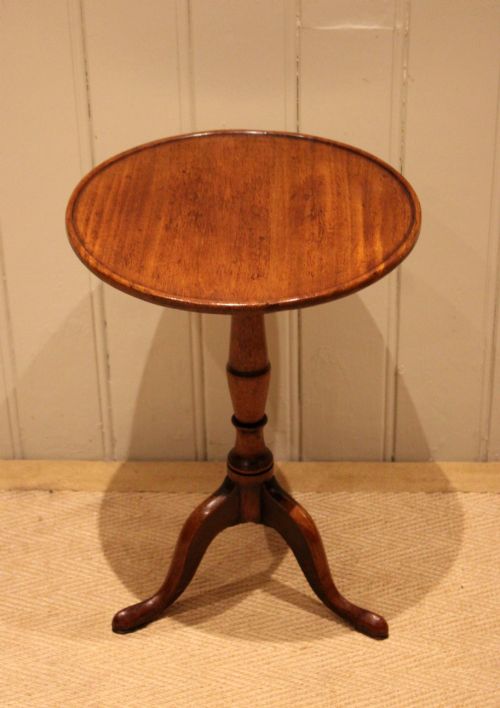
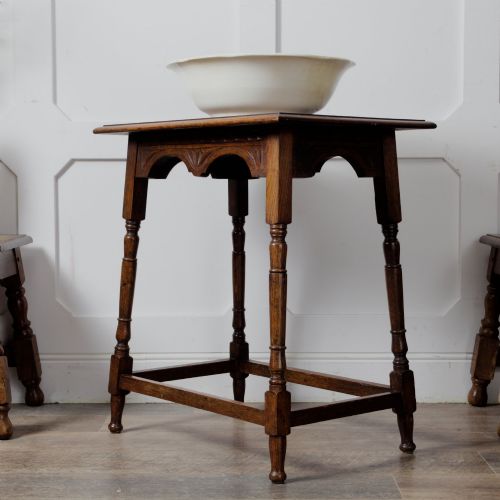
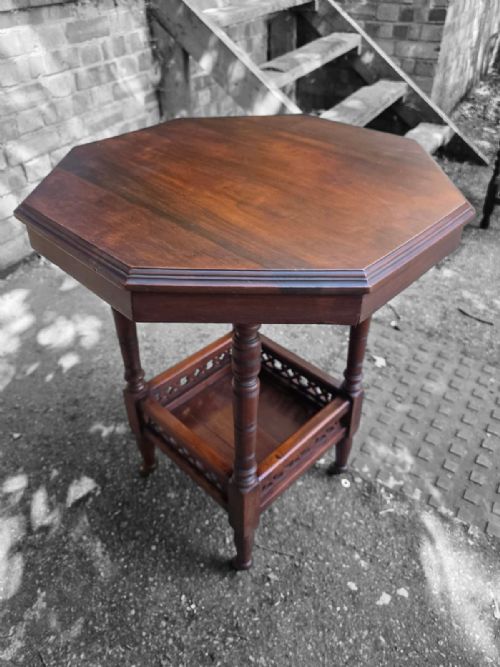
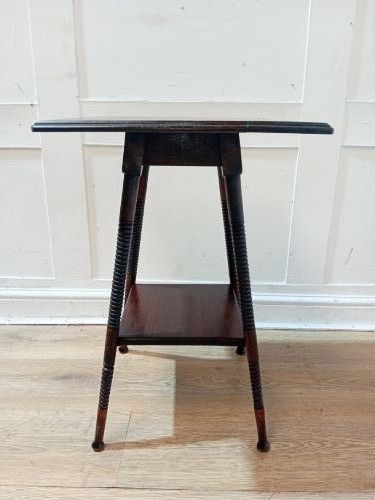
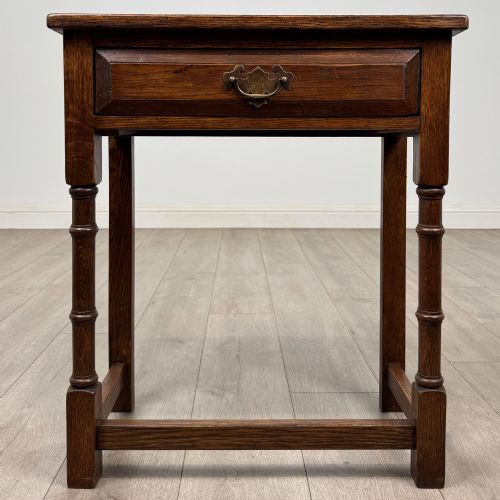
A turned leg lamp stand provides a sturdy surface for illumination, appearing across periods from the eighteenth century through to the Edwardian era. These pieces frequently take the form of side tables, occasional tables, or wine tables designed with upright supports.
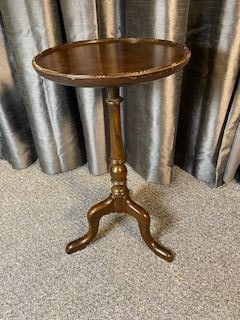
The versions most commonly met on this page span the Victorian and Edwardian periods, constructed in oak or mahogany. Many examples incorporate tripod bases or four-legged frames suited for domestic spaces.
How they were made
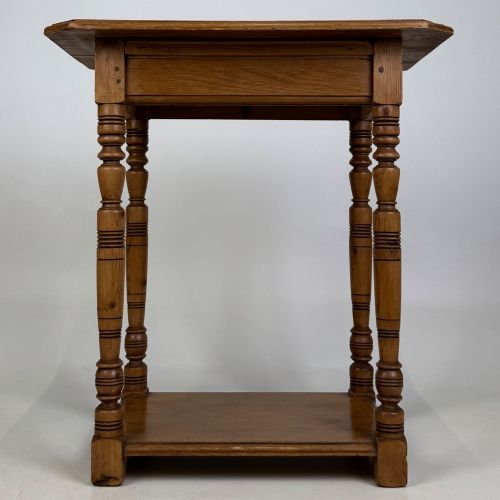
Cabinet makers utilised dense timbers such as mahogany, oak, and walnut, often shaping supports on a lathe to create characteristic turned profiles. Brass fittings and ceramic elements occasionally appear as decorative accents or tile insets within specific movement designs.
Joinery techniques relied on traditional methods like mortise and tenon joints for stability, while tilt-top mechanisms utilised pivoting brass catches. Surfaces were polished with wax or shellac to bring out the natural grain of the hardwood.
Some Edwardian tables feature six-sided tops, giving a geometric twist to the traditional round lamp stand.
What varies in quality
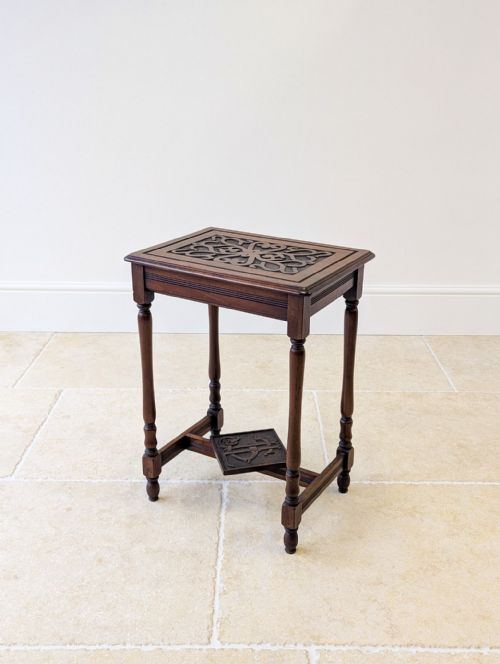
The selection of timber dictates the foundation, with solid mahogany and quarter-sawn oak representing the sturdier tier of construction. Finer examples display crisp hand-carving and well-proportioned lathe work on the central pillars and legs.
Design ambition separates basic utility items from sophisticated movement pieces, such as those influenced by the Arts and Crafts or Aesthetic styles. The integration of hand-painted details or specialised tile work elevates individual tables.
Hindley and Sons·William Birch·Liberty and Co·Druce and Co London
The Turned Leg Lamp Stand Glossary
- Tripod base
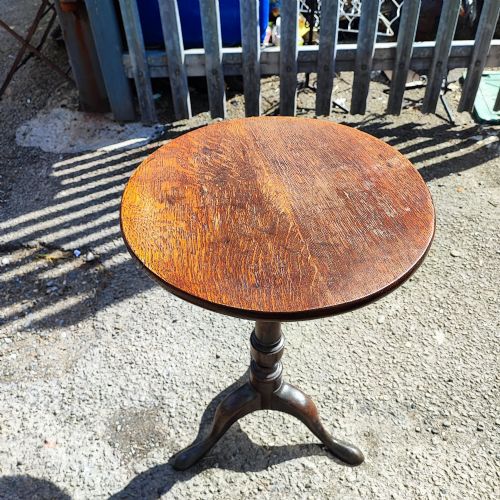
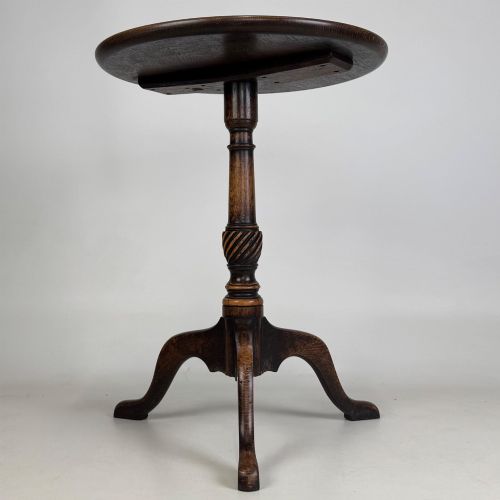
- A three-legged support system commonly found on wine tables and small lamp stands for stability on uneven floors. This configuration allows the table to stand firm without rocking.
- Tilt top
- A tabletop mounted on a hinge mechanism that enables the surface to fold vertical when not in use. This clever design saved floor space in smaller period rooms.
- Ebonised wood
- Timber treated with a dark stain or chemical finish to imitate expensive ebony. It gained popularity during the nineteenth century for specific aesthetic movements.
- Occasional table
- A small, movable table designed for a specific, transient purpose in a sitting room. These versatile pieces were easily shifted beside chairs or sofas as needed.
- Tray top
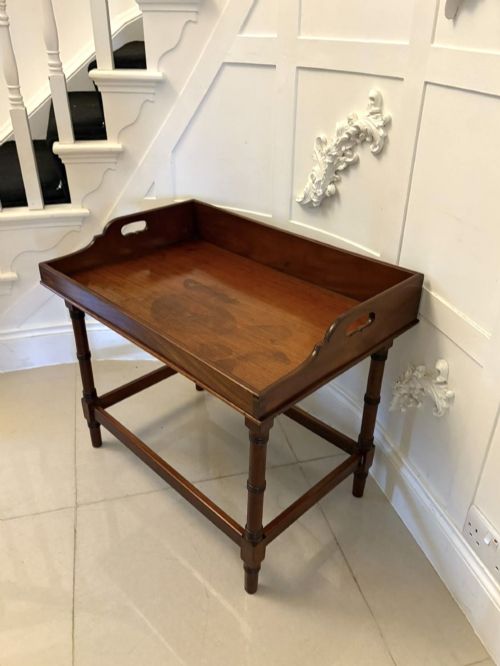
- A tabletop featuring a raised raised moulding or rim around the perimeter to prevent objects from sliding off. This practical detail is frequently seen on eighteenth and nineteenth-century examples.
Turned Leg Lamp Stand: Frequently Asked Questions
What is a turned leg lamp stand?
A turned leg lamp stand is a compact occasional table featuring legs shaped on a lathe. These surfaces were traditionally used to support oil lamps or candles before the advent of electricity.
Today, they function perfectly beside armchairs or sofas to hold modern lighting and small decorative items.
How do I date an oak lamp table?
Dating relies on observing construction methods, timber selection, and stylistic details such as carving or edge profiles. Earlier pieces often show hand-sawn marks and simpler structural joints.
Later Victorian and Edwardian versions incorporate machine-turned components and distinct revival styling like Jacobean or Arts and Crafts motifs.
Can I use a wine table as a lamp stand?
Wine tables and lamp stands share similar proportions and sturdy tripod or four-legged bases. Their compact tops make them ideal platforms for small table lamps.
Many historical wine tables now serve this exact purpose in contemporary interiors without looking out of place.
What woods were used for these tables?
Cabinet makers predominantly used native hardwoods like oak and imported timbers such as mahogany and walnut. Ebonised wood also appears on pieces influenced by nineteenth-century design movements.
Surfaces were finished to highlight the natural grain and colour of the chosen material.