





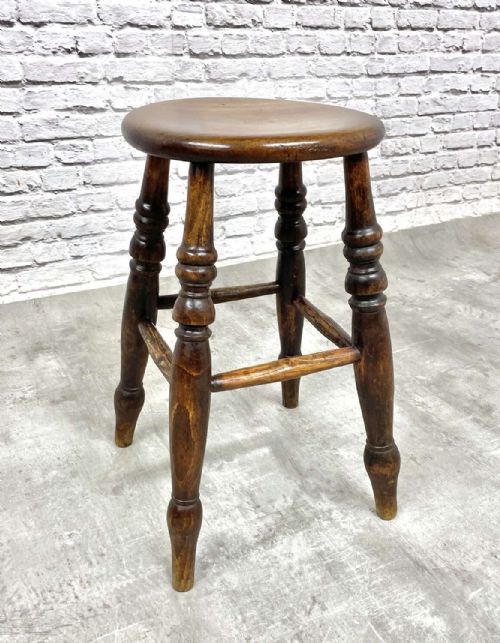

Turned Leg Counter Stool
A turned leg counter stool offers robust utility and honest charm, bringing genuine regional character straight into a modern kitchen.
Turned Leg Counter Stool
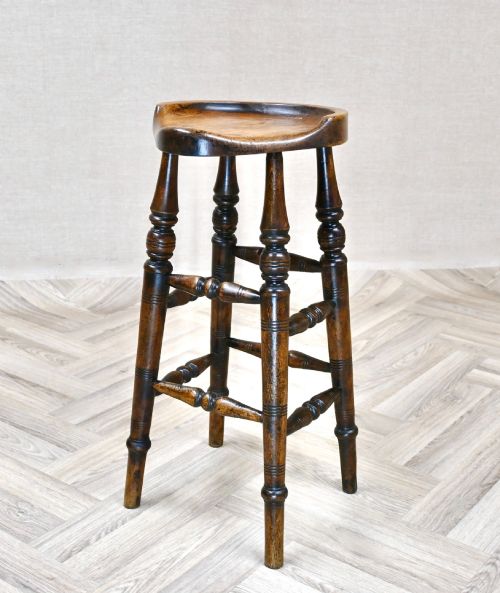
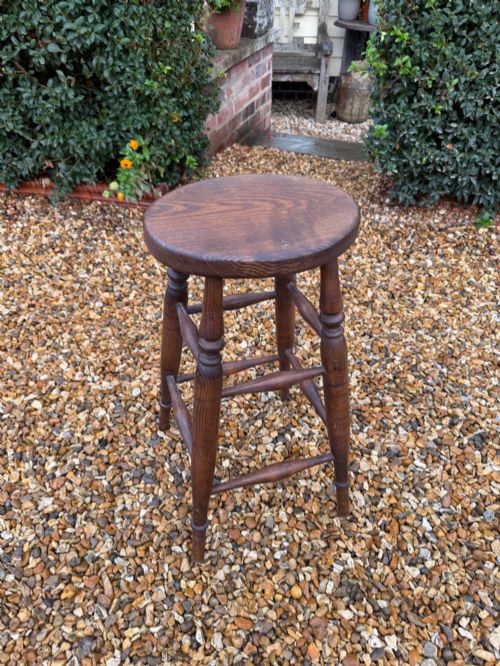
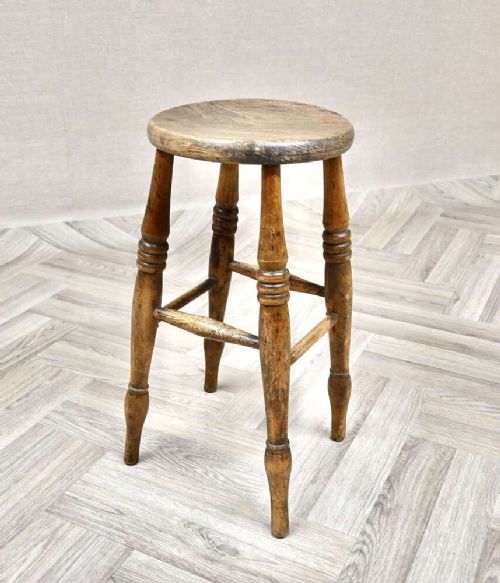
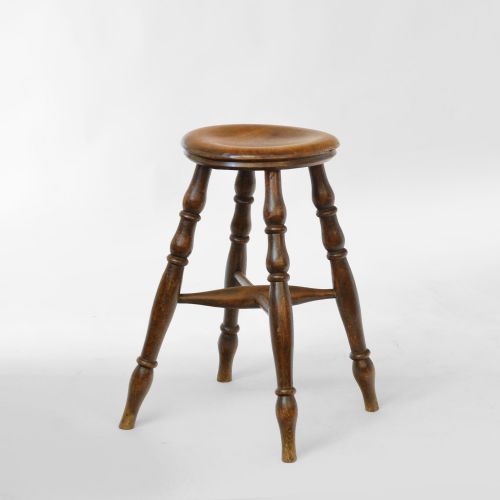
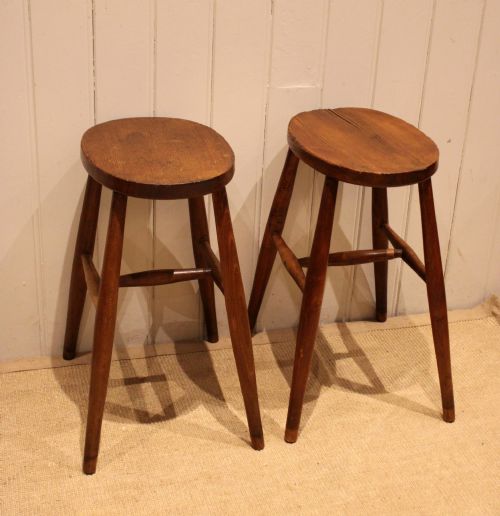
A turned leg counter stool stands as a practical piece of utility furniture, typically emerging from nineteenth century vernacular contexts such as country houses, taverns, pubs, and farmhouses. These pieces range from clerk stools and high bar stools to Windsor and tavern variants, designed historically for elevated seating at tall tables or counters.
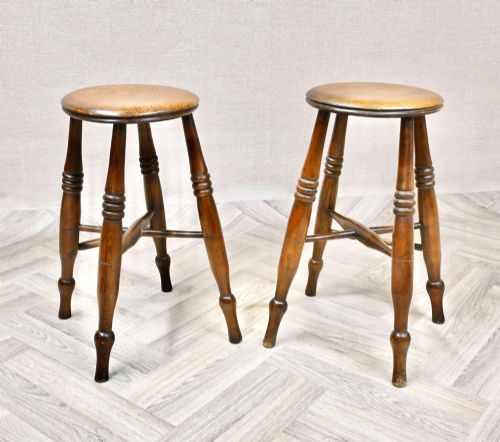
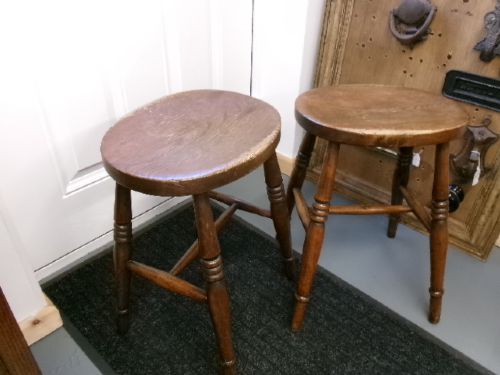
The version most commonly met on this page is the nineteenth century vernacular stool, often featuring timber seats like elm or sycamore paired with turned wooden supports. They appear in configurations including single pieces, pairs, and larger collections suited for farmhouse tables.
Makers produced these tall stools for working environments, meaning survival rates depend on robust original construction. Their enduring appeal lies in this honest, unpretentious domestic and commercial utility.
Materials and construction
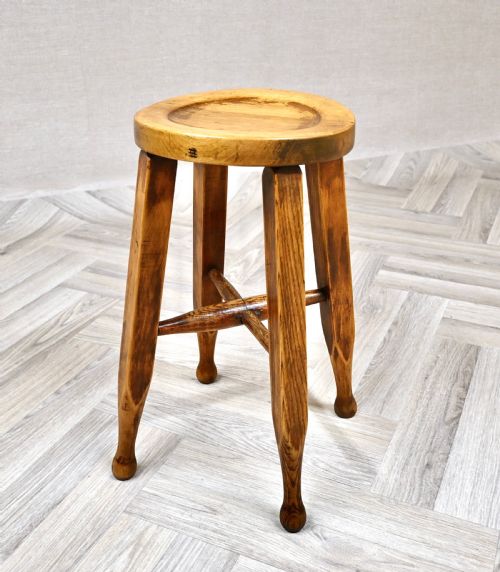
Makers utilised a variety of native hardwoods, selecting timber such as elm, oak, beech, ash, sycamore, birchwood, and pine depending on regional availability and the specific stresses the seat or legs would face. Elm and sycamore frequently provided durable, stable timber for solid seats, sometimes shaped with an oval dished top for comfort.
Turned legs were shaped on a lathe to give structural rigidity and visual proportion, then joined securely to the seat base using traditional woodworking techniques suited to heavy daily use in pubs and country kitchens.
Turned Leg Counter Stool Retail Price Guide 2026
Typical asking prices for turned leg counter stool among the pieces listed under this phrase on Sellingantiques today, from the lower quarter to the upper quarter. They describe what is for sale here now, not the wider market.
Several humble tavern stools survived decades of spilled ale and heavy patrons only to end up beside modern breakfast bars.
Variations in quality
Quality in a turned leg counter stool rests upon the selection of timber and the integrity of the joinery rather than decorative ornamentation. Sturdiness through well-turned legs and sound undercarriage bracing separates robust examples from those weakened by excessive wear.
The character of the wood grain, the depth of patination accumulated over generations, and the careful dishing of a solid timber seat distinguish finer regional pieces from general purpose utility seating.
The Turned Leg Counter Stool Glossary
- Vernacular furniture
- Items made by local craftsmen for everyday practical use rather than following high-style academic designs. These pieces reflect regional traditions and readily available materials.
- Dished top
- A seat surface hollowed out into a shallow concave shape by adzing or turning. This shaping enhances seating comfort on solid wood stools.
- Windsor
- A style of chair or stool construction where legs and back spindles are inserted directly into a solid sculpted seat. This method creates a remarkably strong and stable frame.
- Undercarriage
- The framework of stretchers connecting the legs beneath a stool or chair. It adds vital rigidity to tall furniture subjected to lateral movement.
Turned Leg Counter Stool: Frequently Asked Questions
What is a turned leg counter stool?
A turned leg counter stool is a tall piece of seating furniture raised on lathe-turned wooden legs. They originated largely in nineteenth century vernacular settings like taverns, country houses, and farmhouses.
These pieces were built for functional tasks rather than formal display. Today, they function well as practical kitchen island seating.
How were these tall stools used historically?
Historically, tall stools served clerks, pub patrons, and workers at elevated counters or high tables. Their sturdy construction allowed them to withstand constant daily use in busy commercial and domestic environments.
They provided practical, space-saving perches where standard chairs proved too low or cumbersome. Their presence in taverns and farmhouses highlights their utilitarian roots.
How do I live with an antique stool?
Living with an antique stool involves appreciating its functional history while accommodating its natural age and patina. They slide easily beneath modern kitchen counters or serve as standalone decorative accent pieces.
Normal daily use is entirely appropriate for sturdy nineteenth century examples provided the joints remain sound. Regular maintenance simply involves gentle cleaning and occasional waxing to preserve the timber.
How can I tell periods apart?
Dating these stools relies on observing timber characteristics, tool marks, and construction methods. Nineteenth century pieces often show the distinct signs of hand-turning and regional vernacular building traditions.
Later pieces from around nineteen hundred or the Art Deco period introduce slightly different stylistic cues and material combinations. Comparing the turning profile and wear patterns helps clarify the likely era of manufacture.