



Turned Foot Pine Chest
These turned foot pine chest examples offer honest storage with classic proportions, bringing enduring utility and character to any room.
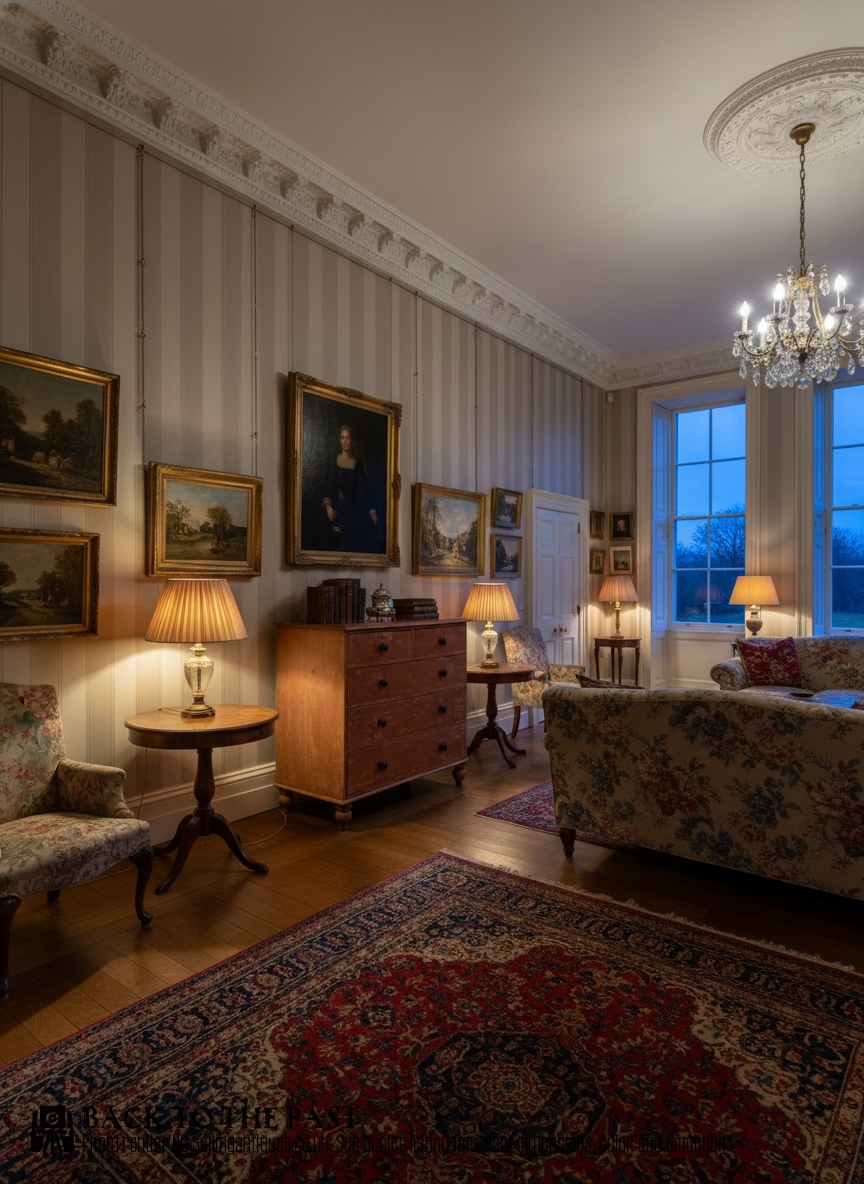
Turned Foot Pine Chest
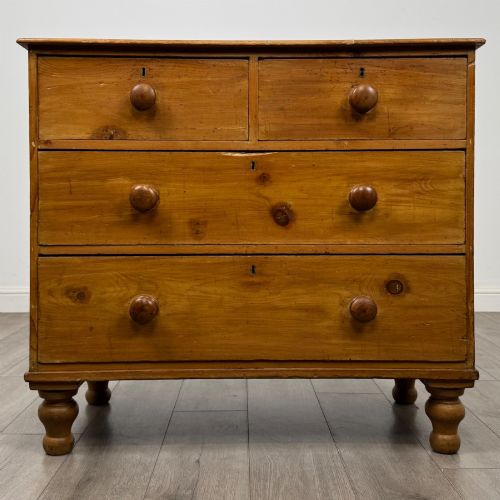
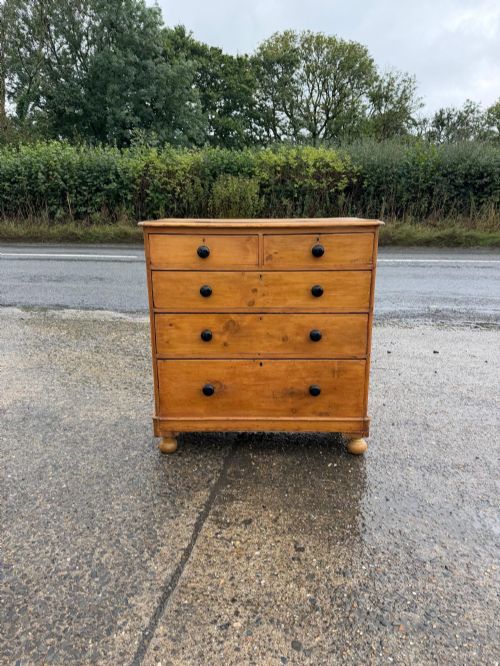
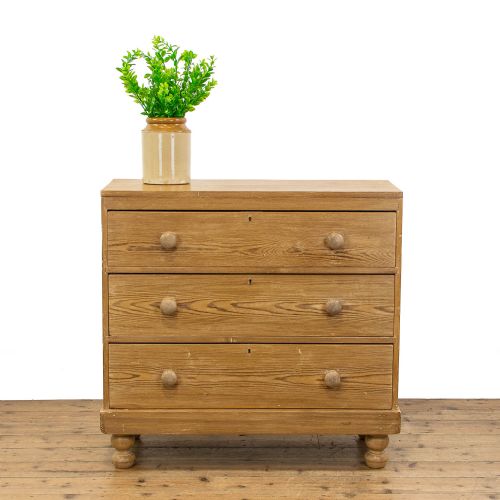
A turned foot pine chest provides practical domestic storage through standard drawer configurations like two short drawers over three long ones. These pieces emerge predominantly from the Victorian period, though Regency examples also appear.
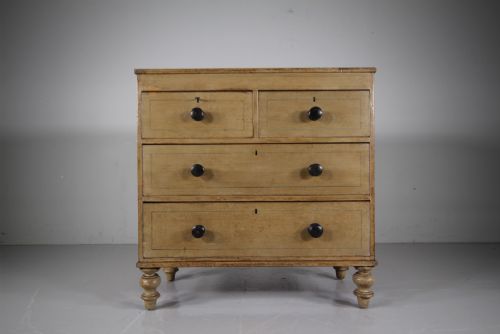
Makers constructed these chests from pine and painted timber, frequently pairing the carcase with matching turned wooden knobs and feet. The forms vary from straightforward timber finishes to surfaces retaining original paint.
Buyers selecting a turned foot pine chest encounter straightforward regional and domestic furniture designed for everyday utility. The evidence shows these items function primarily as chests of drawers and occasionally as cupboards.
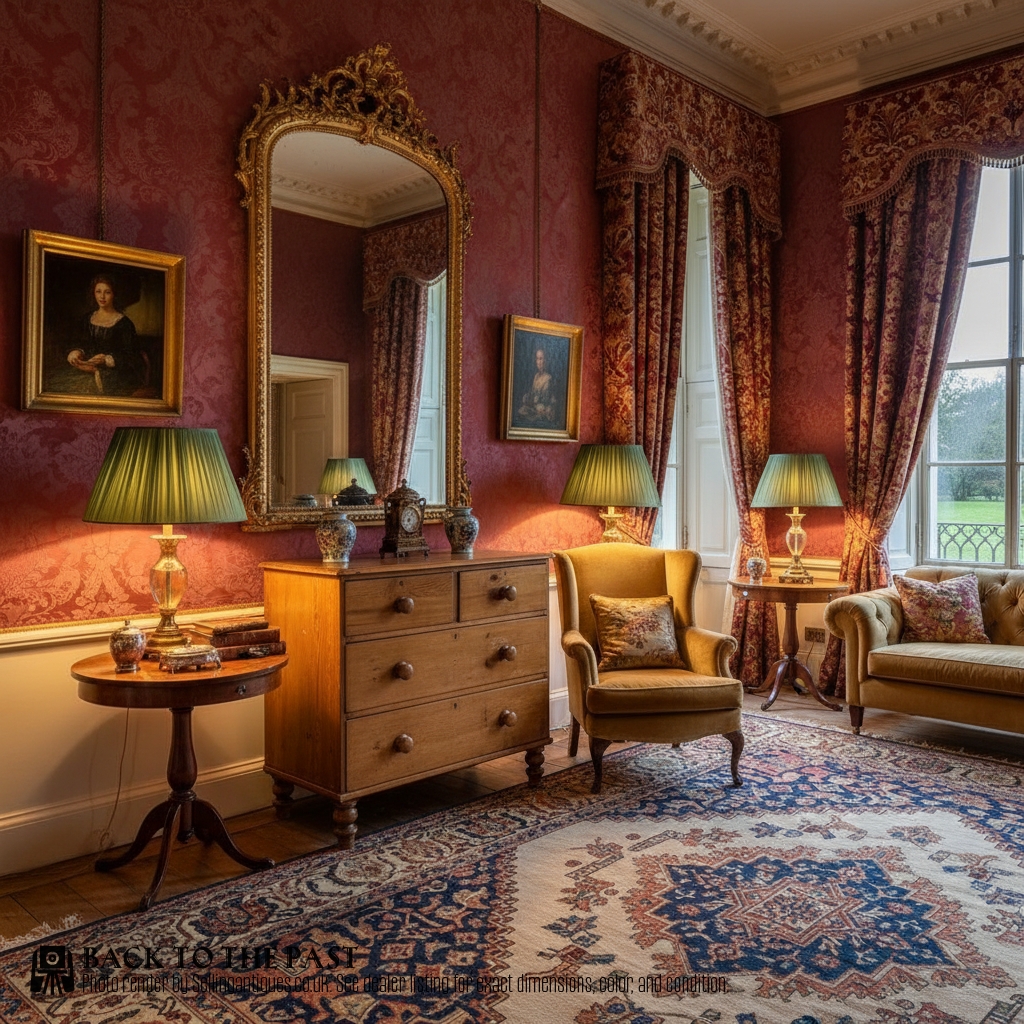
How they were made
Cabinet makers utilised solid pine and painted timber to build the carcases, joining the structural boards with traditional woodworking techniques suited to domestic furniture. They turned timber on lathes to produce the characteristic feet and matching drawer knobs.
Makers applied surface treatments ranging from simple transparent finishes to original paint layers that survive today. Metal hardware such as brass and iron components occasionally appeared on the pieces alongside wooden elements.
Turned Foot Pine Chest Retail Price Guide 2026
Typical asking prices for turned foot pine chest among the pieces listed under this phrase on Sellingantiques today, from the lower quarter to the upper quarter. They describe what is for sale here now, not the wider market.
Victorian cabinet makers frequently turned matching wooden knobs on a lathe to ensure every drawer had its own identical twin.
What varies in quality
The distinction between ordinary and superior pieces rests largely on the survival of original decorative surfaces and matching components. Chests retaining their original paint and original turned knobs hold greater interest for collectors than altered examples.
Construction choices also define quality, particularly the selection of well-seasoned pine and the skill involved in turning the feet and knobs. Pieces that maintain their structural integrity alongside untouched period finishes represent the stronger end of the range.
The Turned Foot Pine Chest Glossary
- Pine
- A softwood commonly used for domestic furniture carcases and drawer construction throughout the nineteenth century. It accepts paint readily and provides a stable surface.
- Turned feet
- Feet shaped on a lathe to create rounded, cylindrical, or bulbous profiles that lift the chest off the floor. They form a key visual feature of these pieces.
- Original paint
- Surface coatings applied during the period of manufacture that have survived without later stripping or overpainting. This characteristic heavily influences the character of painted timber items.
- Regency
- An architectural and design period spanning the early nineteenth century, preceding the Victorian era. Pieces from this time display specific classical proportions.
Turned Foot Pine Chest: Frequently Asked Questions
Where did people use these chests?
These chests served primarily as bedroom furniture for storing garments and linens. Their practical drawer arrangements made them essential household items in nineteenth-century domestic settings.
Today, owners continue to place them in bedrooms, hallways, and living spaces where surface area and drawer storage are required.
How do I spot original paint?
Original paint exhibits natural wear patterns, mellowed tones, and surface textures consistent with age and use. It adheres closely to the pine substrate without modern chemical undertones.
Examining the edges and recesses helps reveal whether the surface coating dates back to the nineteenth-century manufacture.
What drawer layouts are common?
The most frequent configuration involves two smaller drawers positioned above three longer drawers, often referred to as a two over three layout. This arrangement provides varied compartment sizes for different types of clothing.
Other examples present simpler configurations or appear as cupboards rather than standard drawer chests.
How do I care for antique pine?
Antique pine benefits from stable indoor humidity and protection from direct sunlight to prevent the timber from drying out or splitting. Dusting with a dry cloth keeps the surface clean without introducing moisture.
Avoid harsh modern cleaning chemicals, particularly on pieces that retain original paint finishes.