

Turn of the Century Furniture
Turn of the century furniture encompasses practical household pieces from transitional eras, offering solid timbers and traditional joinery for daily use.
Turn of the Century Furniture
Turn of the century furniture covers functional domestic items spanning multiple historical periods, uniting pieces created around the eighteen-hundreds and nineteen-hundreds. Buyers searching this phrase encounter practical household furnishings designed for everyday utility across various traditional rooms.
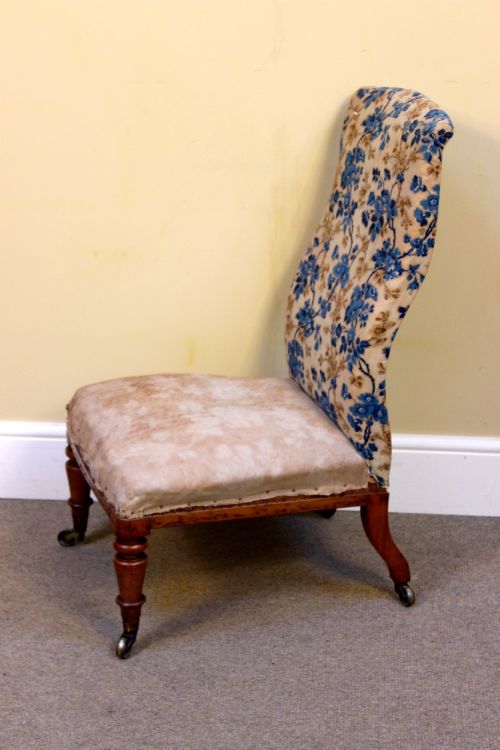
The assortment draws heavily from Victorian and Edwardian eras, alongside earlier styles represented in the listings. These domestic pieces reflect the prevailing domestic requirements of their respective decades.
Materials and construction methods
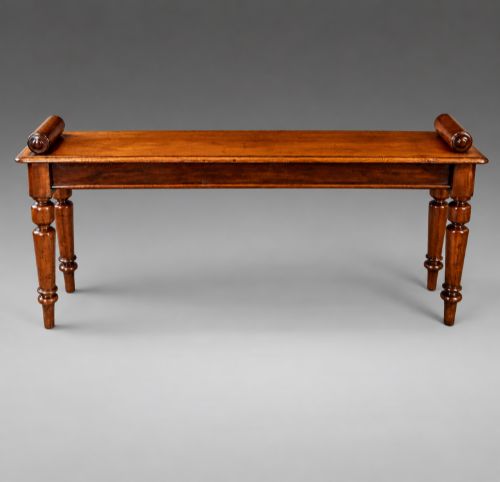
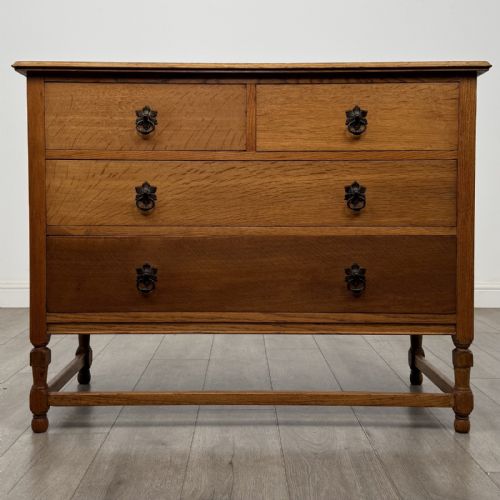
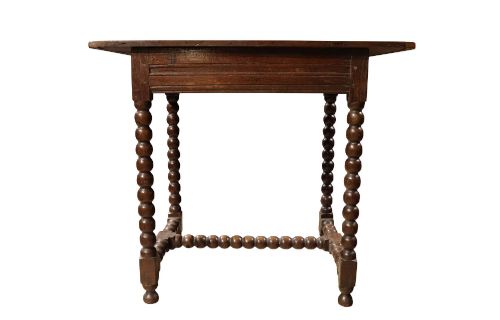
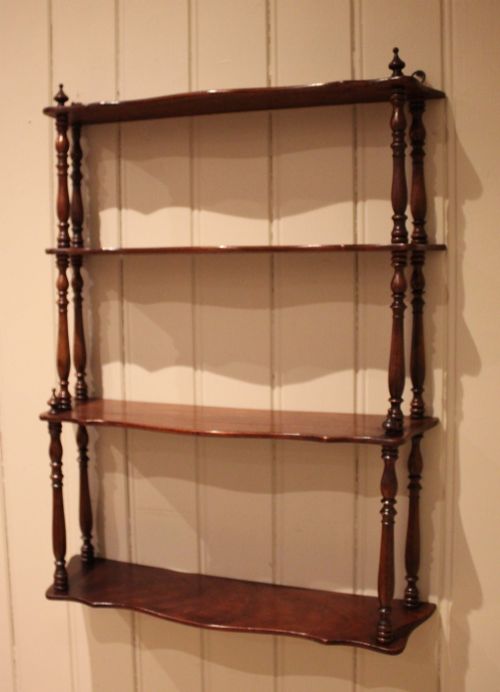
Cabinet makers utilised dense hardwoods including mahogany, oak, walnut, and satinwood to build durable carcasses and frames. Turnings, bobbin details, and joinery methods such as mortise and tenon provided structural stability.
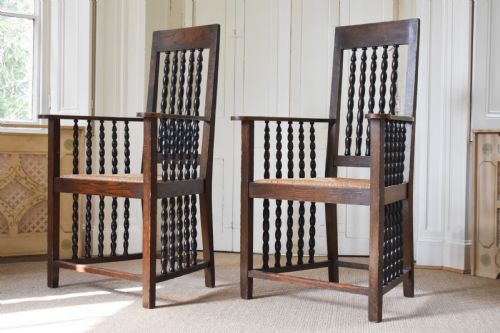
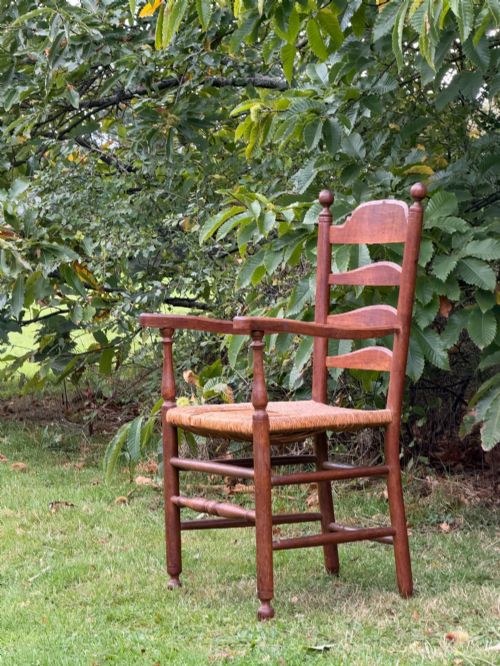
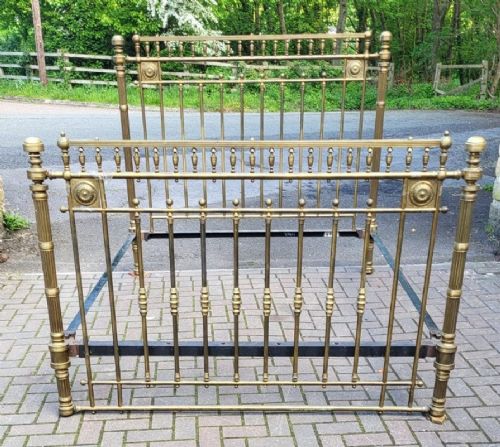
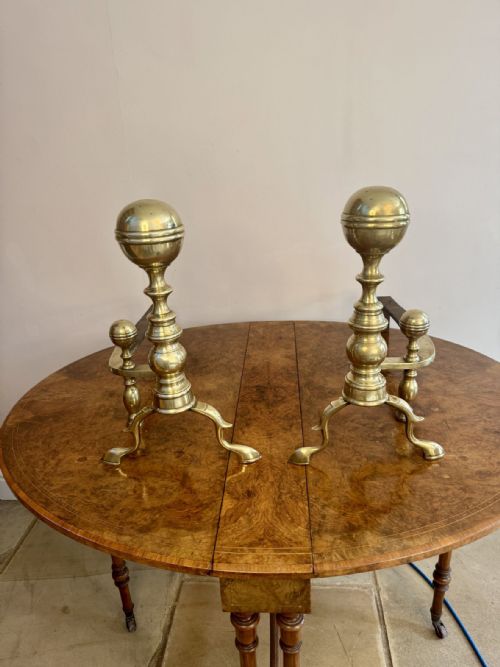
Metal components like brass handles, bedsteads, and fire dogs were integrated into utilitarian and decorative objects. Rush seating was woven into chair frames, while marble tops were fitted to washstands.
Turn of the Century Furniture Retail Price Guide 2026
Typical asking prices for turn of the century furniture among the pieces listed under this phrase on Sellingantiques today, from the lower quarter to the upper quarter. They describe what is for sale here now, not the wider market.
Listings feature oak, mahogany, walnut, and iron across multiple centuries, including seventeenth-century joint stools and twentieth-century armchairs.
Distinctions in quality and execution
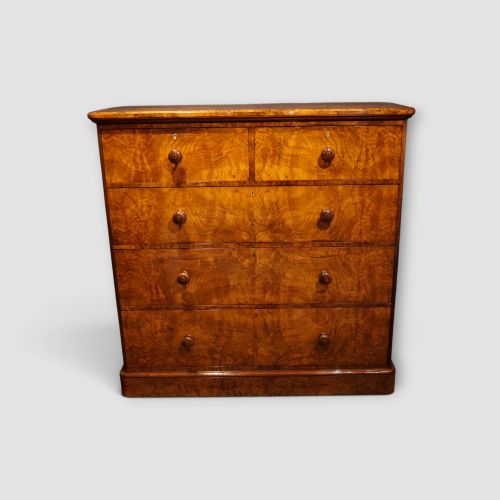
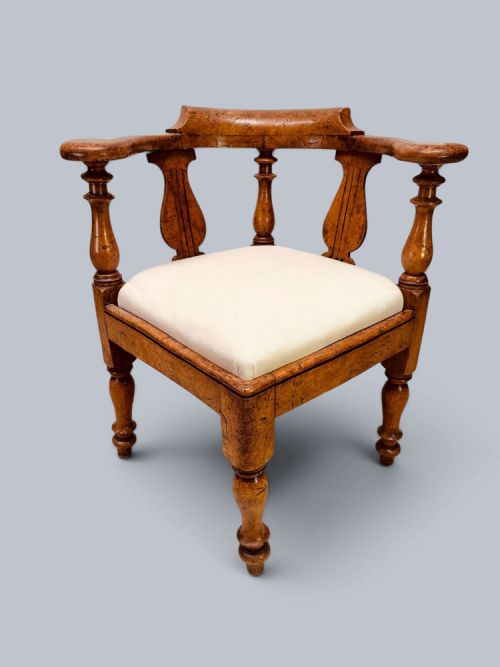
Quality rests in the selection of timber, such as burr walnut, burr elm, or Cuban mahogany, and the precision of the cabinet work. Faded patinas on wood surfaces indicate natural ageing and historical care.
Refinement shows in the execution of turned supports, inlaid brass details, and original hardware. Pieces bearing maker stamps or attributed workshops demonstrate higher levels of craftsmanship.
Heinrich Vogeler·Edwards & Roberts·Guillows
The Turn of the Century Furniture Glossary
- Joint stool
- A low wooden stool constructed with pegged mortise and tenon joints, common in seventeenth-century households. These sturdy items functioned as seating or portable surfaces.
- Military chest
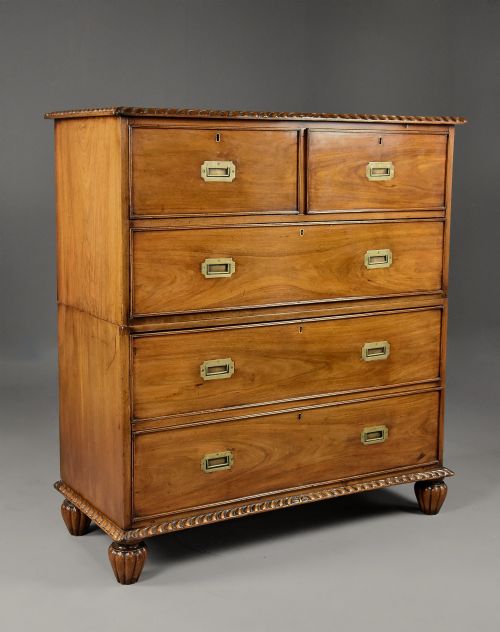
- A sectional chest of drawers designed for transport by officers, typically fitted with recessed brass handles and brass corner brackets. They divide into separate stacking sections for travel.
- Canterbury
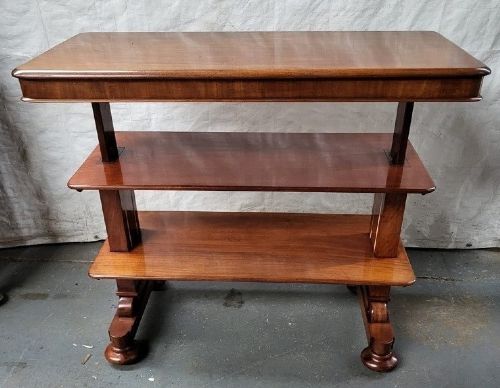
- A low stand fitted with partitions to hold sheet music, books, or papers, often mounted on castors. Originating in the eighteenth century, they remained popular through the Victorian period.
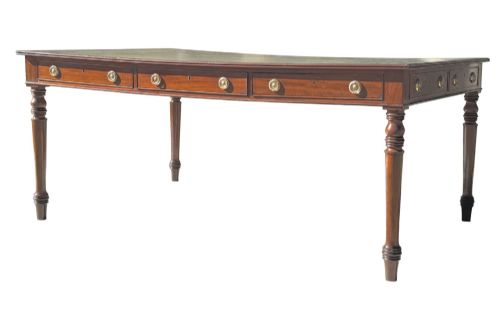
- Partners writing table
- A large desk designed with drawers on opposite sides to accommodate two users simultaneously. They appeared frequently in institutional and domestic libraries.
- Bobbin-turned
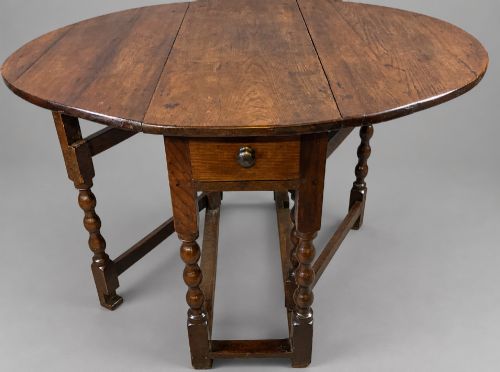
- A style of furniture leg or stretcher shaped on a lathe to resemble a string of beads or bobbins. This decorative turning method appeared on seventeenth-century oak tables and later revival pieces.
Turn of the Century Furniture: Frequently Asked Questions
What woods were used?
Makers utilised native and imported timbers, predominantly oak, mahogany, walnut, and satinwood. Burr variations and exotic woods like padouk and teak also appear.
Secondary woods like pine were often used for internal drawer linings and structural framing.
How do I identify periods?
Periods are identified through construction techniques, timber choices, and stylistic ornamentation. Seventeenth-century items typically feature heavy oak and joined construction.
Later nineteenth- and twentieth-century examples display refined veneers, machine-sawn components, and stylistic revivals.
Where were they placed?
These furnishings served specific functional roles throughout the home, from hallways and bedrooms to dining rooms and libraries. Items ranged from washstands and bedside tables to joint stools and dining tables.
Many pieces were designed for compact or multi-purpose use in domestic spaces.
Are pieces modified?
Some items undergo structural repairs or surface refinishing over centuries of use. Hardware replacements and restored finishes are common across antique domestic furniture.
Original elements like turned handles and brass inlays provide indicators of primary condition.