



Turn of Century Sculpture
Turn of century sculpture brings together the flowing lines of Art Nouveau and the academic realism of the late Victorian era.
Turn of Century Sculpture
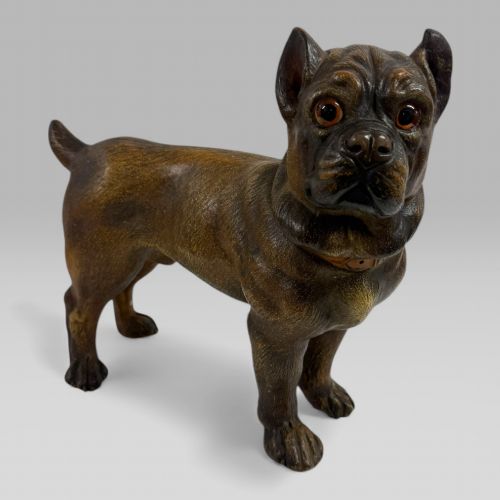
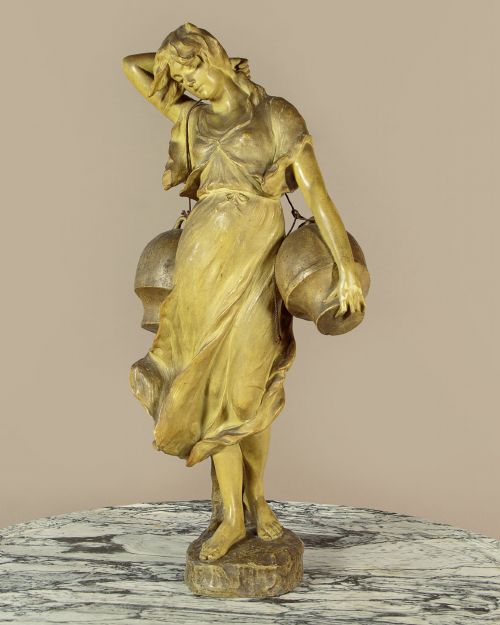
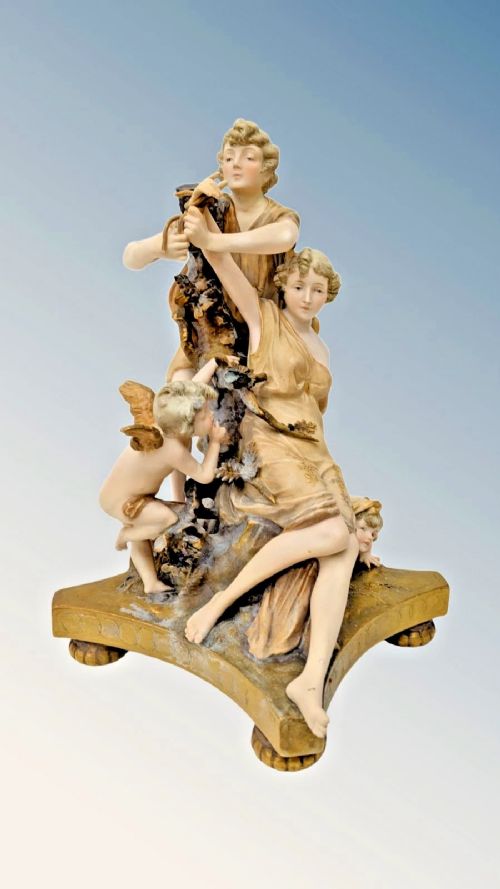
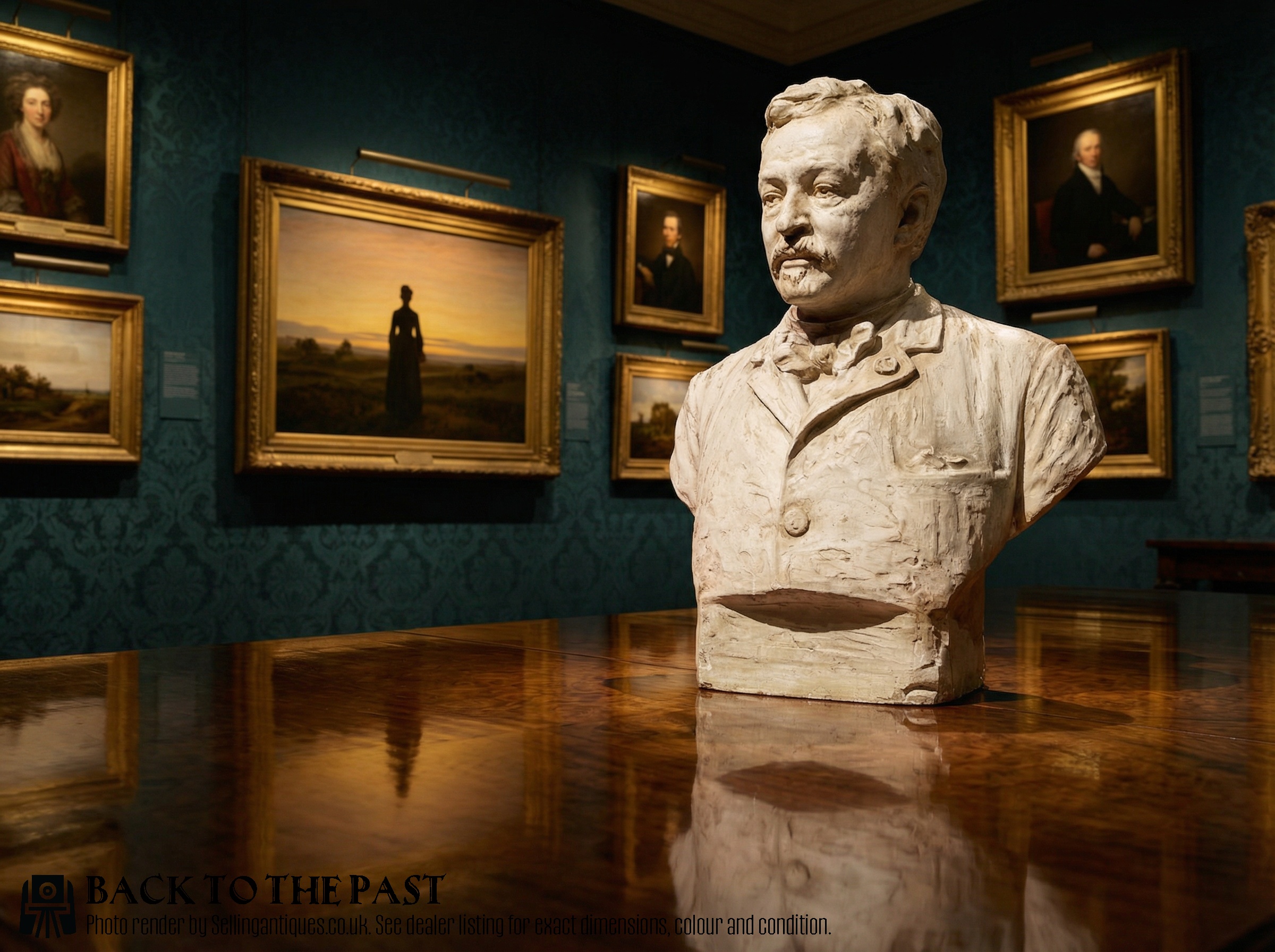
Turn of century sculpture captures a fascinating period of stylistic transition between the late nineteenth century and the early decades of the twentieth century. When exploring this phrase, buyers encounter a diverse range of objects spanning classical busts, animalier studies, and decorative figures.
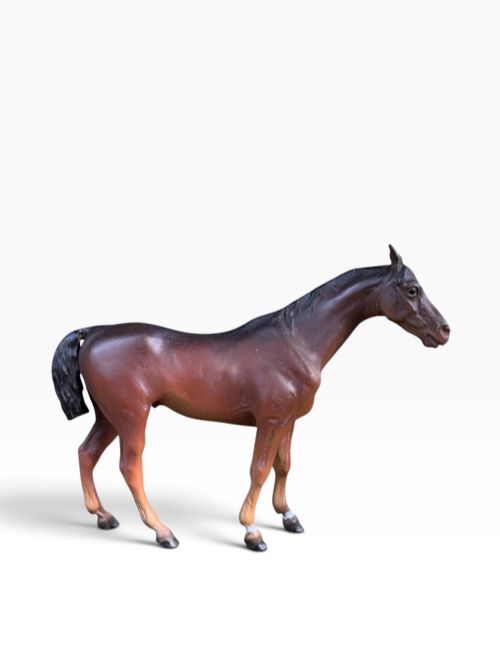
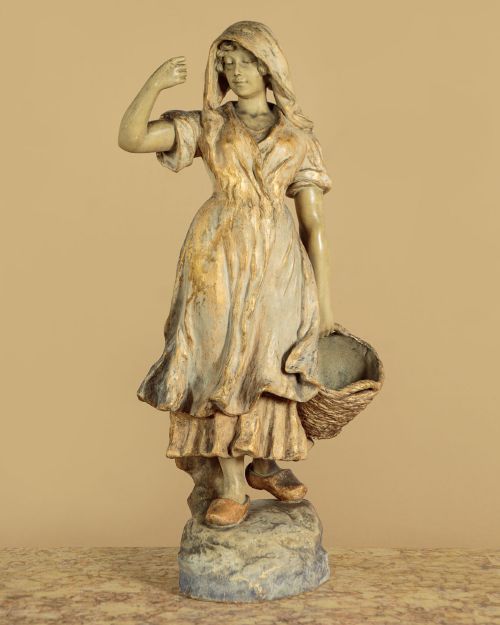
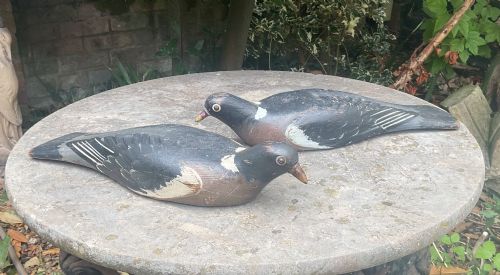
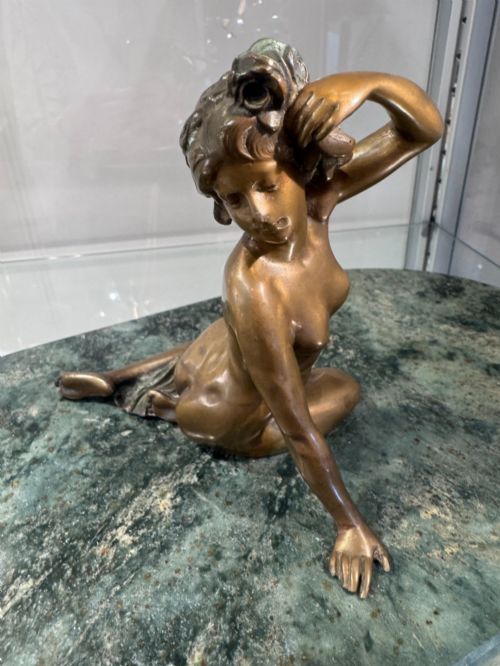
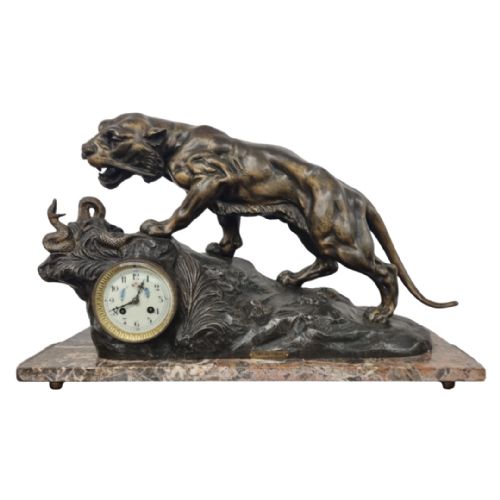
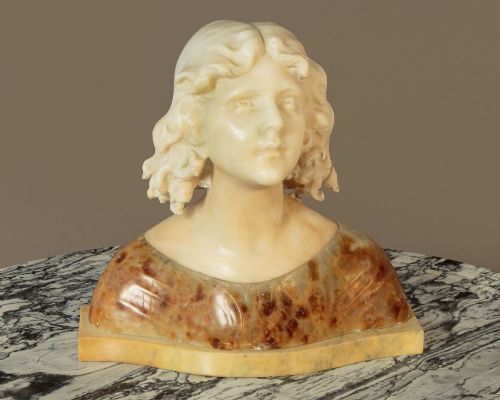
The pieces appearing on this page originate predominantly from the years surrounding nineteen hundred, drawing on Victorian, Edwardian, and Neoclassical traditions. Forms include terracotta figures, carved alabaster busts, bronze nudes, and functional items such as bookends and mantel clocks.
European workshops and foundries from Austria, France, and Britain dominate the selection, often reflecting the sinuous organic motifs of Art Nouveau or the robust naturalism of French Animalier sculpture.
Materials and Methods
Makers utilised a wide array of media, pairing cast bronze and spelter with carved alabaster, marble, and terracotta. Metal components typically underwent lost-wax casting or metal plating, while earthenwares and terracottas received hand-painted or glazed surface treatments.
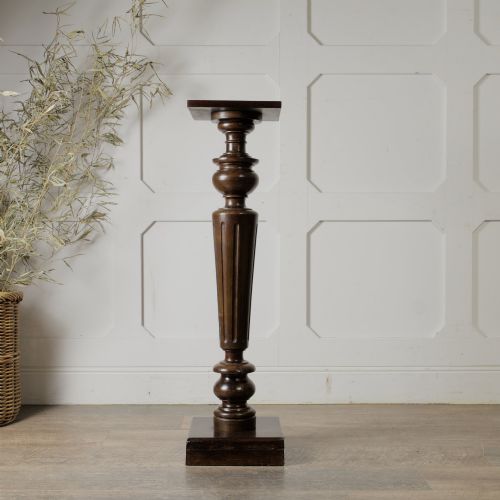
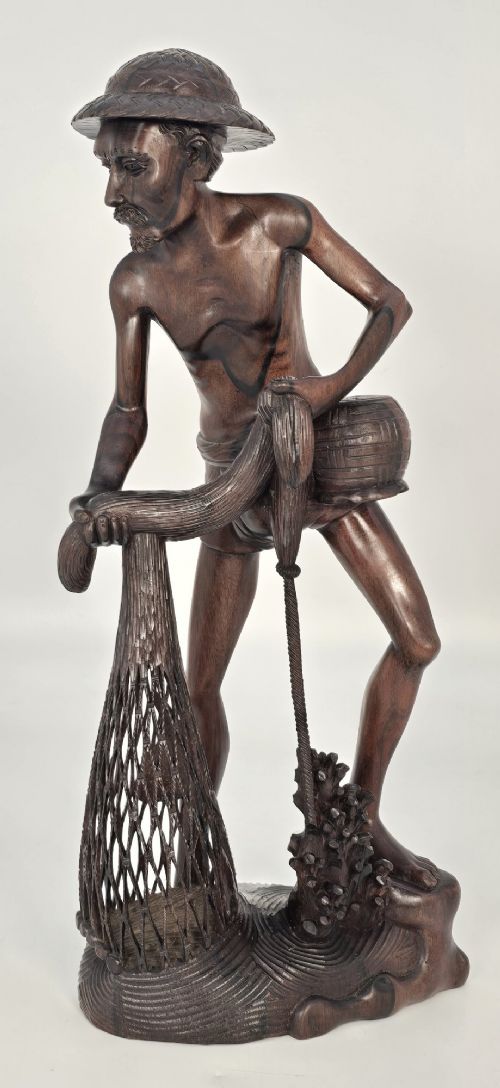
Soft stones like alabaster allowed artisans to carve delicate drapery and facial expressions with high precision, frequently mounted onto contrasting marble or wooden bases. Wood carving and turned mahogany also served for both independent sculptural works and display pedestals.
Turn of Century Sculpture Retail Price Guide 2026
Typical asking prices for turn of century sculpture among the pieces listed under this phrase on Sellingantiques today, from the lower quarter to the upper quarter. They describe what is for sale here now, not the wider market.
Among the bronze dogs and marble nymphs, a coppered baby shoe from nineteen hundred takes its place as permanent sculpture.
Assessing Quality
The relationship between the figure and its base, whether a carved plinth or a multi-media mount, distinguishes standard decorative output from works by accomplished European modellers and foundries.
Goldscheider·Franz Bergman·Ernst Wahliss·Carl Kauba·Bernard Bloch
The Turn of Century Sculpture Glossary
- Art Nouveau
- A decorative style characterised by fluid, organic lines and floral motifs that dominated design around nineteen hundred.
- Alabaster
- A fine-grained, translucent stone favoured for portrait busts and sculptural figures due to its soft texture.
- Animalier
- A nineteenth-century artistic genre focusing on the realistic depiction of animals, particularly dogs and wildlife.
- Terracotta
- A porous fired clay used extensively for sculptural figures, often finished with polychrome paint or patination.
- Spelter
- A zinc alloy commonly utilised as an economical alternative to bronze for figural sculptures and decorative metalwork.
Turn of Century Sculpture: Frequently Asked Questions
What defines turn of century sculpture?
These works reflect the artistic shift around nineteen hundred, blending late Victorian academic traditions with the burgeoning organic curves of Art Nouveau.
They encompass diverse media, from cast bronze and terracotta to carved alabaster, capturing human figures, animals, and decorative objects.
How do I display alabaster pieces?
Alabaster sculptures require stable indoor environments away from direct sunlight and excessive moisture to preserve their translucent surface and delicate carved details.
Positioning them on solid mahogany plinths or stable mantelpieces ensures safe elevation and proper visual balance.
What is the difference between bronze and spelter?
Bronze is a durable copper alloy capable of holding fine casting details and developing a rich natural patina over time. Spelter is a softer, zinc-based metal frequently utilised for European decorative figures and lamps during the early twentieth century.
Are these sculptures signed by artists?
Many pieces bear foundry marks, cipher stamps, or incised signatures from prominent European workshops and individual modellers active around nineteen hundred.
Catalogues and listings often attribute unsigned works based on stylistic similarities, material composition, and manufacturing techniques.