





Turkmen Carpet Bag
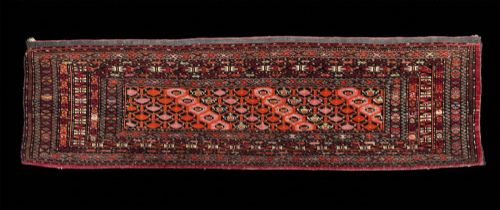
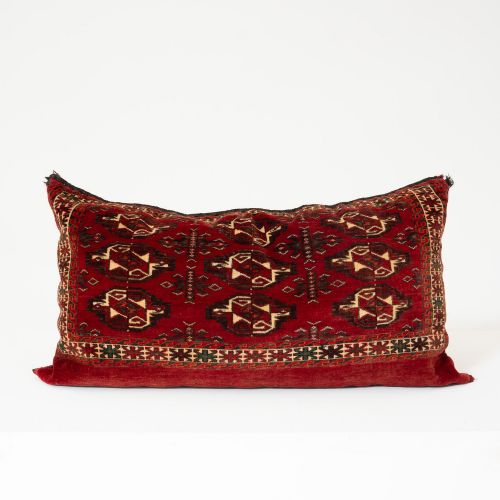
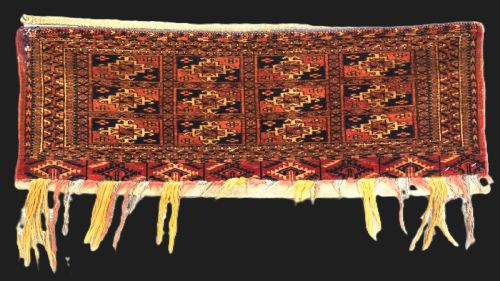
These woven Turkmen carpet bag examples are historic Central Asian tribal textiles created for nomadic life and household storage.
Turkmen Carpet Bag
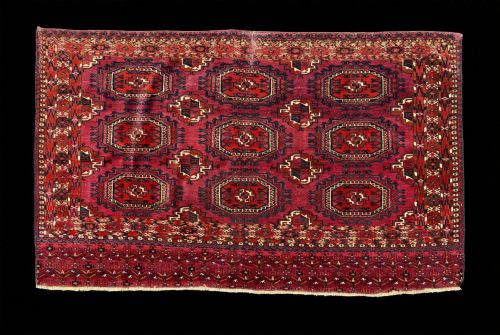
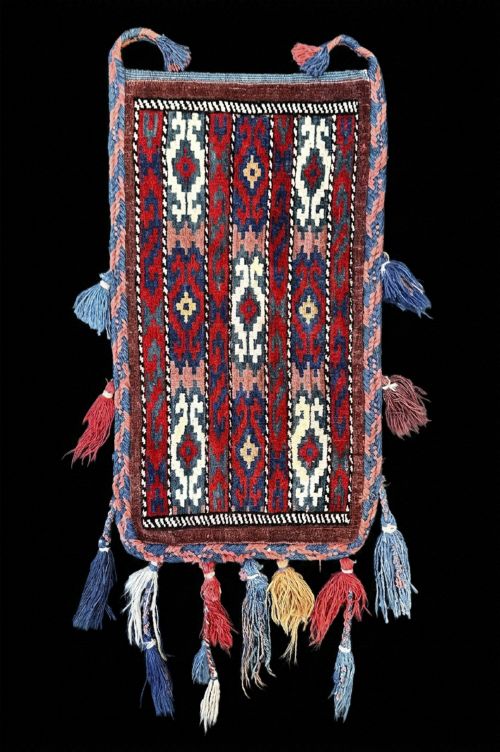
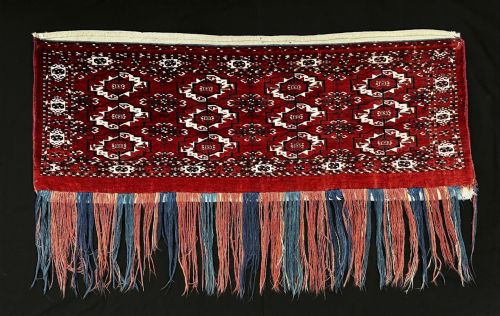
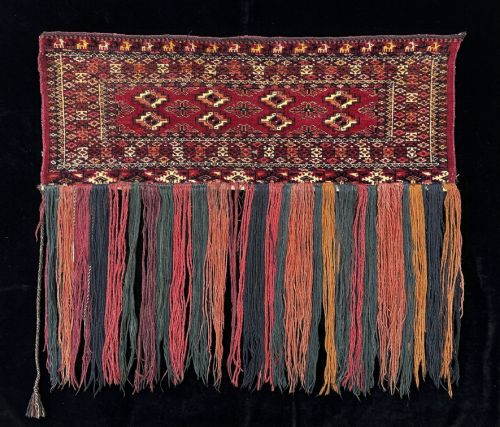
A turkmen carpet bag represents utilitarian nomadic weaving produced across Central Asian steppes and oases, most frequently encountered as torba, chuval, or kap storage sacks dating from the mid-nineteenth century to the early twentieth century.
The material record on this page centres on tribal weavings attributed to Tekke, Yomut, Ersari, and Saryk groups, reflecting specific regional traditions from regions such as the Merv and Akhal oases.
These pieces survive either as complete bags with plain weave backs or as cut bagfaces, originally utilised inside nomadic tents for bedding, clothing, and domestic storage.
How they were made
Weavers constructed these textiles primarily using hand-spun wool and cotton foundations dyed with natural colourants, occasionally incorporating silk highlights.
The structure relies on dense pile knotting paired with flatwoven borders and plain weave backs, yielding durable structures designed to withstand heavy domestic use.
Turkmen Carpet Bag Retail Price Guide 2026
Typical asking prices for turkmen carpet bag among the pieces listed under this phrase on Sellingantiques today, from the lower quarter to the upper quarter. They describe what is for sale here now, not the wider market.
The listings span from the mid-nineteenth century through the early twentieth century, incorporating wool, cotton, linen, silk, and natural dyes.
What varies in quality
Quality rests upon knot density, the precision of drawing within the principal gul motifs, and the depth achieved by natural dyes.
Pieces featuring complete backs, scarce structural designs, and exceptionally fine weaves command greater attention from collectors than standard fragmentary examples.
The Turkmen Carpet Bag Glossary
- Torba
- A small horizontal wall bag or storage sack produced by Central Asian tribes. These pieces typically measure wider than they are tall.
- Chuval
- A large tent storage bag traditionally used by Turkmen nomads for bedding and bulky household goods. They often feature multiple rows of primary motifs.
- Gul
- A repeating medallion or principal design motif characteristic of Turkmen carpets and bags. Each tribal group utilised distinct forms.
- Kap
- A general term for a Turkmen bag or sack used in nomadic households. They were woven flat or piled depending on their intended function.
Turkmen Carpet Bag: Frequently Asked Questions
What is a turkmen carpet bag used for?
Nomadic families utilised these woven bags inside yurts for storing household provisions, clothing, and bedding. They hung against lattice walls or served as floor storage containers.
Over time, many of these utilitarian containers were separated from their plain weave backs, leaving decorative bagfaces that now function as wall hangings or collector textiles.
How do you identify a Tekke piece?
Tekke tribal weavings typically display precise rows of octagonal guls, often executed in a fine weave with deep madder red tones. They frequently incorporate secondary motifs such as the curled leaf design.
These characteristics separate Tekke work from the bolder, octagonal or diamond-lattice patterns commonly found in Yomut or Ersari tribal production.
What are natural dyes on these bags?
Dyers extracted colours from regional plants and minerals, creating rich reds from madder root alongside contrasting tones of indigo, ivory, and dark brown. These organic agents produce subtle tonal variations across the pile.
Such variation gives antique tribal surfaces a characteristic depth that synthetic colourants do not replicate.
Are these pieces complete bags?
The selection includes both complete examples retaining their original plain weave backs and individual bagfaces that have been separated from their reverse sides. Complete structures offer a glimpse of the original container form.
Fragments and bagfaces remain common because the decorated fronts endured long after the utility backs wore away.