




Tripod Base Candle Stand
A tripod base candle stand brings practical candle lighting and slender elegance to a room.
Tripod Base Candle Stand
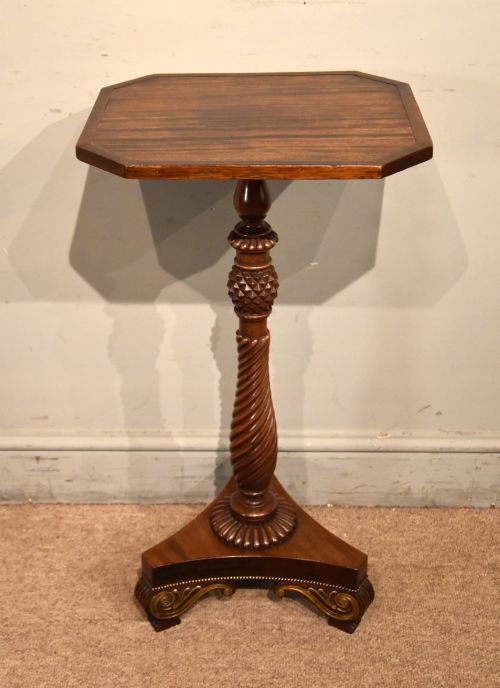
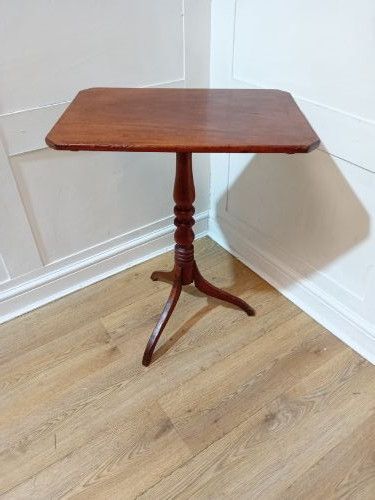
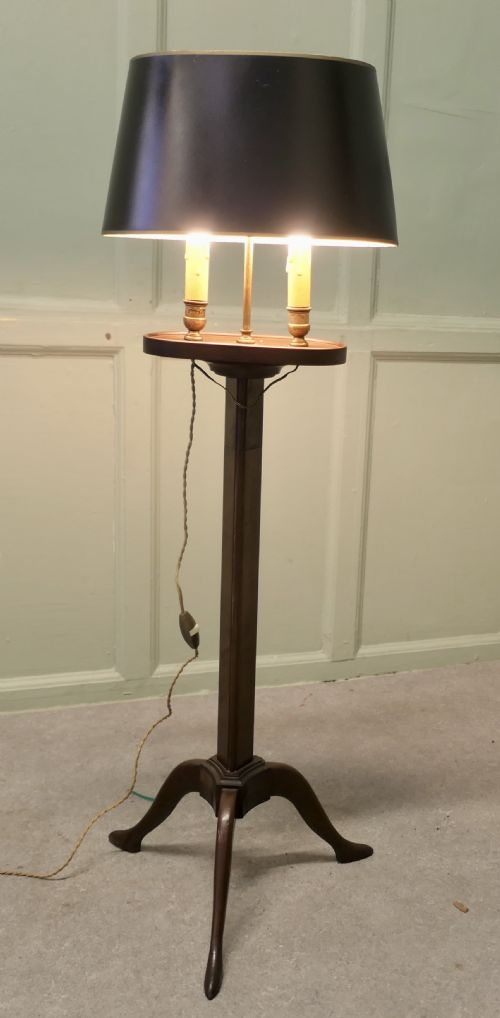
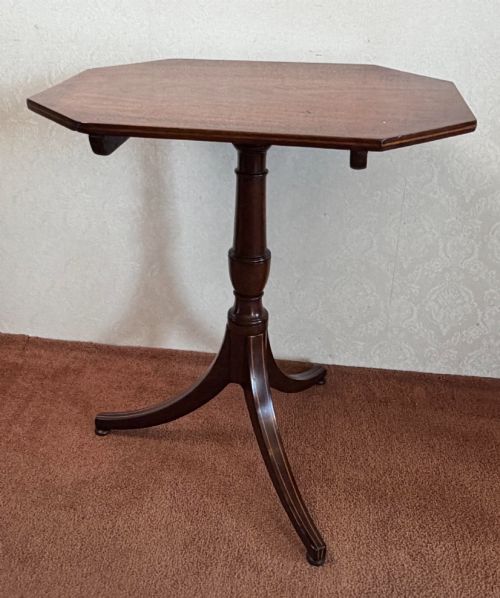
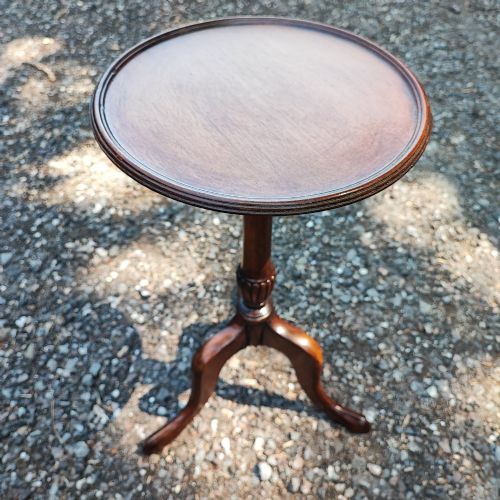
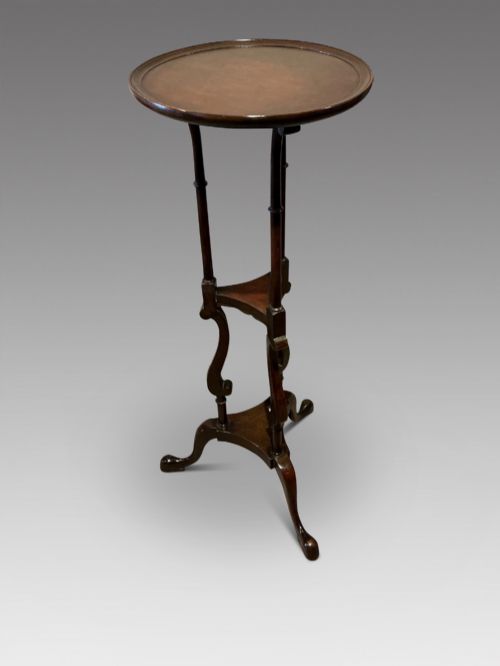
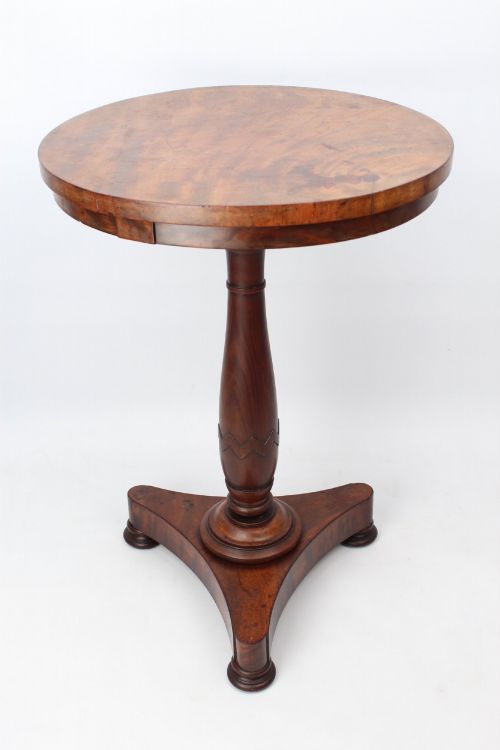
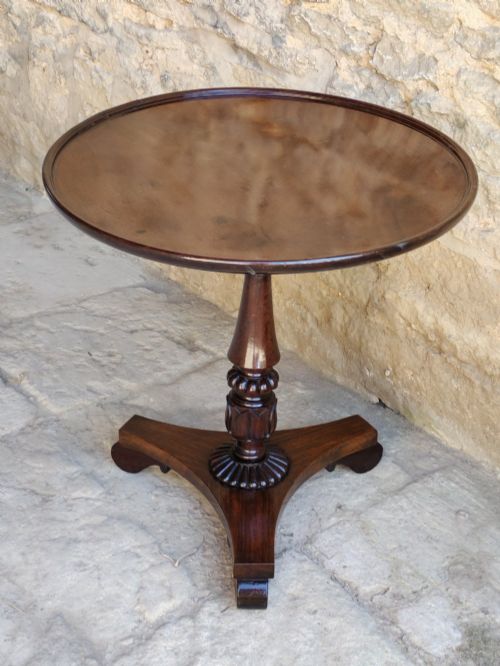
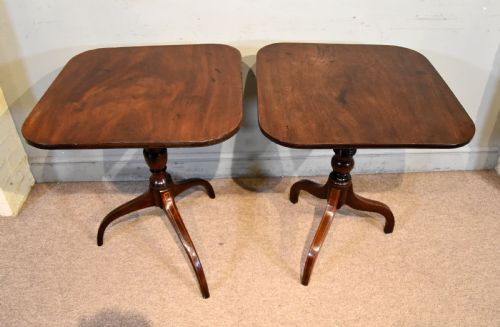
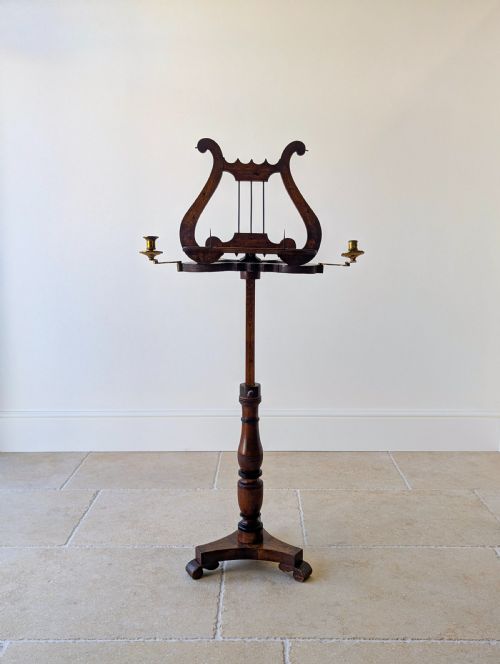
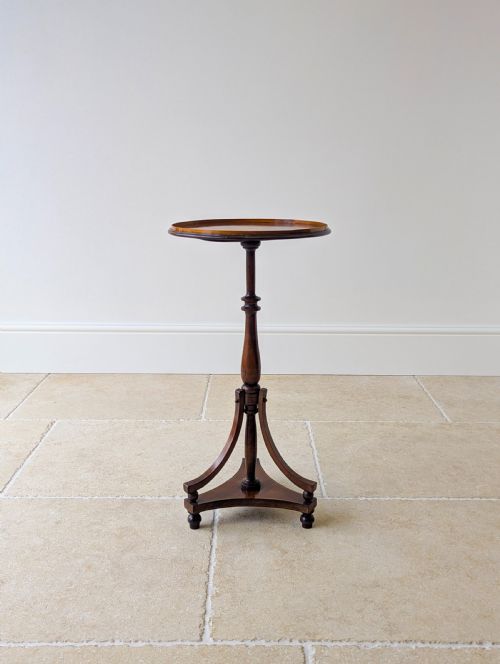
A tripod base candle stand is a compact table or floor-standing support designed to hold a light source or display small items. When you search for a tripod base candle stand, you encounter pieces spanning the eighteenth, nineteenth and early twentieth centuries. These take the form of wine tables, torcheres, music stands and occasional tables supported on three-legged pedestals.
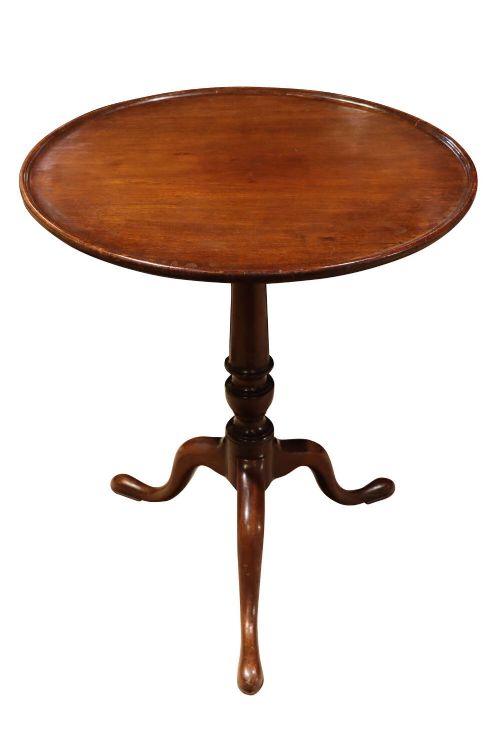
The pieces appearing in these listings represent styles from Regency, Victorian, Edwardian and Georgian periods. Mahogany remains the most common timber, often accompanied by rosewood, oak and elm. Many examples feature circular or octagonal tops, sometimes with dished edges or tilting mechanisms for convenience.
How They Were Made
Cabinetmakers constructed these stands using solid timbers and veneers such as flame mahogany, satin-birch and thuyawood. Turning and carving shaped the central pillars and three-legged bases, while boxwood inlay and gold leaf provided decorative contrast on select tops and legs.
Metal components involved cast brass, wrought iron and gilt bronze, particularly on candlesticks, prickets and adjustable lamp stands. Joinery methods included tightly fitted pillar-to-base attachments and tilting mechanisms designed to pivot smoothly.
Listings feature mahogany, rosewood, oak, elm, brass and wrought iron across nineteenth-century and Edwardian periods.
What Varies in Quality
Quality rests in the crispness of the carved details and the choice of timber figure, such as richly grained flame mahogany or figured rosewood. Refined cabinetwork shows in the precision of boxwood inlay and the stable fit of the tripod legs into the central shaft.
Subtlety of proportion dictates the visual success of the piece, separating standard utilitarian stands from finer specimens adorned with marble inserts or gilt brass mounts. The integrity of the original tilting mechanism or adjustable screw further distinguishes better examples.
Gillows·Holland and Sons
The Tripod Base Candle Stand Glossary
- Torchere
- A tall stand designed to support a candle or lamp. These slender supports often feature carved wooden shafts and tripod bases.
- Tilt-top
- A table top attached to a mechanism that allows it to pivot vertically when not in use. This design saved space in period rooms.
- Pricket
- A candlestick featuring a central spike that pushes into the base of a candle to hold it upright. These appear on heavy metal altar sticks and stands.
- Flame mahogany
- A veneer cut from the fork of a mahogany tree where the grain swirls in a flame-like pattern. Cabinetmakers used this figure on prominent table tops.
- Occasional table
- A small, movable table used for various domestic purposes. They appear frequently in nineteenth-century interiors.
Tripod Base Candle Stand: Frequently Asked Questions
What is a tripod base candle stand used for?
These versatile stands served primarily to elevate candles, lamps or small decorative items near seating areas. Their compact three-legged footprint allowed them to fit into tight corners and beside chairs.
Today, they function effectively as small side tables or plant stands in traditional and modern interiors alike.
How do I identify a Regency period stand?
Regency pieces often display classical motifs, dark rosewood or mahogany timbers, and sometimes brass inlay or gilt bronze mounts. The proportions tend to reflect Greco-Roman design influences popular in the early nineteenth century.
Looking beneath the top can reveal construction methods and wood ageing consistent with the period between eighteen hundred and eighteen thirty.
What does tilt-top mean on these tables?
A tilt-top mechanism includes a catch or block under the surface that lets the wooden top pivot ninety degrees. This allowed the stand to be stored flat against a wall when not holding a candle or glass.
Checking the pivot block ensures the hinge mechanism operates smoothly without excessive wobble in the tabletop.
Are all these stands made of solid wood?
While many simpler tables utilise solid mahogany, oak or elm, finer examples employ veneers over a secondary wood base. Flame mahogany and satin-birch were typically applied as decorative veneers on table tops.
Examining the edges and underside helps reveal the underlying construction and timber choices of the maker.