


Tribal Wool Saddle Cover
A tribal wool saddle cover brings authentic nomadic texture and bold indigenous pattern directly into a modern room.
Tribal Wool Saddle Cover
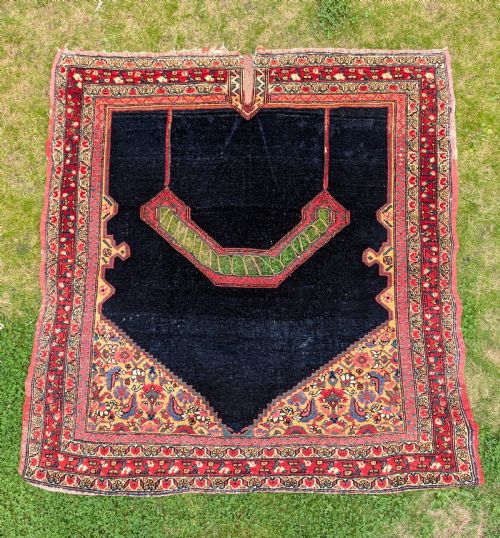
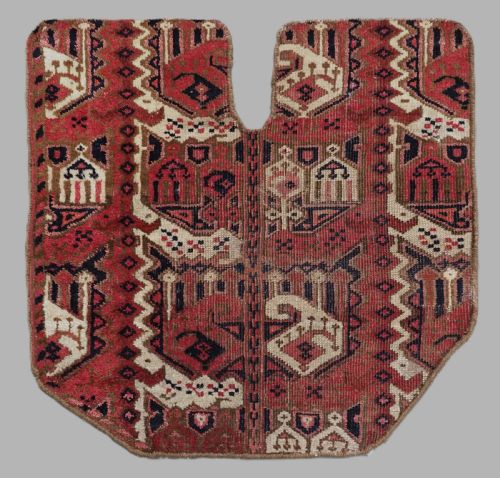
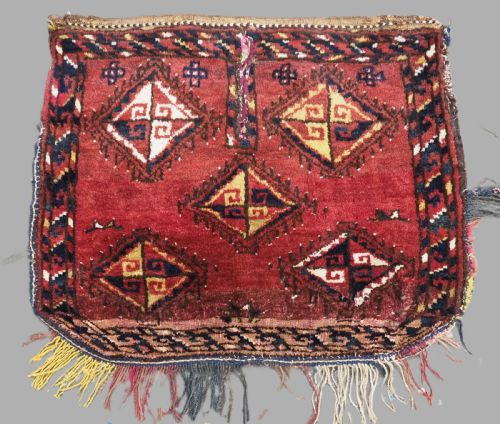
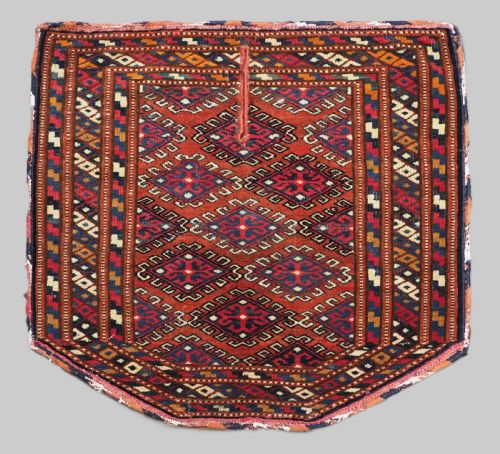
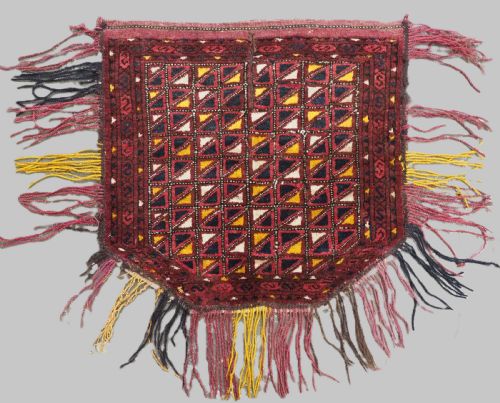
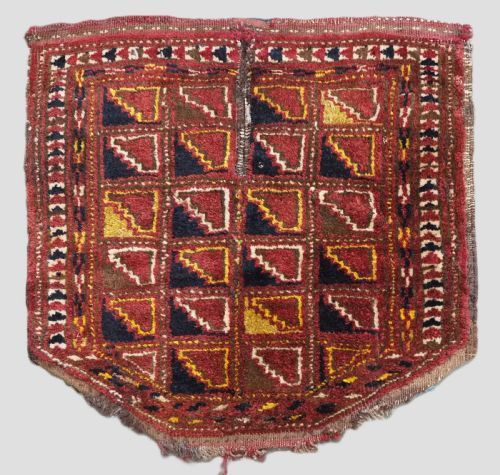
A tribal wool saddle cover represents utilitarian weaving adapted from nomadic life across Persia, Central Asia, Anatolia, and Tibet. These textiles served practical roles on horseback before finding appreciation as decorative elements in interiors.
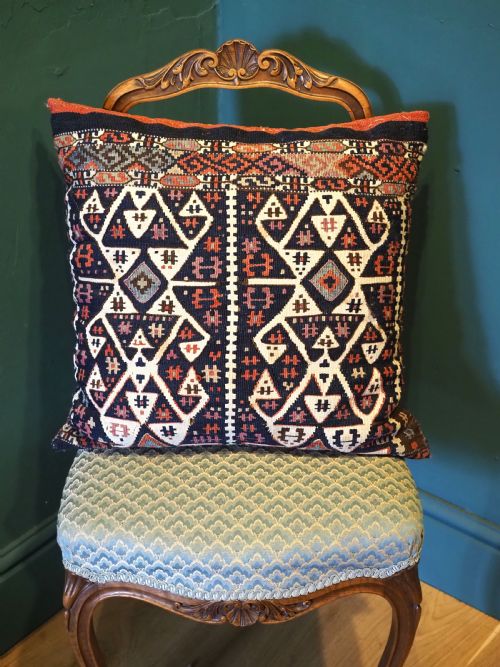
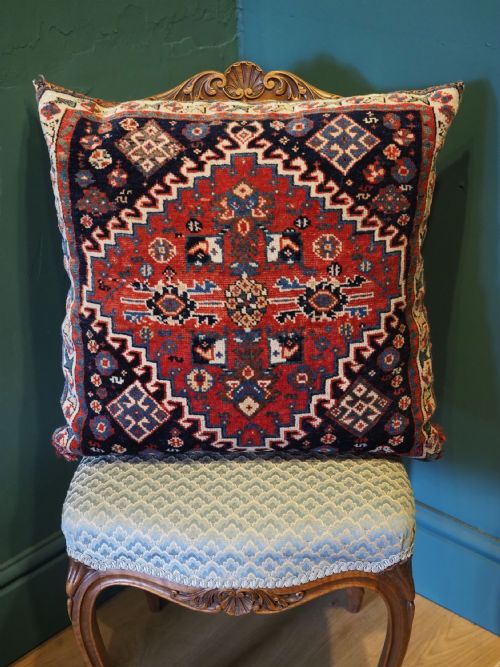
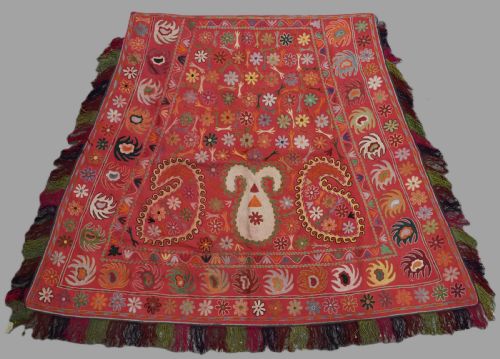
The pieces on this page span from the nineteenth century into the early twentieth century, taking the form of saddle rugs, bag faces, and complete horse covers. Common regional groups include Turkmen, Qashqai, Uzbek, and Afshar weavers.
Many examples arrive with original backs, tassels, or kilim structures intact, reflecting their authentic working origins. Buyers encounter diverse formats, ranging from small square cushion conversions to elongated ceremonial panels.
Materials and Weaving
Weavers utilised hand-spun wool, cotton foundations, and natural dyes to construct these durable textiles. Lustrous wool provides the tactile warmth characteristic of genuine nomadic production.
Techniques combine pile weaving with flat-weave kilim structures and detailed embroidery, depending on the tribal group. Silk and leather occasionally appear as accent materials on specific ceremonial pieces.
Evaluating Quality
Quality rests upon the integrity of the wool, the depth of natural dye colours, and the precision of the tribal design. Tightly spun fleece yields a luminous surface that ages with character.
The survival of original elements such as tassels, complete plain weave backs, and intact borders distinguishes standard utility items from exceptional surviving examples.
The Tribal Wool Saddle Cover Glossary
- Khorjin
- A traditional double-sided saddle bag used by nomads for transport and storage. These items often separate over time into individual bag faces.
- Kilim
- A flat-weave textile produced without a pile, commonly utilised for the backs and structural portions of saddle bags.
- Boteh
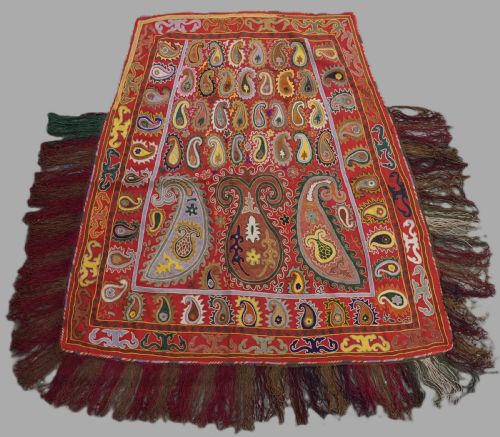
- A stylised almond or paisley motif frequently employed in Persian and tribal weaving. This pattern holds ancient symbolic roots in the region.
- Plain weave
- A simple weaving method where warp and weft threads cross alternately to create a flat, durable cloth. It typically forms the back panels of saddle bags.
Tribal Wool Saddle Cover: Frequently Asked Questions
How were tribal saddle covers used?
Nomadic tribes placed these wool textiles over pack animals or horses for daily transport and ceremonial processions. They functioned as durable gear before transitioning into decorative items.
Today, collectors repurpose them as wall hangings, small rugs, or distinctive cushion covers for interior styling.
How do I identify a Lakai piece?
Lakai saddle covers from Uzbekistan display distinctive silk embroidery applied to dark wool foundations. Their geometric motifs differ noticeably from standard pile-woven Persian rugs.
These ceremonial horse covers often incorporate vibrant contrasting colours that mark them out within Central Asian textiles.
What is a saddle bag face?
A saddle bag face is the decorated front panel of a paired nomadic storage bag. Over decades of use, the two sides frequently separate from their connecting bridge.
Collectors prize these individual panels as compact square or rectangular examples of tribal weaving art.
How should I care for wool textiles?
Protect antique wool from direct sunlight to preserve the stability of natural plant and insect dyes. Gentle vacuuming without a rotating brush removes embedded dust safely.
Professional textile conservators should handle any necessary cleaning to prevent damage to fragile hand-spun fibres.