







Tribal Weaving Fragment
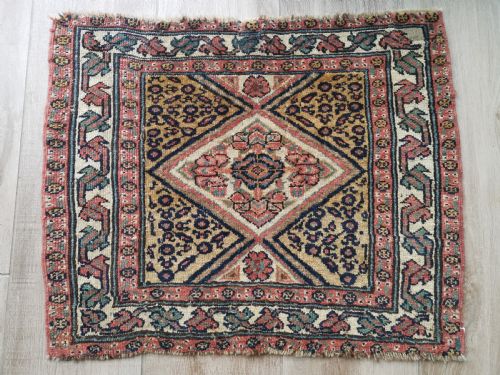
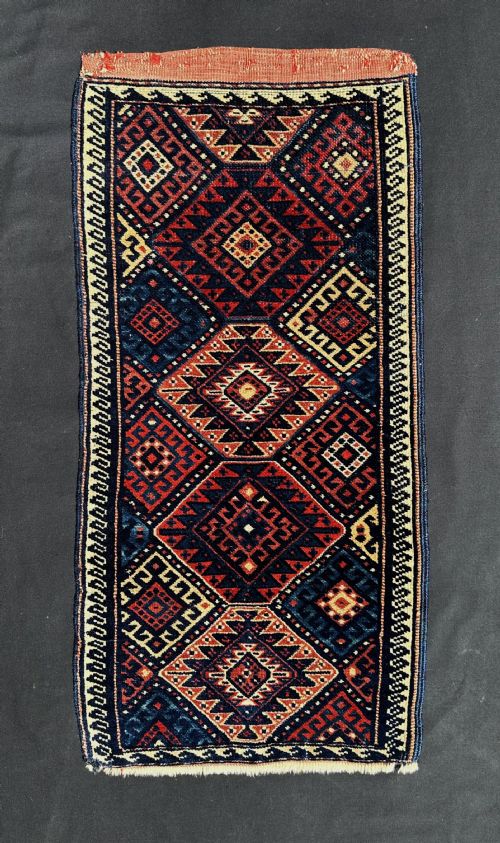
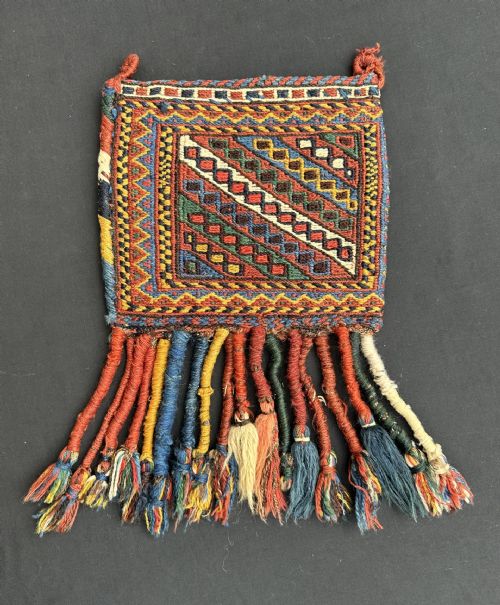
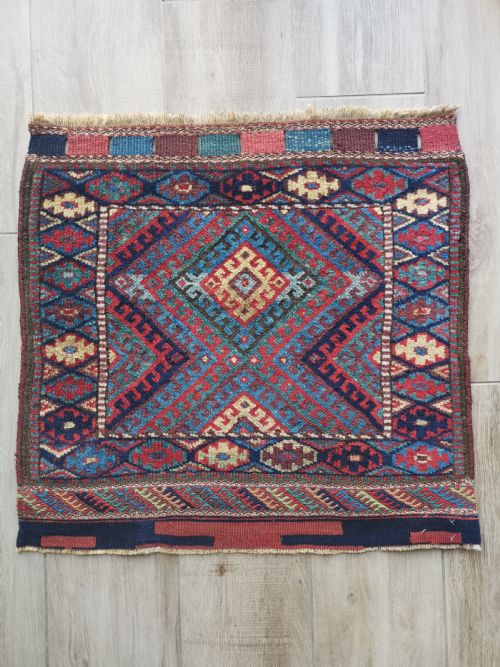
When you explore a tribal weaving fragment, you engage with surviving portions of nomadic textiles crafted across Central Asia and Persia during the nineteenth century.
Tribal Weaving Fragment
A tribal weaving fragment typically originates from utilitarian nomadic items such as bagfaces, torbas, chuvals, and saddlebags produced by tribal groups like the Turkmen, Afshar, Baluch, and Qashqai. These pieces represent portions of larger woven objects that served practical functions within nomadic encampments, from grain storage to animal transport.
The selections available on this page reflect diverse regional traditions spanning western, southern, and north-east Persia, alongside the Trans-Caspian steppes. Buyers encounter remnants of tent bands, wheat sacks, and pillow bag-faces that preserve specific tribal iconography and structural methods from the eighteen-fifties through the early twentieth century.
Fragmentary survivors offer an accessible entry point into antique nomadic weaving without requiring the acquisition of complete, large-scale carpets. Each remaining section displays characteristic field designs, medallion arrangements, and border structures attributed to particular tribal confederations.
Materials and construction methods
Nomadic weavers utilised hand-spun wool for foundation yarns and pile, complemented occasionally by cotton and silk details depending on the regional tradition. Natural dyes provide the enduring palette observed across these nineteenth-century pieces, yielding deep reds, ivory grounds, and secondary tones derived from local plants and minerals.
Construction techniques vary from pile knots to flatwoven sumac and jajim structures, executed on portable horizontal looms set up in pastoral camps. The density of the weave and the precision of the knotting reflect the domestic skill and specific functional demands placed upon each original bag or hanging.
Tribal Weaving Fragment Retail Price Guide 2026
Typical asking prices for tribal weaving fragment among the pieces listed under this phrase on Sellingantiques today, from the lower quarter to the upper quarter. They describe what is for sale here now, not the wider market.
Materials documented across the inventory include hand-spun wool, cotton, silk, linen, and wood, coloured exclusively with natural dye sources.
Distinctions in execution and material
The quality of a textile fragment depends upon the fineness of the weave, the clarity of the drawing, and the vibrancy of the natural dye palette. Tighter knot counts and precise execution of repetitive tribal motifs indicate superior craftsmanship by the original weaver.
Preservation of structural integrity and the completeness of primary design elements, such as central guls or medallion segments, distinguish finer examples. The depth and stability of the dyed wool further separate standard utility pieces from exceptional tribal outputs.
The Tribal Weaving Fragment Glossary
- Bagface
- The decorative front panel of a utilitarian nomadic container, usually preserved when the back portion has worn away or been removed. This section displays the primary visual motifs associated with the specific tribe.
- Gul
- A primary medallion motif used repeatedly in Turkmen and other Central Asian tribal weaving. These octagonal or polygonal forms identify specific tribal lineages and design traditions.
- Torba
- A small storage bag produced by Turkmen groups, often wider than it is tall. Surviving faces show detailed secondary guls and characteristic border arrangements.
- Sumac
- A flatweaving technique that wraps supplementary weft threads around warp threads to create a textured, durable surface. This method appears frequently on saddlebag faces and utilitarian fragments.
- Jajim
- A flatwoven textile constructed from narrow strips joined together, typically featuring striped or geometric patterns. These are often mounted for display due to their decorative linear properties.
Tribal Weaving Fragment: Frequently Asked Questions
What is a tribal weaving fragment?
A tribal weaving fragment is a surviving portion of a larger nomadic textile, such as a bagface, storage sack, or tent band. These sections remain after the surrounding fabric has deteriorated or been separated.
They allow collectors to study traditional motifs, wool quality, and natural dyeing techniques on a manageable scale without needing a full-sized carpet.
How were these fragments used originally?
Nomadic groups utilised the original complete items for storage, bedding transport, and animal trappings within tents and during seasonal migrations. Pieces like torbas and chuvals held household goods inside pastoral camps.
Over time, heavy use caused portions of the textiles to wear out, leaving durable front panels or decorative sections to survive as independent pieces.
How do I display a fragment at home?
Many collectors choose to mount and frame textile fragments behind glass or display them flat on interior walls to protect the delicate wool and structure. Proper mounting prevents sagging and relieves tension on old foundation threads.
Keep displayed pieces away from direct sunlight to preserve the stability of natural dyes over time.
How do I identify the tribe that made a piece?
Tribal attribution relies on specific design elements, such as the shape of guls on Turkmen torbas or the boteh patterns used by Afshar weavers. Colour palettes and structural details also point toward specific geographic regions like Khorassan or Fars.
Comparing knotting styles and wool characteristics against documented examples helps narrow down the probable nomadic group.