






Tribal Weave Textile
When you search for a tribal weave textile, you enter a world of nomadic artistry expressed through practical domestic objects.
Tribal Weave Textile
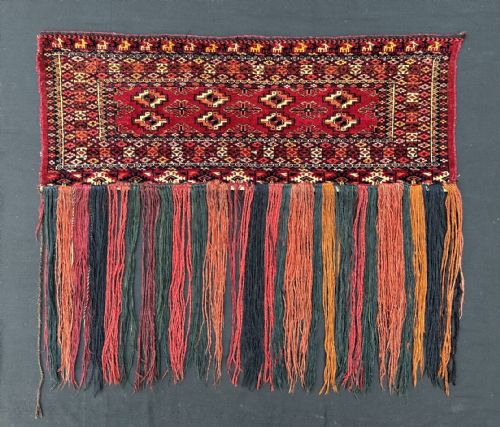
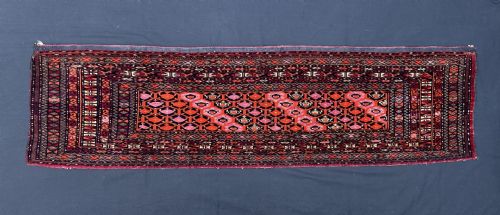
A tribal weave textile encompasses functional pieces created by nomadic and semi-nomadic groups across Persia, Central Asia, and the Caucasus.
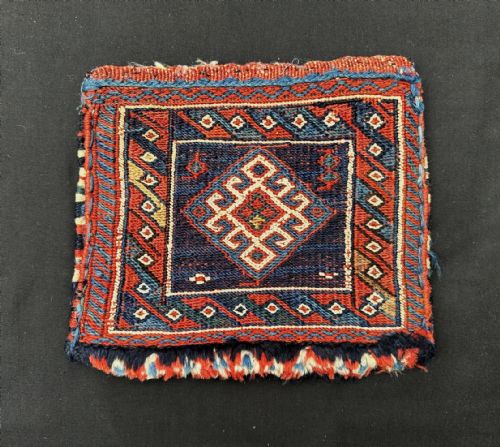
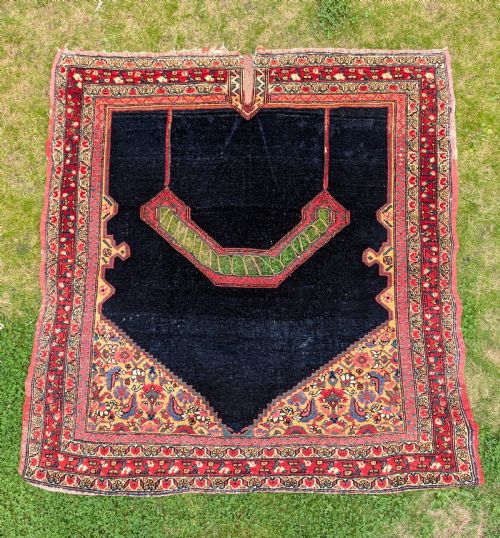
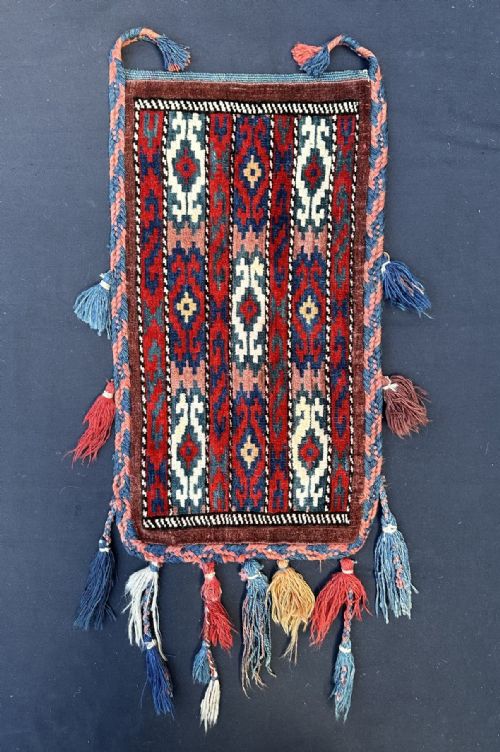
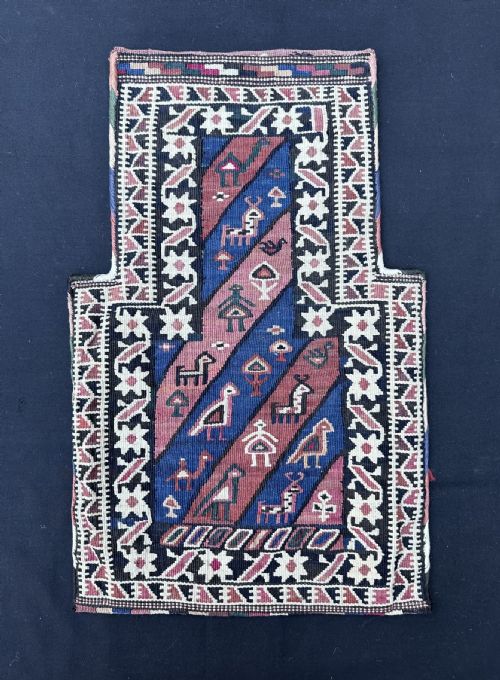
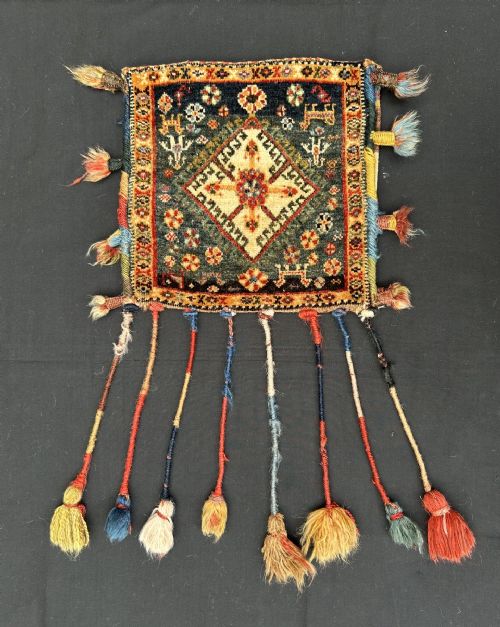
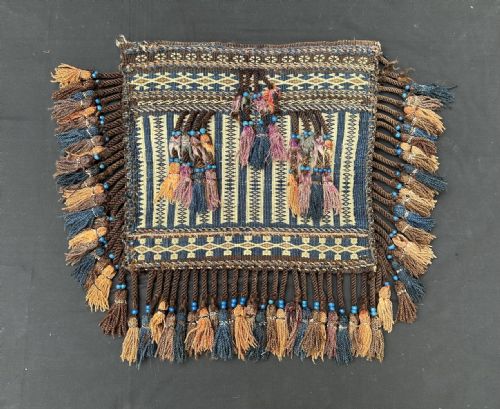
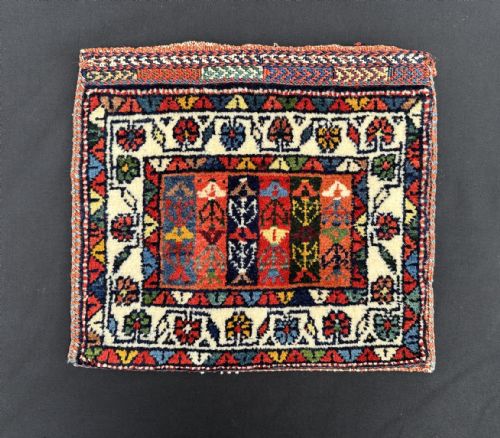
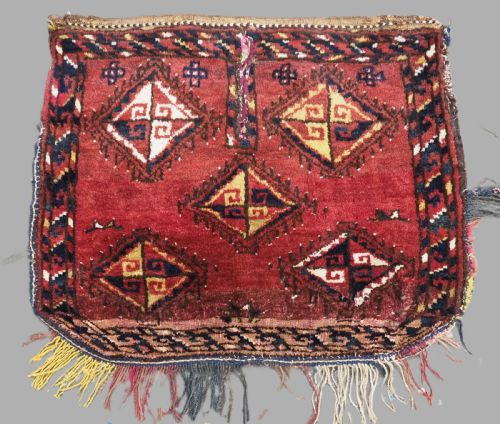
The most common formats found in this category include utility items such as vanity bags, saddle bags, salt bags, animal trappings, storage bags, and covers.
These items originate from specific tribal confederations and groups, including the Qashqai, Yomut, Ersari, Bakhtiari, Shahsevan, and Afshar.
Materials and construction
Makers utilised hand-spun wool and cotton as the primary foundations for their weaving, providing durability for nomadic life.
Colour comes from natural dyes applied to the fibres, while surface decoration often incorporates embellishments such as glass beads, cowrie shells, and leather trim.
Tribal Weave Textile Retail Price Guide 2026
Typical asking prices for tribal weave textile among the pieces listed under this phrase on Sellingantiques today, from the lower quarter to the upper quarter. They describe what is for sale here now, not the wider market.
Listings feature pieces dated across the nineteenth and early twentieth centuries, spanning from eighteen fifty to nineteen twenty.
Evaluating quality and execution
The standard of a piece depends upon the tightness of the weave, the clarity of the tribal motifs, and the richness of the natural dye palette.
Examples featuring complete original elements, such as tassels, leather bindings, and intact structural closures, demonstrate superior preservation.
The Tribal Weave Textile Glossary
- Asmalyk
- A pentagonal trapping produced by Turkmen tribes, traditionally hung on the flank of a bride's camel during wedding processions.
- Jollar
- A Turkmen tent-hanging or bag face, usually featuring horizontal guls and borders, used for storage within a yurt.
- Sofreh
- A flat-woven spread or cloth used for sharing meals, kneading bread, or processing grain within nomadic households.
- Kap
- A general term for a small storage bag or container produced by Central Asian and Persian tribal groups.
- Gapylyk
- An architectural hanging or tent door cover placed over the entrance of a Turkmen lattice tent.
Tribal Weave Textile: Frequently Asked Questions
What are these tribal bags used for?
Nomadic groups used these woven containers for practical storage within tents, transporting belongings on animals, and holding personal items like salt, bread, or vanity accessories.
Many examples served specific ceremonial functions during weddings, horse decoration, or domestic rituals rather than everyday utility.
How do I identify different tribal origins?
Attribution relies on recognising distinct structural patterns, colour combinations, and specific wool preparation methods associated with particular regions like Fars, Khorassan, or the Merv Oasis.
Tribes such as the Yomut, Qashqai, and Afshar maintained recognisable design vocabularies and weaving techniques handed down through generations.
How should I display a textile?
These flexible pieces work well mounted on walls using non-invasive display methods that support the weight of the wool without stressing the foundation threads.
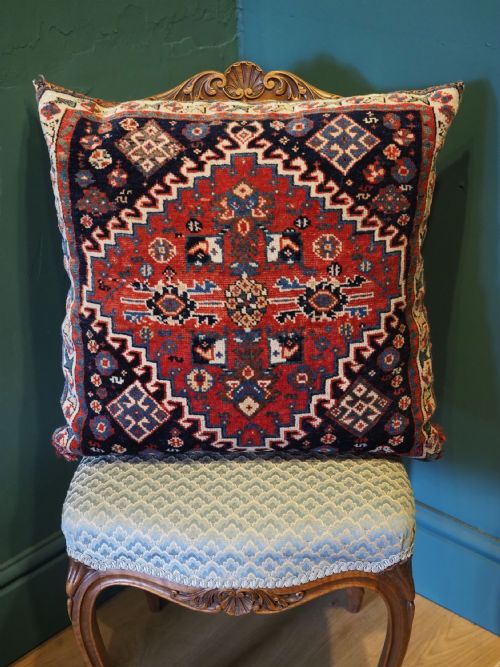
Smaller formats, such as saddle covers and bag faces, can also be laid flat on surfaces or used as cushion covers with appropriate internal padding.
Are natural dyes used throughout?
The majority of pieces from the nineteenth and early twentieth centuries rely on plant and insect extracts to achieve their characteristic depth of colour.
These natural colourants interact with wool fibres to produce subtle variations in tone that develop a rich patina over time.