
Tribal Wall Textile
When you search for tribal wall textile, you discover woven and embroidered nomadic pieces created to adorn domestic spaces.
Tribal Wall Textile
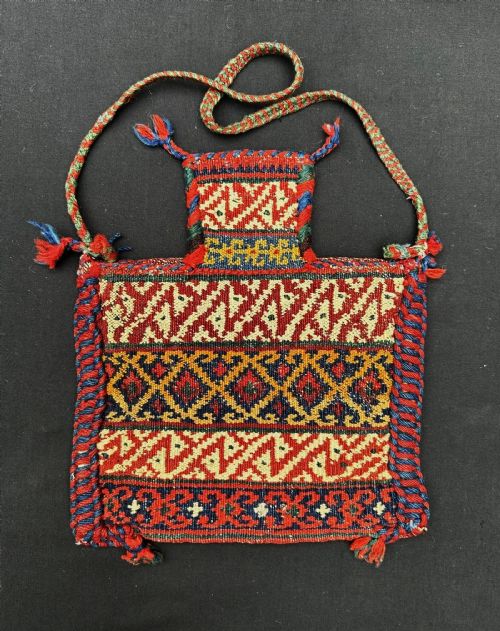
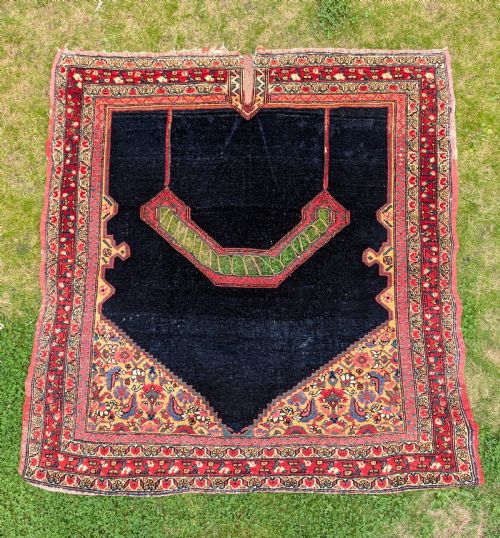
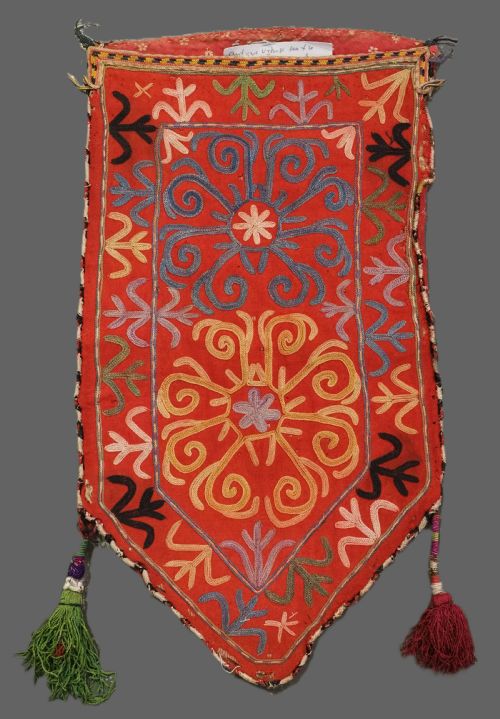
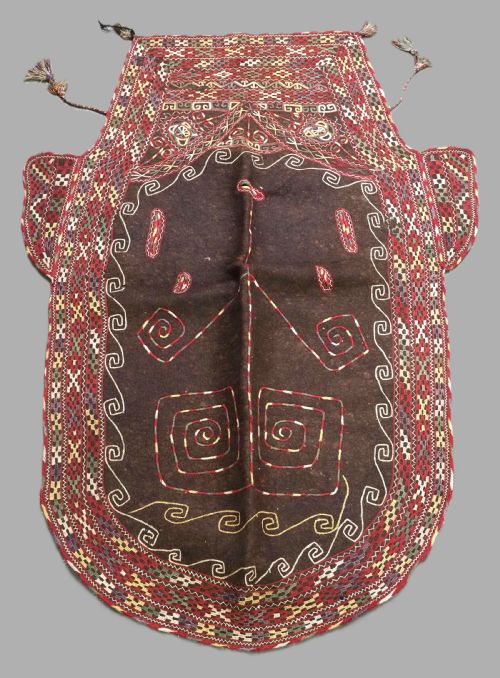
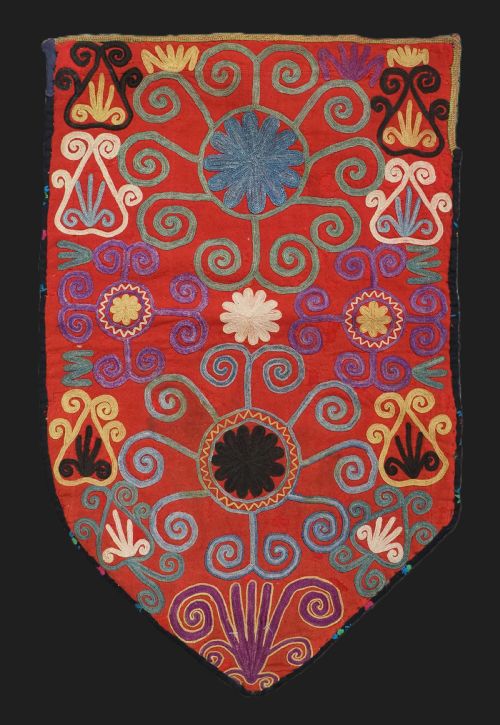
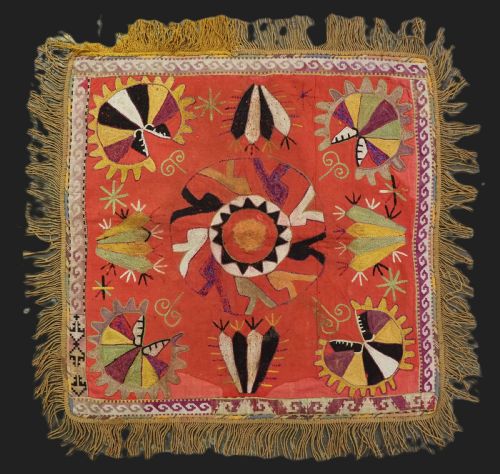
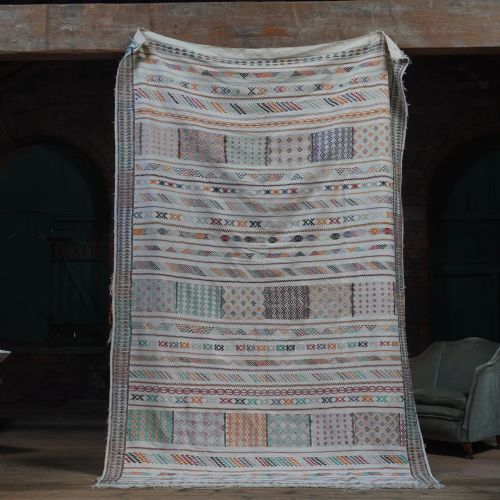
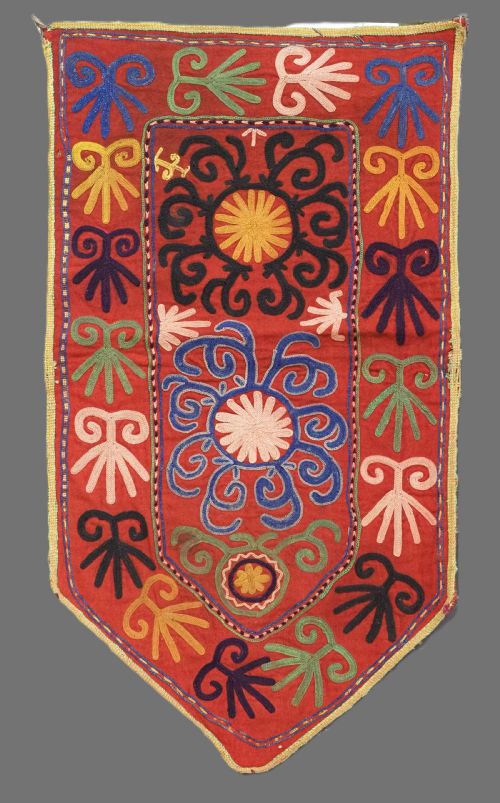
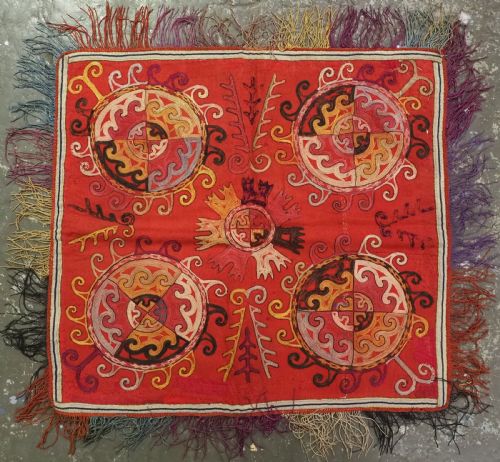
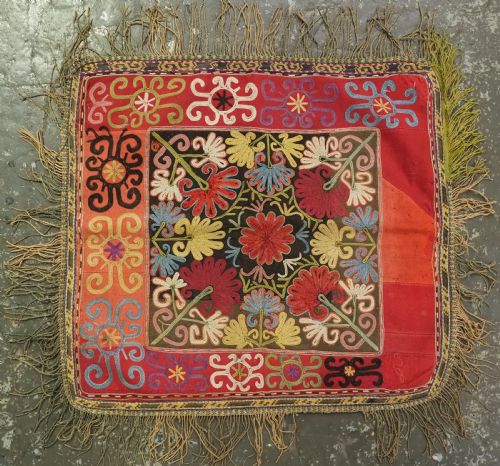
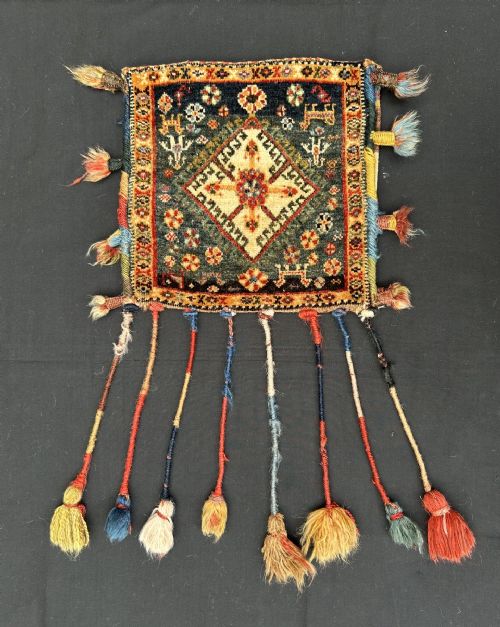
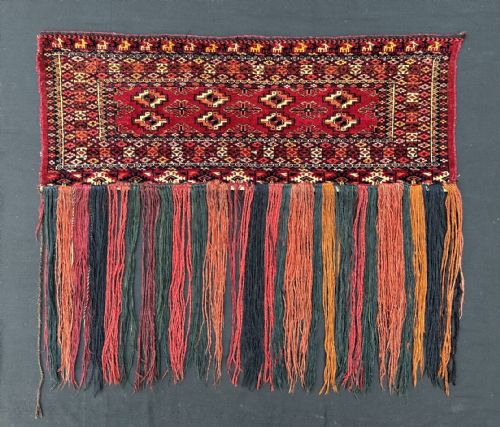
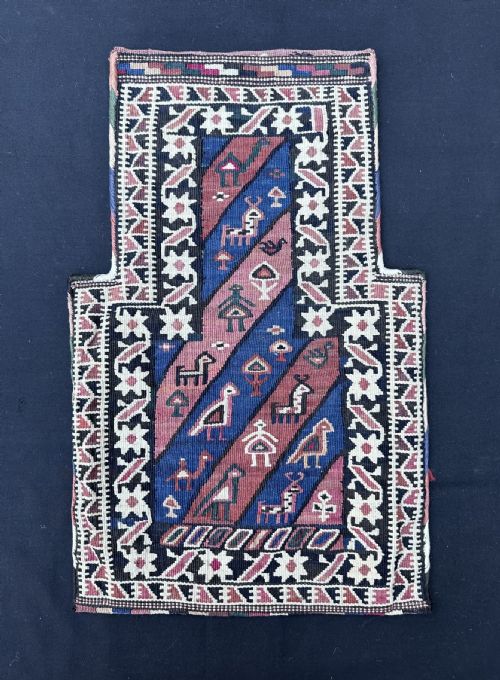
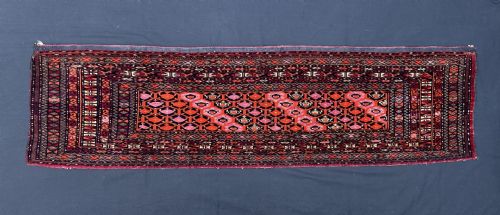
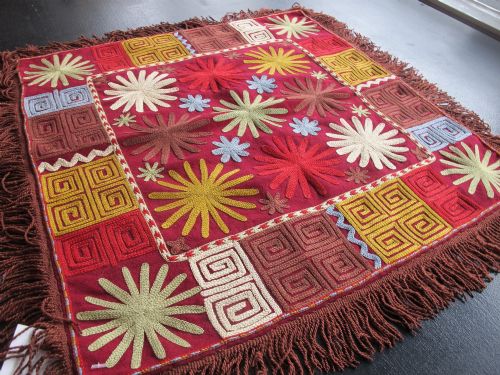
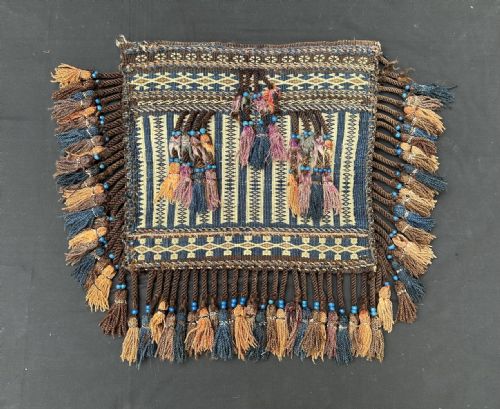
A tribal wall textile encompasses woven and embroidered objects originally made by nomadic and village groups for domestic use or ceremonial display. The selection here includes saddle covers, animal trappings, storage bags, and dowry embroideries adapted from utilitarian items into wall art.
Most examples originate from Central Asia and Persia, dating from the nineteenth and early twentieth centuries. Pieces such as Uzbek Lakai embroideries, Turkmen horse blankets, and Qashqai bagfaces frequently appear in this collection.
Nomadic groups utilised these textiles within tents or permanent dwellings as functional furnishings and symbols of status. Today, collectors hang these items to display traditional geometric patterns and regional motifs.
Materials and technique
Maker communities relied on locally sourced materials, primarily hand-spun wool, cotton, and silk, dyed with natural colorants. Artisans combined these fibres using traditional weaving techniques or dense surface embroidery.
Many items feature supplementary decoration, including glass beads, felted wool, and silk thread stitched onto a sturdy foundation fabric. These techniques produced durable surfaces designed to withstand practical use during nomadic migrations.
Nomadic weavers occasionally included deliberate minor irregularities in their patterns to ward off the evil eye.
What varies in quality
The sophistication of the design layout and the precision of the execution define the standard of a textile. Skilled hands produced balanced proportions and deliberate colour distribution across complex geometric fields.
The vibrancy and depth of the natural dyes influence the visual impact of an object. Tonal richness and intricate needlework or weave density separate standard utility pieces from exceptional tribal examples.
The Tribal Wall Textile Glossary
- Ilgich
- A Central Asian embroidery piece, frequently created as dowry work for wall hanging.
- Asmalyk
- A large, often pentagonal ceremonial horse trapping produced by Turkmen tribes.
- Jollar
- A Turkmen storage bag or hanging used inside a nomadic dwelling.
- Sabra
- A silk-like vegetable fibre extracted from cactus plants and utilised in Moroccan textiles.
- Tacheh
- A woven container or cover made by nomadic groups in western Persia.
Tribal Wall Textile: Frequently Asked Questions
How were tribal textiles used originally?
Nomadic groups utilised these items for storage, transport, and ceremonial events. Bags held personal belongings, salt, or tobacco, while horse blankets and trappings served decorative roles during tribal celebrations.
Over time, many of these utilitarian objects transitioned into domestic furnishings and wall displays. Their original contexts shaped their durable construction and specific regional formats.
How do I hang a textile on the wall?
Mounting a textile requires spreading the weight evenly across the piece to prevent fibre distortion. Conservation-grade Velcro or a custom fabric sleeve stitched to the reverse allows safe suspension from a hidden rod.
Avoid direct piercing with nails or pins, which damages the historic wool, cotton, or silk foundations. Professional framing with UV-filtering glass offers protection for delicate embroidered surface work.
Are these pieces from the nineteenth century?
The listings span from the mid-nineteenth century through the early twentieth century. Objects from this era reflect traditional nomadic life before the widespread standardisation of textile production.
Natural dyes and hand-spun materials predominate in pieces dated to the eighteen-fifties up to the nineteen-twenties. Each era preserves specific regional techniques passed down through generations of makers.