


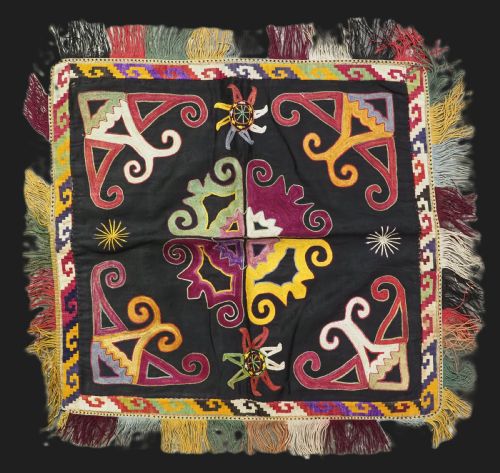
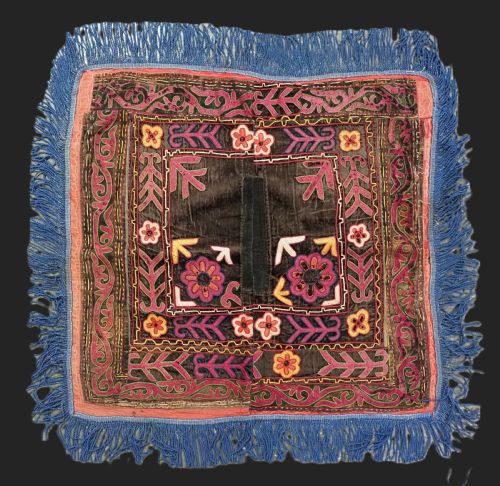
Tribal Wall Hanging Art
Tribal wall hanging art comprises nomadic textiles and woven panels created across Central Asia and Persia during the nineteenth and early twentieth centuries.
Tribal Wall Hanging Art
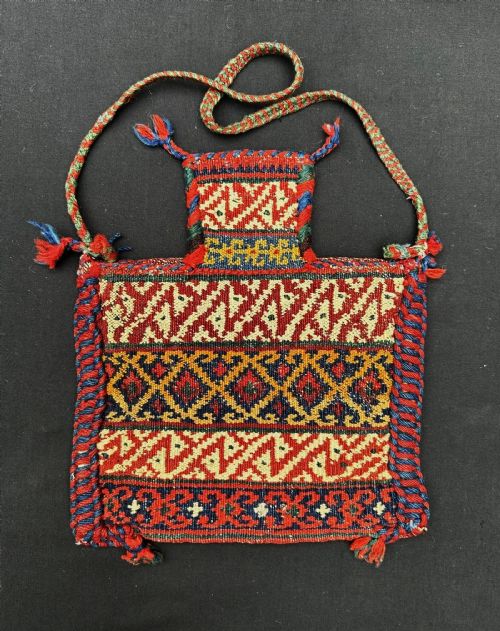
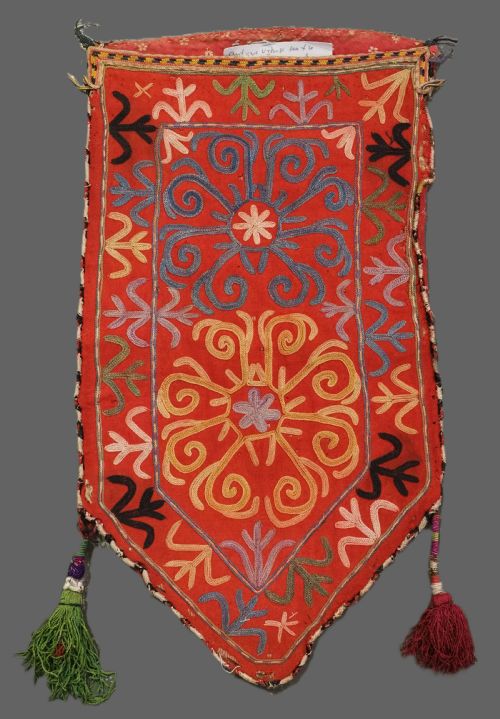
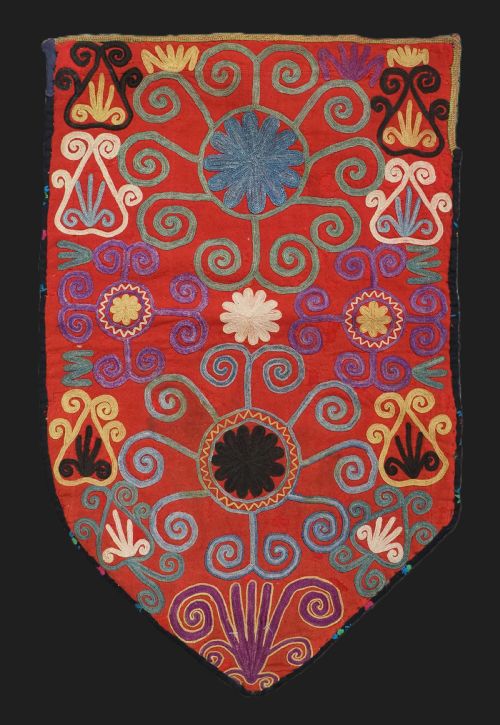
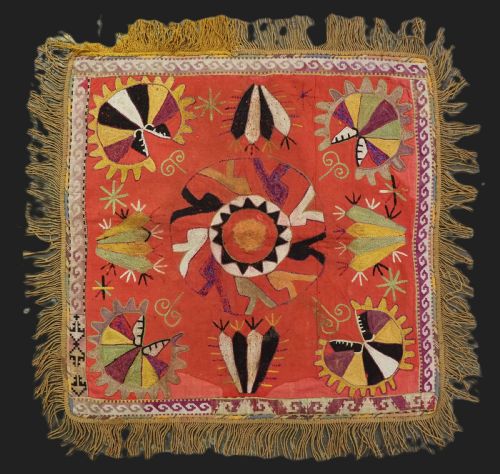
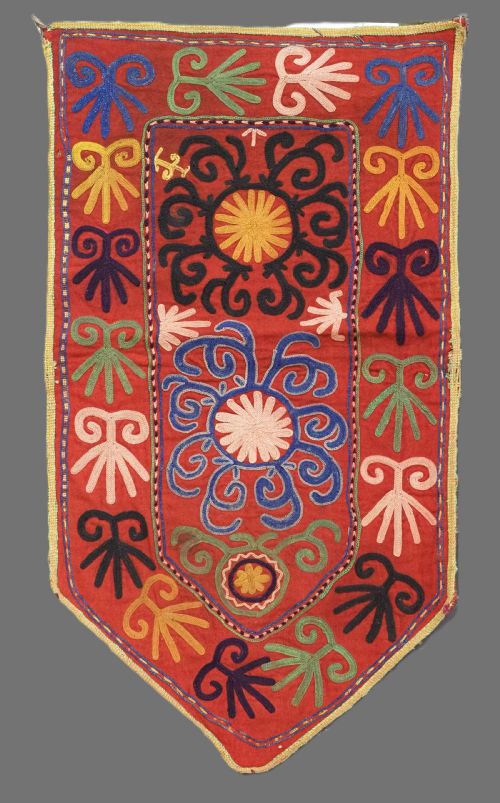
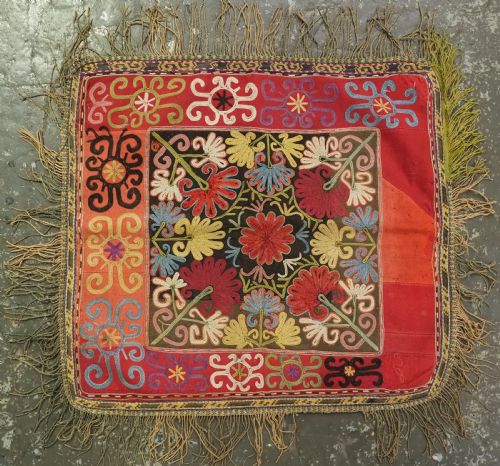
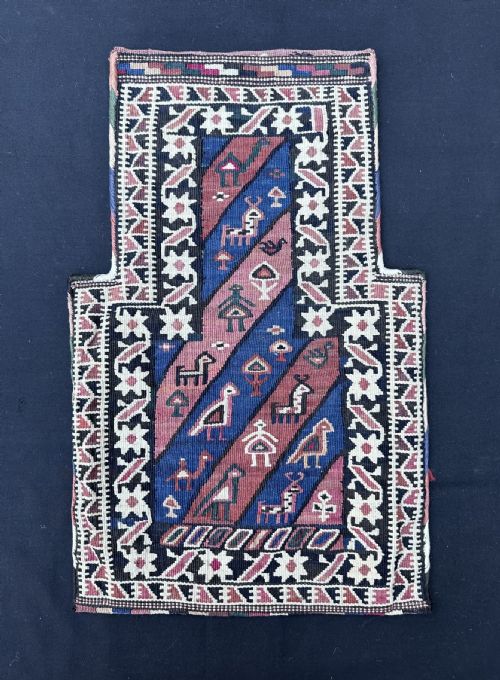
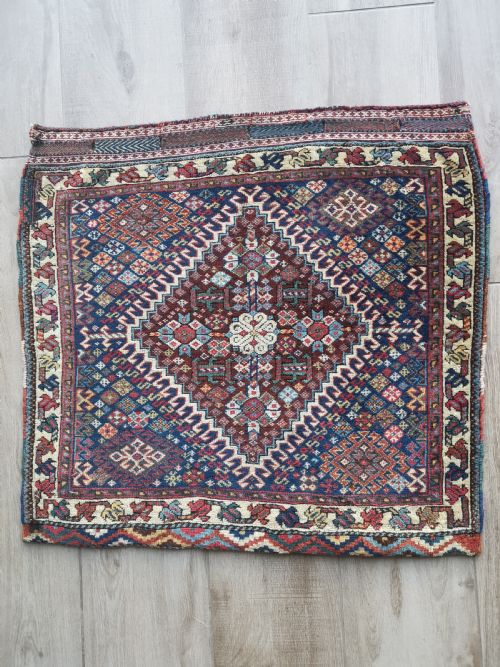
The selection centres heavily on Central Asian and Persian traditions dating from the mid-nineteenth century to the early twentieth century. Textiles like Uzbek ilgiches, Turkmen torbas, and silk Suzanis appear frequently as mounted wall displays.
Domestic and ritual trappings form the core of the available forms, bringing tactile warmth and geometric or floral symbolism into modern interiors.
Materials and Technique
The pieces rely on hand-spun wool, cotton, and silk foundations worked with natural dyes derived from local plants and minerals. Artisans utilised flatweave, pile-weaving, and intricate embroidery techniques to build durable domestic objects.
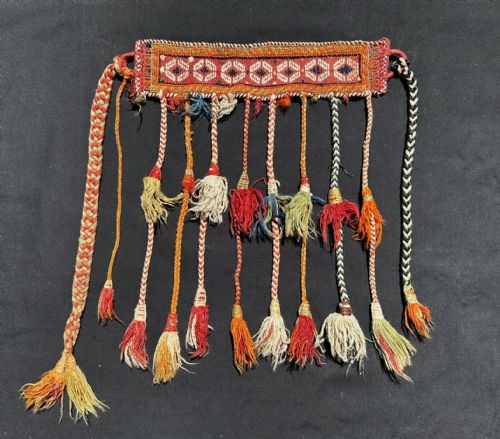
Nomadic makers applied dense needlework, sometimes highlighted with silk threads or felt panels, to decorate functional items like storage bags and ceremonial horse trappings. These organic materials developed rich patinas over decades of use.
Nomadic weavers occasionally embedded tiny amuletic motifs within their storage bags to ward off the evil eye from household possessions.
Quality and Execution
Distinction across the range rests on the fineness of the needlework, the complexity of the tribal design, and the vibrancy of the natural dyes. Superior examples exhibit precise symmetry, tight knotting or stitching, and well-preserved structural integrity.
Condition and completeness also dictate distinction, particularly where original backing materials, early silk highlights, and undisturbed edges remain intact. Pieces retaining their original ceremonial or domestic context command greater appreciation among collectors.
The Tribal Wall Hanging Art Glossary
- Suzani
- An embroidered silk or cotton wall hanging from Uzbekistan traditionally made as part of a bride's dowry. These textiles feature large-scale floral and medallion motifs worked in tambour or chain stitch.
- Asmalyk
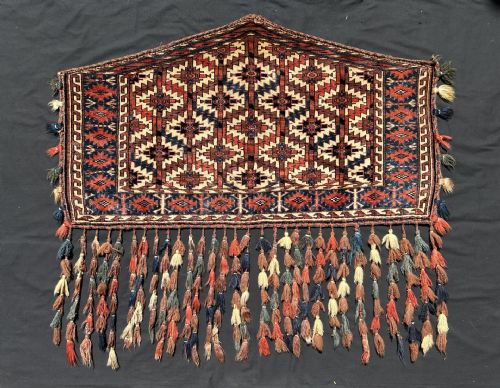
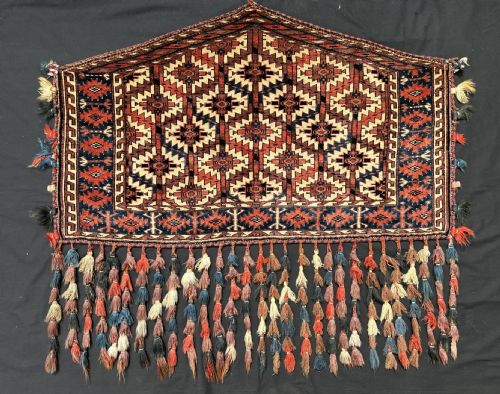
- A pentagonal trapping used to decorate camel caparisons during Turkmen wedding processions. Yomut and other tribes wove or embroidered these pieces with distinct guls.
- Torba
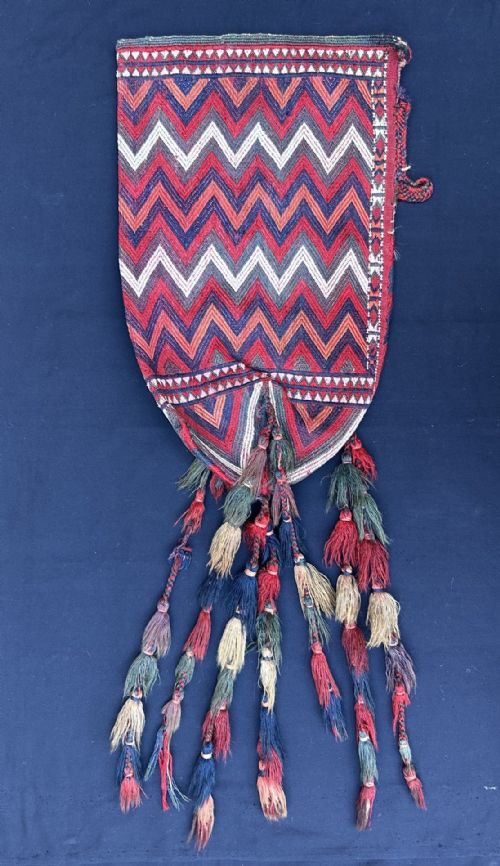
- A small storage bag produced by nomadic tribes for use inside a yurt or tent. They often feature elaborate face designs with geometric borders and flatweave backs.
- Ilgich
- An embroidered hanging from the Lakai tribe of Uzbekistan created for domestic ornamentation. These pieces are characterised by dynamic, curvilinear needlework.
- Jajim
- A flatwoven textile traditionally used as a cover or bedding, constructed from narrow strips joined together. Silk or wool examples are frequently mounted as decorative wall art.
Tribal Wall Hanging Art: Frequently Asked Questions
How were these textiles originally used?
Nomadic groups utilised these woven and embroidered pieces for daily domestic storage, animal trappings during migrations, and ceremonial wedding processions. Items like torbas held household goods inside tents, while asmalyks adorned bridal camels.
Over time, many of these utilitarian artefacts transitioned into decorative wall art as collectors recognised their artistic merit and cultural significance.
How do I care for a textile wall hanging?
Protect antique textiles by mounting them away from direct sunlight to prevent natural dye fading and fibre degradation. Professional framing using conservation-grade materials provides physical support and shields the piece from dust.
Keep the hanging in a stable environment with moderate humidity levels to preserve the historical wool, cotton, and silk threads.
How can I tell different tribal styles apart?
Tribal attribution relies on distinctive motifs, colour palettes, and structural techniques specific to each region or group. For instance, Turkmen pieces often feature geometric guls in deep reds, while Uzbek Suzanis display bold, embroidered floral sprays.
Studying the specific weave, stitch type, and regional wool characteristics helps clarify the origin of each piece.