






Traditional African Tribal Art
Traditional african tribal art pieces are historical sculptures, ritual objects and functional items crafted from wood, bronze and iron that connect modern collectors to diverse continental heritage.
Traditional African Tribal Art
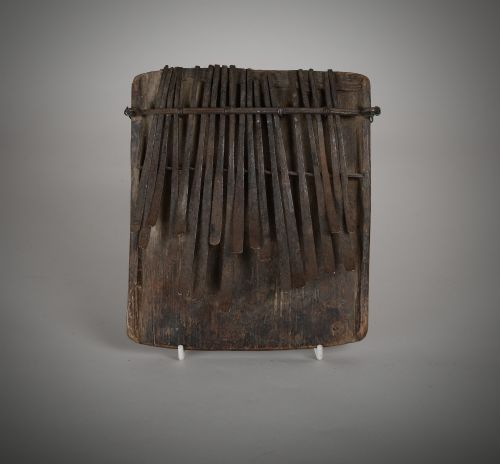
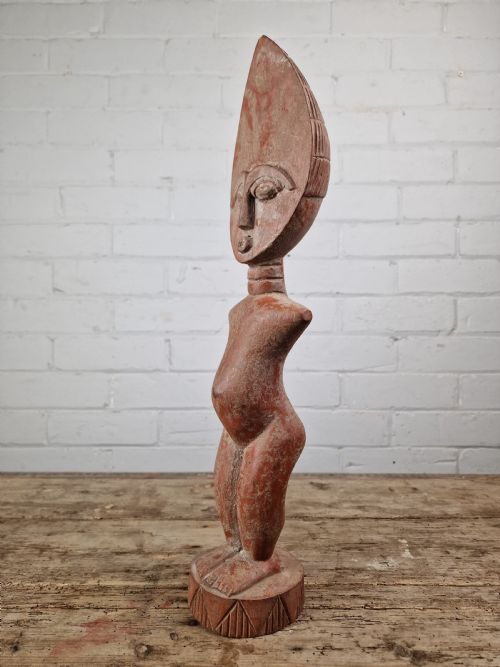
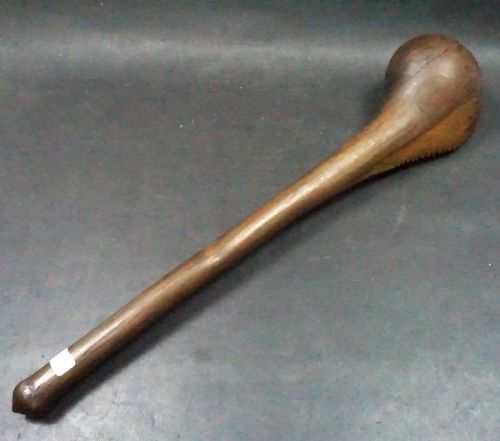
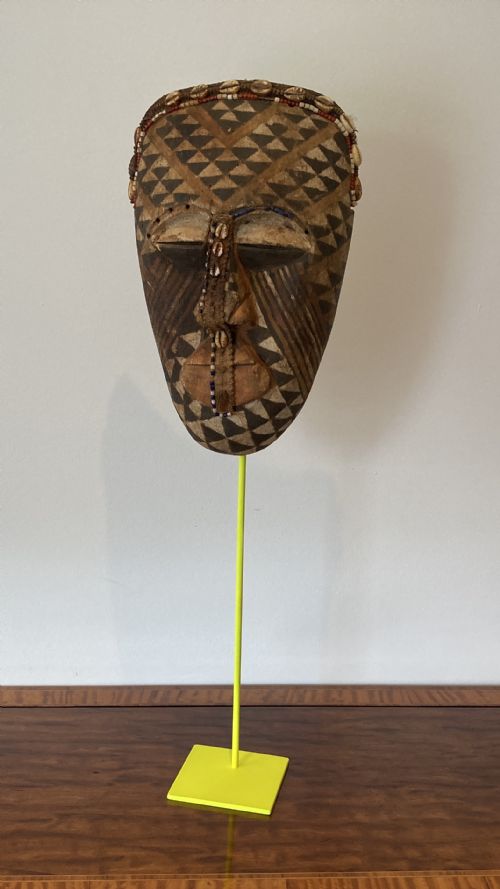
Traditional african tribal art encompasses historical carvings, ritual figures, masks and functional objects originating from various regions across the continent. When exploring traditional african tribal art, buyers encounter diverse forms ranging from ceremonial dance masks and fertility figures to cast bronze statues and utilitarian weaponry.
The selection on this page draws primarily from periods spanning the late nineteenth century through to the mid-twentieth century, capturing distinct regional styles. Common physical manifestations include carved wooden figures from West and Central Africa, alongside cast metalwork from Benin and iron weaponry from Southern Africa.
Each object reflects specific cultural practices, status symbols or ritual functions tied to distinct groups such as the Yoruba, Ashanti, Kuba and Zulu peoples. These pieces serve as tangible links to historical craftsmanship, utilising indigenous materials shaped by generational techniques.
Materials and construction methods
Makers predominantly utilised native timbers, selecting dense varieties like hardwood and standard wood for intricate hand-carved sculptures, masks, stools and ceremonial spoons. These wooden surfaces frequently incorporate additional elements such as pigment, vegetable dye and bone to enhance visual detail and ritual significance.
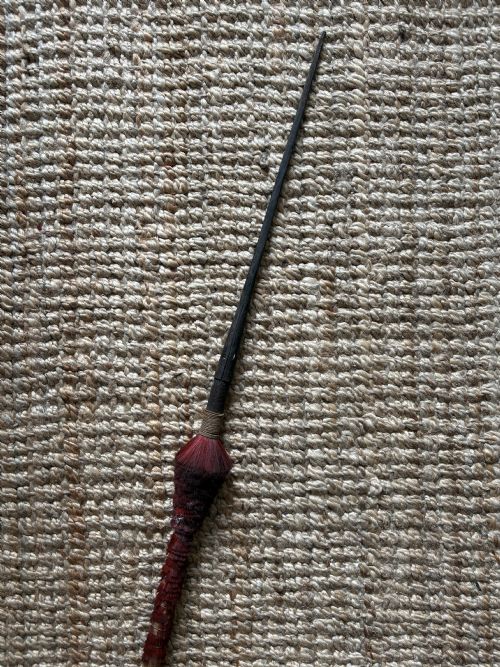
Metalworking traditions feature prominently through bronze and brass casting, particularly in statues and figures produced via traditional methods. Blacksmithing techniques also appear in iron weaponry and utilitarian objects, demonstrating advanced mastery of metallurgy alongside woodworking.
Factors determining quality
Quality in traditional african tribal art rests upon the precision of the carving, the balance of the form and the expressive power inherent in the sculpture. Finer examples display confident tool marks and deliberate symmetry, whereas lesser pieces can appear hurried or lack anatomical cohesion.
The integrity of the material and the presence of authentic surface wear or patination distinguish superior specimens from more recent or purely decorative iterations. Objects that retain their original pigment, ritual residue or genuine age-related handling marks hold greater visual and historical depth.
The Traditional African Tribal Art Glossary
- Patina
- The surface sheen and coloration developed through years of handling, exposure and ritual use. A genuine patina provides vital clues regarding an object's age and history.
- Pigment
- Coloured substances applied to the surface of wood or metal objects for aesthetic or ceremonial purposes. These mineral and organic colorants often survive in recessed areas of carvings.
- Casting
- A manufacturing process where molten metal, such as bronze or brass, is poured into a mould. This technique produced detailed warrior and animal statues.
- Carving
- The act of shaping wood or hard material using sharp hand tools to form sculptures, masks and panels. Mastery of this subtractive method defines much of the continental artistry.
- Utilitarian
- Designed to be useful or practical rather than purely decorative. Many weapons, spoons and chairs combine daily utility with sculptural artistry.
Traditional African Tribal Art: Frequently Asked Questions
What materials are used in traditional african tribal art?
These pieces are predominantly constructed from carved wood, dense hardwood, cast bronze, brass and iron.
Additional organic and applied materials such as pigment, vegetable dye, bone and ivory also appear across various regional items.
How can I tell the age of these objects?
Dating relies on stylistic analysis, material composition and documented periods ranging from the nineteenth century to the mid-twentieth century.
Surface characteristics like handling wear, patination and residual pigments help corroborate the estimated period of creation.
What is a tribal mask used for?
Masks served central roles in community ceremonies, dances, rituals and social governance among specific people groups.
They were worn or displayed to embody ancestral spirits, depict animals or mark significant cultural transitions.
How should I care for wooden tribal sculptures?
Wooden objects require stable indoor humidity and protection from direct sunlight to prevent timber cracking or pigment fading.
Avoid applying modern polishes or cleaning agents that might disturb the historical surface patinas.