





Brown Wooden African Sculptures
Brown wooden african sculptures gather the rich carving traditions and diverse regional forms of the continent into tangible, historic works.
Brown Wooden African Sculptures
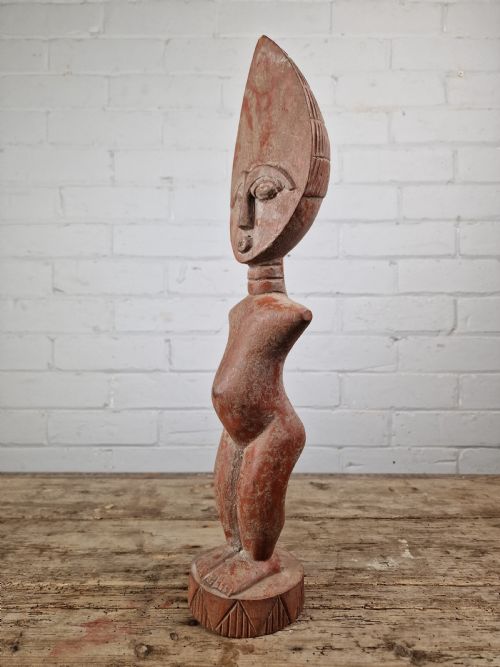
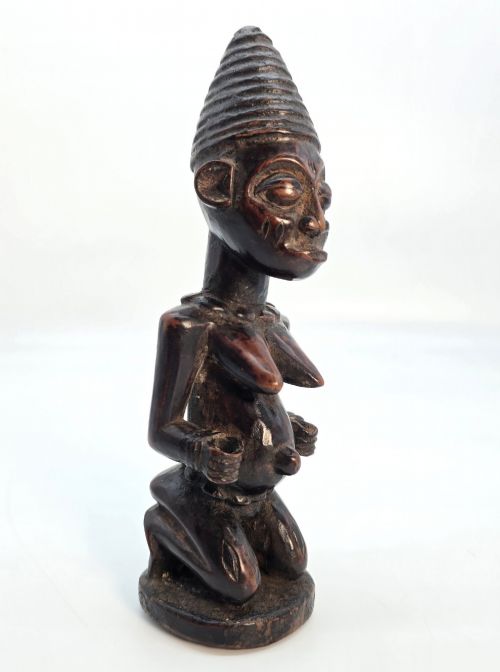
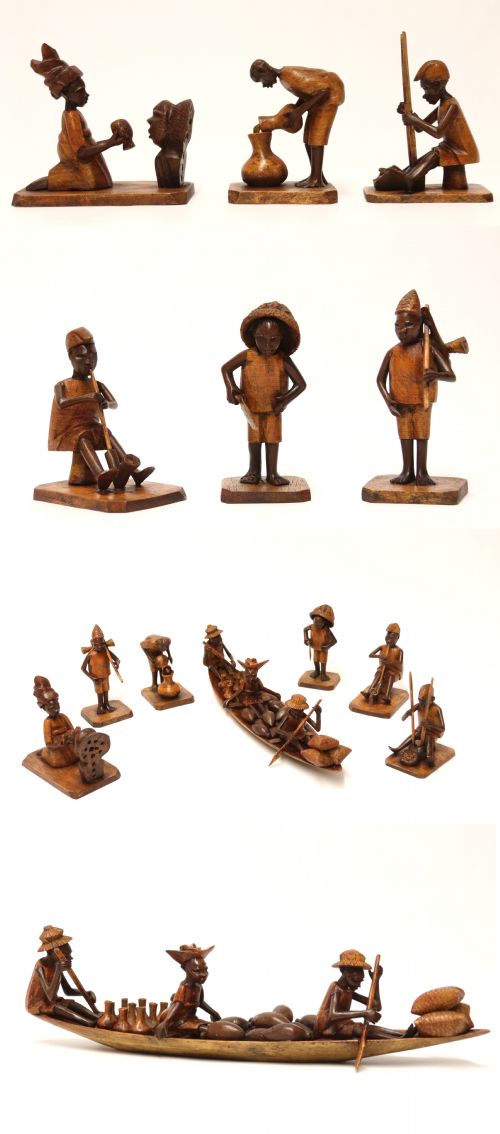
When you search for brown wooden african sculptures, you encounter a varied selection of ritual objects, domestic furnishings, and figurative carvings originating from multiple regions and tribal groups. The pieces span periods from the late nineteenth century through to the mid-twentieth century, capturing distinct cultural practices and aesthetic traditions.
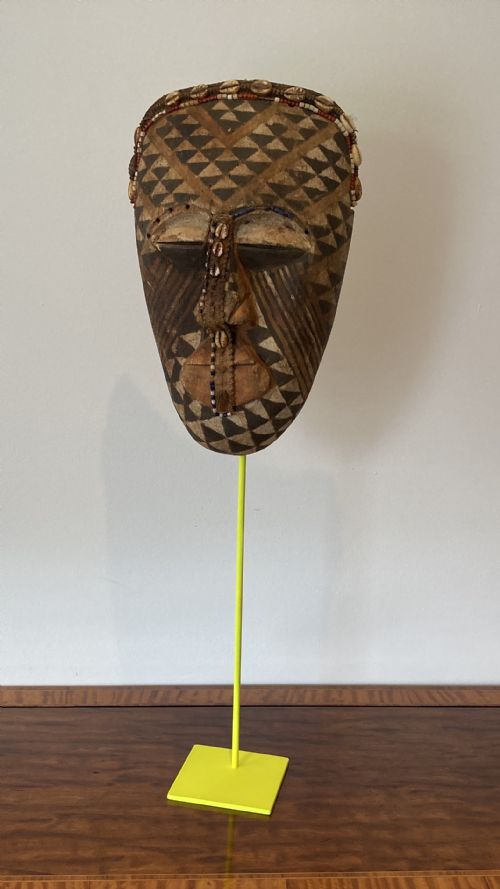
The objects on this page range from figurative statues and ceremonial masks to utilitarian items such as headrests, daybeds, and tables. These works reflect the specific artistic vocabularies of communities including the Yoruba, Kuba, Dogon, and Edo peoples.
Buyers will most frequently meet carved hardwood figures, tribal masks accented with pigment, and functional carved panels or furniture. Each piece represents a specific material culture, shaped by traditional hand-carving methods and historical use.
What varies in quality
The distinction between average and exceptional brown wooden african sculptures lies in the confidence of the carving and the proportion of the form. A strong piece demonstrates fluent handling of the hardwood and expressive detailing that adheres to traditional cultural canons.
Patina and surface depth also separate examples, as genuine handling and age impart a rich, cumulative sheen to the wood. Pieces that retain their original pigments or natural fibre additions display a greater integrity of surface.
Brown Wooden African Sculptures Retail Price Guide 2026
Typical asking prices for brown wooden african sculptures among the pieces listed under this phrase on Sellingantiques today, from the lower quarter to the upper quarter. They describe what is for sale here now, not the wider market.
Listings feature 19th century and Edwardian periods alongside works from the 1920s, 1930s, and 1950s.
Edo Bini People·Dogon Tribe·Kuba Tribe·Yoruba People·Ligbi People
The Brown Wooden African Sculptures Glossary
- Hardwood
- Dense timber derived from broad-leaved trees, used traditionally for durable carvings and furniture.
- Kaolin pigment
- A fine white clay applied to surfaces for ritual or decorative emphasis.
- Patina
- The surface sheen and colour developed on wood through age, handling, and exposure.
- Tribal mask
- A carved wooden face covering utilised in ceremonial dances and cultural rituals.
- Friction oracle
- A divining device operated by rubbing wooden surfaces together to interpret answers.
Brown Wooden African Sculptures: Frequently Asked Questions
How do I identify a tribal mask?
Tribal masks are typically carved to represent human or animal faces, often featuring stylized geometric proportions and attachment holes for fibre elements.
Many examples retain traces of pigment or show significant surface wear from ceremonial use.
What is a friction oracle?
A friction oracle is a traditional divination object, commonly shaped like an animal such as a crocodile, used by spiritual leaders in rituals.
The sliding wooden components were rubbed together to receive answers based on the resistance encountered.
How should I clean carved wood?
Carved wooden sculptures require gentle dusting with a soft, dry brush to protect the delicate surfaces and original patinas.
Avoid using liquid cleaners, waxes, or oils that might alter or damage historic pigment and dry hardwood.
Are these pieces functional?
While many items like headrests, daybeds, and tables served daily domestic purposes, others held purely ritual or symbolic functions.
Buyers should assess each piece according to its specific historical use within its culture of origin.
How do I date an antique carving?
Dating relies on examining the wood density, tool marks, wear patterns, and the chemical composition of any applied pigments.
Stylistic conventions and historical documentation associated with specific tribal groups also help establish the period.