



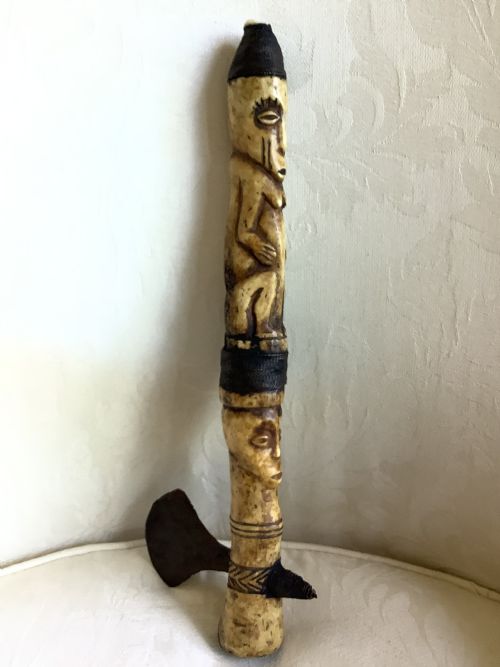
Carved Tribal Figures
Carved tribal figures bring sculptural power and deep cultural history into a room, spanning African, Inuit, Burmese, and Oceanic traditions.
Carved Tribal Figures
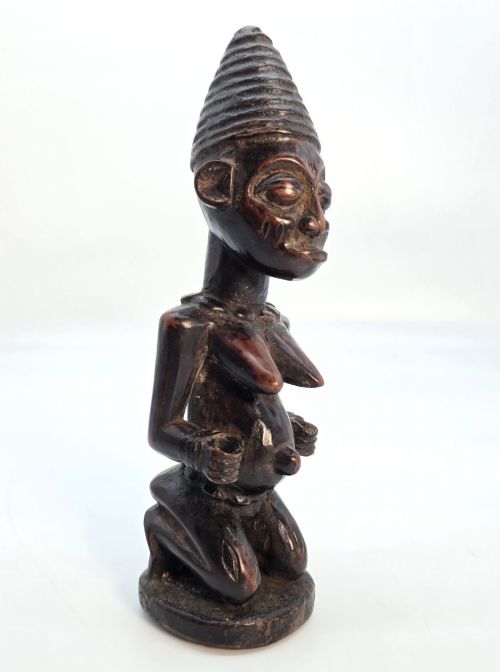
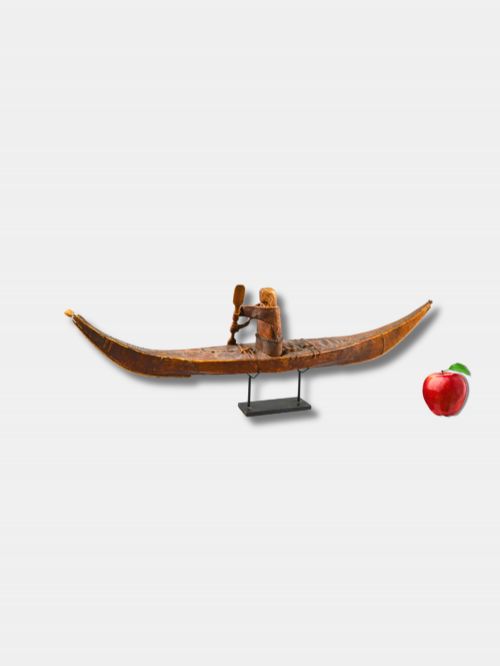
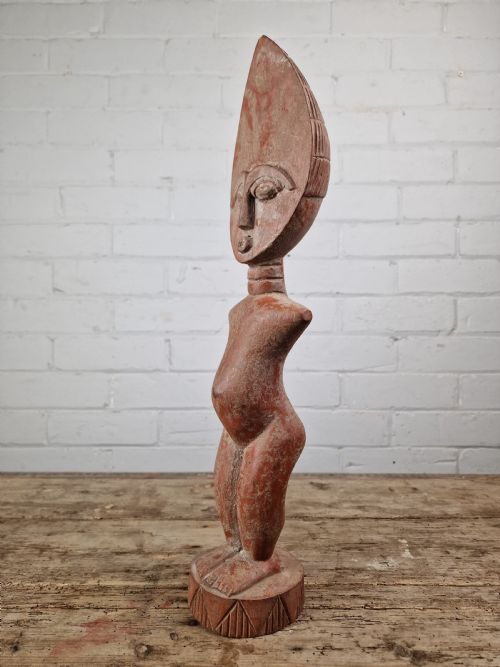
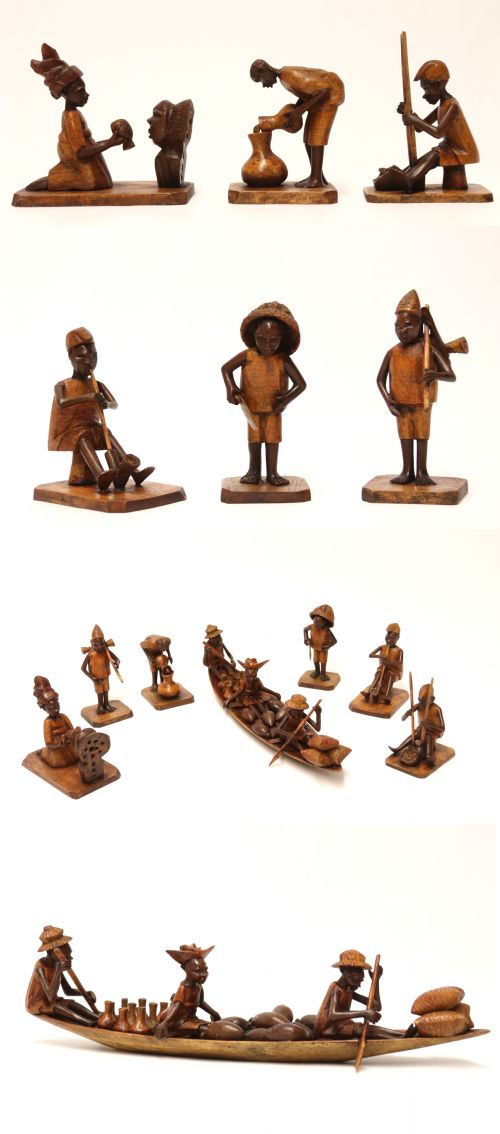
Carved tribal figures encompass a diverse range of sculptural works created across global indigenous cultures, appearing frequently in forms such as guardian heads, fertility statues, and ceremonial figures. When exploring carved tribal figures on this page, buyers encounter pieces originating from distinct regions including West and Central Africa, the Canadian Arctic, and Southeast Asia. These sculptures function variously as ritual objects, reliquary guardians, and representations of deities or ancestors, reflecting specific tribal traditions from the nineteenth and twentieth centuries.
Distinctions in quality and execution
Quality in these sculptures rests upon the strength of the carver's anatomical abstraction, compositional balance, and expressive power. Superior examples display confident, purposeful tool marks and harmonious proportions that reflect the aesthetic standards of their originating culture, rather than mechanical symmetry.
The depth and authenticity of the surface patination significantly influence a piece's standing, separating works that bear genuine signs of ritual use and age from later commercial reproductions. Masterworks achieve a commanding presence through the confident handling of material, whether capturing the tense posture of a reliquary guardian or the serene dignity of a seated ancestor.
The listings span multiple continents, featuring African tribal art from the nineteenth and twentieth centuries alongside Canadian Inuit carvings and Burmese statuary.
Abegunde of Ede
The Carved Tribal Figures Glossary
- Byeri
- A reliquary guardian figure associated with the Fang people of Gabon, traditionally placed upon cylindrical bark boxes containing ancestral bones. These sculptures serve to protect the sacred contents from uninitiated individuals.
- Ibeji
- A wooden memorial figure carved by the Yoruba people to represent a deceased twin. These figures receive ritual care and are often adorned with beads and indigo pigment.
- Tupilak
- A carved shamanic figure from Inuit tradition, traditionally fashioned from bone, antler, or whalebone. These objects were believed to be animated by spiritual force to perform specific tasks.
- Patina
- The surface sheen and colour acquired by wood, bone, or pigment through age, handling, and environmental exposure. A rich patina provides key evidence of an object's history and use.
Carved Tribal Figures: Frequently Asked Questions
How were tribal figures used?
These figures served vital roles in spiritual, social, and domestic life within their originating communities. Many functioned as protectors of ancestral relics, focal points for fertility rituals, or embodiments of deities and local spirits.
Other pieces marked significant life transitions, commemorated twins, or served as ceremonial regalia during tribal gatherings and leadership investitures.
How do I care for wooden tribal art?
Protect wooden and bone sculptures by maintaining stable indoor humidity levels and keeping them away from direct heat sources and strong sunlight. Avoid applying modern oils or polishes, as these can interfere with the historical patina and dry surface finishes.
Dust the carvings gently with a soft, dry brush to preserve the delicate tool marks and accumulated pigments on the surface.
How can I tell different tribal styles apart?
Distinguishing between regional styles relies on observing specific facial abstractions, body proportions, and characteristic materials. For instance, Mahongwe figures feature metal-sheathed geometric forms, while Yoruba carvings often display detailed hairstyles and indigo staining.
Comparing regional handling of eyes, headdresses, and posture helps clarify the cultural origin of an unsigned piece.