


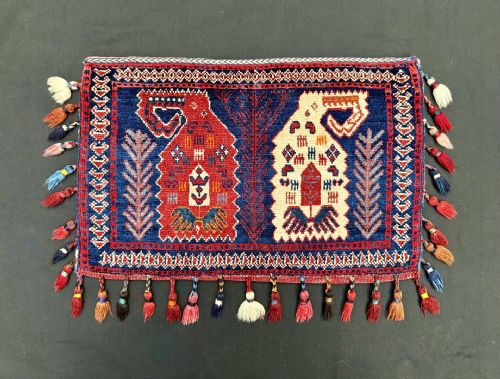


Tribal Textile Wall Decor
These tribal textile wall decor pieces bring striking geometric patterns and rich natural dyes directly into a room.
Tribal Textile Wall Decor
When searching for tribal textile wall decor, collectors look for authentic woven and embroidered pieces originating from Central Asian, Turkmen, and African traditions. These objects transform nomadic utilitarian items, such as dowry embroideries, storage bags, and ceremonial hangings, into compelling visual statements for interior spaces.
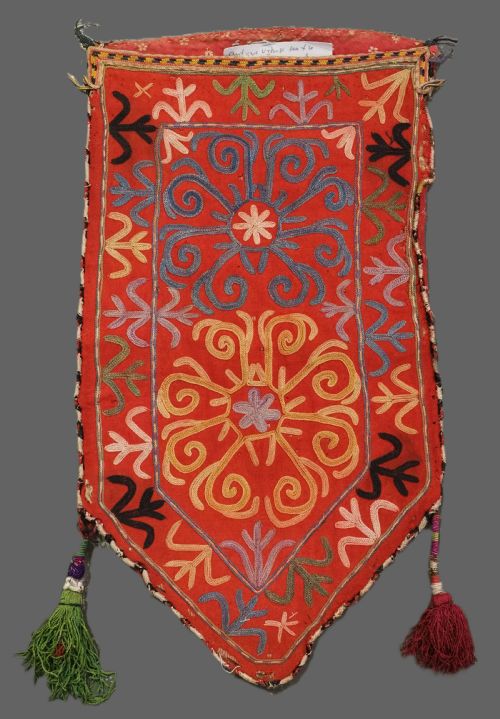
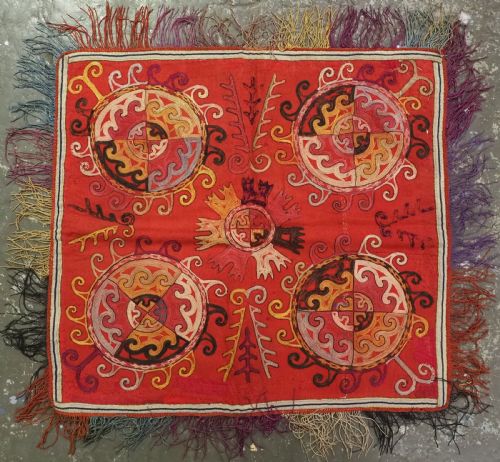
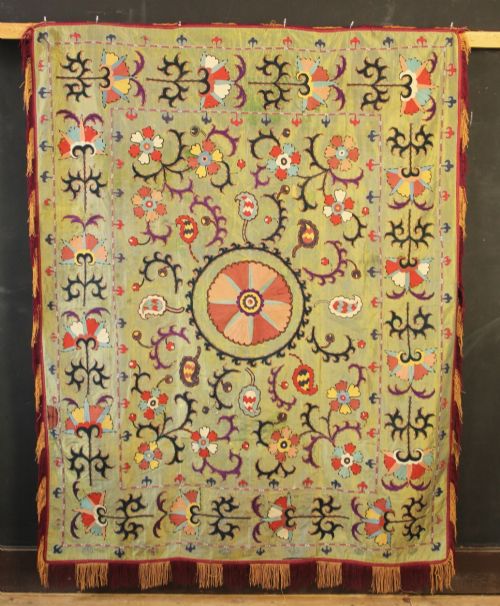
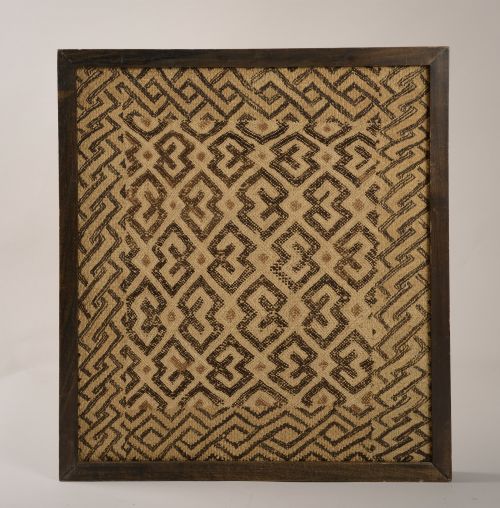
The items found here span from the late nineteenth century to the mid-twentieth century, encompassing Central Asian Nomad designs alongside Traditional African examples. Buyers frequently encounter pieces like Lakai tribe ilgiches, Yomut Turkmen dizlyks, Turkoman tent bands, and Kuba cloths mounted for display.
Each piece carries the distinct cultural heritage of its makers, reflecting centuries-old tribal motifs and techniques. Displaying them on a wall preserves fragile historical textiles while adding texture, warmth, and narrative depth to modern interiors.
Materials and construction methods
The construction of these textiles relies heavily on natural fibres such as wool, silk, and cotton, often dyed using rich natural dyes that retain their vibrancy over decades. Artisans also incorporated materials like raffia, wood, and glass beads to add structural contrast and decorative detail to woven surfaces.
Techniques vary from intricate silk embroidery on wool grounds, as seen in Central Asian dowry pieces, to the complex raffia tapestries produced by African makers. Many items began as functional objects, including spindle bags and vanity-bags, which explains their durable flatweave backs and sturdy construction.
Listings feature textiles spanning from 1870 to 1940, incorporating wool, silk, cotton, and raffia across Central Asian and African traditions.
Factors determining quality
Quality in these textiles rests upon the precision of the handwork, the complexity of the tribal motifs, and the integrity of the materials used. Superior examples display tightly packed stitches, balanced colour palettes derived from natural dyes, and minimal structural degradation over time.
The condition of the textile ground and the preservation of original edges or borders also influence the overall standard. Pieces that retain their full decorative impact without heavy restoration command greater appreciation among serious collectors.
The Tribal Textile Wall Decor Glossary
- Ilgich
- An embroidered wall hanging originating from Central Asian tribes, traditionally created as part of a bride's dowry. These pieces feature dense silk stitching on wool or cotton grounds.
- Kuba cloth
- A textile woven from raffia palm fibre by peoples of Central Africa, known for its intricate geometric patterns and cut-pile plush surfaces. These cloths are frequently framed as wall art.
- Tent band
- A long, narrow woven strip produced by nomadic groups to secure yurt structures, combining utility with elaborate tribal iconography. They display exceptional length and repeating geometric motifs.
- Dizlyk
- A traditional Turkmen knee-boot ornament or trapping associated with Yomut tribes, repurposed by collectors as striking decorative wall panels. They showcase specific Trans-Caspian steppe weaving traditions.
- Natural dye
- Colouring derived from plant, insect, or mineral sources rather than synthetic compounds. These dyes age with a distinctive patina that signals historical authenticity.
Tribal Textile Wall Decor: Frequently Asked Questions
How should I hang fragile antique textiles?
Mounting delicate textiles requires careful weight distribution to prevent pulling on fragile fibres. Using a custom fabric sleeve stitched to the reverse allows a padded wooden slat to support the piece evenly.
Direct contact with adhesive tapes or iron-on backings must be avoided entirely. Framing behind UV-filtered glass protects older silks and natural dyes from fading in bright sunlight.
How do I identify Central Asian embroidery styles?
Central Asian embroideries often utilise vibrant silk threads on contrasting wool or cotton foundations, depicting stylized animal and floral motifs. Specific tribal groups like the Lakai employ distinct geometric layouts and rich Mogul red grounds.
Examining the reverse side reveals the density of the stitch work and the nature of the foundation fabric. Hand-spun yarns and traditional dye variations further distinguish nineteenth-century examples from later reproductions.
What care do historical wool and silk items need?
Maintaining these textiles involves gentle vacuuming through a protective mesh screen to remove surface dust without disturbing loose threads. Keeping them away from excessive humidity prevents mould growth in natural wool and plant fibres.
Professional textile conservation is recommended for any major cleaning or structural stabilization. Regular rotation out of direct light helps preserve the integrity of natural dyes.