


Nomadic Turkmen Rug Panels
These nomadic turkmen rug panels are historical Central Asian tribal weavings, sought after for their rich madder hues and geometric guls.
Nomadic Turkmen Rug Panels
Nomadic turkmen rug panels comprise functional tribal weavings produced across the Trans-Caspian steppes and surrounding regions during the nineteenth and early twentieth centuries. These pieces originate from distinct tribal groups such as the Tekke, Yomut, Ersari, Saryk, and Chodor, each utilising traditional motifs.
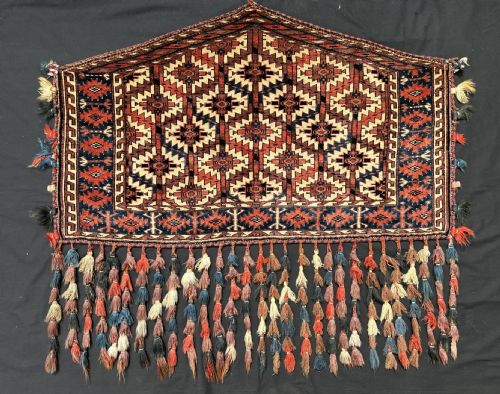
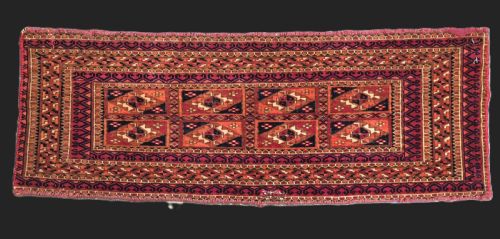
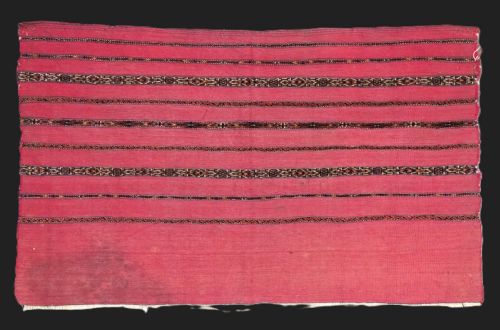
Buyers on this page encounter various forms including asmalyks, torbas, chuvals, mafrashes, and dizlyks. Many items function as storage bag faces, tent trappings, or wedding camel trappings, while others survive as fragments or wall hangings.
The aesthetic centres on repetitive tribal guls and banded flatweave designs executed by weavers working within nomadic and settled Central Asian communities. These textiles reflect the cultural heritage and utilitarian needs of nineteenth-century tribal life.
Materials and Construction
These textiles rely primarily on wool foundations and pile, supplemented by cotton and linen in specific structural elements. Weavers built these pieces using traditional techniques, incorporating natural dyes to achieve deep red grounds and contrasting secondary tones.
The construction ranges from finely woven pile surfaces to banded flatweave designs and structured storage bag faces. Artisans completed these works with durable edges and backs where specified, ensuring utility within harsh nomadic environments.
The inventory records various functional forms including chuvals, torbas, and asmalyks originating from the Trans-Caspian steppes.
Assessing Quality
Quality in these tribal weavings rests on the precision of the drawing and the complexity of the gul arrangements. Superior examples demonstrate exceptional balance in their composition and disciplined execution across the field.
Colour saturation and the clarity of natural dyes distinguish the upper tier of pieces. Finer weaves and complete structural integrity, such as retained backs and original dimensions, further elevate individual panels.
The Nomadic Turkmen Rug Panels Glossary
- Gul
- A primary medallion motif used in Central Asian tribal rugs. These repeating octagonal or shield-shaped designs identify specific tribal groups and weaving traditions.
- Chuval
- A large tent storage bag produced by nomadic tribes. These rectangular pieces feature multiple guls and served practical storage functions within the yurt.
- Torba
- A smaller wall storage bag utilised within nomadic dwellings. They mirror the design vocabulary of larger chuvals but in reduced dimensions.
- Asmalyk
- A pentagonal or wedding camel trapping used during tribal nuptial processions. These decorative textiles display distinctive formats and iconography.
- Mafrash
- A rectangular storage chest face or side panel. They frequently incorporate banded flatweave or piled geometric patterns.
Nomadic Turkmen Rug Panels: Frequently Asked Questions
What are nomadic turkmen rug panels?
These items are historical tribal textiles originating from Central Asian groups such as the Tekke and Yomut. They represent functional items like storage bags and tent trappings created during the nineteenth century.
Over time, many of these utilitarian objects transitioned into decorative wall art. Their survival preserves the distinctive design language of the Trans-Caspian steppes.
How were these panels used originally?
Nomadic families utilised these woven pieces inside yurts for storing household possessions and bedding. Specific forms functioned as camel trappings during wedding ceremonies and tribal migrations.
Every format served a precise role within daily domestic and ceremonial life. The construction accommodated the mobile existence of these pastoral communities.
How do I hang a rug panel?
Displaying these textiles safely requires distributing the weight evenly across the upper edge. Conservation-grade Velcro or a custom fabric sleeve attached to the reverse prevents undue stress on old wool foundations.
Keeping textiles away from direct sunlight protects natural dyes from fading. Stable indoor humidity levels preserve the integrity of the antique fibres.
How do I identify different tribal groups?
Attribution relies on examining the specific gul shapes, secondary ornaments, and overall colour palettes. For instance, Tekke pieces often feature distinct octagonal guls on red grounds, while Yomut examples display alternative structural geometry.
Border patterns and flatweave banding also offer clues to tribal origin. Comparing individual drawing styles helps separate pieces made by different regional groups.