

Tribal Hallway Carpet
A tribal hallway carpet brings centuries of nomadic weaving traditions into a narrow space, offering durable wool construction and geometric designs.
Tribal Hallway Carpet
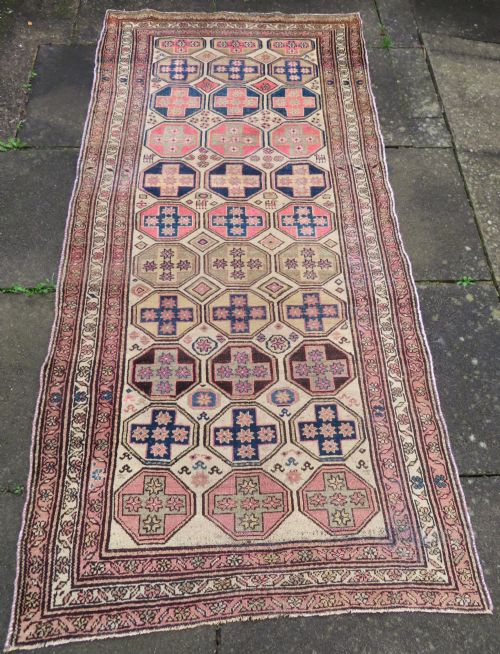
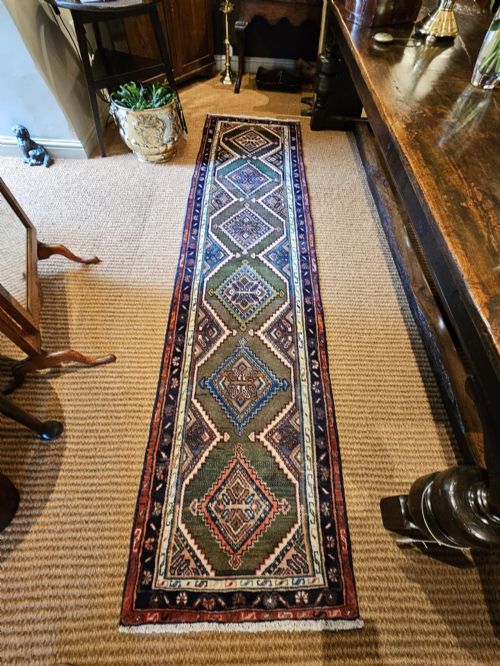
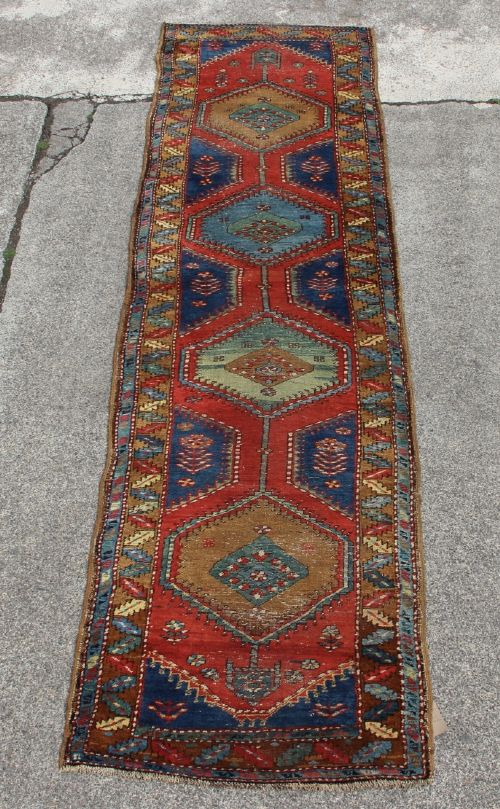
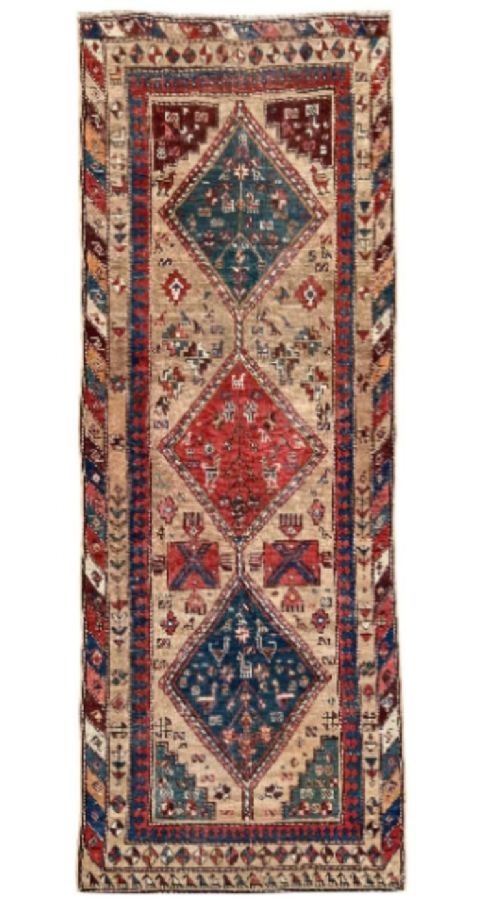
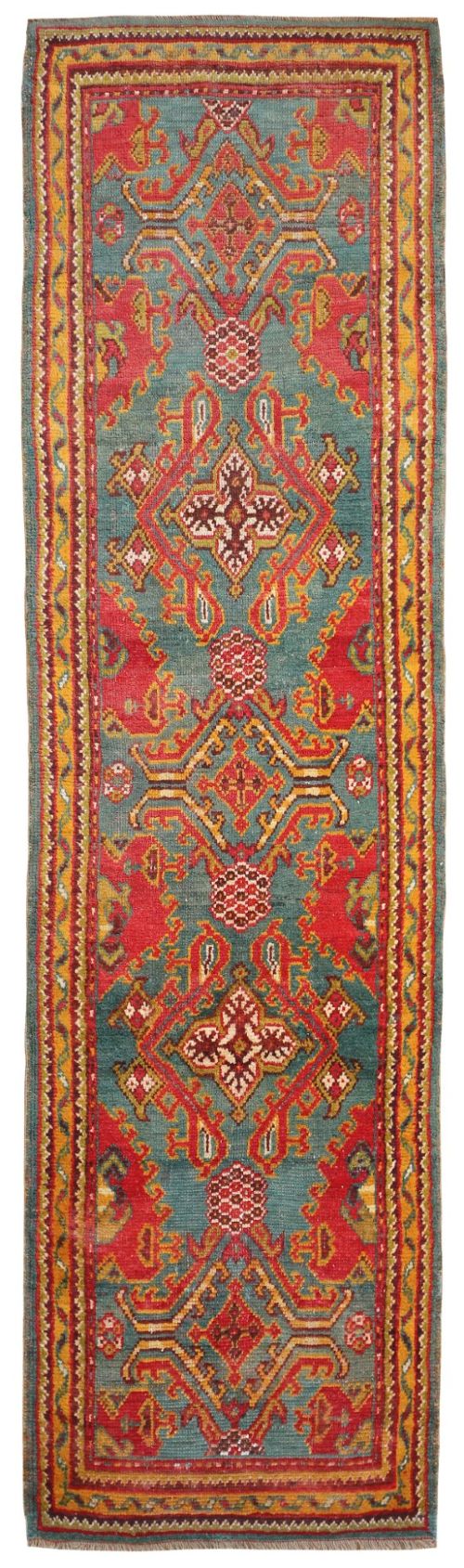
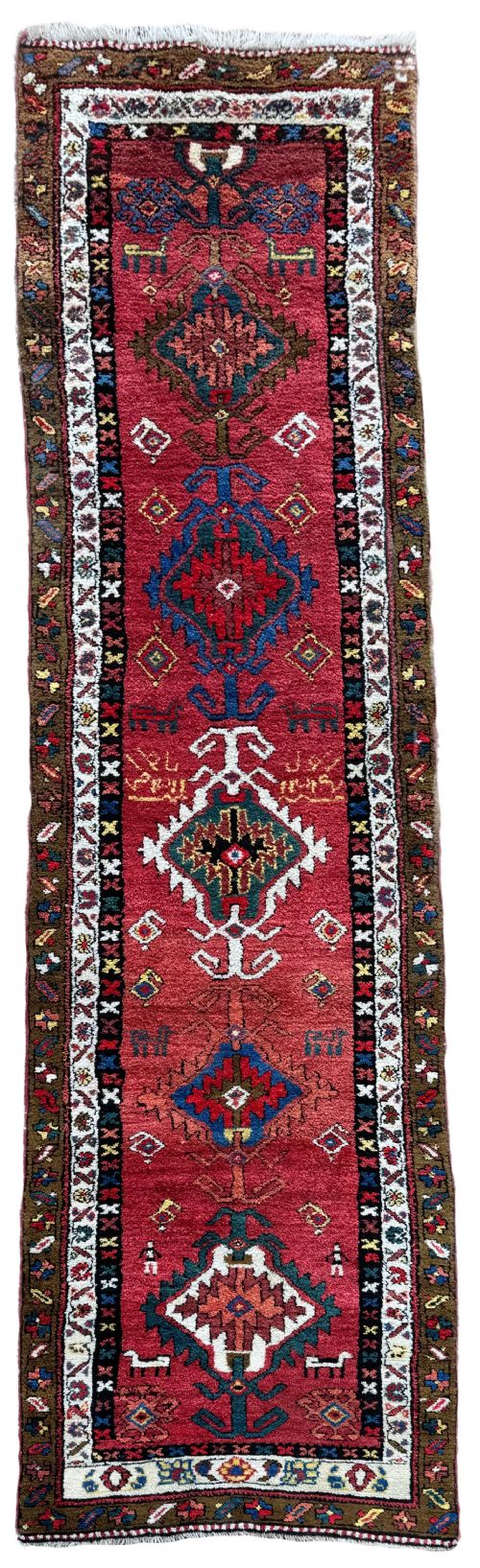
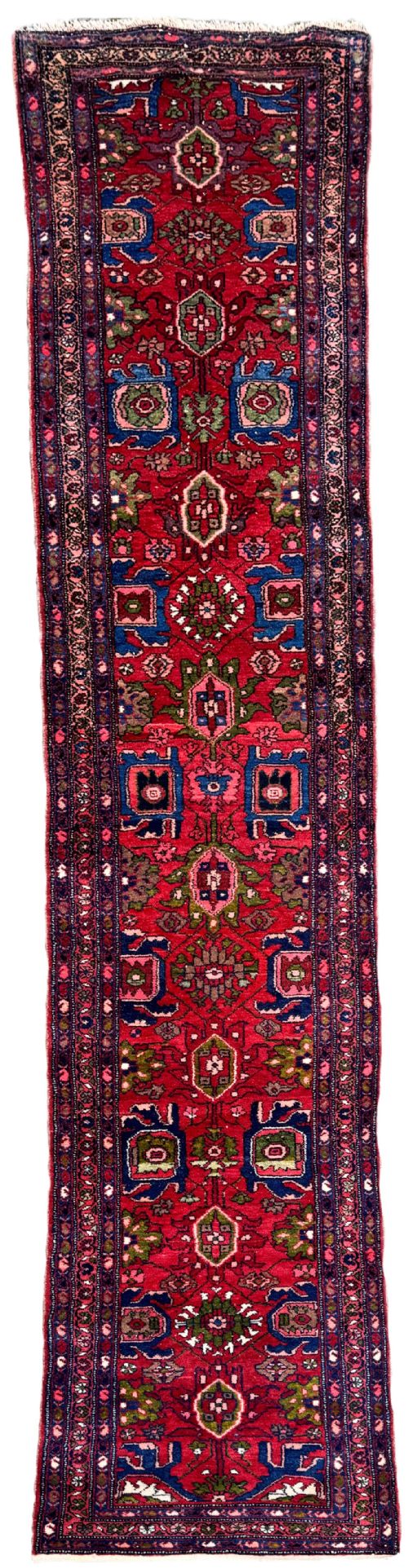
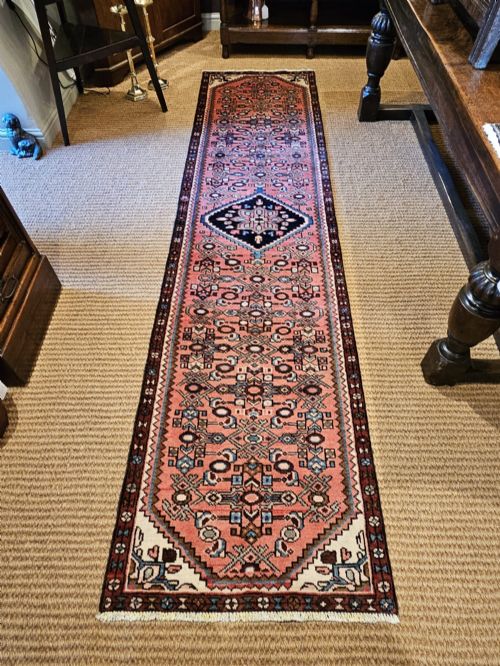
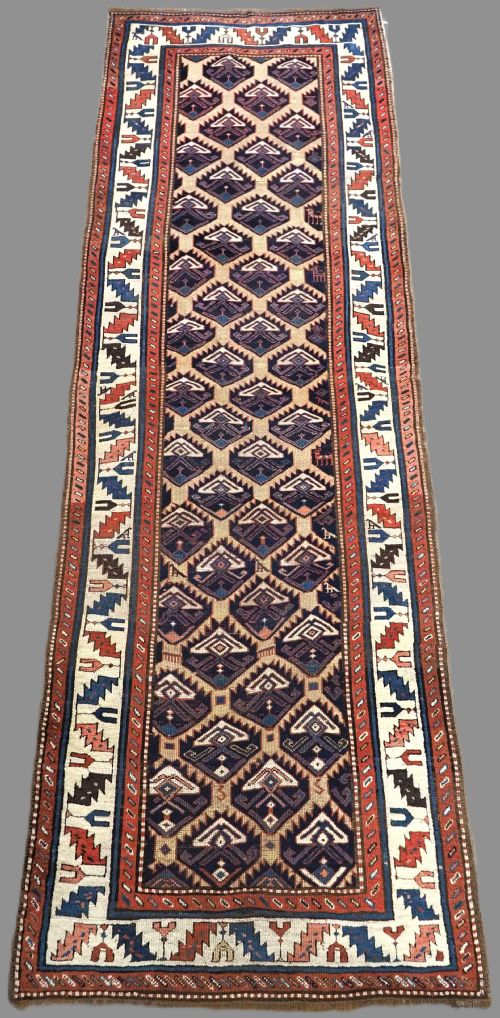
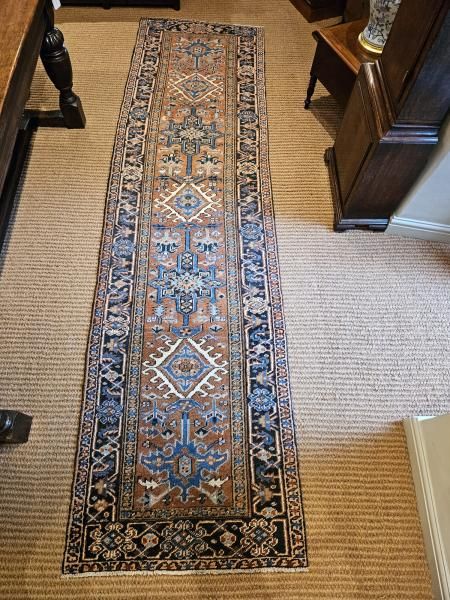
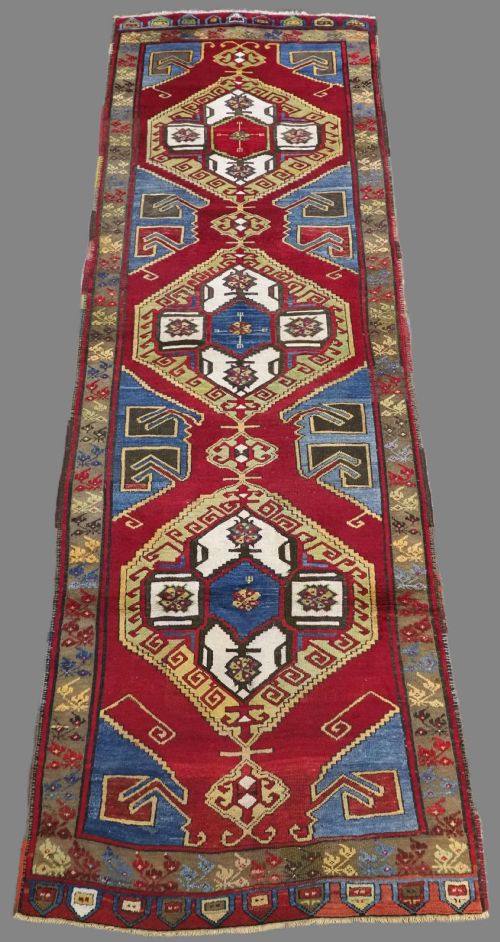
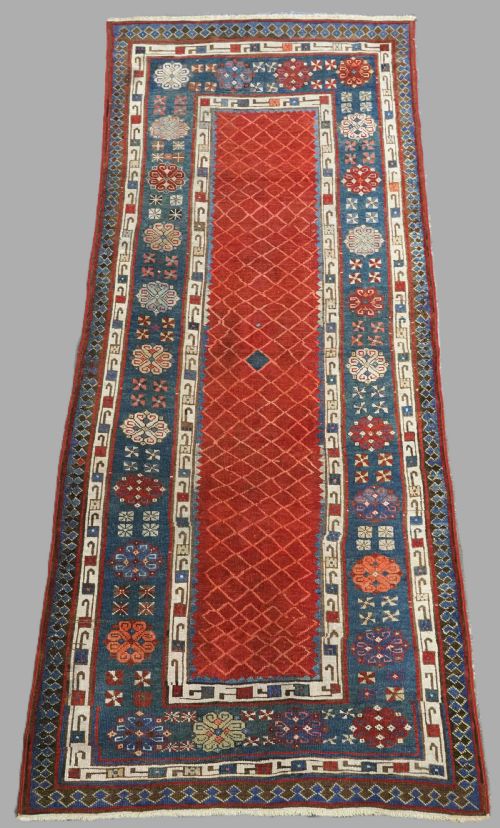
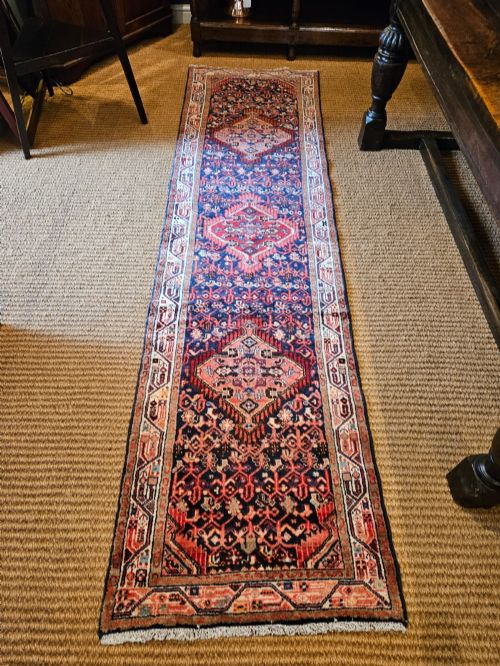
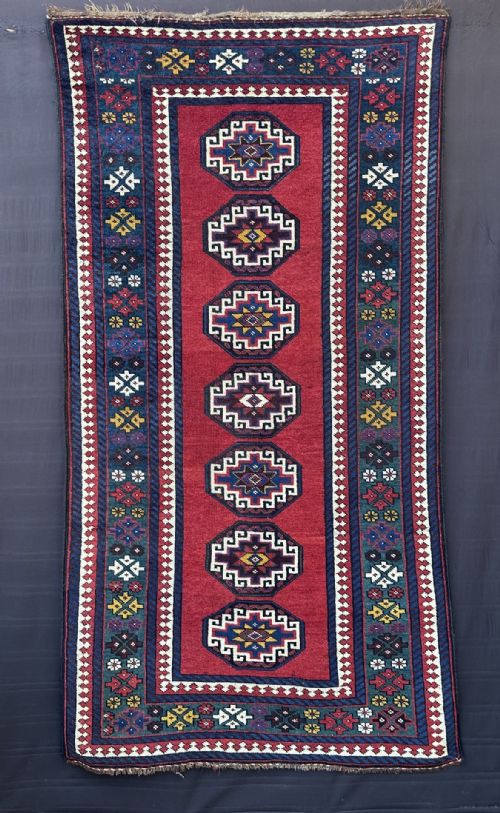
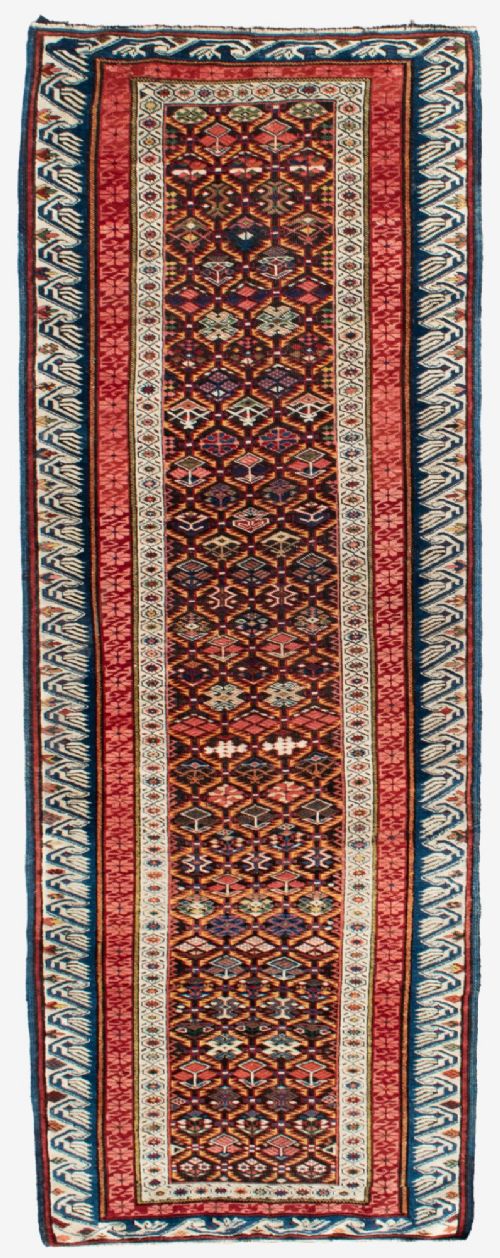
A tribal hallway carpet is typically encountered in longer formats such as runner rugs and hallway runners designed specifically for corridors. These textiles originate from various regional traditions including Persian tribal, Caucasian, Anatolian tribal, and Kurdish tribal workshops.
The selections span distinct periods from the nineteenth century into the early twentieth century, encompassing dates such as eighteen eighty, nineteen hundred, and nineteen ten. Makers utilised traditional formats to cover long walkways while displaying regional patterns.
Materials and Construction
These carpets rely primarily on natural wool and cotton fibres spun and knotted by hand. Weavers constructed traditional handwoven runners using sturdy foundations that withstand heavy corridor traffic.
Natural dye palettes and regional wool qualities determine the tactile feel and visual depth of each runner. The interplay between wool pile and cotton foundations creates the characteristic weight found in these antique pieces.
Tribal Hallway Carpet Retail Price Guide 2026
Typical asking prices for tribal hallway carpet among the pieces listed under this phrase on Sellingantiques today, from the lower quarter to the upper quarter. They describe what is for sale here now, not the wider market.
Current listings feature runner rugs spanning from the 19th Century up to 1930, utilising wool and cotton materials across Persian and Caucasian styles.
Assessing Quality and Execution
Quality in these carpets rests on knot density, the precision of the geometric or lattice design, and the integrity of the wool. Finer pieces demonstrate tighter knotting and sharper rendering of traditional motifs.
The condition of the pile and the stability of the foundation further distinguish individual examples. Uniform wear across the length of a runner indicates balanced utilisation over generations.
The Tribal Hallway Carpet Glossary
- Runner
- A long, narrow carpet format specifically suited for hallways, corridors, and landings. These pieces measure significantly longer than they are wide.
- Lattice design
- A repeating grid or network pattern enclosing geometric motifs across the field of the carpet. This layout appears frequently in Caucasian and Persian weaving.
- Pile
- The upright yarn loops or tufts that form the usable surface of a woven carpet. Wool pile provides cushioning and insulation underfoot.
- Foundation
- The underlying grid of warp and weft threads that supports the knotted wool pile. Cotton is commonly utilised for this structural base.
- Kurdish
- Pertaining to the distinctive weaving styles, wool choices, and geometric patterns originating from Kurdish tribal groups. These rugs often display robust colour palettes and durable construction.
Tribal Hallway Carpet: Frequently Asked Questions
Where should I place a tribal hallway carpet?
These long formats suit narrow corridors, stair landings, and entrance halls where linear textiles add warmth and colour. Their sturdy construction handles daily foot traffic effectively.
Ensure you measure your corridor length and width carefully before selecting a runner, leaving a small margin of exposed flooring around the edges.
How do I identify a Caucasian runner?
Caucasian pieces typically display sharp geometric motifs, medallions, and lattice designs executed in saturated primary tones. The weave tends to be crisp and firm.
Examining the structural materials and fringe finish often provides additional clues to their specific regional origin within the Caucasus mountains.
What maintenance do these wool carpets need?
Routine care involves gentle vacuuming without a rotating brush roll to protect the wool pile and fringe ends. Professional cleaning should be undertaken periodically by specialists in antique textiles.
Using a suitable underlay helps prevent slipping and reduces friction between the carpet and the floorboards beneath.
How do I date an antique runner?
Dating relies on stylistic analysis of the motifs, the characteristics of the natural dyes, and the structural construction of the foundation. Pieces from the nineteenth century often show distinct regional idiosyncrasies.
Comparing knot structure and wool preparation against documented examples from periods like nineteen hundred helps narrow down the decade of production.