
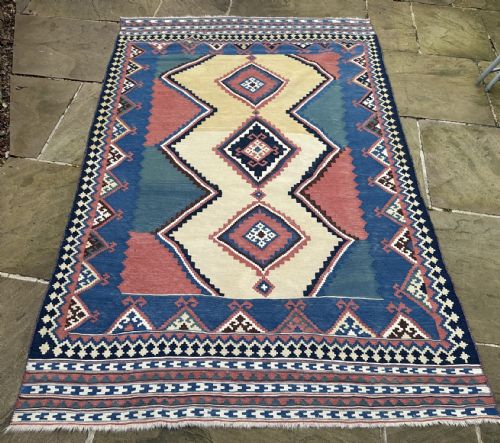



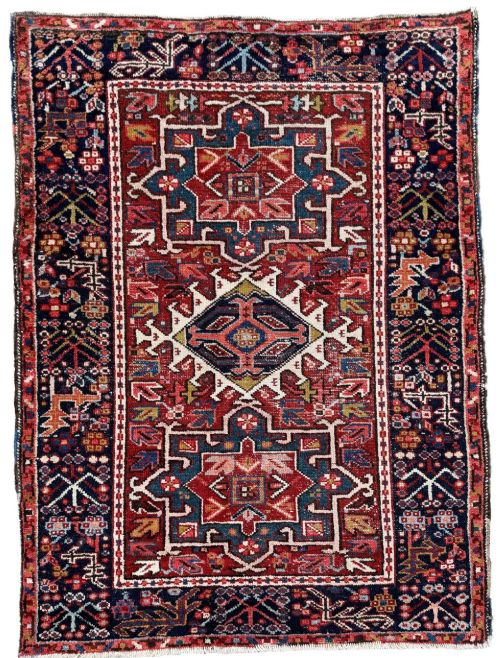


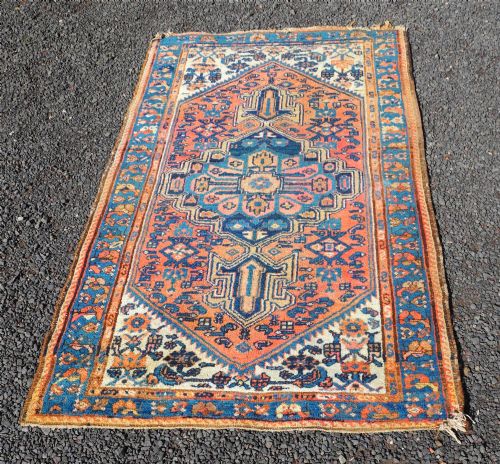
Tribal Geometric Persian Rug
A tribal geometric persian rug brings structured motifs and rich colour from village and nomadic traditions straight to the floor.
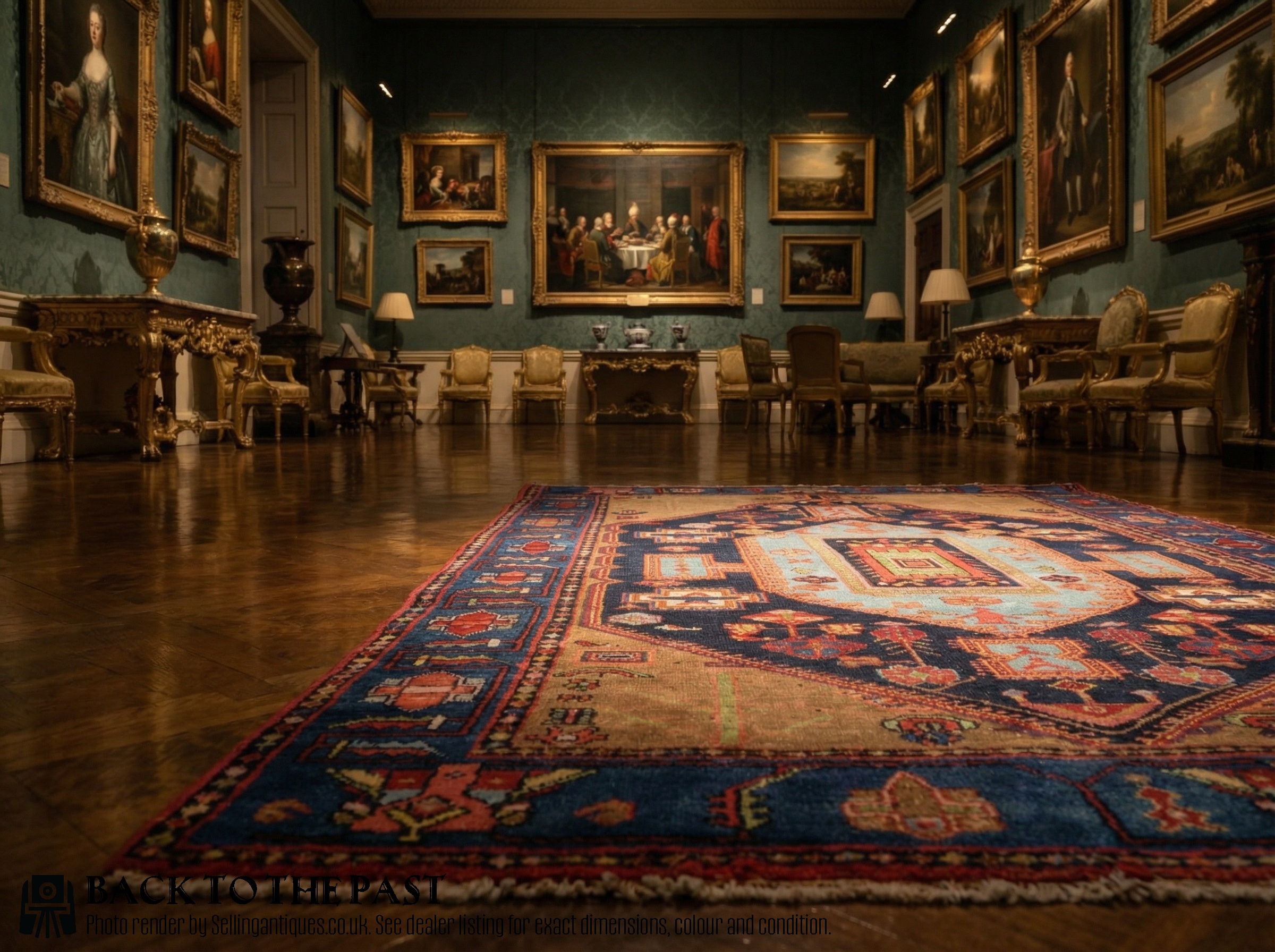
Tribal Geometric Persian Rug
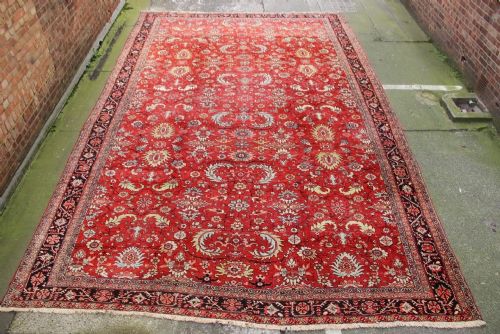
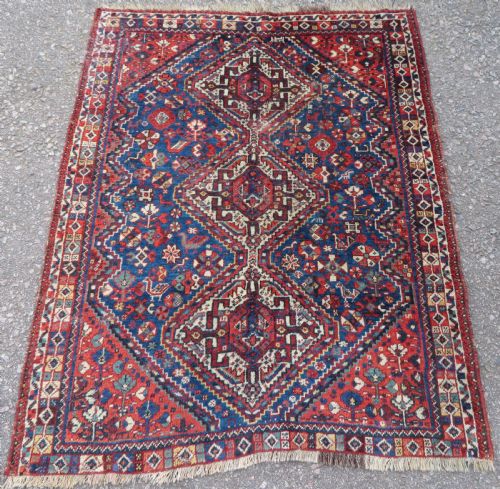
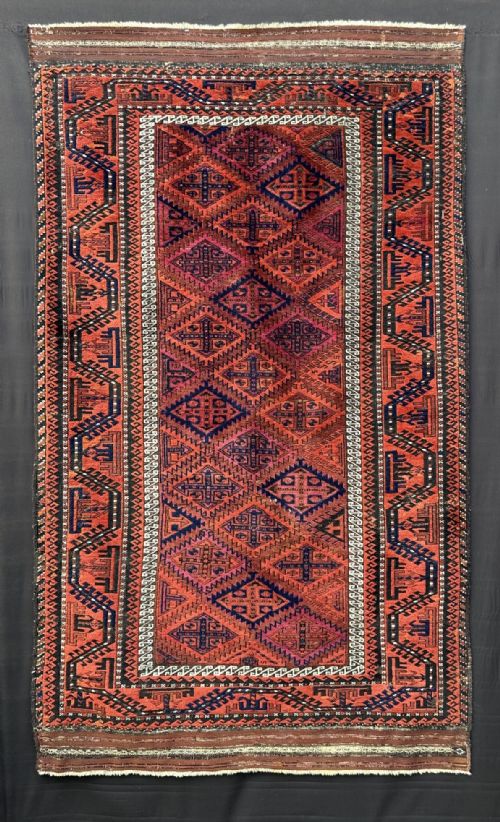
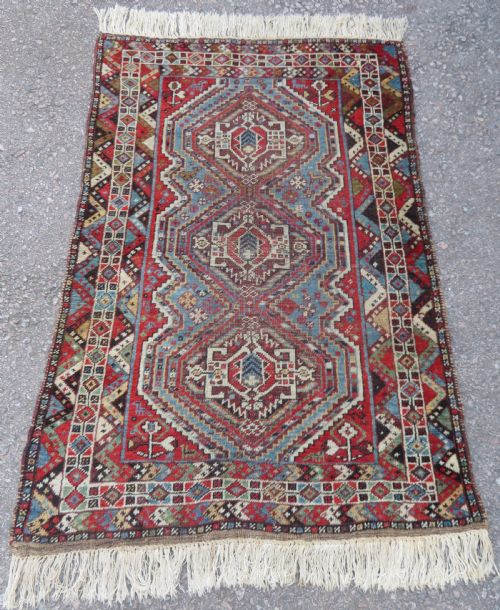
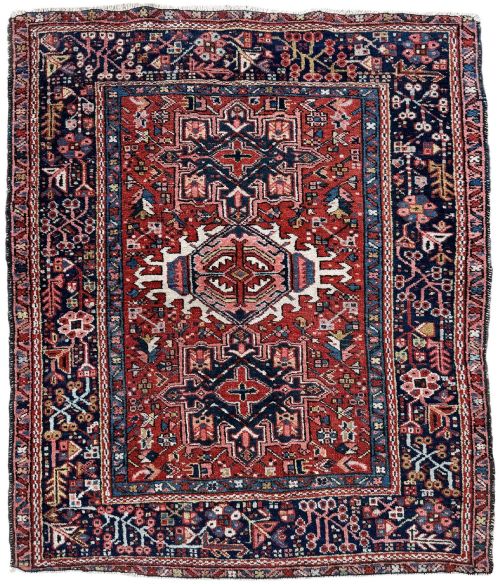
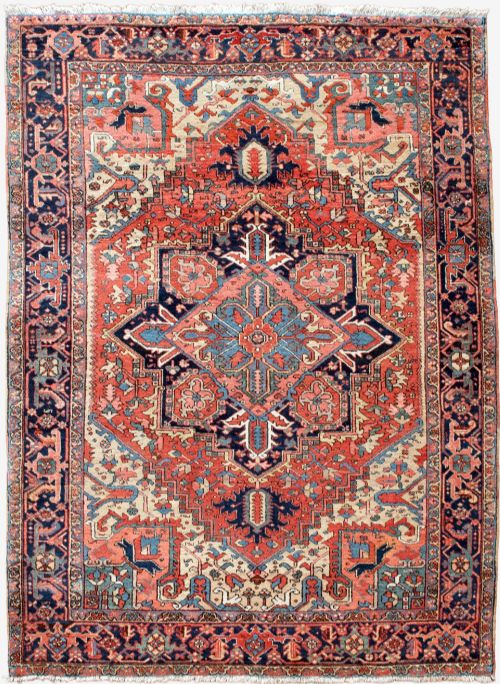
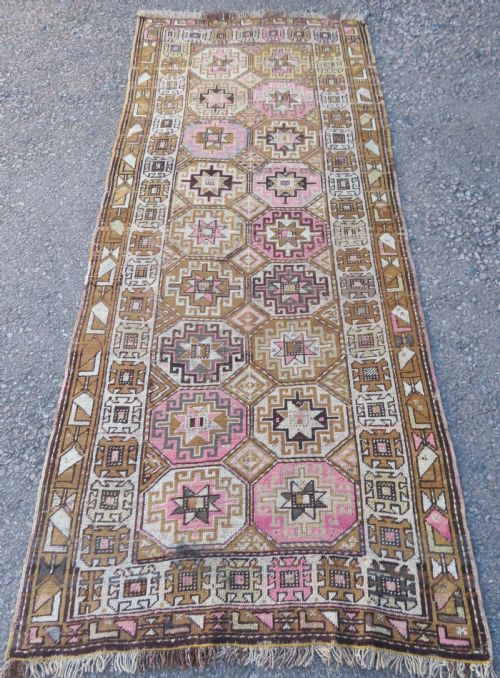
A tribal geometric persian rug represents the hand-woven textiles produced by nomadic confederacies, village weavers, and regional makers across Persia and surrounding areas. These pieces typically display structured medallions, lattice patterns, and repeated motifs rather than fluid floral scrolls.
The selections available here range from small hearth rugs and saddle bag cushions to substantial hallway runners and main carpets. Pieces date primarily from the late nineteenth century through the early decades of the twentieth century, encompassing varied regional styles.
Buyers frequently encounter specific village and nomadic types such as Hamadan, Afshar, Karaja, Heriz, and Baluch pieces. Each group brings distinct regional palettes and geometric vocabulary to the floor.
Materials and construction
Weavers utilised durable sheep wool, hand-spun wool, and occasionally camel hair for the pile, foundation yarns, and structural warps and wefts. Cotton foundations also appear in various regional village rugs from this period.
Natural dyes provide the varied palettes seen across these textiles, creating soft tonal shifts and depth within the geometric fields. Hand-knotting techniques secure the pile firmly to the warp and weft threads, producing robust floor coverings designed for daily use.
Several nomadic items double as portable storage, including saddle bags and vanity bags woven to travel across landscapes.
Assessing quality
Quality rests upon the fineness of the knotting, the handling of the wool, and the clarity of the geometric design. Finer knot counts allow complex lattice patterns and medallions to resolve with precision.
The choice and saturation of natural dyes heavily influence the visual impact of each piece. Purity of wool and integrity of the foundational weave determine how well the rug withstands age and usage.
The Tribal Geometric Persian Rug Glossary
- Medallion
- A central ornamental motif placed in the middle of the rug field. This design element often anchors the surrounding geometric patterns.
- Runner
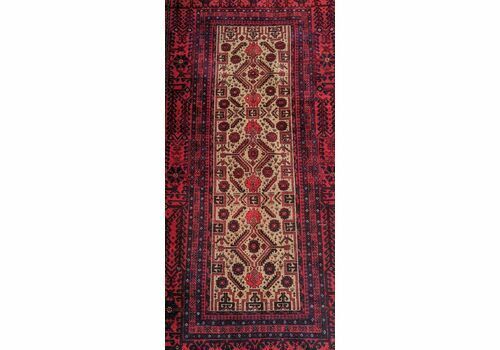
- A long, narrow carpet format designed primarily for hallways, corridors, or narrow spaces. These pieces span considerable lengths relative to their width.
- Pile
- The upright yarn loops or cut ends that form the soft surface of the rug. This layer absorbs foot traffic and displays the woven colours.
- Warp
- The vertical foundation threads stretched tightly on the loom before knotting begins. Weft threads pass horizontally between them to secure the structure.
- Natural Dyes
- Colourants derived from plants, insects, and minerals rather than synthetic compounds. These materials yield complex, harmonious hues that age gracefully.
Tribal Geometric Persian Rug: Frequently Asked Questions
Where were these rugs made?
These rugs originate from village workshops, nomadic tribal groups, and regional weaving centres across Persia and neighbouring territories. Specific origins include provinces and tribal confederacies such as Fars, Kerman, and Heriz.
Weavers produced them in domestic settings or small community workshops using locally sourced materials and traditional regional designs passed down through generations.
How do I care for an old rug?
Regular gentle vacuuming without a rotating brush roll keeps dust and grit from settling into the wool pile. Professional cleaning suited for antique textiles preserves the natural fibres and dye stability.
Using an appropriate underlay prevents slipping and cushions the foundation against hard flooring, reducing physical stress on the wool and cotton threads during daily use.
What is a runner rug used for?
Runners provide practical floor coverage in long, narrow spaces such as hallways, corridors, and staircases. Their elongated format guides movement through domestic interiors while introducing colour and pattern to transitional areas.
These narrow carpets also function effectively in kitchens, bedside spaces, and narrow entryways where standard rectangular formats do not fit comfortably.
How do I identify different regional styles?
Regional attribution relies on examining the specific geometric vocabulary, border arrangements, and characteristic colour combinations. Certain tribal groups favoured deep reds and blues with large guls, while specific village workshops produced crisp medallion formats.
Structural details such as foundation materials and edge finishes further assist in separating pieces originating from different nomadic confederacies and provinces.