



Tribal Flooring Mat
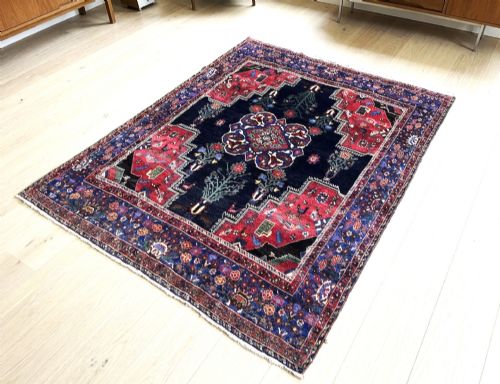
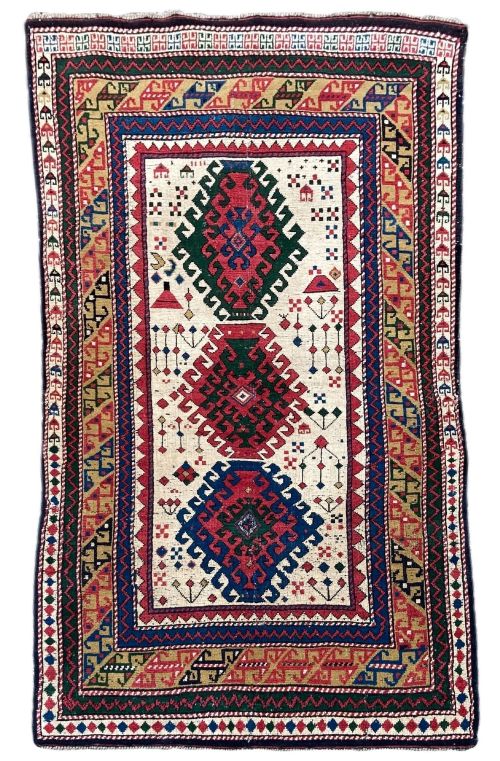
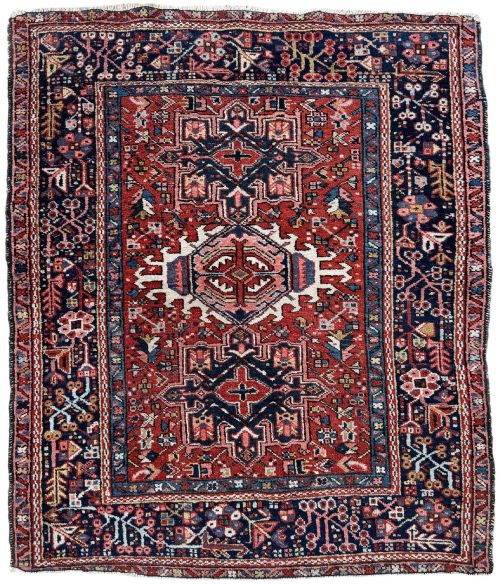
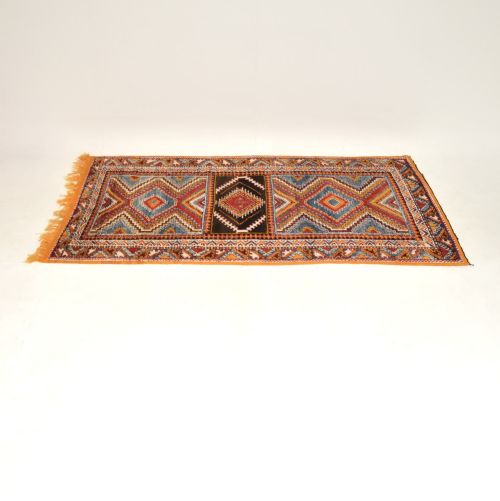
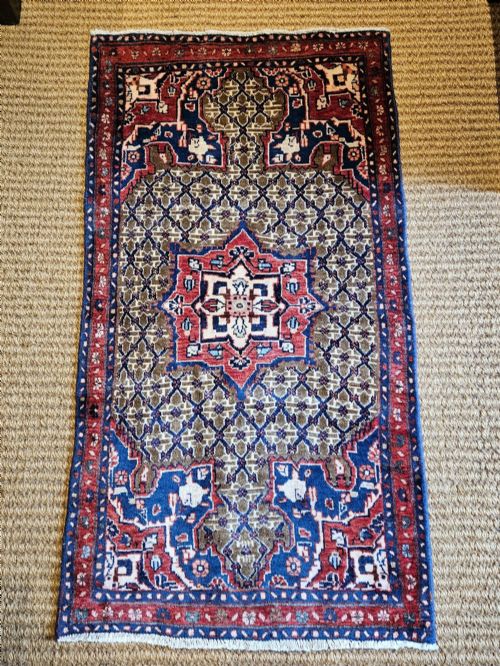
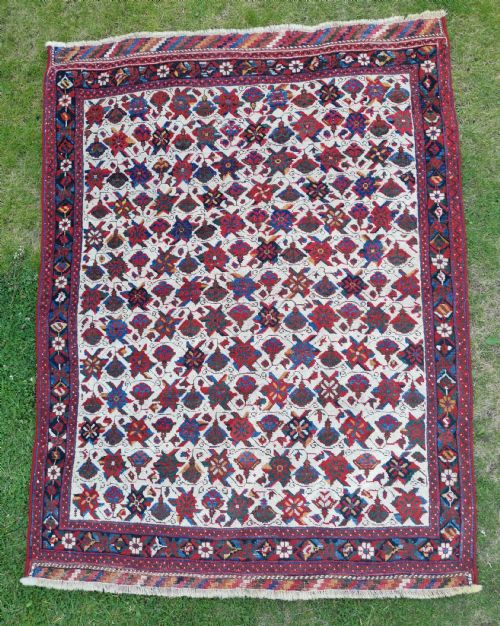
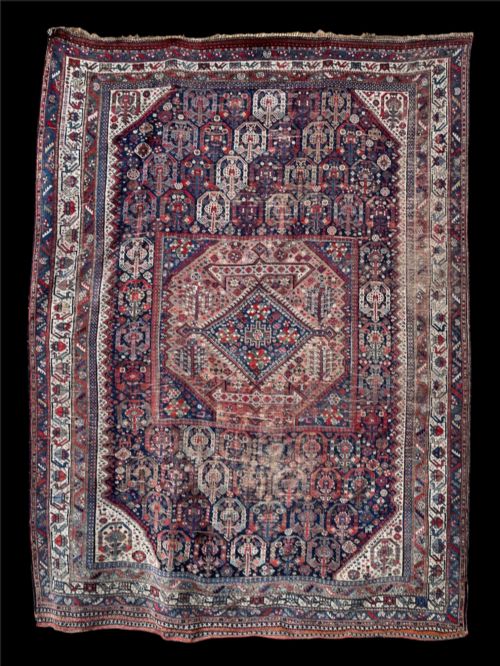
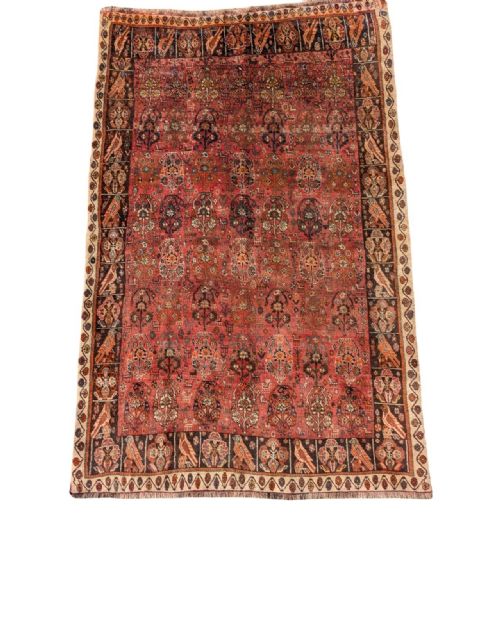
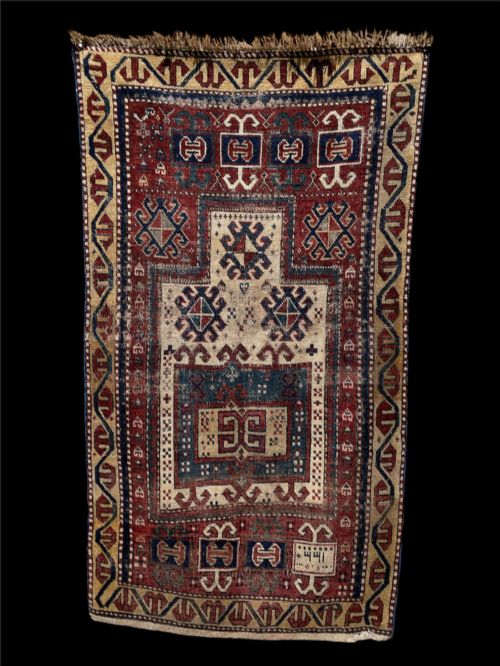
These tribal flooring mat examples bring together historic hand-woven woolen rugs and carpets from Persian, Caucasian, and Central Asian traditions.
Tribal Flooring Mat
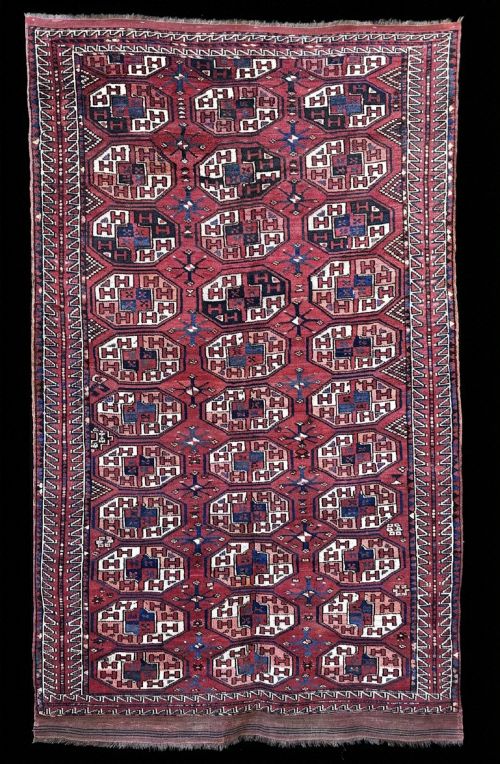
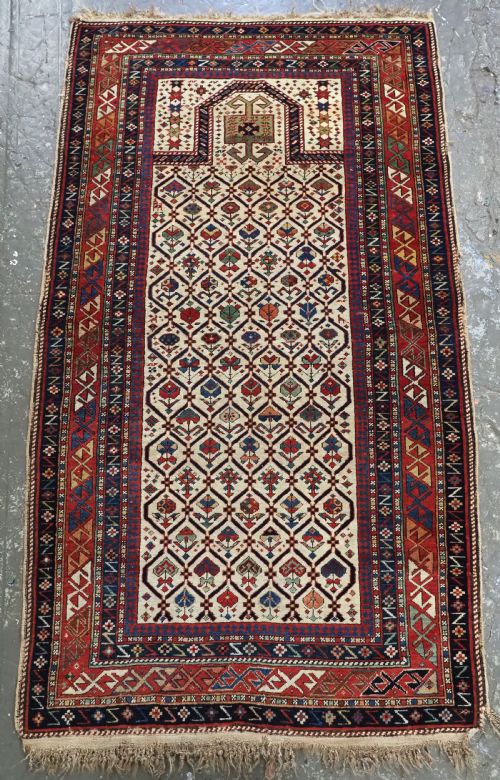
A tribal flooring mat encompasses hand-knotted and woven rugs, carpets, prayer rugs, and saddlebags produced by nomadic and village weavers across Persia, the Caucasus, and Central Asia. The items listed here span periods from the nineteenth century through the early twentieth century, reflecting traditional tribal patterns such as the gul, prayer mihrabs, and geometric lattice designs.
Buyers will most frequently encounter regional village and nomadic pieces, including Baluch, Afshar, Khamseh, and Yomut carpets. These textiles were originally utilised as utilitarian floor coverings, hearth rugs, and animal trappings within nomadic camps and village homes before entering the antique market.
Materials and technique
The construction relies heavily on wool and hand-spun wool, often paired with cotton foundations depending on the specific weaving centre or nomadic group. Weavers utilised natural dyes and vegetable dyes to achieve deep red and blue tones, creating resilient textiles designed for heavy domestic use on the floor.
Techniques range from pile knotting to flat-weaving methods such as soumak and kilim construction. These traditional methods ensure structural integrity, with many examples retaining long kilim ends and original hand-woven selvedges.
Tribal Flooring Mat Retail Price Guide 2026
Typical asking prices for tribal flooring mat among the pieces listed under this phrase on Sellingantiques today, from the lower quarter to the upper quarter. They describe what is for sale here now, not the wider market.
Represented regional styles include Persian Tribal, Caucasian, Anatolian, and Turkmen nomadic traditions.
Variations in quality
Quality in a tribal flooring mat rests upon the tightness of the knotting, the fineness of the wool, and the clarity of the natural dyes used in the design. Pieces with dense foundations and well-defined geometric or floral motifs demonstrate superior craftsmanship from the weaver.
Another measure of quality is the preservation of original condition, including intact borders, uniform pile height, and the vibrancy of the vegetable dyes. Items retaining their original dimensions and structural edges command greater interest among collectors of regional carpets.
The Tribal Flooring Mat Glossary
- Gul
- A medallion motif commonly found in Turkmen and Central Asian tribal weaving. This repeating octagonal design often identifies the specific tribe or confederacy.
- Prayer rug
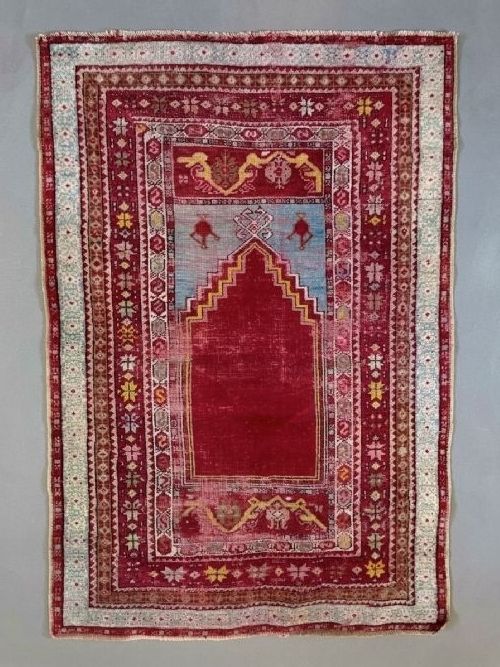
- A small rug featuring a mihrab or arch design indicating the direction of prayer. These pieces were utilised for personal devotion in Islamic households.
- Soumak
- A flat-weave technique where coloured weft threads are wrapped around the warp threads to create a textured surface. This method produces a sturdier structure than standard tapestry weaving.
- Saddlebag
- A utilitarian bag woven in pairs for transporting goods on animals. Collectors frequently prize surviving single sections or complete bags for their compact tribal designs.
- Mihrab
- The arched niche depicted on prayer rugs, symbolising the direction toward Mecca. Weavers adapt this architectural form into distinct geometric and floral variations.
Tribal Flooring Mat: Frequently Asked Questions
How do I identify a tribal rug?
Look for asymmetrical geometric patterns, repeating tribal motifs like the gul, and saturated natural dye colours such as deep reds and blues. These characteristics reflect the nomadic traditions of weavers from Persia, the Caucasus, and Central Asia.
Examination of the wool quality and the construction of the fringe or ends will also help distinguish regional nomadic pieces from later commercial reproductions.
Where were these rugs made?
These textiles originate from nomadic and village communities across regions such as the Caucasus, Persia, and Turkmenistan. Specific tribes and confederacies, including the Baluch, Yomut, and Khamseh, produced these floor coverings for daily use.
Each region developed distinct colour palettes and weaving techniques that allow collectors to trace the geographic origins of individual pieces.
Are these rugs suitable for modern floors?
Historic hand-woven wool rugs provide durable flooring solutions when paired with a quality underlay to prevent slipping and reduce wear. Their sturdy wool construction and vegetable-dyed fibres withstand regular foot traffic in hallways, living rooms, and hearth areas.
Placing them away from direct, harsh sunlight preserves the natural dyes and extends the lifespan of the antique wool pile.
What is the difference between a main carpet and a scatter rug?
Main carpets are larger room-sized textiles designed to cover the primary floor space of a nomadic tent or village home. They typically feature complex, expanded field designs and multiple decorative borders.
Scatter rugs and hearth-sized rugs are smaller formats intended for specific seating areas, entryways, or individual functional spaces within the dwelling.