

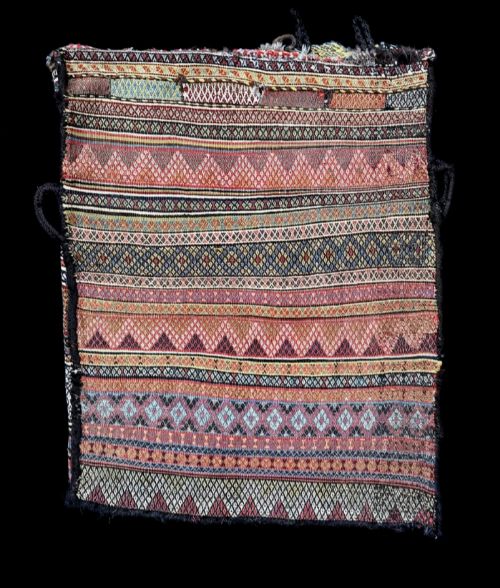
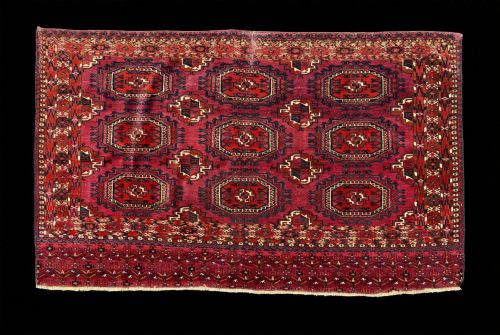


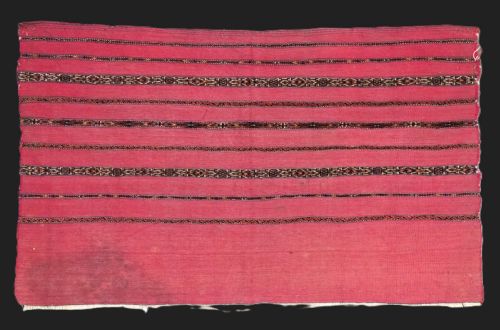


Tribal Chuval Face
A tribal chuval face is a woven textile fragment originating from Central Asian nomadic groups, prized by collectors for its geometric design and rich wool pile.
Tribal Chuval Face
A tribal chuval face represents the front panel of a large storage bag used traditionally by Turkmen and other nomadic groups across Central Asia. When you browse this selection, you primarily encounter pieces woven by the Tekke, Ersari, and Yomut tribes dating from the mid-nineteenth century up to the early twentieth century.
These textile panels display characteristic repeating medallions known as guls, alongside subsidiary motifs like elems and hanging loops. Examples range from smaller formats featuring three guls to denser compositions containing up to thirty guls.
Most entries function today as decorative wall hangings or collector rugs, preserving portable nomadic art forms. The survival of these fragments demonstrates the durability of traditional tribal weaving practices.
Factors of quality
Quality in a tribal chuval face rests upon the handle, the crispness of the drawing, and the saturation of the natural dyes. Superior examples exhibit tightly packed foundations, fine knotting, and vibrant colorfast palettes that retain their contrast over time.
Rarity of design also influences the standing of a piece, such as unusual gul counts, turreted Salor motifs, or intact hanging loops. Structural integrity and the preservation of the original elem panels further distinguish standard weaving from exceptional work.
Tribal Chuval Face Retail Price Guide 2026
Typical asking prices for tribal chuval face among the pieces listed under this phrase on Sellingantiques today, from the lower quarter to the upper quarter. They describe what is for sale here now, not the wider market.
Listings feature pieces from the mid-nineteenth century through the early twentieth century, utilising wool, cotton, silk, and natural dyes.
Tekke Turkmen·Ersari Turkmen·Yomut Turkmen·Saryk Turkmen·Kizil Ayak
The Tribal Chuval Face Glossary
- Chuval
- A large tent bag used by Central Asian nomads for storing household goods. The face represents the decorative front panel surviving after the utilitarian back wore out.
- Gul
- A primary repeating medallion motif characteristic of Turkmen carpet and textile design. Different tribes utilised distinct gul geometries to signify lineage and identity.
- Elem
- The decorated lower border panel at the end of a chuval face or rug. This section often displays floral or tree designs distinct from the main field.
- Torba
- A smaller storage bag format related to the chuval, used for domestic items within the nomadic tent. These pieces share similar weaving techniques and palette structures.
- Mafrash
- A rectangular storage bag or panel associated with nomadic bedding and household transport. They frequently incorporate panel designs or continuous patterns.
Tribal Chuval Face: Frequently Asked Questions
What is a tribal chuval face?
A tribal chuval face is the decorative front panel of a nomadic storage sack, typically originating from nineteenth-century Central Asian tribes. These textiles served both practical storage functions and as displays of tribal identity.
Today, collectors appreciate them as portable works of art that display sophisticated geometric weaving and natural dye work. They preserve centuries-old nomadic design traditions in a compact format.
How were chuval faces used?
Nomadic families utilised chuvals inside tents to store bedding, clothing, and household possessions. The sturdy construction protected contents from moisture and dust during seasonal migrations.
Over time, as the utilitarian back panels deteriorated, the decorative faces were preserved and removed. Modern interiors utilise these textile panels primarily as wall hangings or small display rugs.
How do I hang a textile safely?
Hanging a textile requires distributing the weight evenly across the entire top edge rather than piercing the fabric with nails or pins. Conservation-grade Velcro stitching or a custom sleeve attached to the back provides secure support.
Keep the piece away from direct sunlight and high humidity to protect the wool pile and natural dyes. Periodic rotation prevents uneven environmental exposure and dust accumulation.
How do I identify different tribal designs?
Identifying tribal origin relies on examining the specific structure of the guls, the background colour palette, and border arrangements. Tekke pieces often feature precise octagonal guls on madder grounds, while Yomut designs tend toward diamond motifs and distinct hooked patterns.
Ersari and Saryk chuvals introduce variations in scale, secondary filler motifs, and elem layouts. Comparing knot density and fibre content further clarifies tribal attribution.