

Tribal Carpet Wall Hanging
When seeking a tribal carpet wall hanging, you are exploring woven and embroidered nomadic textiles that translate utilitarian camel bags and horse covers into striking interior panels.
Tribal Carpet Wall Hanging
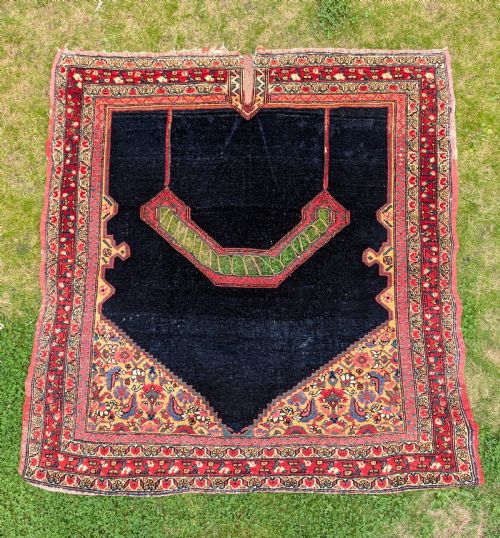
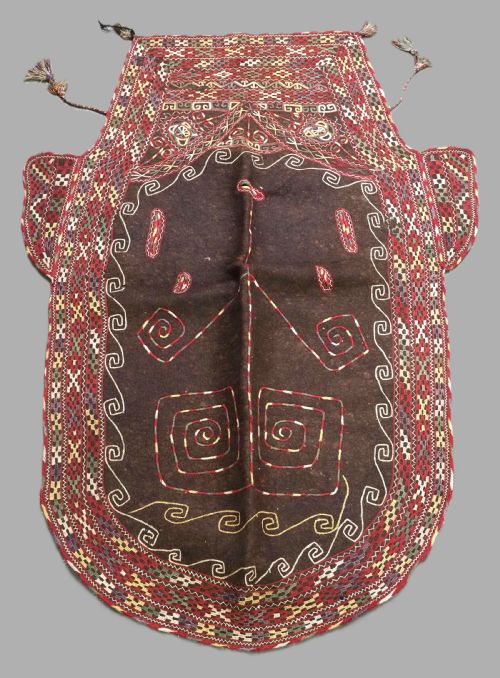
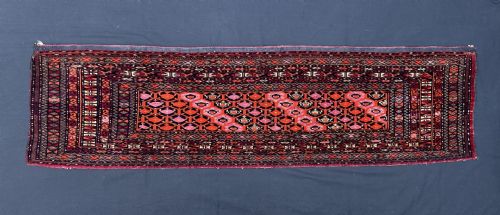
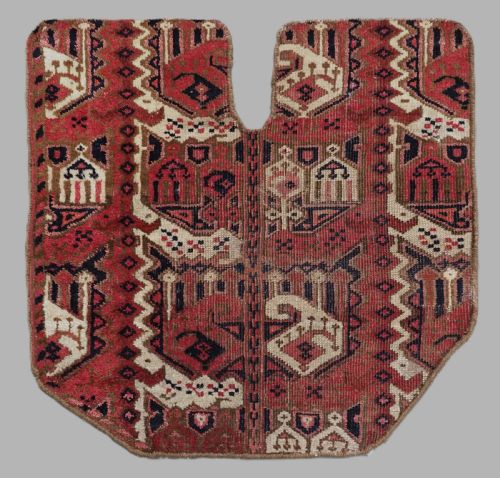
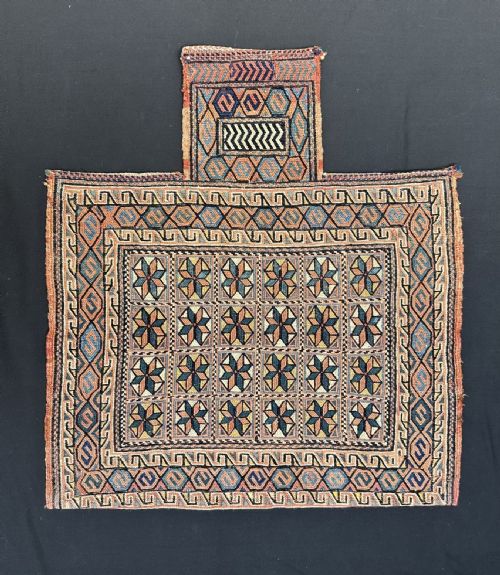
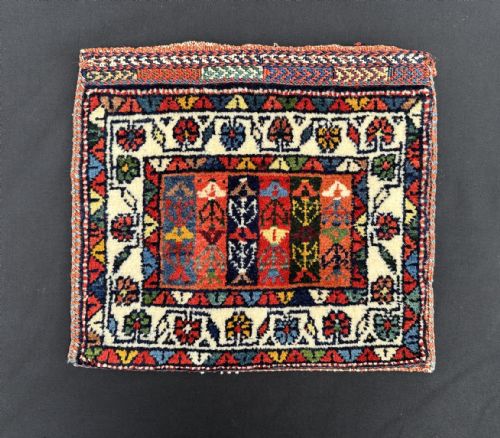
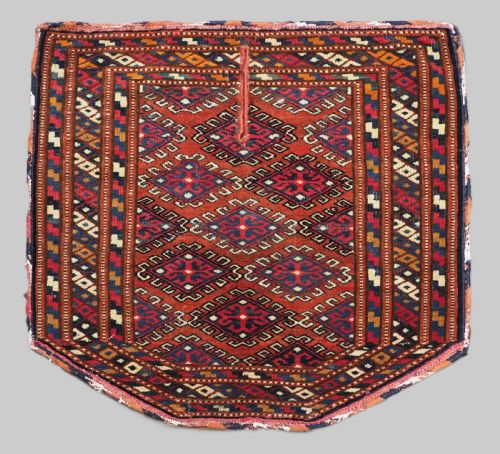
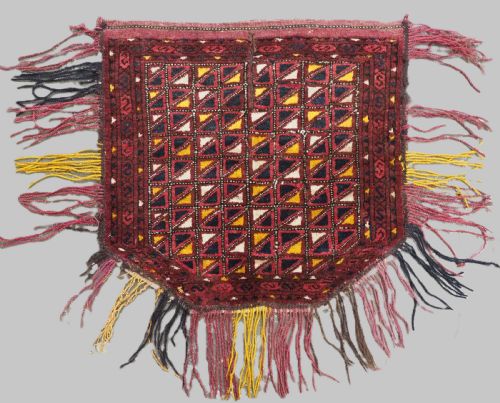
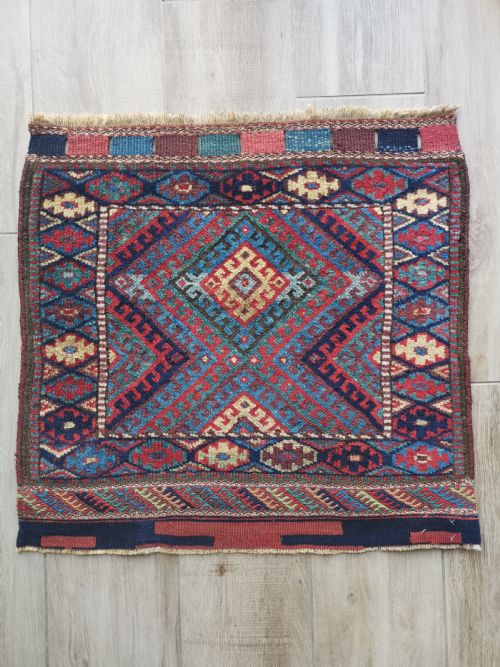
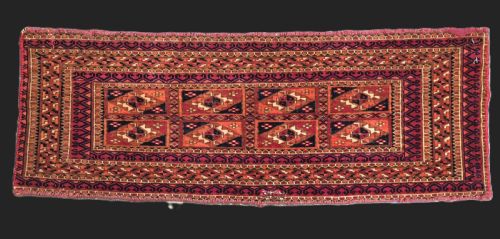
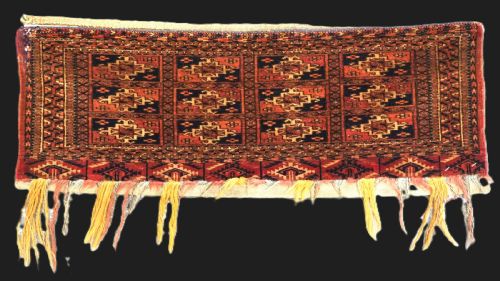
A tribal carpet wall hanging encompasses nomadic and village weavings originating predominantly from Central Asian, Persian, and Caucasian regions during the nineteenth and early twentieth centuries. Rather than being woven originally for display on walls, the pieces found here are largely adapted from functional items such as saddle covers, horse blankets, storage bags, and torbas.
The selection frequently highlights pieces attributed to specific tribal groups, including the Tekke, Yomut, Ersari, and Saryk Turkmen tribes, alongside Afshar and Shahsavan groups. These portable forms reflect the material culture of pastoral nomadic life, where everyday possessions served both utilitarian roles and decorative tribal functions.
How they were made
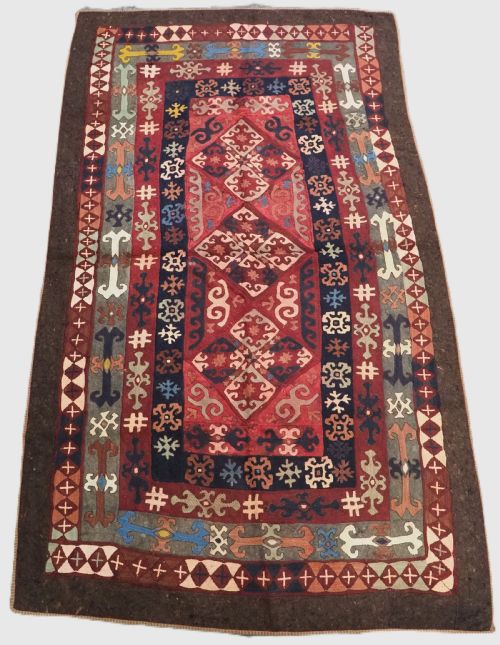
Construction relies heavily on wool foundations combined with wool pile, cotton thread, and occasionally silk thread for detailed embellishment. Artisans utilised natural dyes to achieve deep reds, ivories, and blues, while specific examples incorporate felted wool or specialised flatweave techniques.
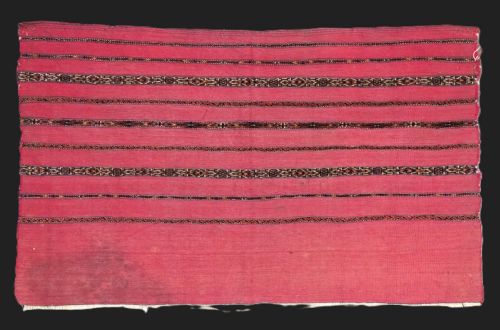
Nomadic weavers employed various methods depending on the tribal tradition, ranging from fine pile knots on storage bag faces to embroidered ceremonial felt and banded flatweaves. Additional variations include structural elements like original plain weave backs and tassels formed from the primary textile fibres.
The inventory records regional attributions ranging from the Merv and Akhal oases to South Persia and the Caucasus.
What varies in quality
Quality in these nomadic textiles rests primarily on the density of the weave and the precision of the tribal guls or motifs. Finer knotting and sharply defined geometric designs distinguish masterwork bag faces from more utilitarian household items.
The survival of original elements, such as complete backing structures, tassels, and the vibrancy of natural dye palettes, significantly influences the standing of a textile. Unusual structural variations or scarce tribal designs also elevate the distinction of a piece within its category.
The Tribal Carpet Wall Hanging Glossary
- Gul
- A medallion or repeating primary motif used extensively in Turkmen carpet design. Each tribal group typically employed distinct structural variations of these octagonal or turreted forms.
- Chuval
- A large tent bag utilised for bedding and household storage by nomadic tribes. Their faces feature prominent tribal guls and are frequently adapted for modern display.
- Asmalyk
- A ceremonial camel trapping produced in pairs for wedding processions. These pentagonal hangings display elaborate iconography specific to the wedding camel's adornment.
- Kelim
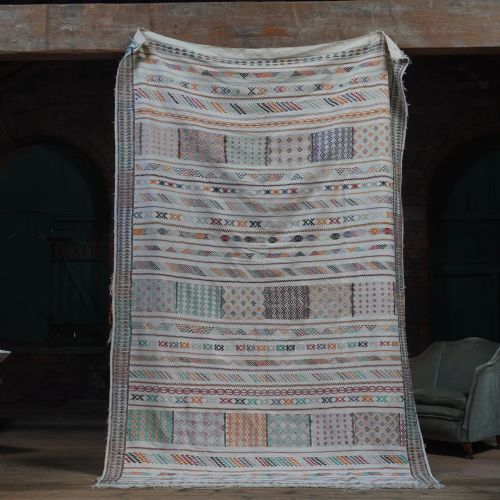
- A flatwoven textile produced without a pile. These pieces rely on the interlocking of warp and weft threads to create geometric patterns.
Tribal Carpet Wall Hanging: Frequently Asked Questions
How do I hang a textile safely?
Mounting a woven hanging requires distributing the weight evenly across the upper edge rather than piercing the fabric with nails or hooks. Utilising a concealed fabric sleeve stitched to the reverse allows a slender wooden baton or metal rod to support the piece securely against a wall.
Keeping the textile away from direct sunlight prevents the natural dyes from fading over time. Periodic inspection behind the hanging ensures that dust and humidity do not accumulate against the wall surface.
What is the difference between a torba and a chuval?
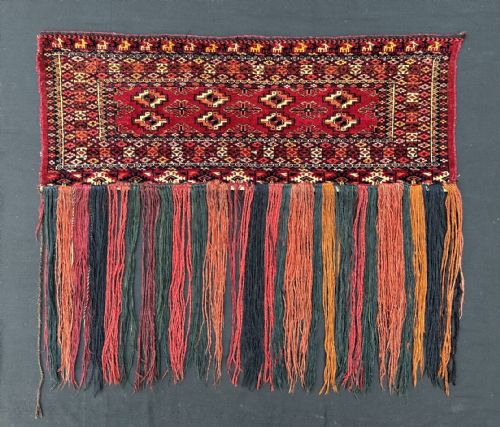
A torba is traditionally a smaller storage bag used within nomadic tents for personal items, whereas a chuval is a substantially larger bag designed for housing bedding and heavy blankets. Both forms feature characteristic tribal guls, but their original dimensions reflect their distinct storage functions in daily pastoral life.
On the marketplace, surviving examples are frequently found as complete bags or as isolated bag faces trimmed for decorative use. Their proportions and motif counts generally distinguish the compact torba from the wider chuval format.
How are tribal bag faces identified?
Attribution relies on analysing the specific guls, border arrangements, and colour palettes unique to individual tribal confederations such as the Yomut, Tekke, or Ersari. Structural details, including the handle of the wool and the specific weave density, provide further clues to regional origins in Central Asia or Persia.
Reference texts cataloguing nineteenth-century nomadic weaving help connect specific design markers to exact geographic oases and tribal groups. Comparing motif geometry remains the primary method for separating related regional styles.
Were these pieces originally made for walls?
Nomadic weavers produced these textiles to serve practical roles within portable dwellings, utilising them as saddle covers, horse blankets, grain bags, and household storage containers. Their journey to wall display is a later adaptation that values their geometric artistry and cultural history.
As traditional nomadic life shifted, these utilitarian items gained appreciation among collectors for their intricate iconography and natural dyeing techniques. Preserving them as flat panels allows the dense woolwork and tribal motifs to be viewed clearly.