


Tree of Life Carpet
A tree of life carpet brings centuries of textile artistry into your home, depicting nature in detailed wool and silk.
Tree of Life Carpet
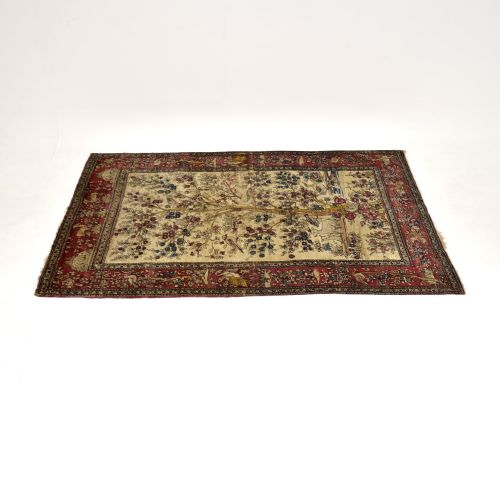
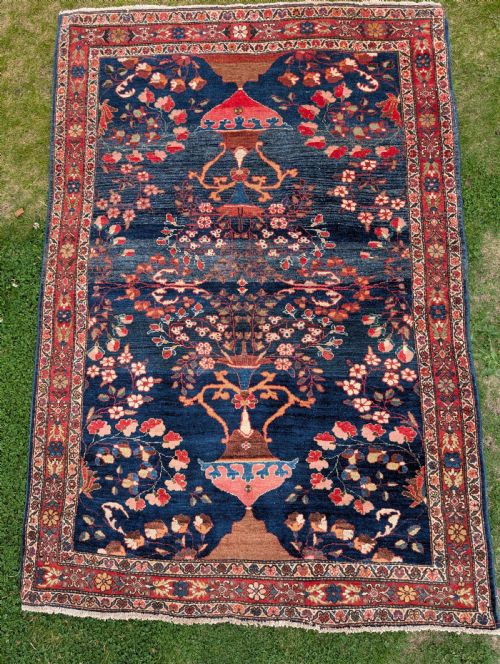
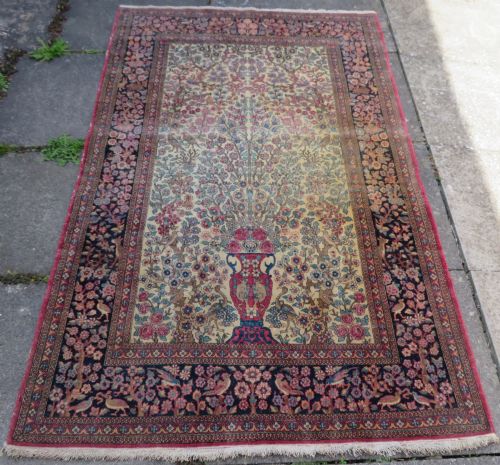
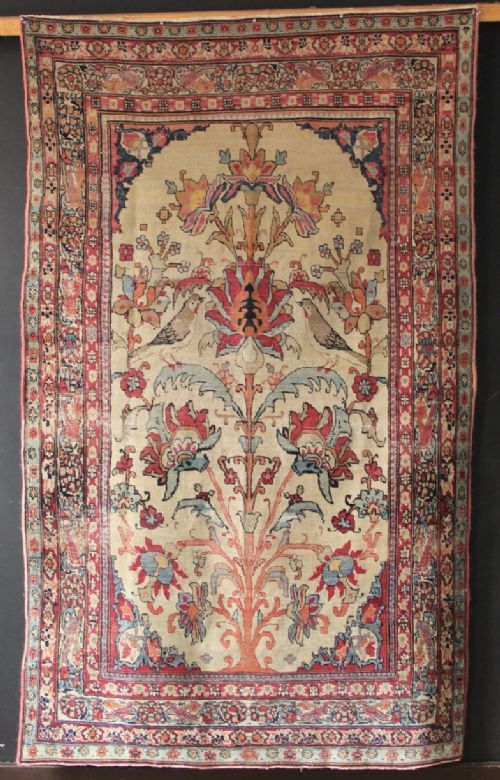
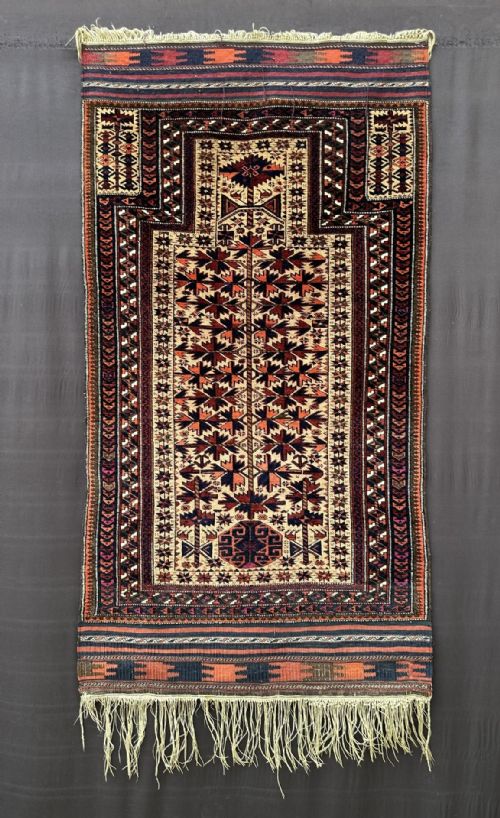
A tree of life carpet displays a central botanical motif that symbolises growth and eternity, rooted deeply in regional weaving traditions. When exploring this selection, a buyer encounters pieces originating from Persia and North West India, encompassing styles from Kurdish and Baluch tribal works to intricate town rugs.
The assortment includes formats described as rugs, prayer rugs, and large carpets, spanning production dates from the late nineteenth century through to the nineteen-twenties. These floor coverings bridge nomadic and urban workshops, reflecting diverse cultural landscapes across the Near East and South Asia.
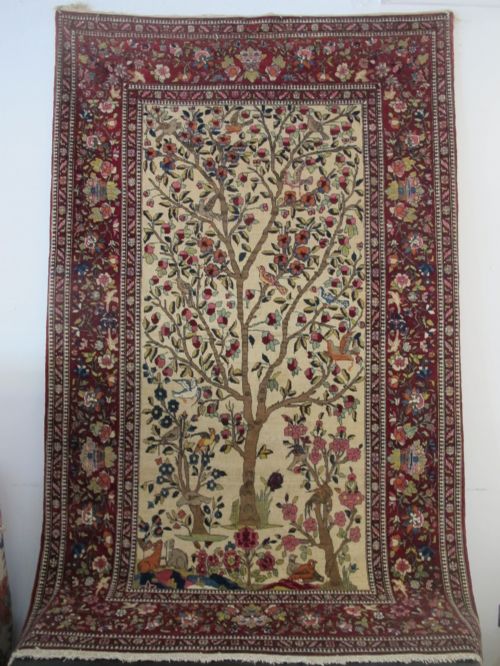
Regional weaving centres such as Tabriz, Kashan, Isfahan, and Sarab contribute specific aesthetic traditions to this group, often incorporating birds, animals, or paradise garden motifs alongside the central tree design. Such variety ensures that buyers find both geometric tribal expressions and finely knotted court pieces.
Materials and construction
Makers constructed these textiles predominantly using natural wool and fine silk, utilising cotton frequently for foundational warps and wefts. These natural fibres provide both structural resilience and a soft tactile quality that develops character over decades of use.
Weavers knotted these carpets by hand, securing pile yarns around vertical warps before shearing the surface to an even height. This intensive manual labour allowed for the intricate pictorial representation of branches, foliage, and fauna seen across the group.
Tree of Life Carpet Retail Price Guide 2026
Typical asking prices for tree of life carpet among the pieces listed under this phrase on Sellingantiques today, from the lower quarter to the upper quarter. They describe what is for sale here now, not the wider market.
Many tree of life designs secretly hide tiny birds among the branches, turning a simple floor covering into a permanent indoor aviary.
Factors determining quality
Knot density and structural fineness dictate the clarity of the botanical design, separating coarse tribal productions from city workshops. Higher knot counts permit precise rendering of complex imagery like birds, animals, and elaborate floral tendrils.
The depth and brilliance of the dye palette, alongside the longevity of the natural fibres, separate ordinary examples from exceptional ones. Subtle tonal shifts and well-preserved pile surfaces indicate superior material selection and expert dyeing traditions.
The Tree of Life Carpet Glossary
- Tree of life
- A central symbolic motif representing botanical growth and paradise, frequently populated with birds and animals. This design appears across various regional weaving traditions.
- Prayer rug
- A smaller format textile featuring a mihrab or arch design, traditionally used for personal devotion. These pieces often incorporate the tree of life motif.
- Knot density
- The measure of individual knots per square unit, determining the precision of the pattern. Higher densities usually correlate with urban workshop production.
- Warp and weft
- The foundational threads of a woven textile, where warps run vertically and wefts cross horizontally. Cotton is commonly utilised for this structural grid.
- Pile
- The upright yarn surface of a carpet that forms the visible design and texture. It is hand-knotted and sheared during creation.
Tree of Life Carpet: Frequently Asked Questions
What is a tree of life carpet?
A tree of life carpet is a textile featuring a central botanical motif symbolizing eternity and paradise. These pieces draw from Persian and North West Indian weaving traditions.
Such carpets combine wool or silk construction with intricate imagery, ranging from tribal rugs to fine city workshops.
Where were these carpets made?
These textiles originate from various regions including Persia, Kashmir, and specific towns like Tabriz, Kashan, and Isfahan. Tribal groups such as the Qashqai, Bakhtiari, Kurdish, and Baluch also produced them.
Each area imparted distinct design characteristics, from geometric tribal patterns to elaborate court gardens.
How do I care for a vintage carpet?
Regular gentle vacuuming without a rotating brush helps remove dirt from the wool or silk pile. Professional cleaning suited for antique textiles preserves the natural fibres.
Keeping the carpet away from direct sunlight prevents fading of the natural dyes over time.
How can I tell a tribal rug from a city rug?
Tribal rugs typically feature bolder geometric motifs, asymmetrical layouts, and coarser wool weaves produced by nomadic or village communities. City rugs display finer knotting, symmetrical floral compositions, and greater detail.
Regional attributions like Kurdish or Qashqai point to nomadic origins, while Tabriz or Isfahan indicate urban workshops.