

Traditional Writing Bureau Desk
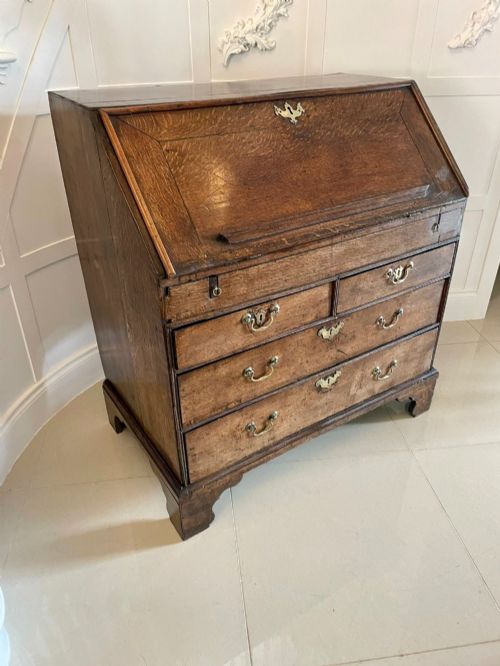
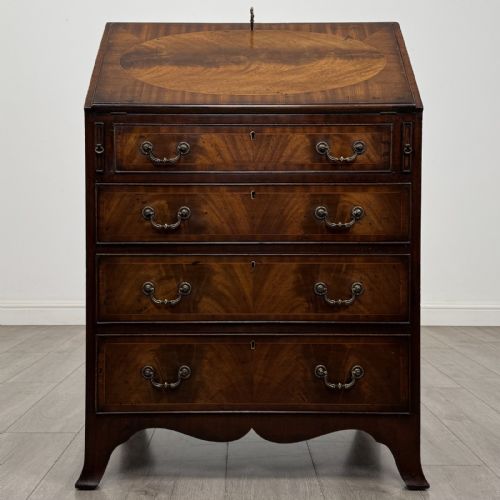
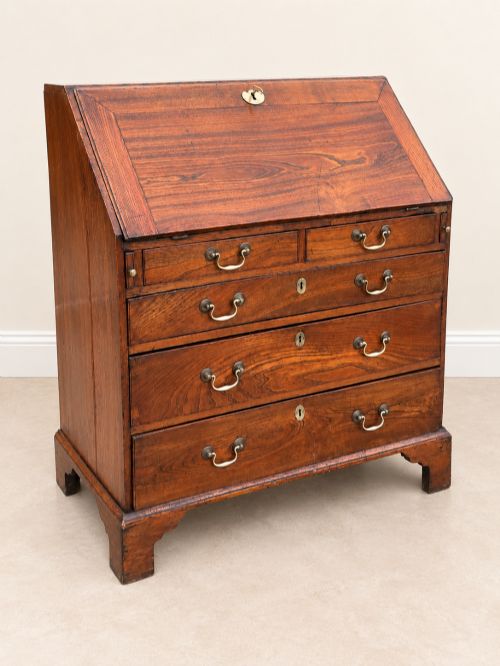
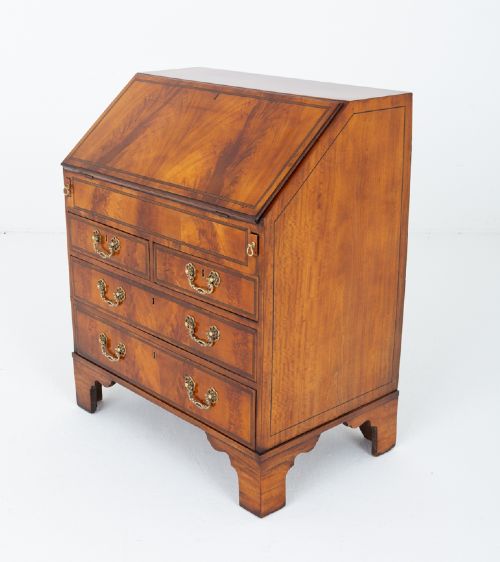
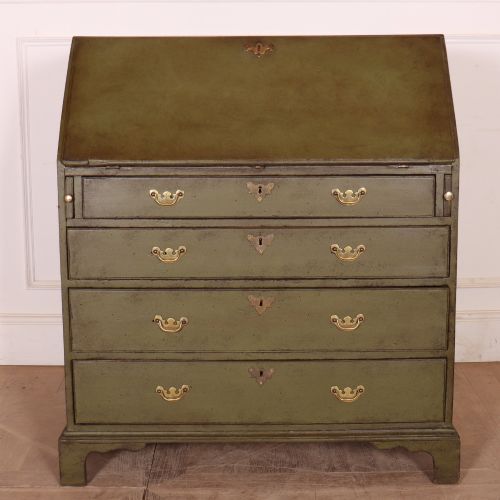
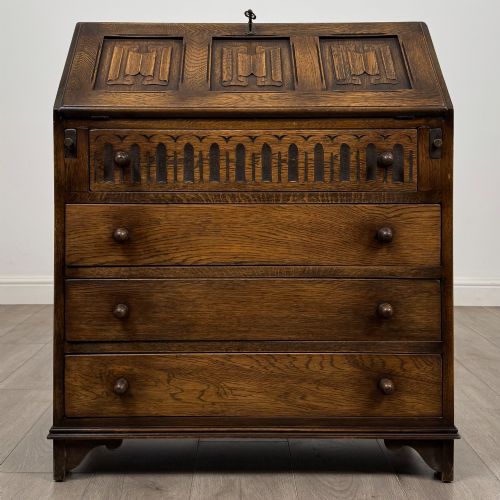
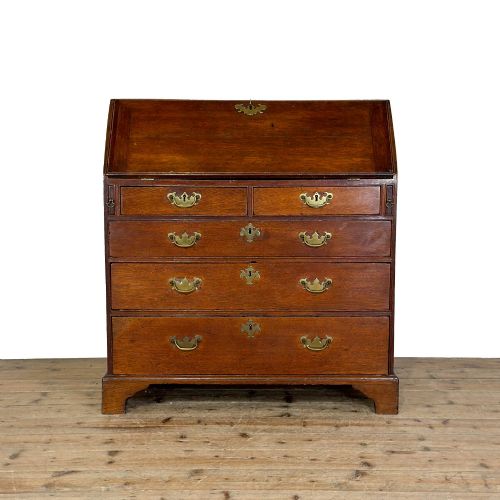
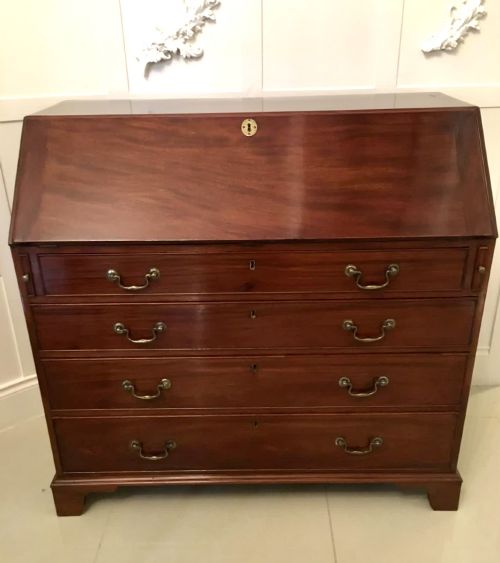
A traditional writing bureau desk organises papers behind a sloping fall front, combining a concealed workspace with deep drawers for storage.
Traditional Writing Bureau Desk
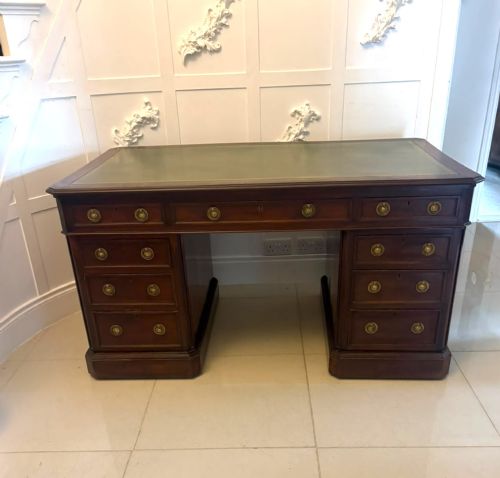
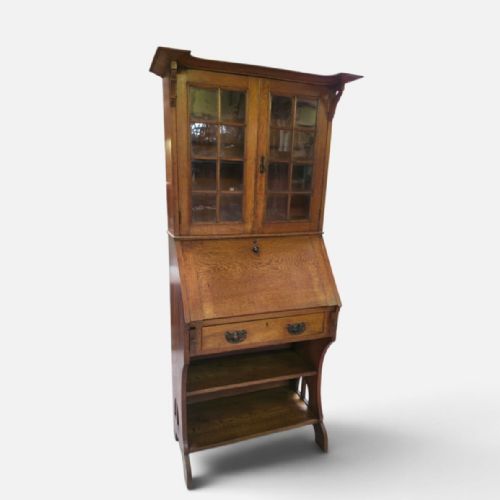
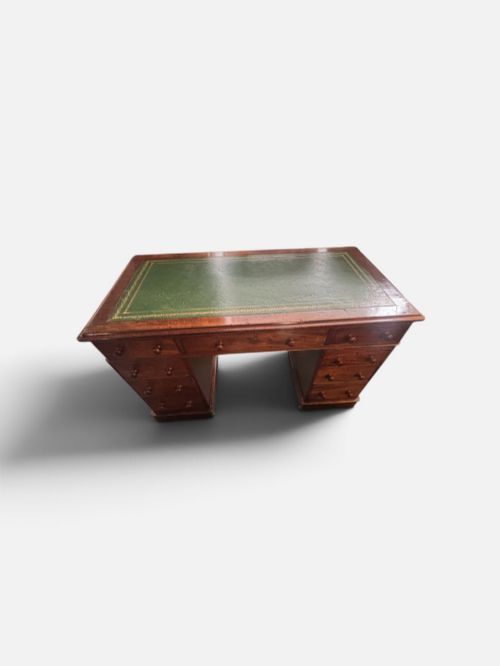
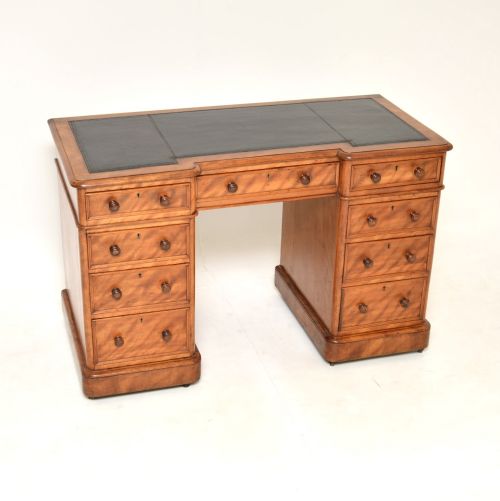
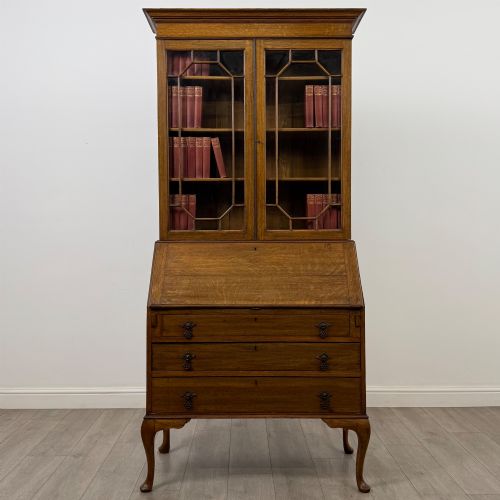
A traditional writing bureau desk brings together several distinct formats across this page, from fall-front writing bureaux and pedestal desks to bureau bookcases and compact writing tables. Buyers exploring this category encounter pieces spanning the Georgian, Victorian and Edwardian eras alongside early twentieth-century examples.
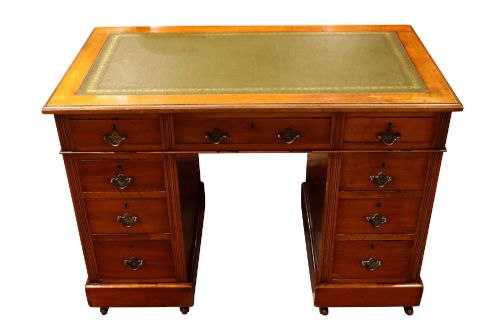
The most prevalent form met here is the oak Edwardian bureau, often featuring fitted internal compartments, alongside substantial Georgian and Victorian mahogany or walnut pedestal desks fitted with leather writing surfaces.
The Measure of Construction
Quality rests upon the selection of timber and the precision of internal joinery, where finely figured burr walnut or select mahogany veneers indicate superior workshop standards. The integrity of secondary woods within drawer linings and the survival of original brass hardware distinguish finer pieces.
Proportion and balance define the upper tier of these desks, seen in well-scaled pedestals and cleanly executed fall fronts that operate smoothly without binding. Finer examples retain integrated internal compartments and fitted stationery drawers that display meticulous craftsmanship.
Listings feature oak, mahogany, walnut, burr walnut, satinwood, brass and leather across Georgian, Victorian and Edwardian periods.
Heals of London·Wylie and Lochhead Glasgow
The Traditional Writing Bureau Desk Glossary
- Bureau
- A desk featuring a sloping hinged flap that opens to reveal a writing surface and small drawers. It often sits atop a chest of larger drawers.
- Fall Front
- The hinged vertical or sloping panel on a bureau that lowers to create a horizontal writing surface. It conceals pigeonholes and internal compartments when closed.
- Pedestal Desk
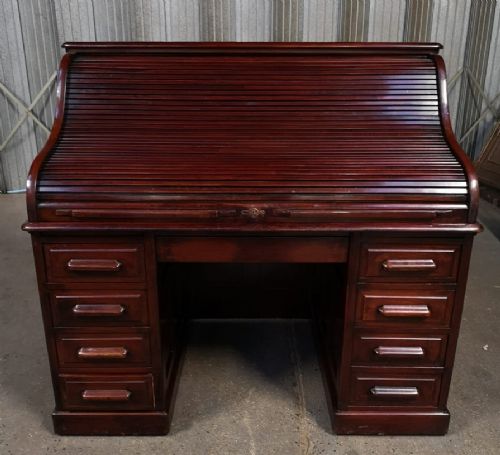
- A freestanding desk comprising a flat top supported by two separate pedestals or stacks of drawers. These units frequently incorporate inset leather writing surfaces.
- Bureau Bookcase
- A tall combination piece uniting a sloping writing bureau at the base with glazed shelving or enclosed cabinetry above. This form provides dual storage for books and correspondence.
- Tambour
- A sliding door or shutter constructed from narrow vertical strips of wood glued to a fabric backing. It rolls along a track to conceal desk compartments.
Traditional Writing Bureau Desk: Frequently Asked Questions
How do I use a bureau desk?
Lower the hinged fall front to create a flat writing surface above the integrated compartments and pigeonholes.
Store papers and stationery within the internal letter slots and use the lower drawers for larger documents.
What is a pedestal desk?
A pedestal desk is a freestanding form consisting of a central writing top supported by two stacks of drawers.
These pieces usually feature inset leather writing surfaces and offer substantial storage space on both sides.
How are bureau bookcases structured?
These tall pieces combine a lower writing bureau section with an upper bookcase enclosed by wooden or glass doors.
They serve as multi-functional furniture providing both display space and a private writing station.
What timbers were used?
Cabinetmakers constructed these desks primarily using hardwoods such as mahogany, oak, walnut and burr walnut.
Satinwood and brass frequently appear as decorative inlays and hardware accents.