
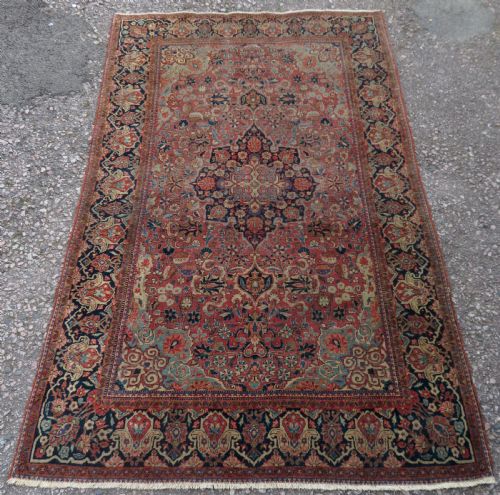
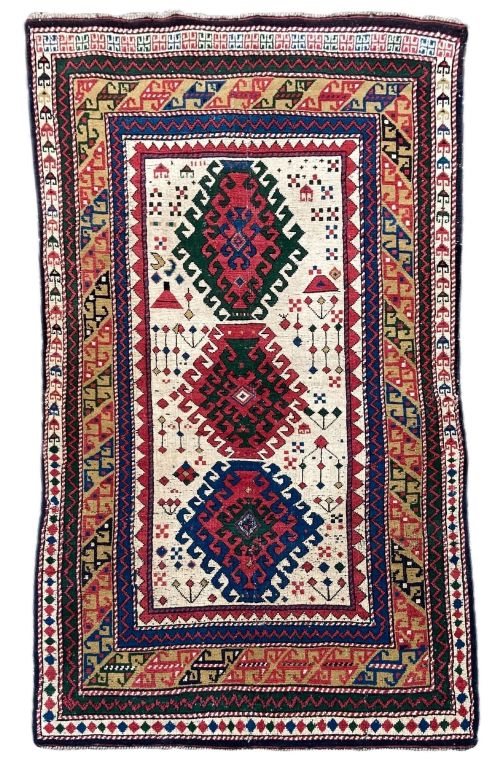
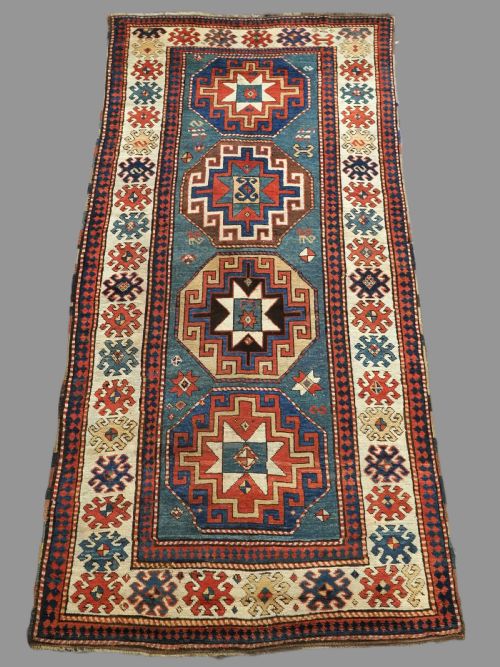
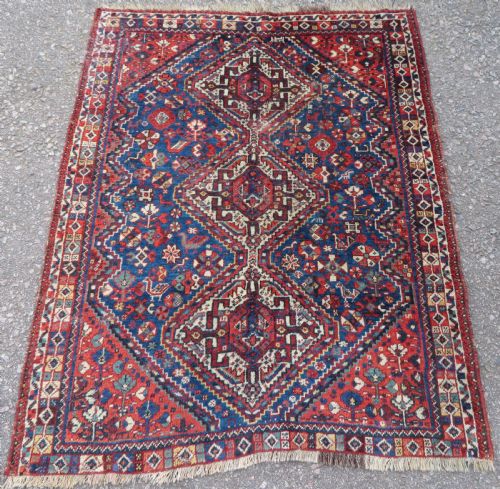




Traditional Woven Area Carpet
A traditional woven area carpet brings centuries of textile artistry directly to your floor, grounding a room with genuine regional character.
Traditional Woven Area Carpet
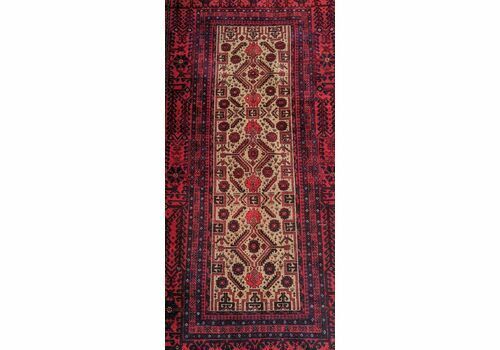
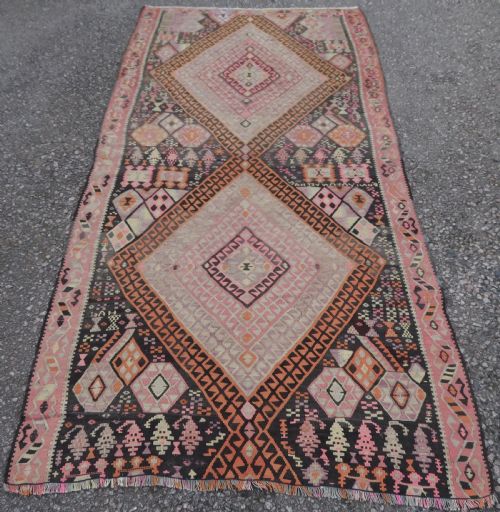
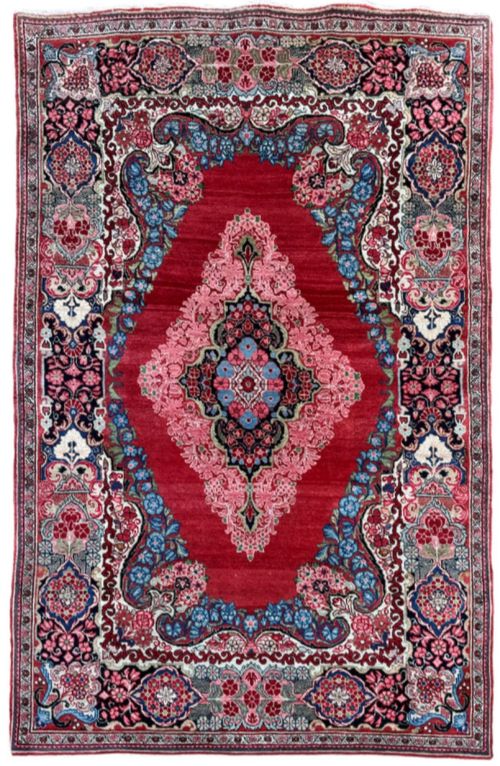
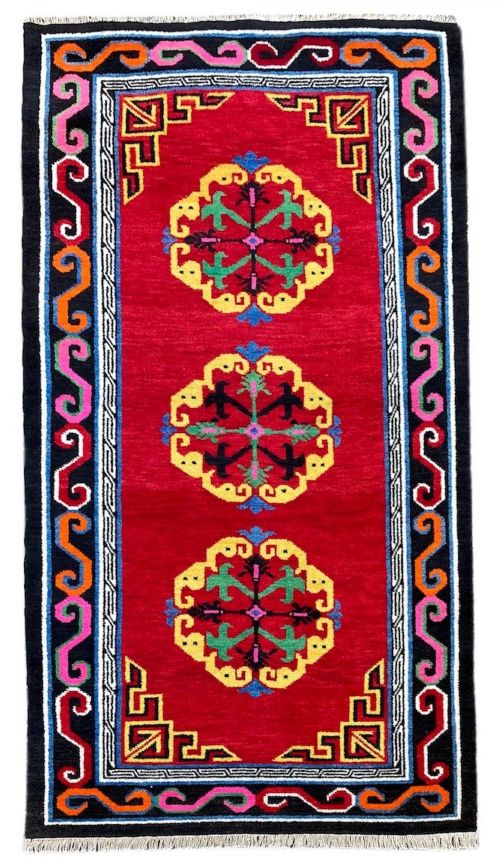
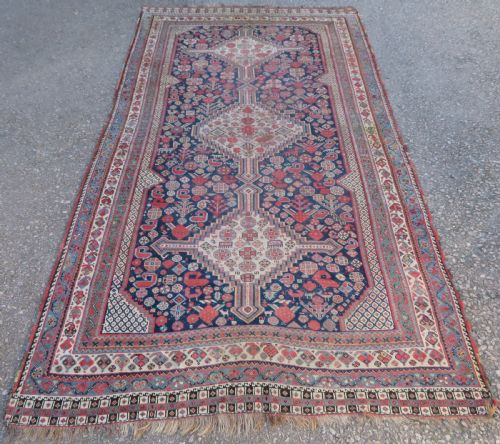
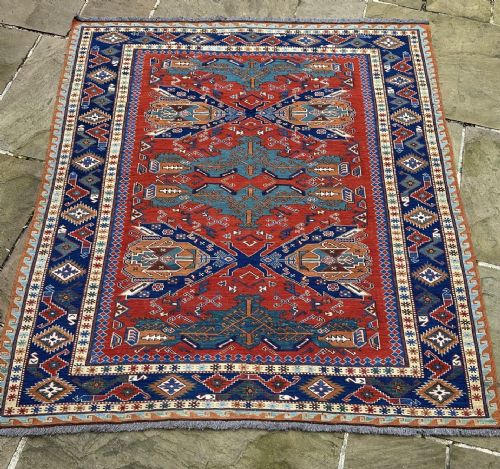
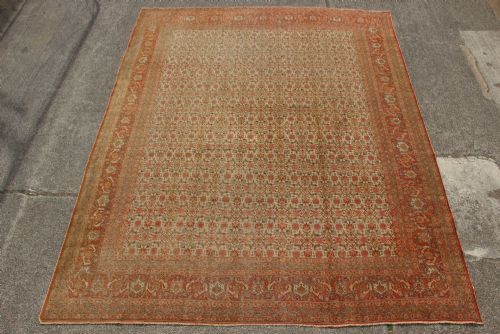
A traditional woven area carpet encompasses hand-knotted and flatwoven floor coverings originating primarily from Persian, Caucasian, Anatolian, Turkmen, and Tibetan traditions. These textiles range in date from the mid-nineteenth century through the early twentieth century, spanning periods such as the eighteen-eighties, nineteen-tens, and nineteen-thirties.
Buyers encountering this selection will frequently find room-sized carpets alongside smaller formats like village rugs, hearth rugs, and prayer rugs. Common regional designations include Heriz, Mahal, Bakhtiar, Kazak, and Ersari, reflecting diverse tribal and urban workshops.
Materials and construction methods
The foundation of these textiles relies predominantly on natural wool, often combined with cotton for warps and wefts to ensure structural stability. Selected pieces incorporate silk highlights to accentuate specific motifs within the design.
Weavers utilised traditional hand-knotting techniques and flatweaving methods, employing natural dyes derived from plants and minerals to achieve rich, enduring palettes. The resulting density of the weave varies according to the regional origin, distinguishing city workshops from nomadic tribal production.
Nomadic weavers frequently tucked tiny, deliberate imperfections into their geometric fields to ward off the evil eye.
Assessing quality in antique carpets
Quality resides in the precision of the knotting, the integrity of the natural materials, and the harmony of the overall composition. Superior examples display tightly packed knots on the reverse, which creates a crisp, clear definition of the geometric or floral medallion patterns on the face.
The depth and vibrancy of the dye work further separate standard pieces from exceptional ones. Textiles retaining saturated madder reds, indigos, and soft abrasash - the subtle tonal variations in wool caused by multiple dye batches - demonstrate superior craftsmanship.
The Traditional Woven Area Carpet Glossary
- Warp
- The vertical threads stretched lengthwise on the loom before weaving begins.
- Weft
- The horizontal threads passed across the warp threads to secure the knots in place.
- Medallion
- A central ornamental design motif placed in the middle of the carpet field.
- Kilim
- A flatwoven textile produced without a pile, often featuring sharp geometric patterns.
- Abrasash
- The natural variation in hue caused by hand-dyed wool lots over time.
Traditional Woven Area Carpet: Frequently Asked Questions
How do I clean a traditional woven area carpet?
Regular gentle vacuuming without a beater bar removes surface dust and loose grit effectively. Professional specialist cleaning remains essential for deep maintenance to protect the delicate natural wool fibres.
Water and household detergents should be avoided entirely, as moisture can weaken the cotton foundations and cause fugitive dyes to bleed. Promptly blot accidental liquid spills with a dry white cloth without rubbing the pile.
Can I place these carpets in high-traffic hallways?
Sturdy village and tribal carpets constructed from resilient wool handle moderate foot traffic well. Placing a quality underlay beneath the textile prevents slipping and reduces friction against hard flooring.
Delicate pieces featuring silk highlights or fine prayer formats suit lower-traffic spaces like studies or bedrooms better. Rotating the carpet periodically ensures even wear patterns across the surface over the years.
How do I distinguish Persian from Caucasian rugs?
Persian carpets frequently incorporate complex floral curves, central curvilinear medallions, and intricate garden motifs. These pieces often originate from established weaving centres like Tabriz, Isfahan, or Saroukh.
Caucasian examples tend to display bold geometric shapes, sharp rectilinear polygons, and striking primary colour palettes. These tribal designs reflect the heritage of weavers from regions such as Kazak and Karabagh.
What is the difference between a carpet and a kilim?
Traditional carpets feature a thick pile created by individual knots tied onto a foundation warp and weft. This construction method yields a plush surface and a heavy handle suitable for floor insulation.
Kilims are flatwoven textiles lacking any raised pile, resulting in a lighter, reversible fabric. They rely on interlocking weft techniques to create crisp, geometric pattern boundaries.