



Traditional Wool Rug Blue
A traditional wool rug blue brings enduring warmth and depth to a floor through centuries of weaving heritage.
Traditional Wool Rug Blue
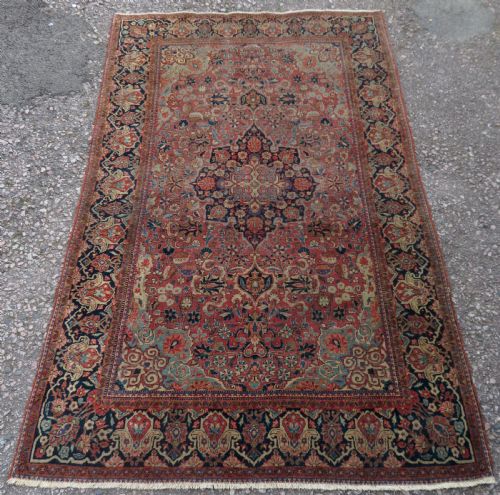
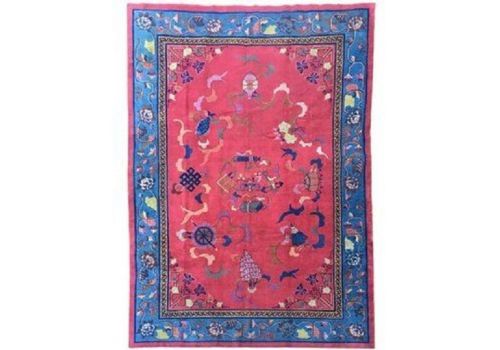
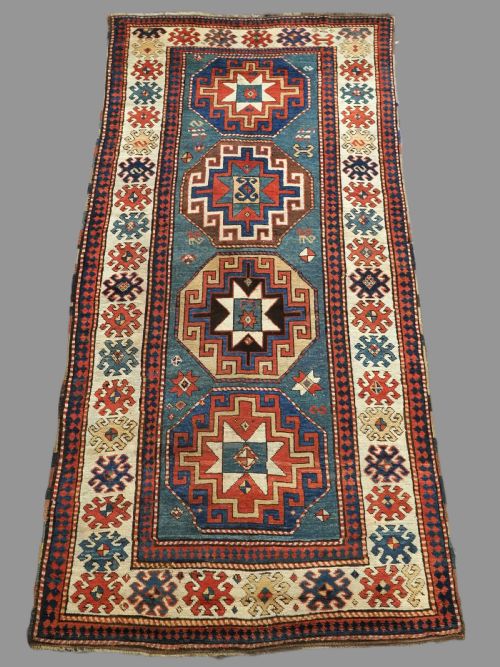
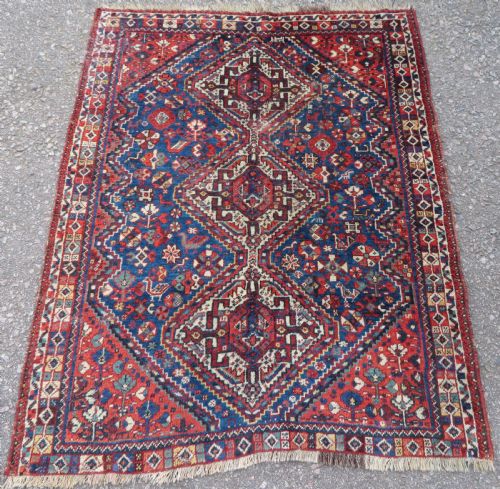
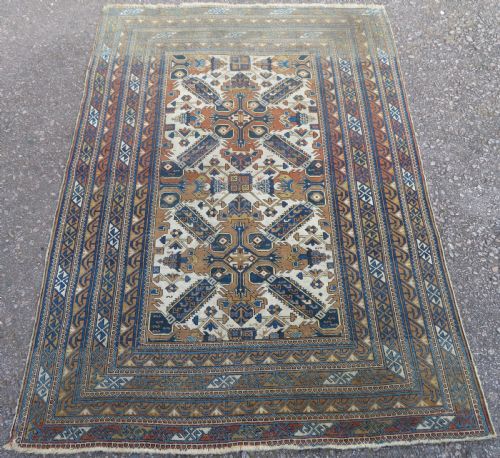
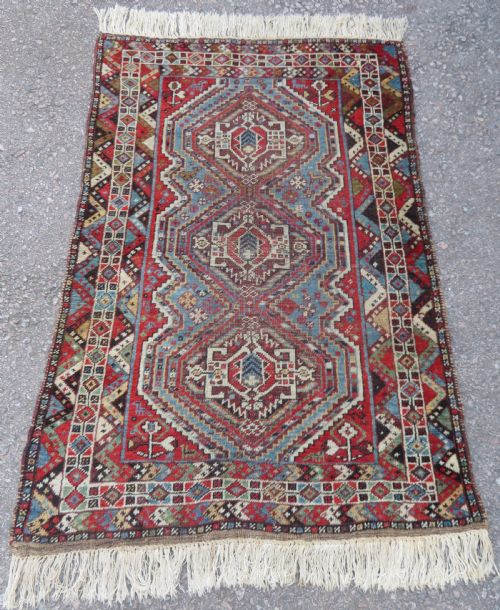
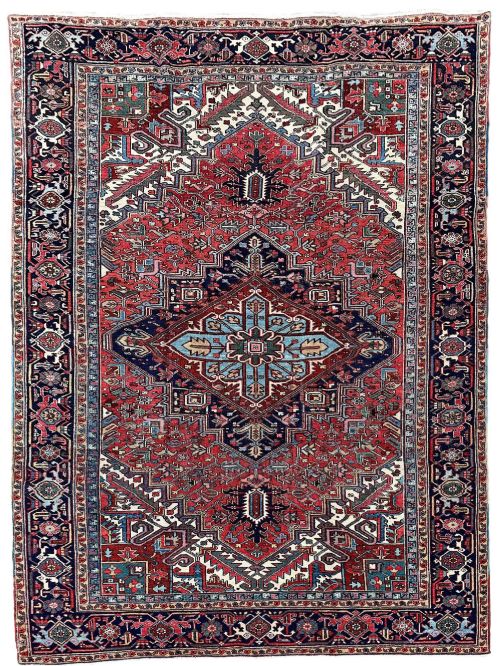
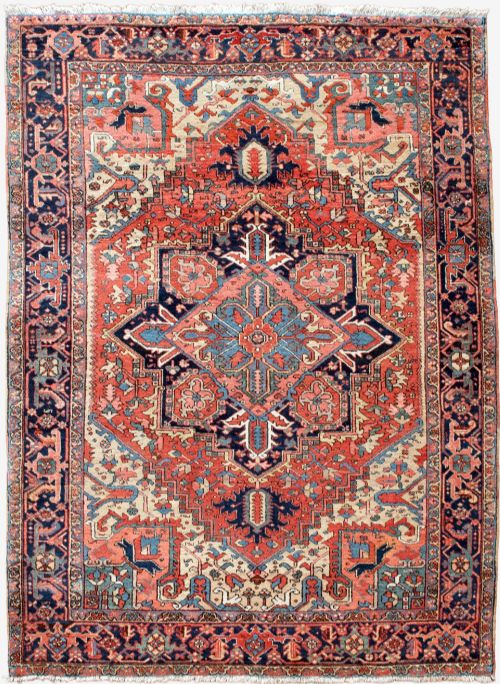
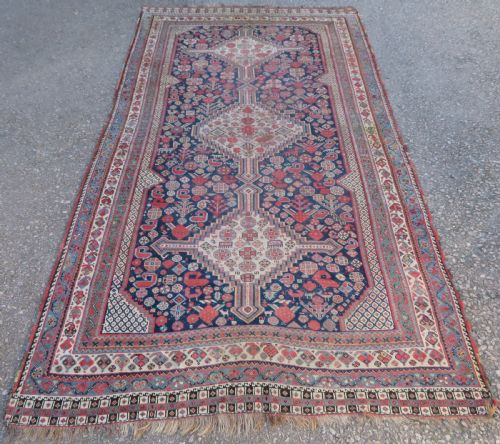
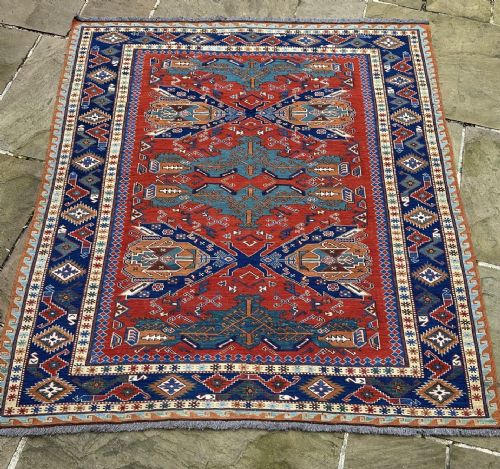
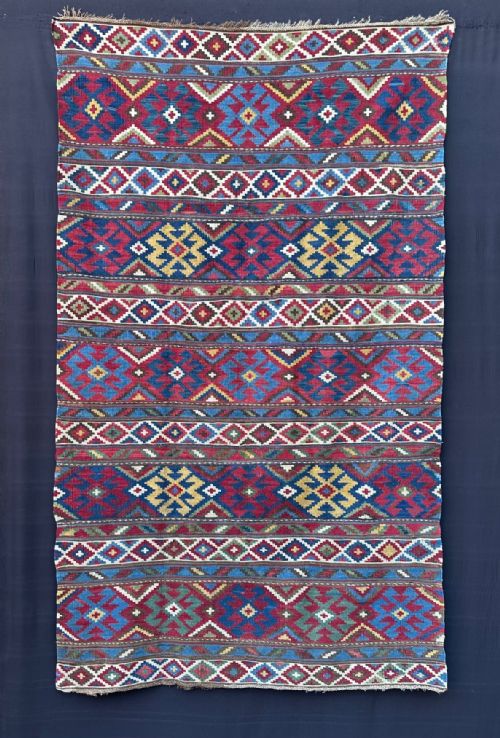
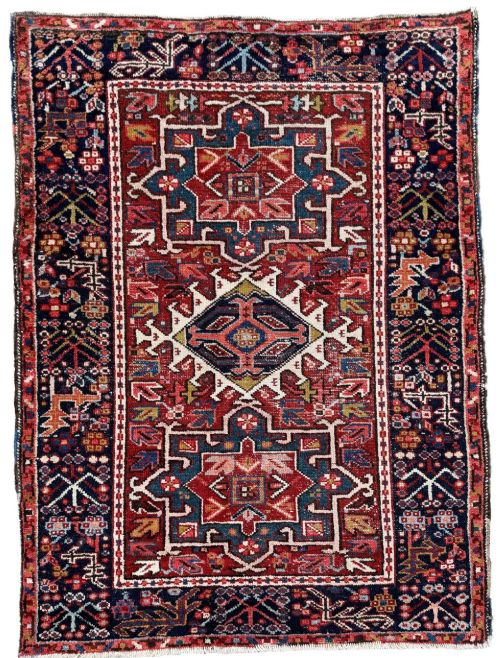
A traditional wool rug blue encompasses hand-woven carpets, runners, and village rugs originating from Persian, Caucasian, Anatolian, and Tibetan regions. Buyers encounter floor coverings dating from the nineteenth and early twentieth centuries, featuring geometric medallions, tribal motifs, and dense floral field patterns.
The selection ranges from small hearth rugs and prayer mats to large room-size carpets and long runners. Pieces often display deep indigo and sapphire fields accented by contrasting ivory, madder red, and secondary blue tones.
Village and nomadic workshops produced many of the items seen here, alongside city pieces from major weaving centres. Each format serves a specific spatial function, from narrow hallways to principal reception rooms.
What varies in quality
Knot density and structural integrity determine the foundational grade of each carpet, separating loose tribal weaves from finely detailed city workshops. Finer knotting permits sharper rendering of curvilinear medallions and complex botanical borders.
The purity and depth of the dye work dictate visual success, where naturally aged indigo displays subtle abrash and tonal variation rather than flat chemical uniformity. Wool quality also differs, ranging from coarse lanolin-rich tribal fleece to softer, more refined city wool.
Listings feature wool, cotton, silk, and glass beads across nineteenth and early twentieth-century Persian, Caucasian, Anatolian, and Tibetan rugs and runners.
The Traditional Wool Rug Blue Glossary
- Abrash
- Natural tonal variation within a single field of colour caused by batches of yarn dyed at different times. This subtle horizontal banding proves the use of traditional dye methods.
- Kelleh
- A large rectangular format carpet, longer than it is wide, traditionally used in Persian domestic architecture. These pieces often serve as central floor coverings in spacious rooms.
- Khaden
- A traditional Tibetan sleeping rug or seating mat featuring low pile and pictorial or geometric designs. Artisans wove these smaller formats for domestic utility in highland households.
- Prayer rug
- A small textile featuring a central mihrab or arch design indicating the direction of Mecca. Weavers created these specific formats for personal devotional use.
- Medallion
- A central ornamental motif dominating the field of a rug, often symmetrical and geometric or floral in design. This focal point anchors the overall composition of the border and field.
Traditional Wool Rug Blue: Frequently Asked Questions
How do I clean an antique wool rug?
Gentle surface brushing and regular low-suction vacuuming without the beater bar protect the delicate wool pile. Professional specialist cleaning remains essential for deep washing to preserve natural lanolin and dye stability.
Water saturation and harsh chemical detergents damage traditional foundation threads and accelerate fibre degradation. Specialist conservators handle antique textiles with methods suited to natural dyes and hand-spun materials.
Where were these rugs made?
Weavers produced these textiles across traditional weaving regions including Persia, the Caucasus, Anatolia, and Tibet. Village workshops, nomadic confederations, and city centres each developed distinct regional aesthetics.
Specific areas such as Heriz, Kazak, Ushak, and Hamadan established signature palettes and structural techniques. Geographic origins dictate the characteristic motifs, wool grades, and knotting styles found on individual pieces.
Are these rugs suitable for heavy traffic?
Dense wool pile and sturdy cotton or wool foundations provide natural durability for everyday domestic use. Traditional hand-knotted construction withstands regular foot traffic in hallways and living spaces.
Underlays help prevent slipping and cushion the base against hard flooring surfaces. Regular rotation ensures even wear patterns across runners and area carpets over decades of use.
How do I identify the age of a rug?
Natural dye palettes, hand-spun wool characteristics, and structural wear patterns offer primary clues to dating a textile. Regional weaving structures and specific motif evolutions align with nineteenth and early twentieth-century production.
Examination of the fringe edges, selvedges, and knot tension reveals the handmade execution typical of older periods. Subtle inconsistencies in design symmetry often indicate traditional hand-weaving rather than later machine production.