


Traditional Wool Hearth Rug
A traditional wool hearth rug warms the cold flags in front of an open fire with centuries of village weave behind it.
Traditional Wool Hearth Rug
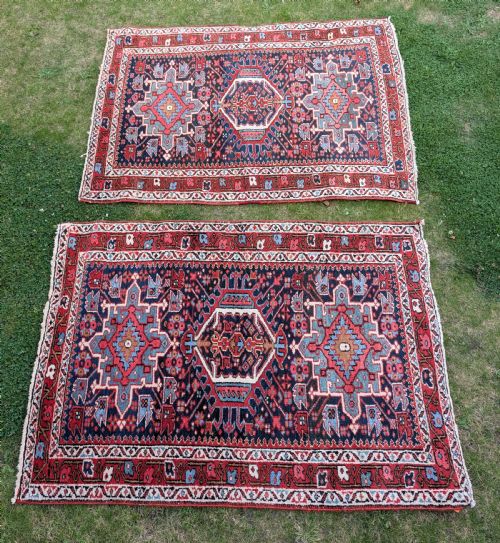
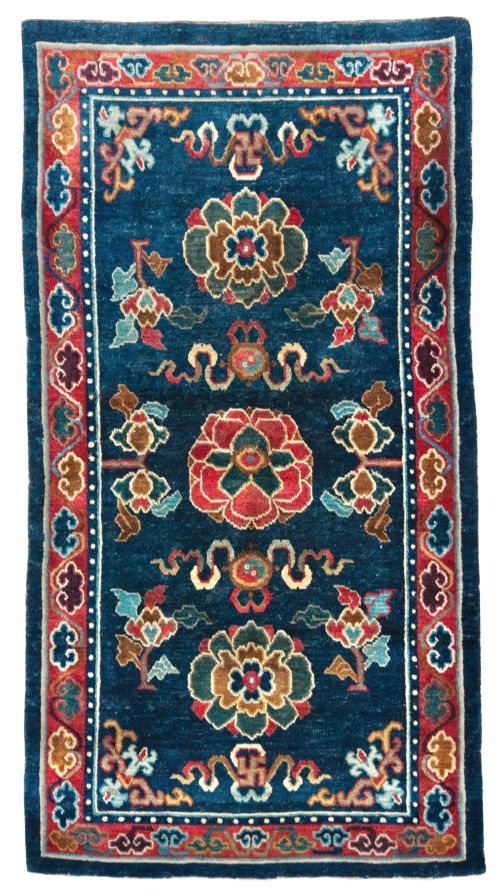
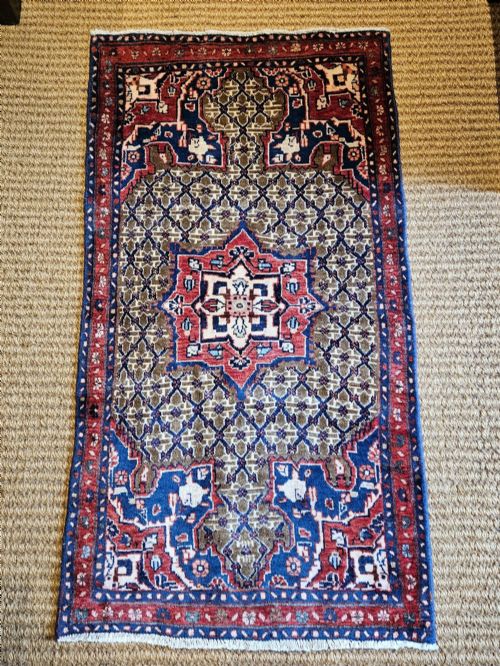
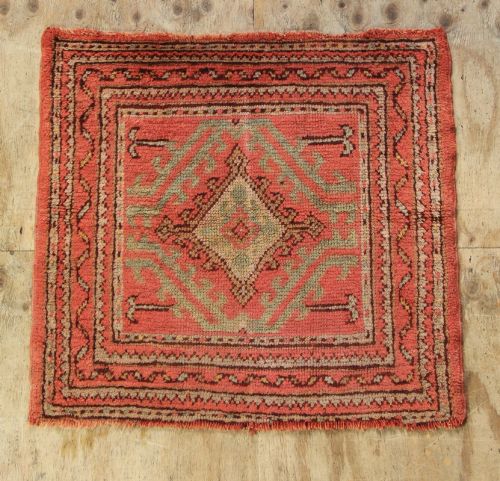
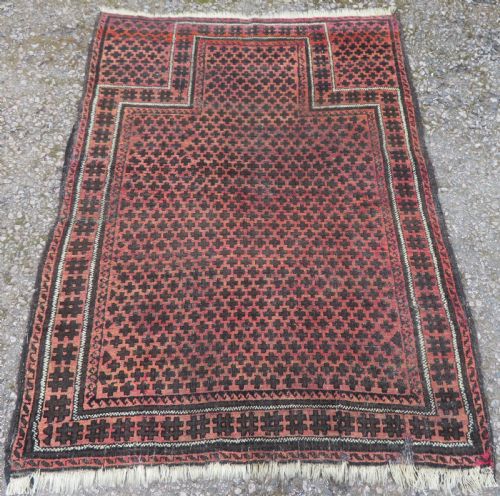
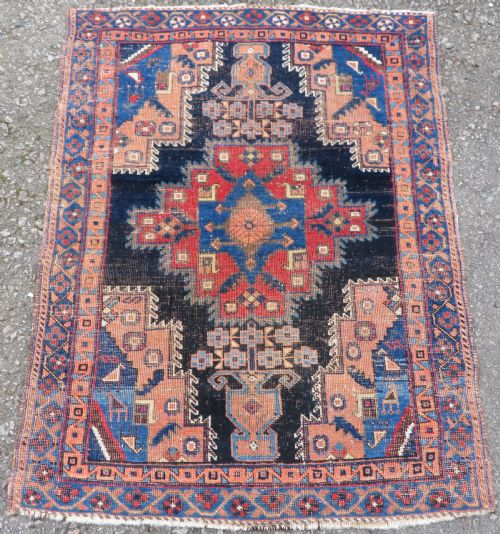
When you search for a traditional wool hearth rug, you encounter smaller floor coverings designed to sit comfortably on the hearthstone before a fireplace. The pieces seen here span the nineteenth and early twentieth centuries, drawing on village and tribal traditions from Persia, Anatolia, and the wider East. They include formats described as mats, prayer rugs, and small room rugs.
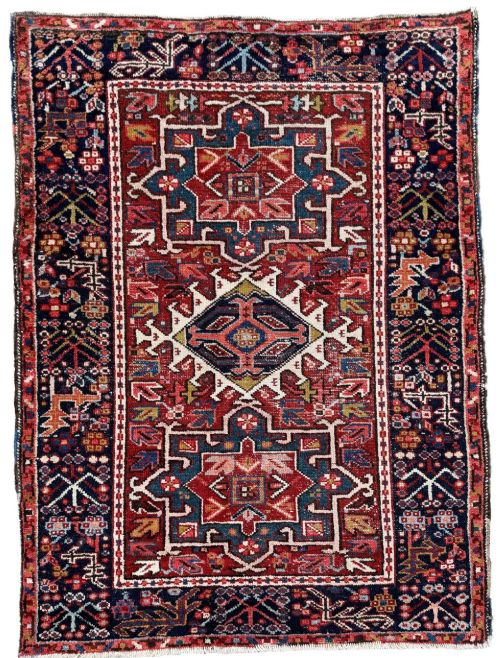
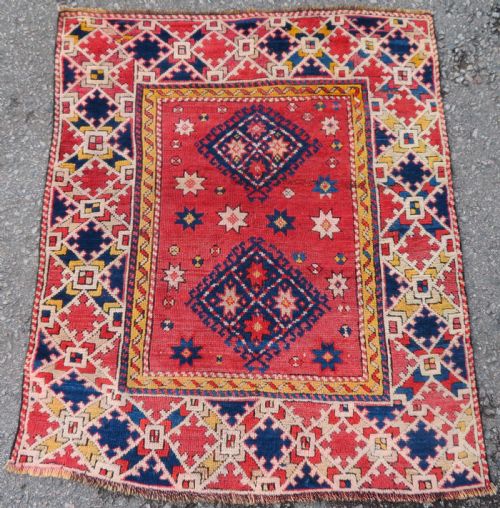
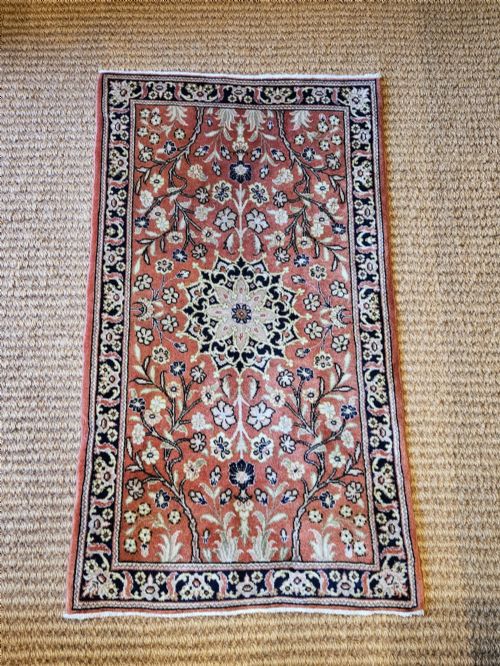
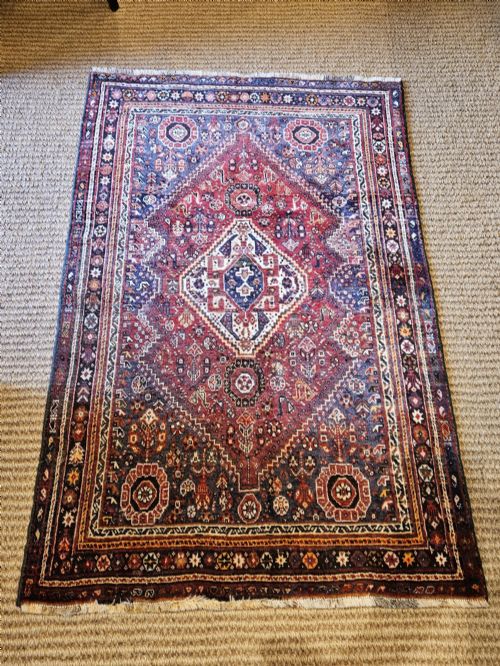
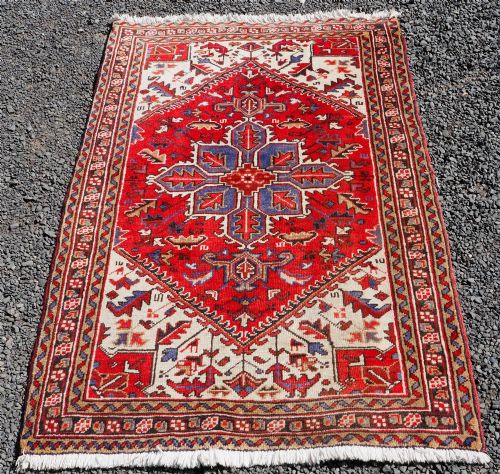
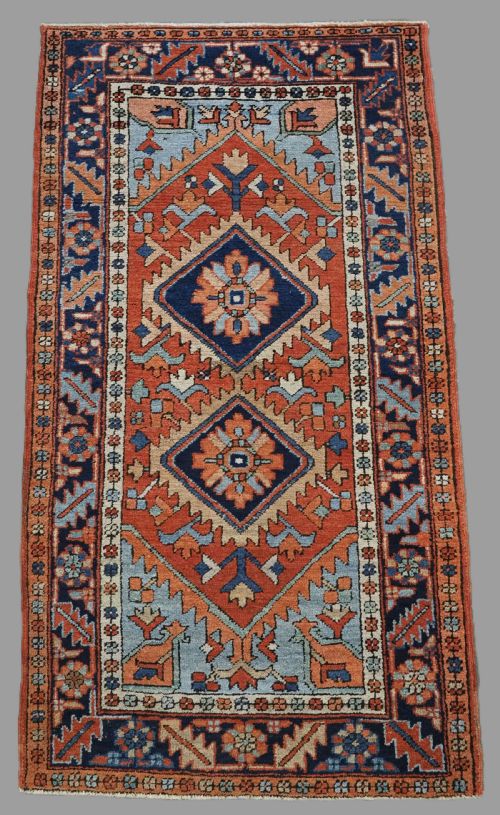
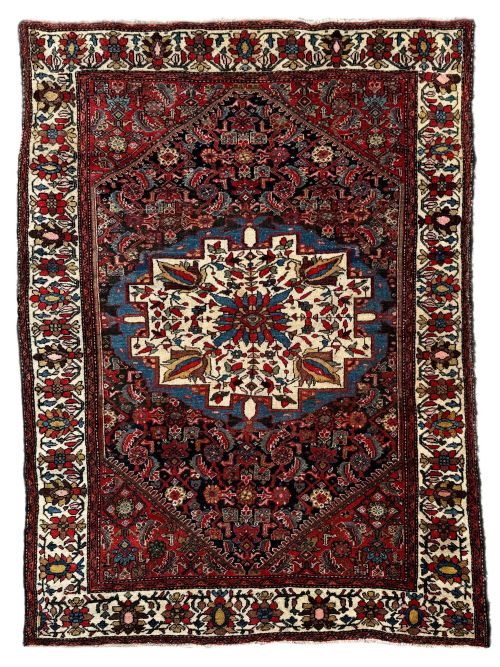
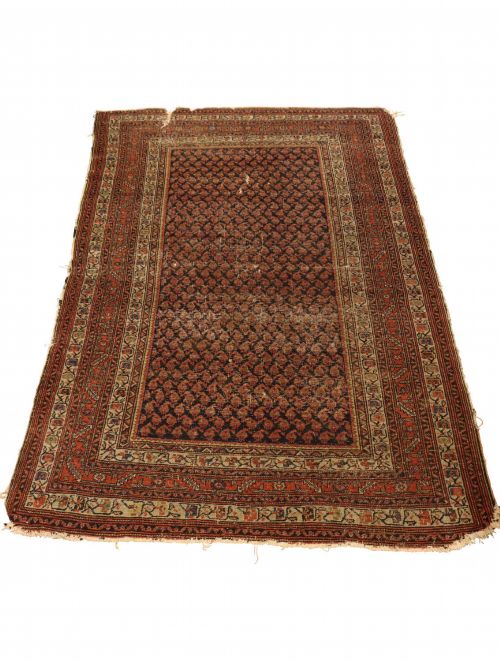
The versions most commonly met on this page originate from regions such as Karaja, Heriz, Bergama, and Baluchistan. They utilise compact dimensions suited to hearth spaces, often displaying central medallions, all-over boteh motifs, or geometric prayer designs. Their formats reflect practical domestic use in front of coal or wood fires rather than grand salon displays.
The materials recorded in these examples centre firmly on wool, occasionally paired with cotton warps or camel wool. Such fibres provided the resilience needed to withstand daily foot traffic, stray sparks, and soot near the grate. Their survival in compact sizes demonstrates their original placement in domestic hearths.
Materials and construction
The construction of these pieces relies primarily on hand-knotted wool pile secured to foundations of wool or cotton. Artisans utilised hand-spun wool for the surface yarns, imparting a natural lanolin content that resisted dirt and spark damage. Cotton warps appear alongside wool variants to provide structural stability to the smaller formats.
Dye methods relied on natural materials that produced rich, deep tones capable of mellowing gracefully over decades of use. The density of the knotting varied by region, with village weavers employing robust, thick piles designed for utilitarian warmth. These techniques ensured the textiles endured the harsh environment of the open fireplace.
Listings feature wool, cotton, and camel wool across nineteenth- and early twentieth-century village formats.
Assessing quality
Quality in these hearth textiles rests on the tightness of the knotting and the handling of the wool pile. A denser knot count allows finer geometric definition within medallion and border patterns. The condition of the wool, whether plush or heavily worn, dictates the tactile experience of the piece.
Visual depth relies on the richness of the dye palette and the clarity of the regional design, from Anatolian prayer niches to Persian village geometry. Examples with strong, balanced colour distribution stand apart from simpler utilitarian pieces. The integrity of the original edges and ends further distinguishes a well-preserved survivor.
The Traditional Wool Hearth Rug Glossary
- Boteh
- A stylised almond or pear-shaped motif representing a cypress tree or flame. It appears frequently in Persian and Anatolian weaving.
- Medallion
- A central ornamental design motif set into the field of the rug. It anchors the geometric or floral composition of the piece.
- Warp
- The vertical threads stretched lengthwise on the loom that form the foundational skeleton of the rug. Cotton and wool are the primary warp materials seen here.
- Prayer Rug
- A textile featuring a Mihrab or arch design indicating the direction of prayer. These were traditionally utilised in domestic devotional spaces.
- Pile
- The upright cut or looped wool fibres that form the soft surface of the rug. Thick pile variants provided insulation on cold stone floors.
Traditional Wool Hearth Rug: Frequently Asked Questions
Where were these rugs placed?
These smaller formats were traditionally laid directly on the stone hearth in front of an open fireplace. Their dimensions were specifically chosen to fit the narrow space between the fender and the room.
They provided warmth underfoot and caught stray ash or sparks thrown from the fire, protecting the wider wooden floorboards.
How do I care for wool hearth textiles?
Gentle vacuuming without a rotating brush roll keeps dust and grit from settling into the wool pile. Avoid aggressive shaking or beating, which can stress brittle historical foundations.
Professional specialist cleaning is recommended for antique wool pieces to preserve the natural lanolin and original dye integrity.
How do I tell regional styles apart?
Village and tribal weaves exhibit distinct geometric traits, such as the bold polygons of Karaja and Heriz pieces or the rustic character of Baluch work. Anatolian examples often feature prayer arches and star medallions.
Examining the handling of borders and the choice of wool provides further clues to their specific origins.
Why use camel wool in rugs?
Undyed camel wool provided a naturally resilient, warm brown or golden tone favored in nomadic and tribal weaving traditions. It brought exceptional durability to utilitarian floor coverings.
Its inclusion often signals a more rustic or authentic tribal provenance from regions like Khorasan.