


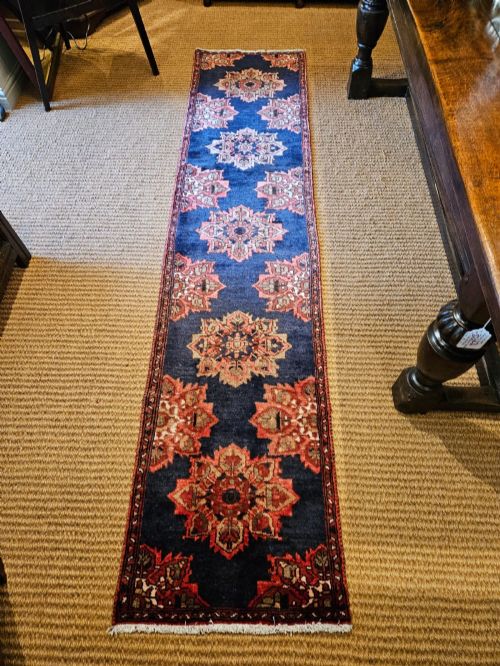
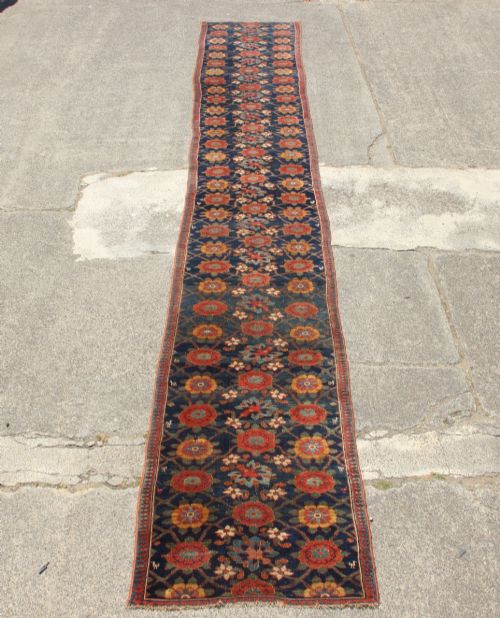
Traditional Wool Corridor Runner
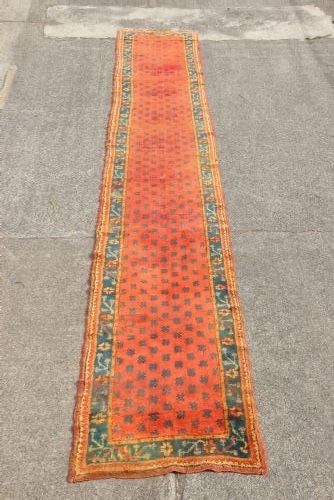
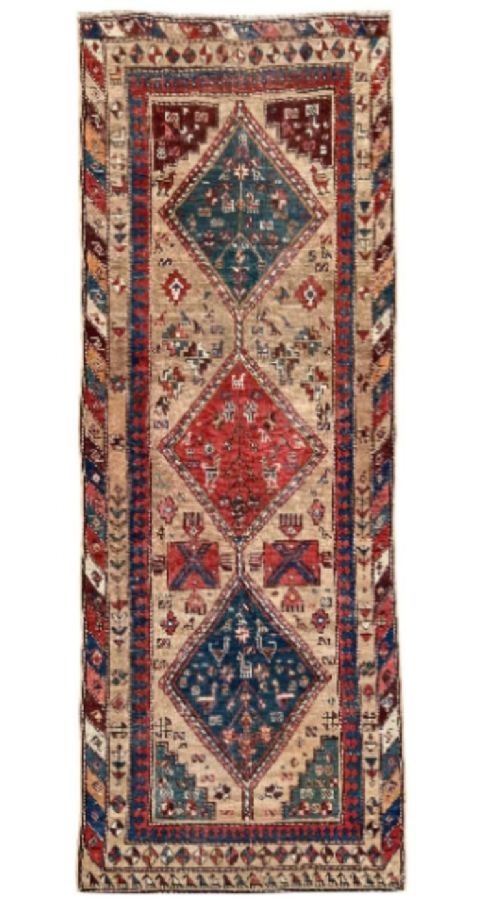
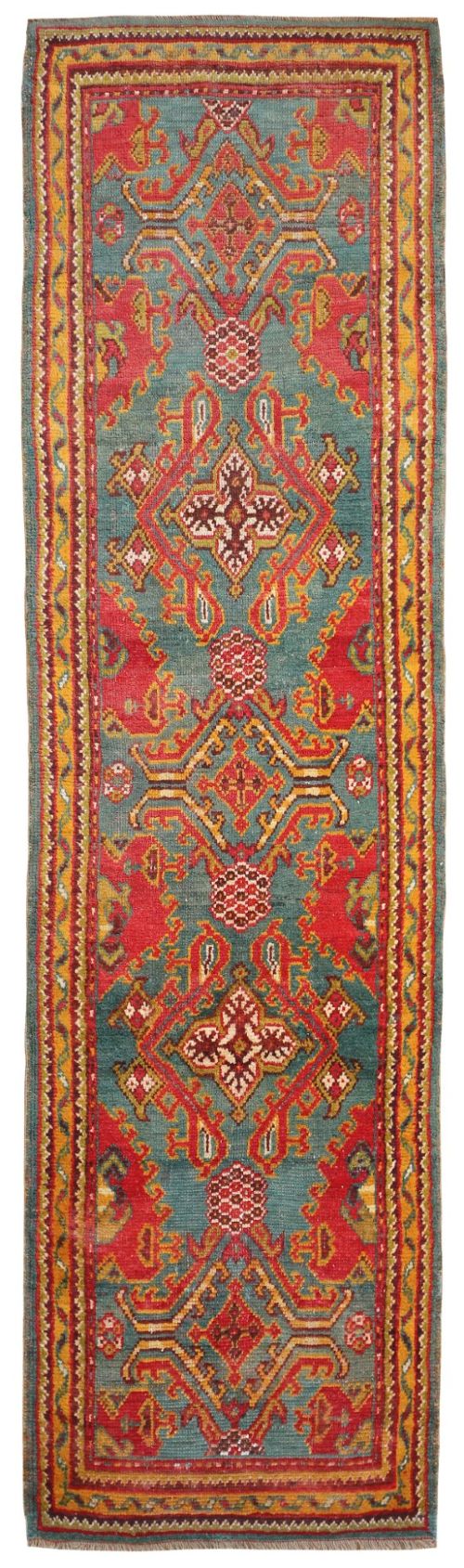
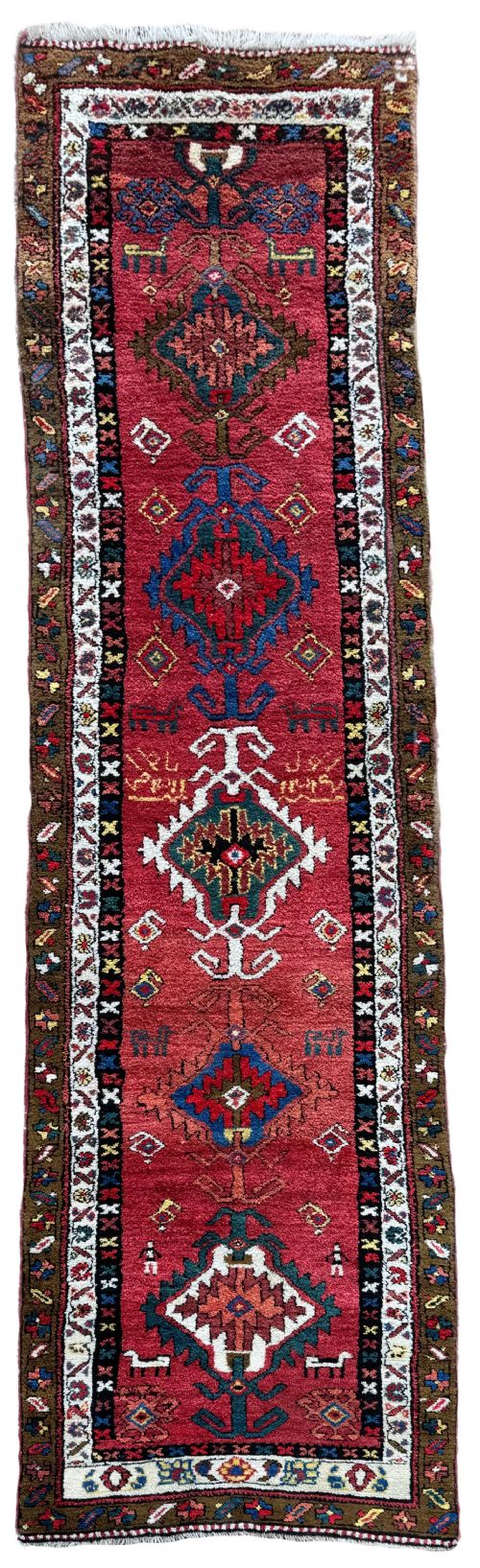
A traditional wool corridor runner brings warmth and pattern to long walkways, drawing the eye down domestic spaces with rich historical character.
Traditional Wool Corridor Runner
A traditional wool corridor runner bridges hallways and landings with elongated formats designed specifically for narrow architecture. These floor coverings bridge grand country houses and modest town properties alike, offering durable service underfoot.
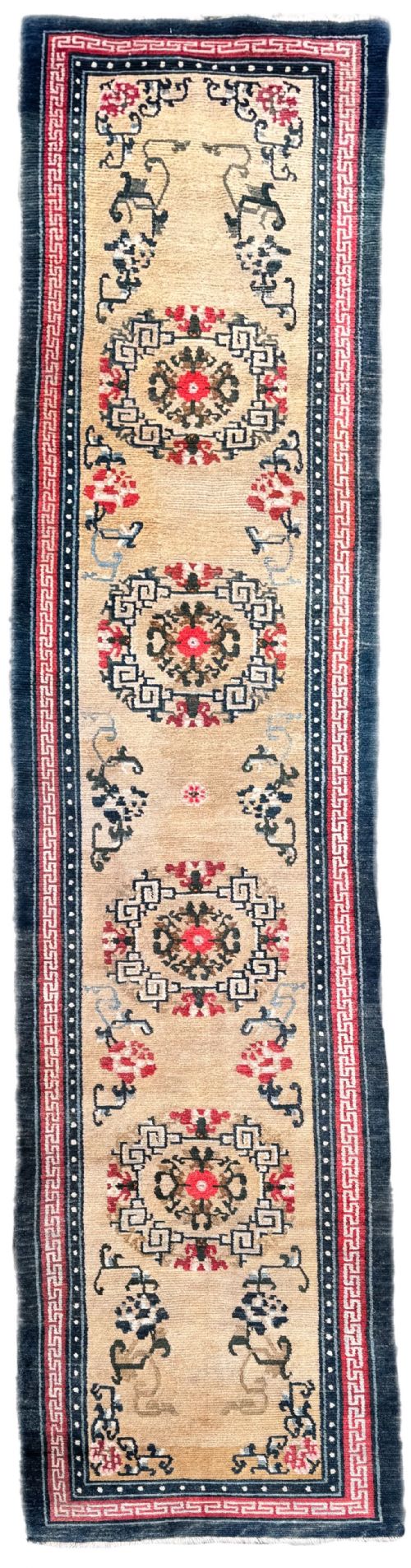
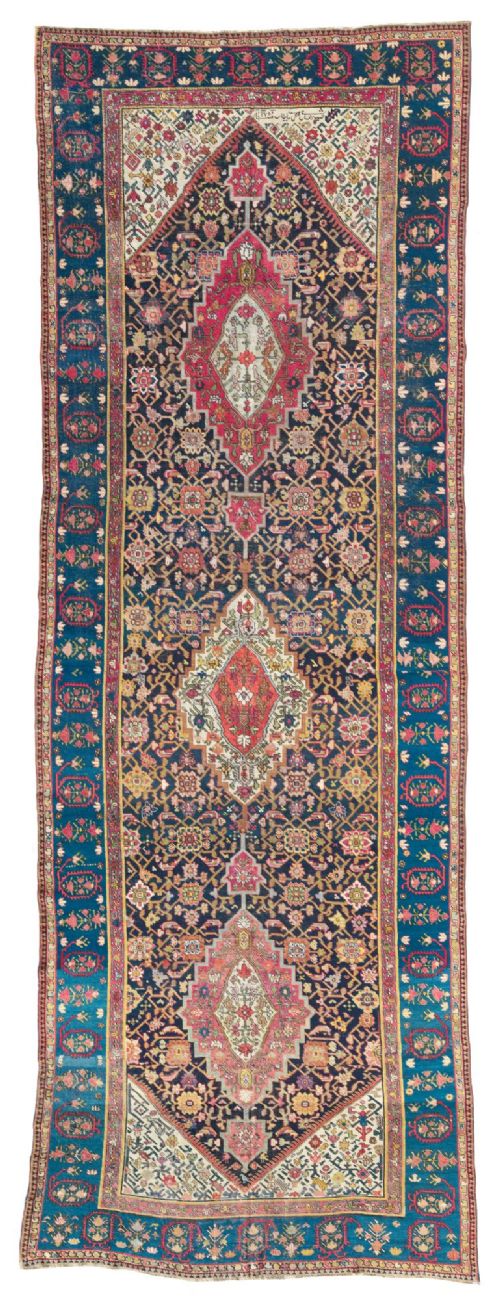
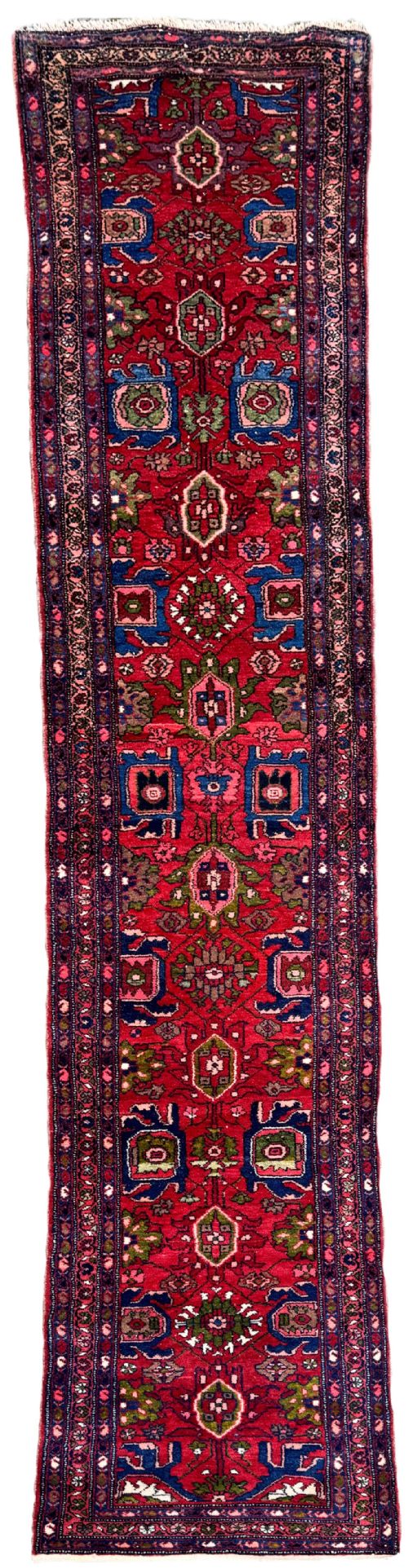
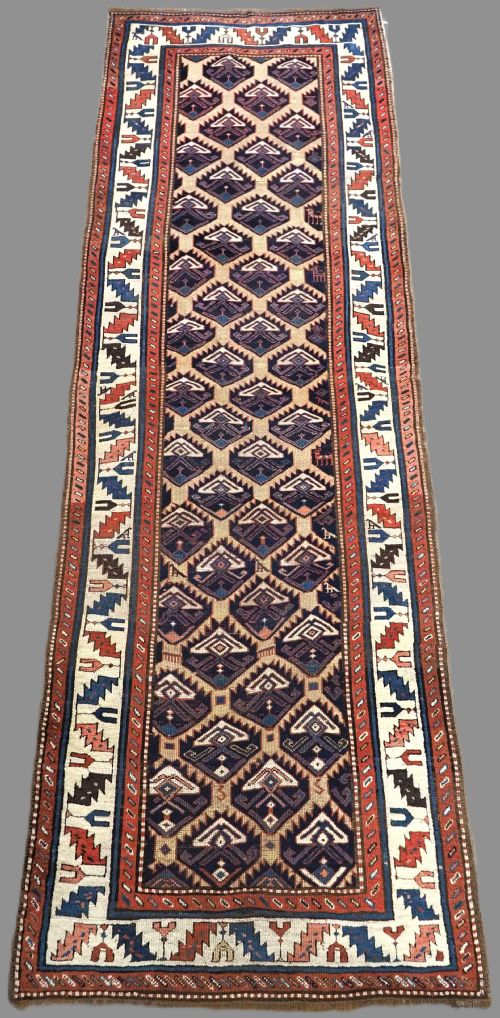
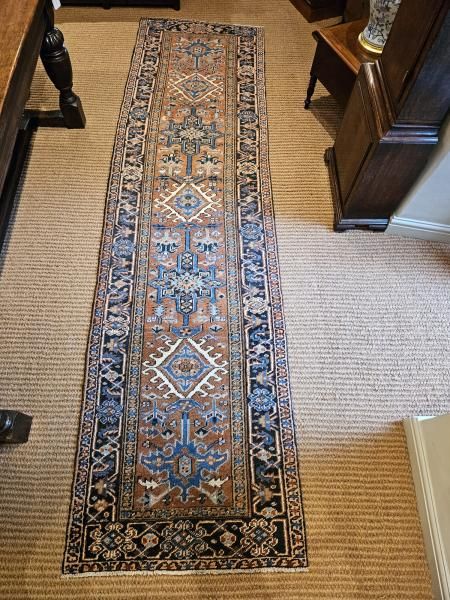
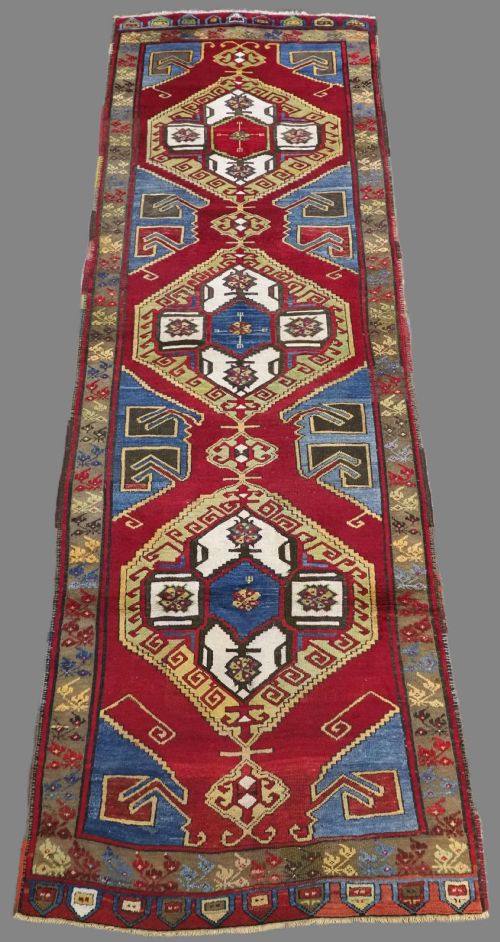
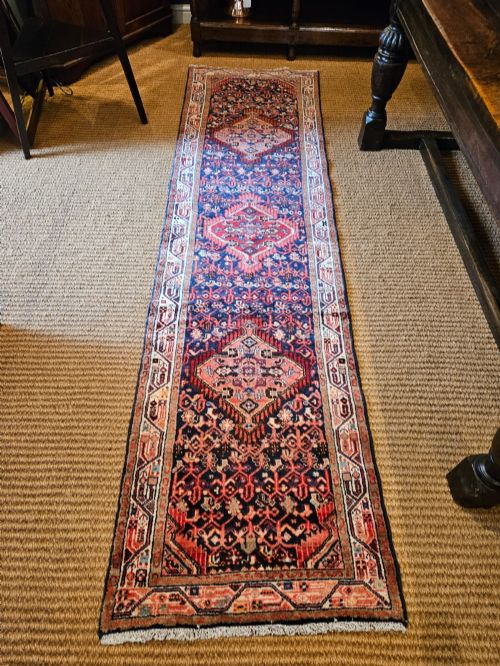
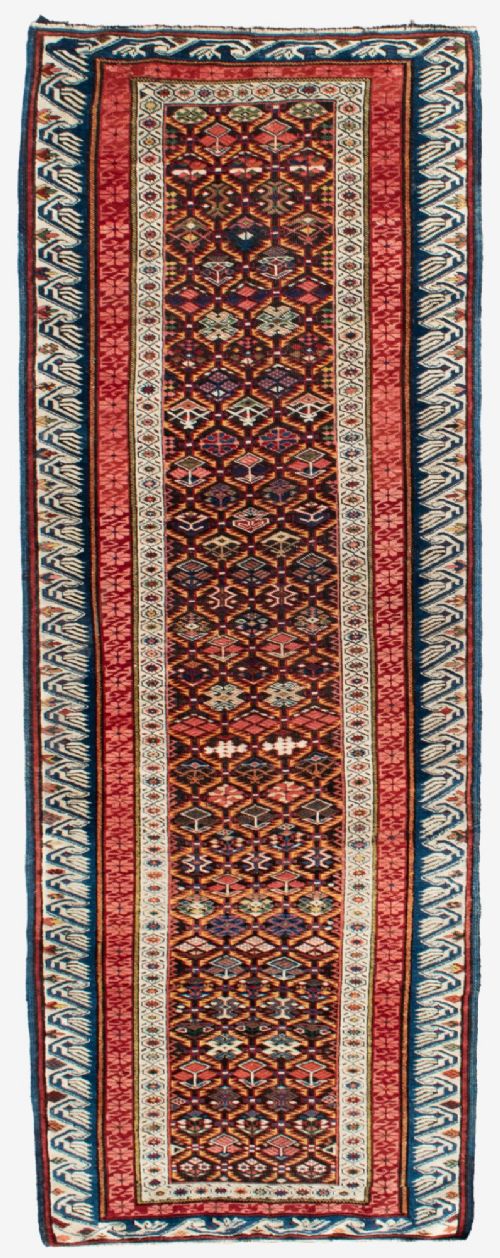
The selections span distinct weaving traditions including Persian, Caucasian, Anatolian, Kurdish, and Tibetan workshops. Pieces range from modest lengths to extensive formats stretching over thirty feet.
Makers shaped these textiles from the nineteenth century through the mid-twentieth century, drawing on regional motifs that repeat down the axis of the runner. Each piece reflects the specific aesthetic vocabulary of its originating village or tribal group.
Elements of Quality
Quality rests in the precision of the knotting and the tightness of the weave along the long narrow format. Finer knot counts allow complex regional designs, such as lattice patterns or Mina Khani motifs, to render with distinct clarity.
The integrity of the wool and the longevity of the foundation dictate how well a runner withstands heavy corridor usage. Hand-spun wool retains natural lanolin, which contributes to a supple handle and enduring resilience over decades of service.
Listings span nineteenth and twentieth-century production, incorporating traditional Persian, Caucasian, Anatolian, and Tibetan tribal weaving traditions.
The Traditional Wool Corridor Runner Glossary
- Runner
- A long, narrow carpet format intended primarily for hallways, corridors, and staircases. These pieces measure significantly longer than they are wide.
- Kelleh
- A large format rug or runner, typically longer than a standard scatter rug but broader than a traditional corridor runner. They often served specific room proportions in traditional Persian homes.
- Warp
- The vertical threads stretched tightly on the loom that form the foundational skeleton of the rug. Cotton is commonly utilised for this structural element.
- Weft
- The horizontal threads passed through the warp threads after each row of knots to bind the structure together. This material supports the lateral stability of the runner.
- Pile
- The upright woolen surface of the textile formed by individual knots. Hand-spun wool provides the tactile depth characteristic of older examples.
Traditional Wool Corridor Runner: Frequently Asked Questions
Where should I place a long runner?
These textiles find their natural home in hallways, long corridors, and landings where narrow proportions dictate the floor plan. They protect wooden floorboards while adding historical character to transitional spaces.
Ensure the dimensions leave a consistent border of exposed floor on either side to properly frame the walkway.
How do I measure for a corridor runner?
Measure the clear length of your hallway while leaving space visible at both thresholds. Account for door clearance so the pile does not impede movement when interior doors open.
Width is equally vital, so measure the clear path between skirting boards to select the appropriate narrow format.
How do I care for an antique wool runner?
Regular gentle vacuuming without a rotating brush roll prevents dust from settling into the wool pile. Professional cleaning by specialists in antique textiles preserves the integrity of natural dyes and hand-spun wool.
Use a quality underlay beneath the runner to reduce friction against the floor and prevent slipping.
How can I tell different regional styles apart?
Regional styles reveal themselves through distinct design vocabularies, such as the geometric lattice of Caucasian pieces or the structured medallions of Heriz runners. Colour palettes also point to specific origins, from the deep blues of Persian workshops to the earthy tones of Anatolian tribal weaves.
Kurdish examples often display characteristic boteh motifs and denser, saturated fields.