


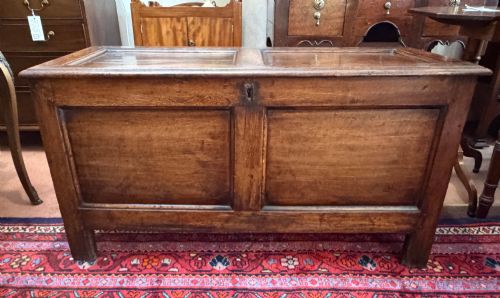
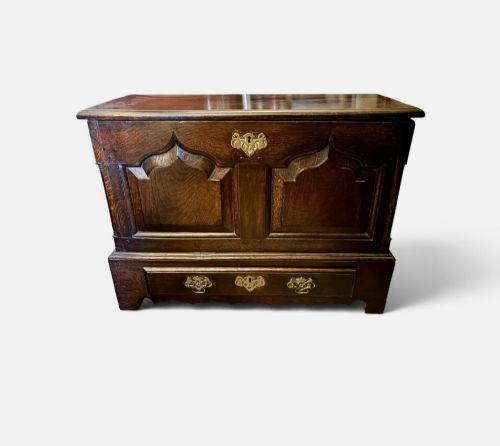
Traditional Wooden Trunk
A traditional wooden trunk offers robust storage rooted in centuries of utility, bringing tactile grain and honest construction directly into your interior.
Traditional Wooden Trunk
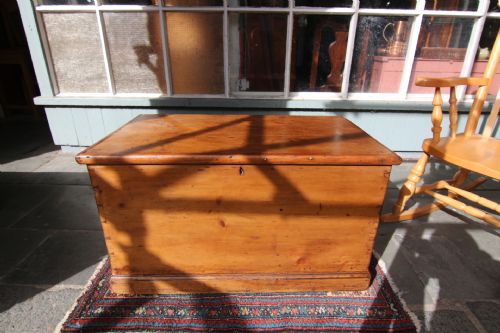
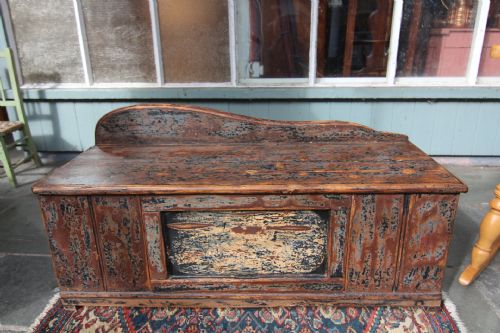
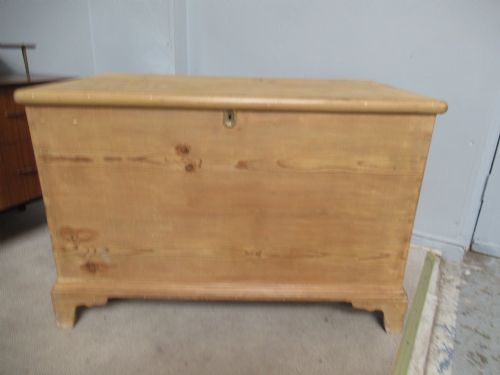
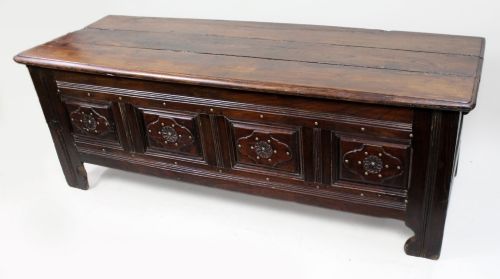
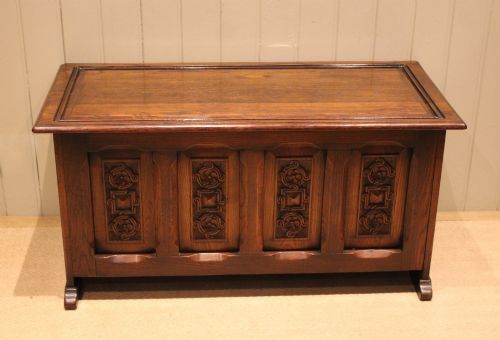
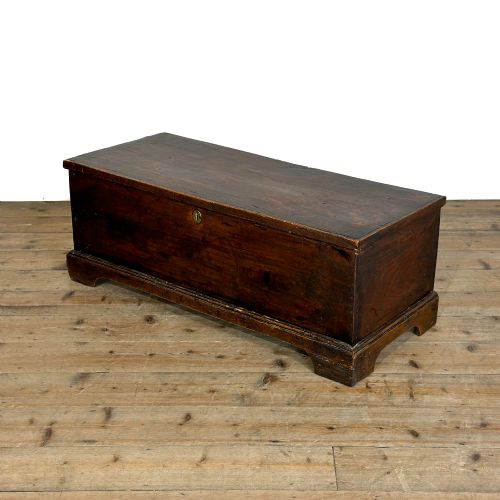
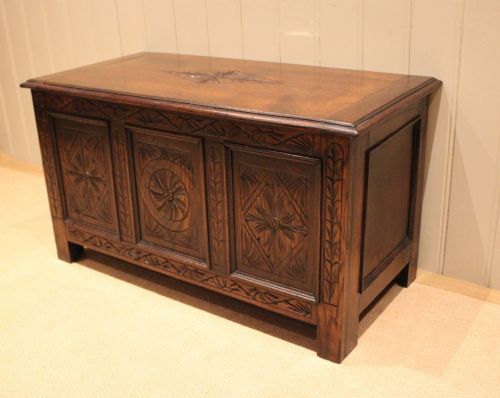
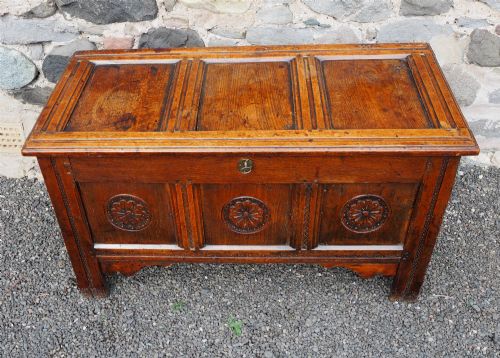
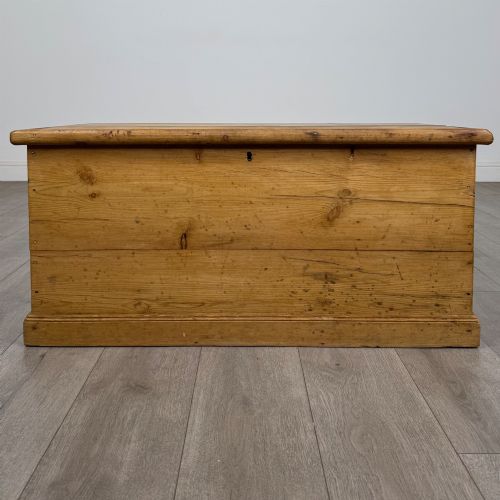
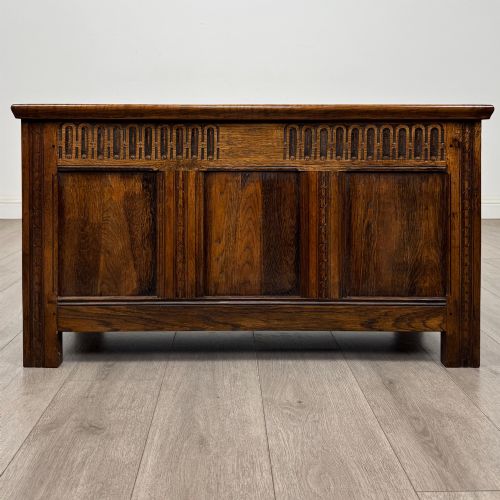
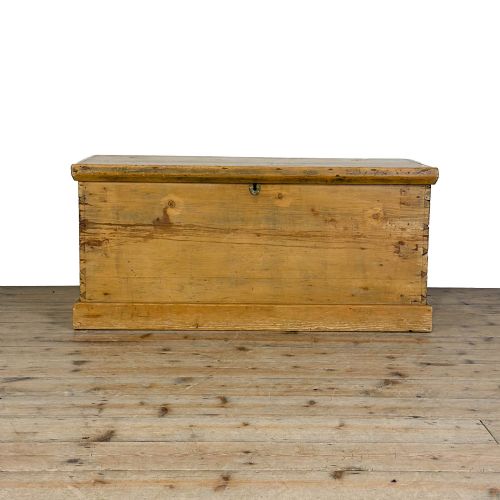
When you search for a traditional wooden trunk, you encounter sturdy blanket chests, blanket boxes, mule chests, and carved coffers that served domestic storage needs across past centuries. The pieces on this page span several eras, reaching back to the seventeenth century while also encompassing eighteenth-century Georgian examples and nineteenth-century Victorian utility items. You are most likely to meet solid oak and pine variants, ranging from plain six-plank vernacular furniture to heavily carved joined constructions.
The regional and stylistic variety includes Welsh country pieces, French provincial coffers, and camphor wood chests from international trade routes. Simpler pine blanket boxes sit alongside formal panelled oak coffers bearing period carving or inlaid details. Each form reflects the specific woodworking traditions and storage requirements of its original makers and users.
How they were made
Construction relies heavily on native timbers such as oak, elm, and pine, joined through traditional methods like pegged mortise and tenon frames or simple board joints in six-plank formats. Carpenters utilised durable local hardwoods for structural integrity, whilst imported camphor wood appeared in overseas trunks valued for its aromatic qualities.
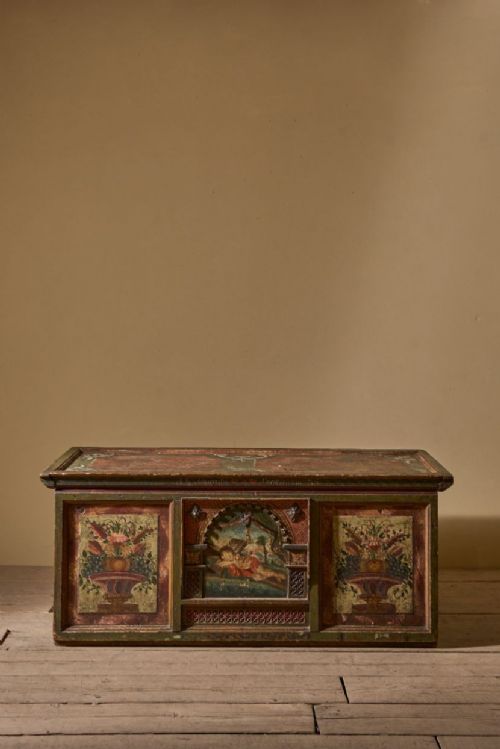
Metalwork played a vital role in reinforcement, featuring hand-forged iron strapwork, hinges, and corner brackets to secure heavy lids and sides. Surfaces were left natural, waxed, or occasionally painted, sometimes embellished with shallow chip carving or geometric panelling reflecting prevailing regional tastes.
The inventory encompasses regional styles including French provincial, Welsh country, and rustic farmhouse designs alongside formal Georgian and Victorian furniture.
What varies in quality
The distinction between standard utility items and superior examples lies in the selection of timber and the sophistication of the joinery. Finely figured oak boards, intricate hand-carved decoration, and intact original ironwork elevate a piece above utilitarian storage boxes.
Proportion and structural integrity also dictate worth, with harmonious dimensions and minimal replacement parts commanding greater appreciation. Untouched surfaces retaining early patination outrank pieces that have undergone heavy modern stripping or extensive timber replacement.
The Traditional Wooden Trunk Glossary
- Coffer
- A heavy wooden chest traditionally used for storing valuables, linen, or documents. These sturdy containers often feature hinged lids and raised feet.
- Mule chest
- A storage chest featuring one or more drawers beneath the main lift-top compartment. This form evolved by combining the traditional coffer with drawer storage.
- Six-plank
- A simple construction method utilising six individual boards pegged or nailed together at the corners. This vernacular technique forms the basis of many early rustic chests.
- Strapwork
- Flat ornamental bands of metal, leather, or carved wood applied in interlaced patterns. Hand-forged iron strapwork frequently reinforces the corners and lids of utilitarian trunks.
Traditional Wooden Trunk: Frequently Asked Questions
What is a coffer?
A coffer is a robust wooden chest originally designed for keeping valuables, clothes, or documents secure in domestic or ecclesiastical settings.
Over time, these heavy storage boxes became central pieces of furniture in homes, eventually evolving into specialised blanket boxes and mule chests.
How do I date an oak chest?
Dating relies on examining the construction methods, tool marks, and joinery techniques visible across the frame and interior panels.
Early pieces utilise pegged frame-and-panel construction and hand-riven timber, whilst later Victorian boxes often display machine-sawn boards and simpler butt joints.
Where were blanket chests placed?
Blanket chests traditionally sat at the foot of beds or along hallways to hold household textiles, woollens, and spare bedding.
Their sturdy flat lids also allowed them to serve as impromptu seating or tables within smaller rooms.
What is camphor wood used for?
Camphor wood was utilised for trunks intended to protect textiles from moths and dampness during long voyages.
The natural aromatic oils within the timber give these specific chests a distinct scent whilst preserving stored garments.