


Pine Ottoman Chest
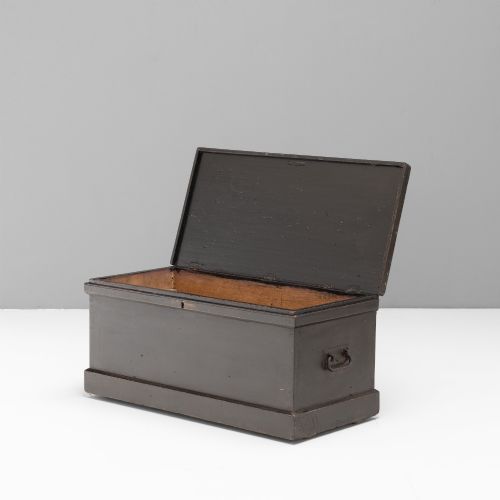
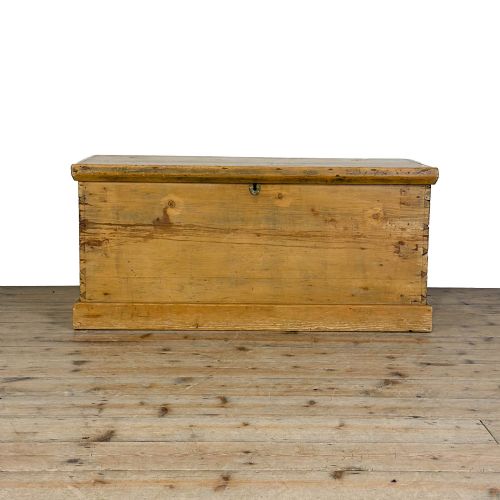
These pine ottoman chest pieces are practical storage trunks and blanket boxes built from solid timber, offering enduring utility and rustic character.
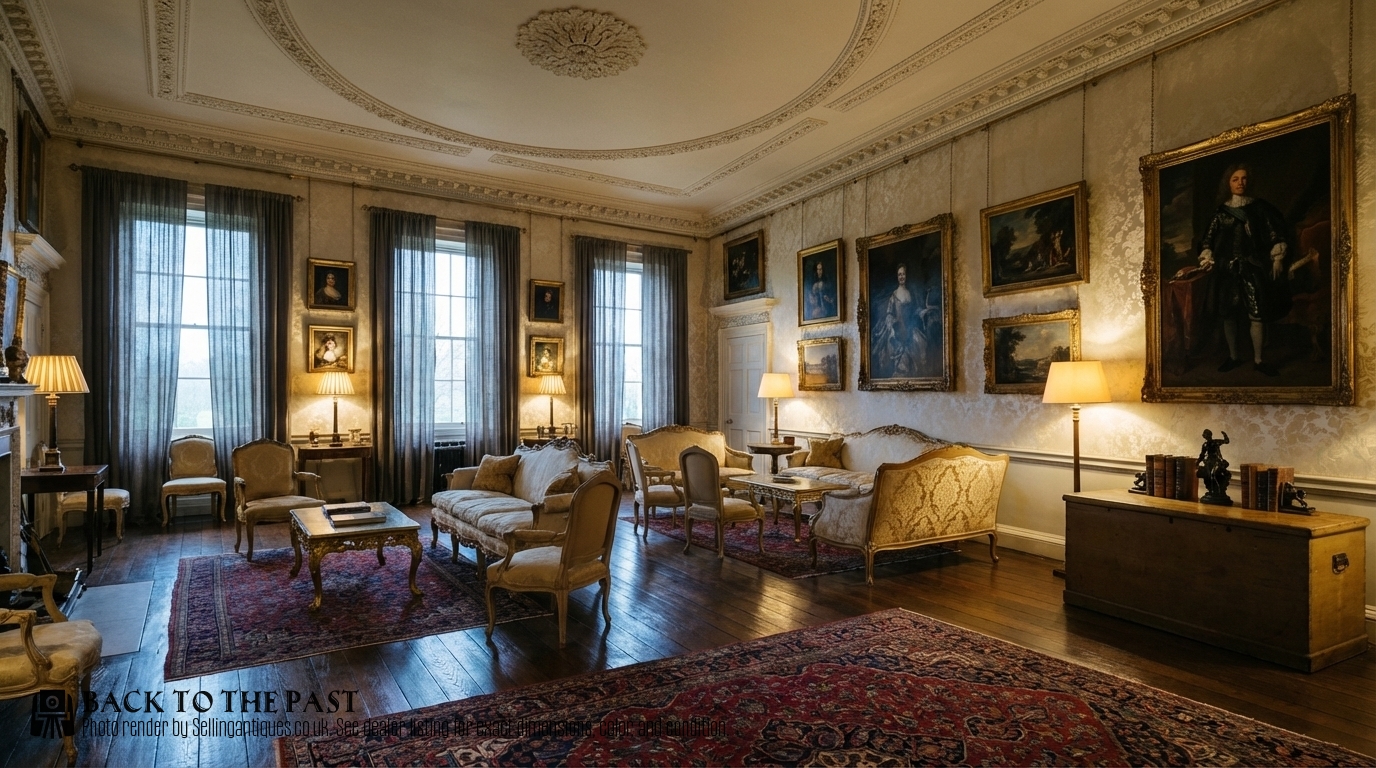
Pine Ottoman Chest
A pine ottoman chest serves primarily as a robust storage trunk, blanket box, or kist designed to hold household linens and bulky items. When you search for this phrase, you will find sturdy timber containers shaped by nineteenth-century utilitarian needs.
The versions most commonly met on this page date from the Victorian period, spanning the late nineteenth century up to the early twentieth century. These pieces range from simple storage boxes to mule chests fitted with internal compartments or lower drawers.
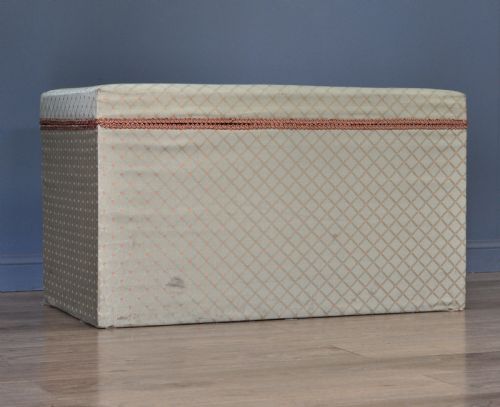
Makers of the era also produced low, wide variants that double as coffee tables, alongside upholstered top forms covered in fabric or baize. The rustic country and farmhouse styles dominate, reflecting straightforward domestic utility rather than courtly ornament.
How they were made
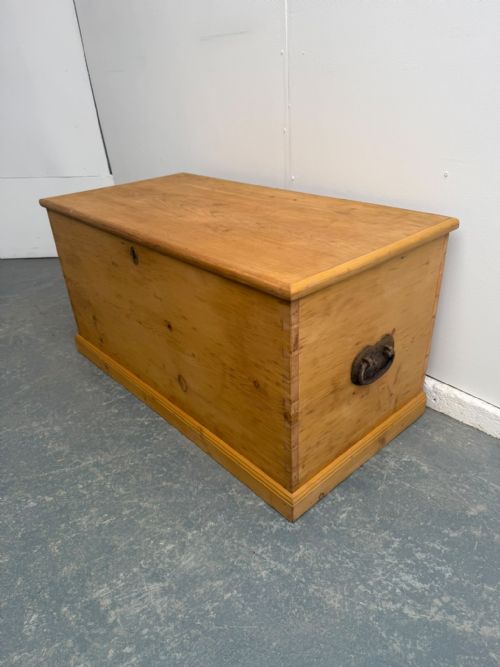
Construction relies upon solid pine boards joined to form deep, rectangular bodies, frequently finished with wax, paint, or polish to protect the timber. Many examples incorporate iron or brass hardware, including side lifting handles for transport.
Functional iron locks and hinges secure the lids, while certain pieces feature tapered sides and internal partitions for organising blankets, toys, or logs. Upholstered variants integrate padding and fabric directly onto the wooden lid frame.
Pine Ottoman Chest Retail Price Guide 2026
Typical asking prices for pine ottoman chest among the pieces listed under this phrase on Sellingantiques today, from the lower quarter to the upper quarter. They describe what is for sale here now, not the wider market.
Several Victorian trunks still bear the original baize linings intended to keep family blankets free from splinters and dust.
What varies in quality
Quality separates simple utility boxes from finer domestic furniture through the selection of timber grain, the weight of the solid pine boards, and the cleverness of internal joinery. Better examples retain working locks and original metal furniture rather than modern replacements.
The finish also dictates distinction, as deeply waxed surfaces or carefully applied historical paint layers show greater artisanal consideration than plain, stripped boards. Proportions matter too, distinguishing low, wide coffee table conversions from standard deep storage trunks.
The Pine Ottoman Chest Glossary
- Pine
- A softwood timber utilised widely for nineteenth-century domestic furniture and utility boxes. It accepts wax and paint finishes readily.
- Mule chest
- A storage chest featuring a deep upper box section above one or more drawers at the base. It combines trunk storage with drawer convenience.
- Kist
- A traditional regional term for a heavy wooden storage chest or box. These pieces served families for generations as secure linen and blanket repositories.
- Baize
- A coarse woollen fabric resembling felt, frequently used to line the interiors of boxes and chests. It protects delicate stored textiles from friction.
- Ottoman
- A padded storage box with an upholstered lid designed for seating or resting feet. In this context, it describes low chests adapted for dual household purposes.
Pine Ottoman Chest: Frequently Asked Questions
What is a pine ottoman chest?
A pine ottoman chest is a sturdy wooden storage trunk or blanket box, usually dating from the Victorian era. These pieces were built to store household textiles, linens, and bulky items.
Today, they function well in modern homes as coffee tables, entryway benches, or end-of-bed storage units while retaining their original rustic charm.
How do I date a pine trunk?
Dating a pine trunk involves looking at construction methods, hardware types, and surface finishes. Victorian pieces often display hand-cut joinery, forged iron side handles, and traditional brass or iron locks.
Later twentieth-century examples tend to show more uniform machine-sawn timber and simpler internal fittings without the patination found on nineteenth-century pieces.
Can I use an ottoman chest as a coffee table?
Low and wide pine chests are particularly well suited for use as living room coffee tables. Their flat wooden or upholstered tops provide a stable surface for books and daily items.
Make sure to check the height and proportions of the specific trunk to ensure it matches your seating arrangement comfortably.
What is the difference between a mule chest and a trunk?
A standard trunk consists of a simple open box with a hinged lid for bulk storage. A mule chest incorporates one or more drawers beneath the main trunk compartment.
This drawer addition allowed users to access smaller items without having to lift the heavy main lid of the box.