


Traditional Wooden Storage Trunk
A traditional wooden storage trunk offers substantial household storage, bringing centuries of durable craftsmanship and rich timber character into modern rooms.
Traditional Wooden Storage Trunk
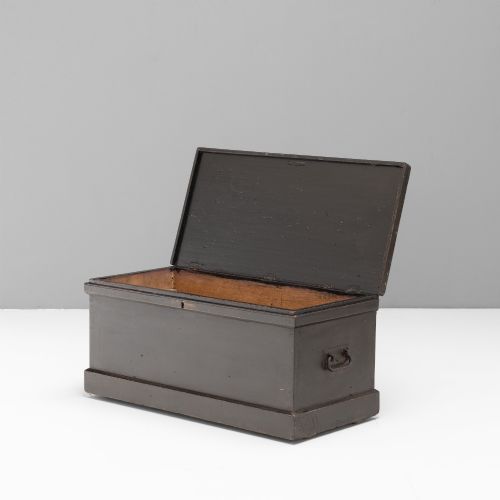
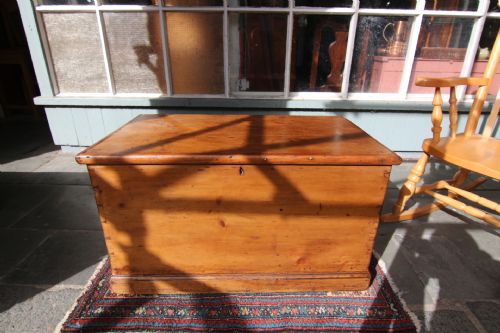
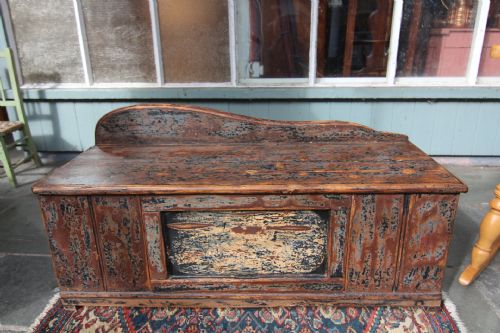
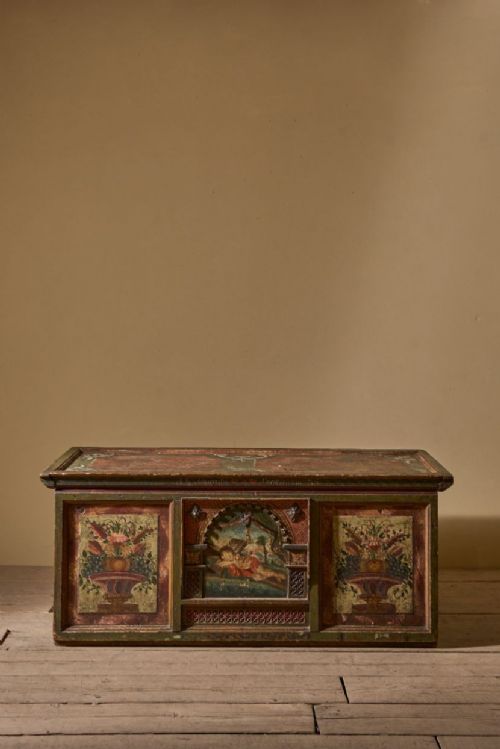
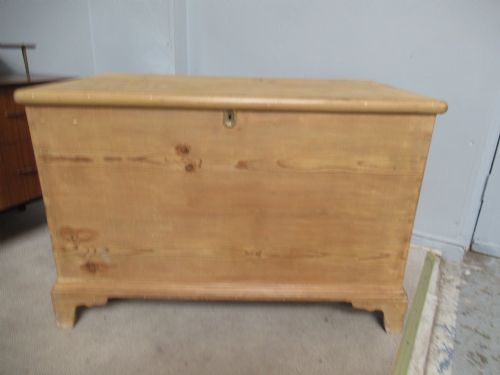
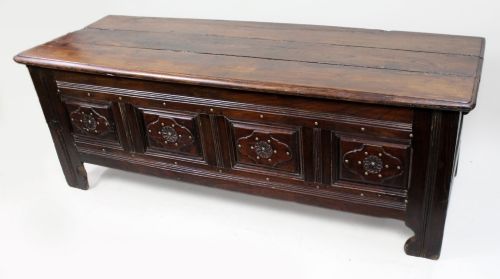
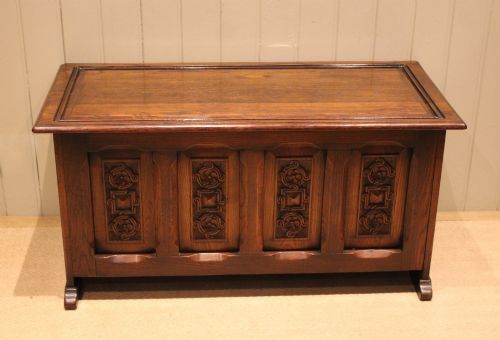
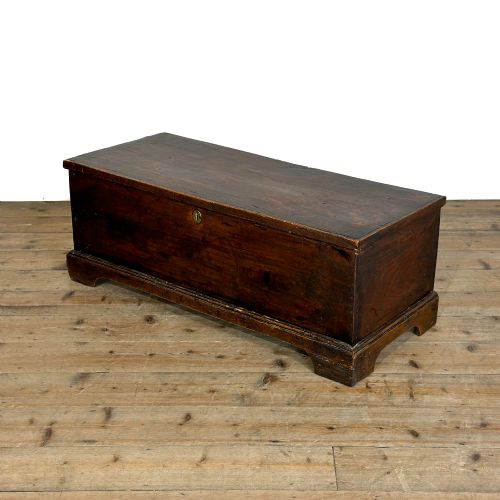
A traditional wooden storage trunk encompasses robust coffers, blanket chests, and mule chests designed for heavy domestic use across centuries. When exploring these listings, buyers encounter numerous sturdy oak and pine examples originating from British, French, and Chinese workshops.
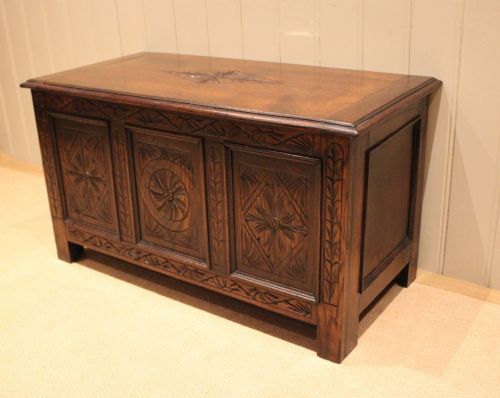
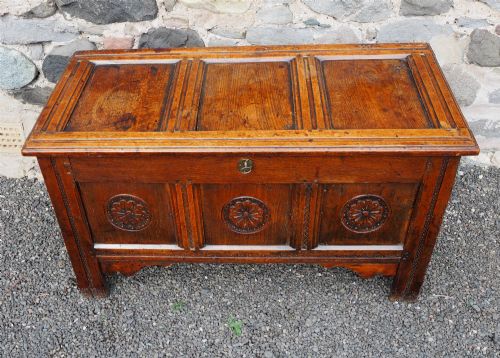
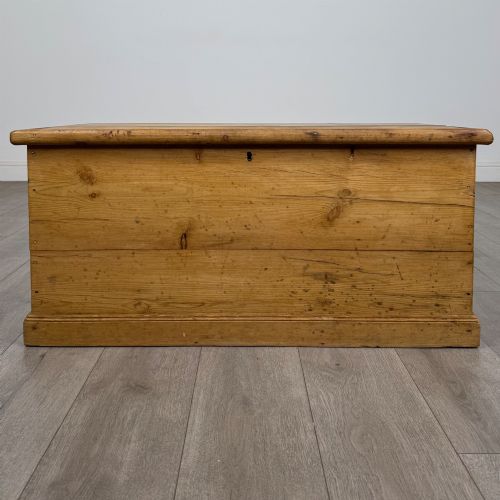
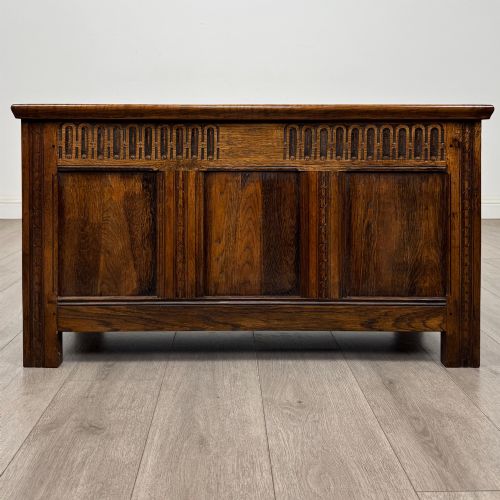
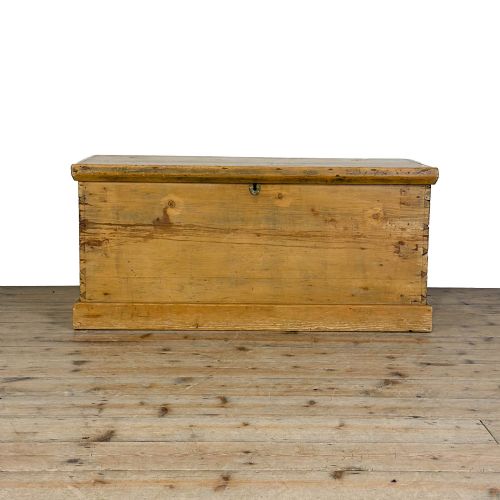
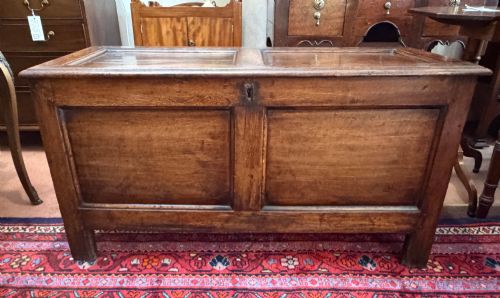
The most common versions met on this page are sturdy oak coffers from the seventeenth and eighteenth centuries, alongside stripped or painted Victorian pine blanket boxes. These pieces range from plain six-plank constructions to deeply carved panelled designs intended to hold household textiles and valuables.
Regional variations appear frequently, including Welsh coffer bach chests and provincial French fruitwood or oak receptacles. Each type reflects the local timber availability and domestic storage needs of its specific period.
Materials and construction
Makers relied heavily on native hardwoods such as oak and elm, alongside utilitarian softwoods like pine, joining boards with traditional pegging and frame-and-panel techniques. These dense timbers provided the structural rigidity required for heavy lids and constant daily use.
Iron and brass hardware played an essential functional role, featuring hand-forged strapwork, hinges, and carrying handles that reinforced the wooden joints. Paint and natural wax finishes were frequently applied to seal the grain and protect the timber from moisture.
Camphor wood trunks arrived from distant ports specifically to protect woollens from moths with their distinctive, enduring herbal aroma.
Measures of quality
Quality rests primarily in the integrity of the timber selection and the precision of the joinery, distinguishing utilitarian containers from formal furniture. Early joined examples display carefully fitted panels and substantial thickness that endure centuries without losing structural alignment.
The presence of original hand-forged iron strapwork, authentic brass fittings, and untouched surface patination elevates a piece far above later revivals or heavily restored items. Carved decoration also varies significantly, separating crisp, period-correct hand chiselling from later mechanical embellishments.
The Traditional Wooden Storage Trunk Glossary
- Coffer
- A large wooden chest traditionally used for storing valuables, textiles, or documents. These heavy receptacles often feature hinged lids and sturdy boarded or panelled construction.
- Mule chest
- A storage chest featuring one or more drawers beneath the main internal compartment. This form bridges the evolution between the traditional coffer and the modern chest of drawers.
- Six-plank
- A primitive chest construction method utilising six distinct boards joined directly at the edges with pegs or nails. It represents one of the earliest and simplest forms of box furniture.
- Strapwork
- Ornamental metal bands of iron or brass fixed across the exterior of a trunk or chest to reinforce joints and provide security. Hand-forged examples display distinct smithing marks.
- Panelled
- A method of construction where thinner boards float within a grooved wooden frame to accommodate natural timber expansion and contraction. This technique prevents the splitting common in solid wide boards.
Traditional Wooden Storage Trunk: Frequently Asked Questions
What were traditional storage trunks used for?
These robust vessels primarily held household textiles, heavy blankets, winter clothing, and family valuables before fitted wardrobes became common.
Their heavy lids and secure locks also allowed them to serve as impromptu seating or tables within communal rooms.
How do I care for antique pine or oak?
Keep wooden storage chests away from direct heat sources and dramatic humidity fluctuations to prevent the timber from splitting or warping.
Feed the dry grain periodically with a traditional beeswax polish to maintain a protective surface sheen without sealing the pores.
How can I tell an early coffer apart?
Examine the construction methods visible on the interior and base, looking for hand-cut peg joints, tongue-and-groove panels, and hand-forged iron hinges.
Surface patination accumulated over centuries provides a deep, matte lustre that modern reproductions cannot replicate.
What is a coffer bach?
A coffer bach is a miniature Welsh chest, translating literally from Welsh as a little coffer.
Despite their smaller proportions, they were constructed with the same rigorous joinery as full-sized pieces and served as presentation or spice chests.