



Traditional Wooden Side Cabinet
A traditional wooden side cabinet grounds a room with timber weight, holding smaller domestic items while anchoring a hallway or sitting space.
Traditional Wooden Side Cabinet
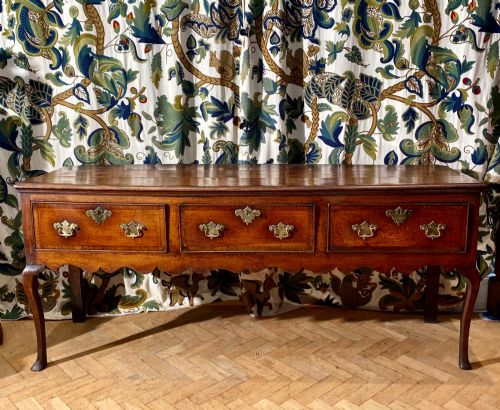
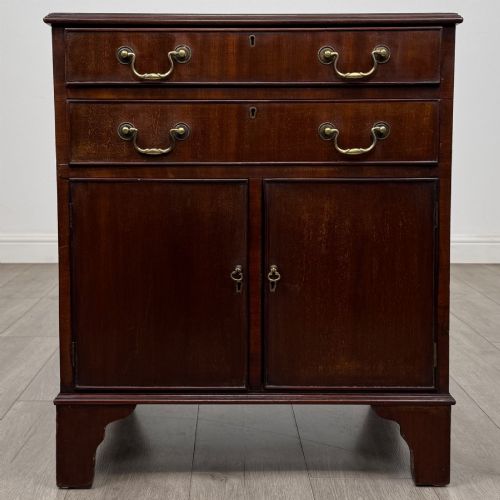
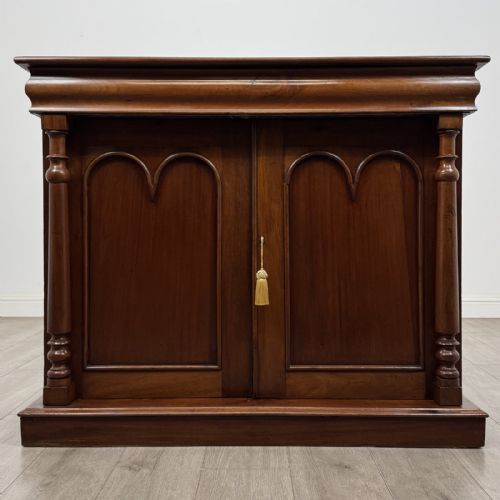
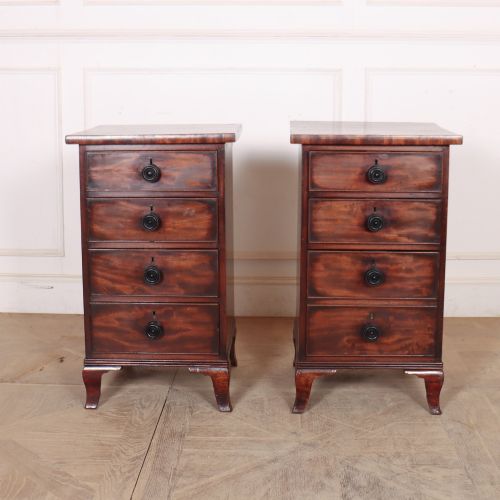
A traditional wooden side cabinet encompasses various storage items built from timber, spanning bedside tables, side tables, small chests of drawers, and cupboards. The pieces originate primarily across the nineteenth century and the early twentieth century, taking domestic forms suited to practical storage.
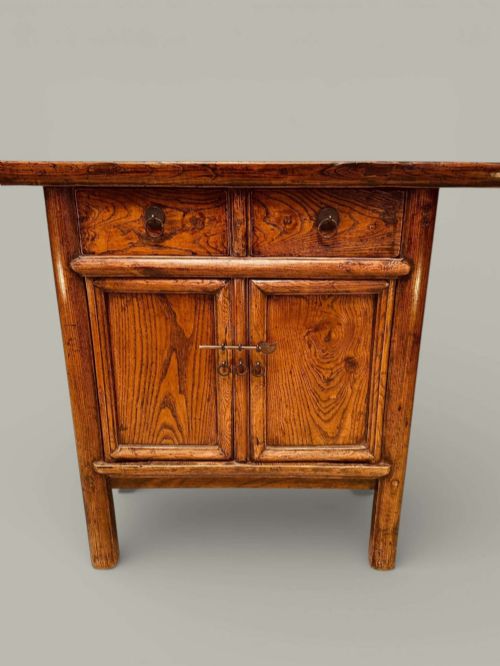
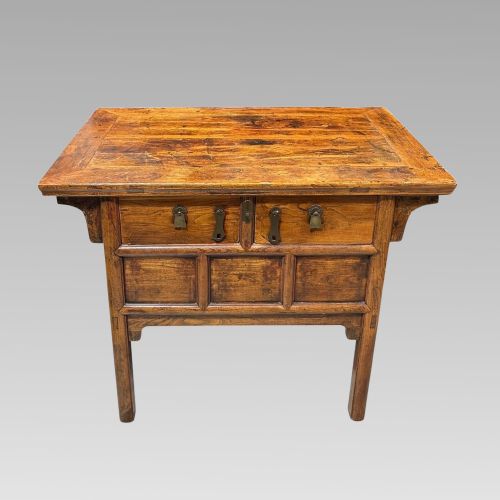
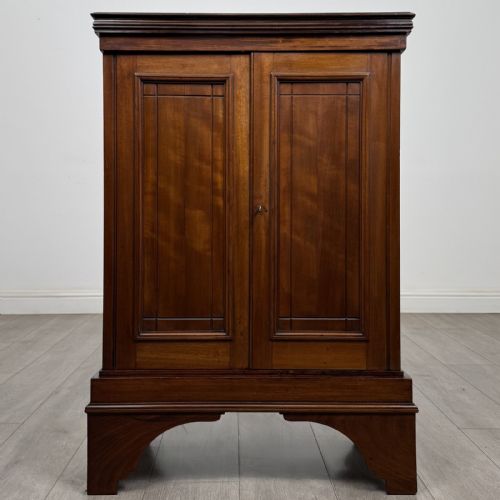
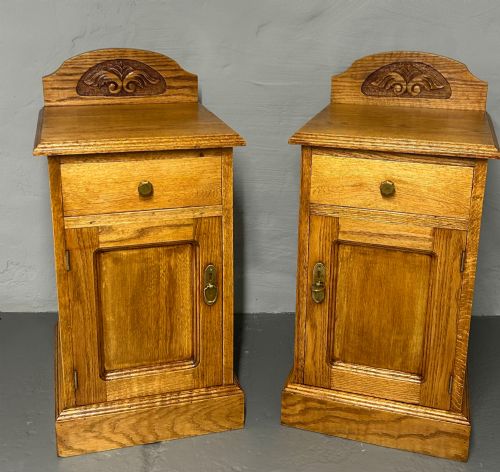
Victorian and Edwardian versions appear frequently alongside Georgian style reproductions and early twentieth-century oak pieces. Alongside these English designs, selections include Chinese elm and red lacquered cabinets from the Qing dynasty period.
Buyers encounter formats ranging from bedside cabinets and night stands to larger court cupboards, library cupboards, and filing drawers. Each piece delivers a specific storage function aligned with period domestic routines.
Materials and construction
Makers utilised solid mahogany, oak, walnut, elm, and pine, frequently selecting flame mahogany and satinwood for grain pattern appeal. Metal elements in brass and iron provide structural hinges, handles, and drawer pulls.
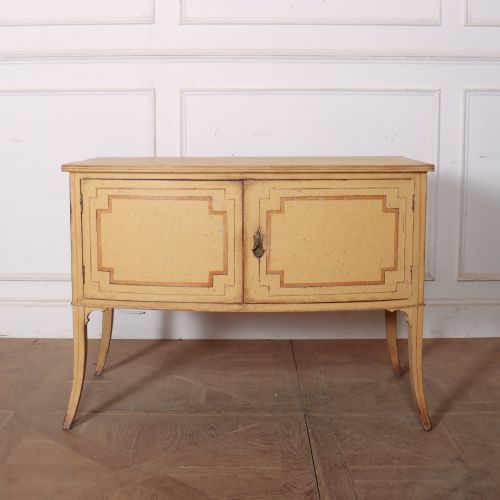
Construction techniques combine traditional joinery with surface treatments, including hand painting, floral decoration, and red lacquer finishes. Certain items incorporate marble tops or hand-carved panels alongside linenfold detailing.
Traditional Wooden Side Cabinet Retail Price Guide 2026
Typical asking prices for traditional wooden side cabinet among the pieces listed under this phrase on Sellingantiques today, from the lower quarter to the upper quarter. They describe what is for sale here now, not the wider market.
Chinese marriage cabinets carry red lacquer intended to bring enduring joy and good fortune to newlyweds.
Evaluating construction and finish
Quality rests in timber selection and joinery precision, distinguishing solid hardwood builds from simpler constructed alternatives. The depth of grain in mahogany and walnut or the preservation of original red lacquer layers indicates superior production.
Hardware integrity and drawer construction demonstrate the standard of the piece, from dovetailed drawer boxes to applied brass fittings. Carving crispness and the condition of marble inserts separate standard workshop output from finer examples.
The Traditional Wooden Side Cabinet Glossary
- Court cupboard
- A short regional cupboard originating in earlier centuries, constructed for displaying plate or storing provisions. Later revival pieces adopted this form for decorative domestic storage.
- Flame mahogany
- A timber veneer displaying a rippled, flame-like grain pattern created by cutting across the branch junction. Cabinetmakers utilised this visually striking wood on principal drawer fronts and doors.
- Linenfold
- A style of woodcarving depicting vertical folds of fabric resembling folded linen panels. This decorative motif appears on oak cupboards and revival cabinetry.
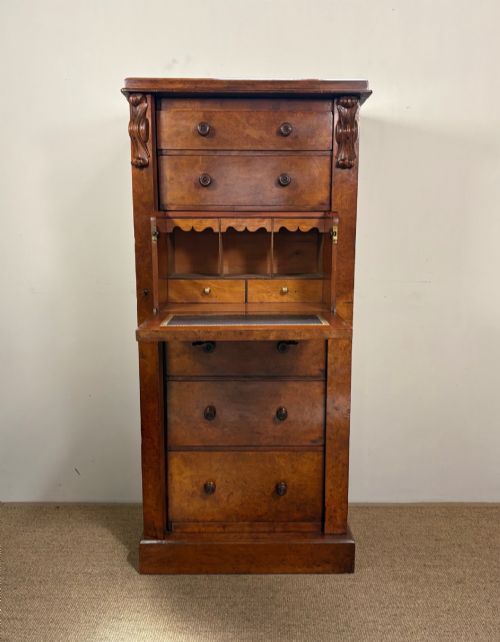
- Wellington chest
- A tall, narrow chest of drawers secured by a hinged locking side stile that fastens with a key. This design protected private documents and valuables in nineteenth-century studies.
- Satinwood
- A lustrous, fine-grained yellow timber imported from tropical regions and employed for high-status cabinet interiors and banded decoration.
Traditional Wooden Side Cabinet: Frequently Asked Questions
How do I choose the right size cabinet?
Measure the intended wall space and check door clearance for bedside or hallway placement. Consider the drawer depth to ensure the piece accommodates intended items.
Compact bedside tables suit tighter spaces, while larger court cupboards require wider clearance and wall stability.
Where should I place a side cabinet?
These cabinets serve bedrooms as bedside storage or living spaces as lamp tables and low storage chests. Their timber surfaces integrate with seating areas and corridors.
Keep wooden cabinets away from direct heat sources to prevent timber movement and finish cracking.
How do I care for antique wood finishes?
Dust surfaces regularly with a soft, dry cloth and apply occasional wax polish suitable for antique timber. Avoid liquid cleaners and silicone sprays which damage aged lacquer and polish.
Maintain stable room humidity to protect mahogany, oak, and elm panels from warping.
What is the difference between Victorian and Edwardian cabinets?
Victorian cabinets often utilise denser timbers with darker finishes, heavier carvings, and formal proportions. Edwardian pieces tend to feature lighter woods like satinwood or simpler oak forms with airier silhouettes.
Both eras reflect the domestic requirements of their respective periods through varied drawer counts and surface decoration.