




Traditional Wooden Headboard
Traditional wooden headboard designs and full bedframes bring solid construction and rich timber grains into the bedroom, offering lasting character.
Traditional Wooden Headboard
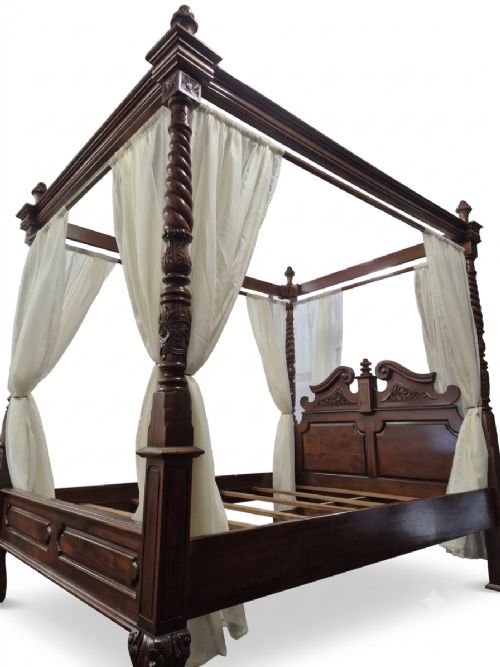
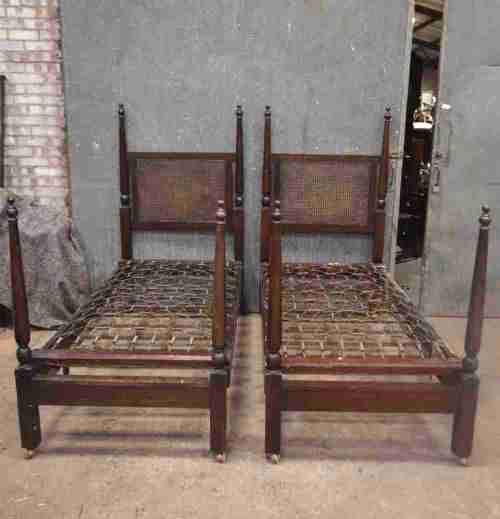
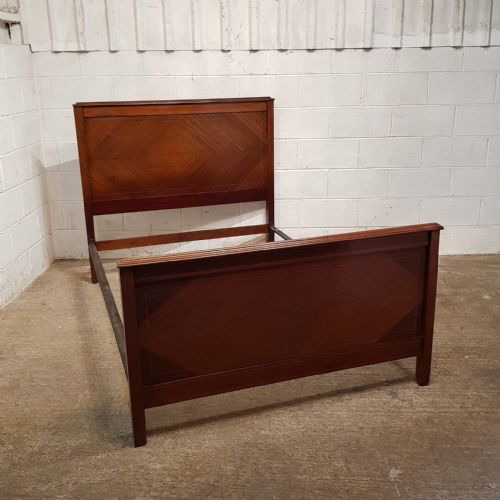
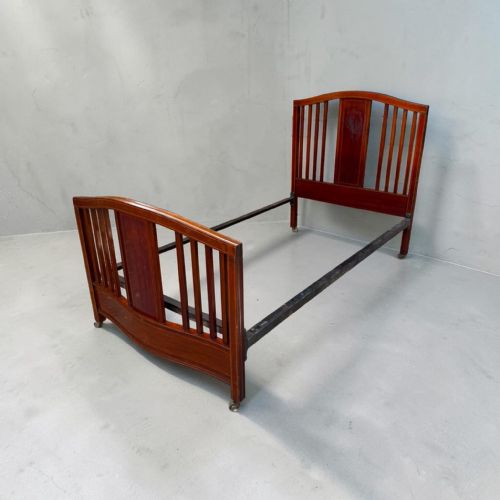
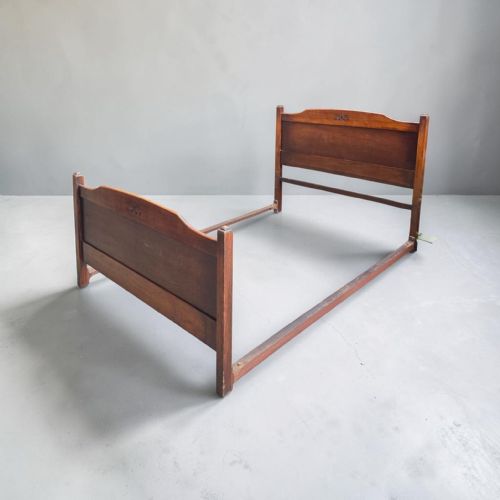
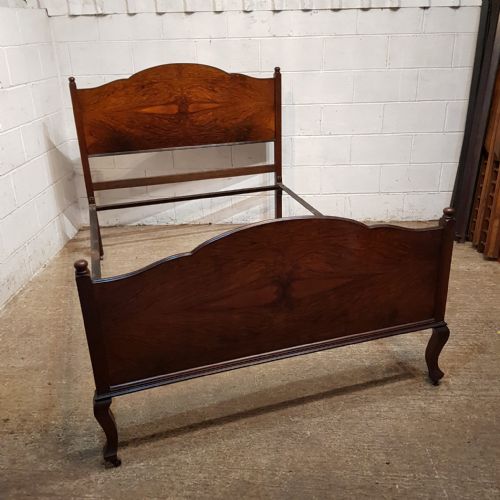
When you search for a traditional wooden headboard, you encounter pieces that range from substantial seventeenth-century oak tester frames to lighter Edwardian mahogany and walnut bedsteads. Many examples originate as complete historic bed frames or four posters rather than standalone panels, reflecting how historical sleeping furniture was constructed as unified architectural units.
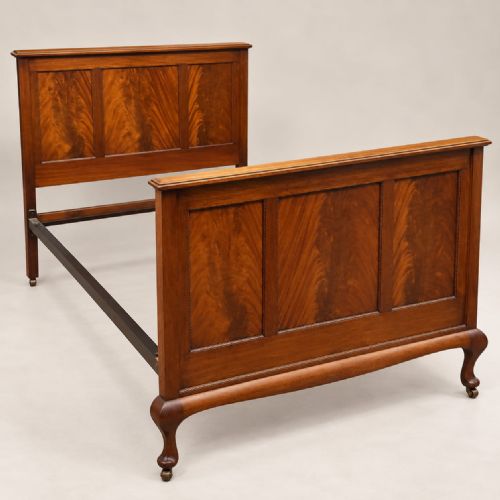
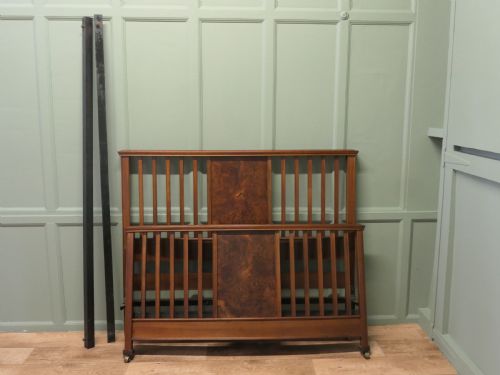
The selection on this page leans heavily towards Edwardian and nineteenth-century craftsmanship, alongside earlier seventeenth-century survivals and 1920s interpretations. You will find single, double, and larger sizes utilising timbers such as mahogany, oak, walnut, and burr walnut, often featuring carved panels, inlaid details, or fabric upholstery.
Makers and workshops of the past constructed these pieces to anchor the principal rooms of grand houses, utilising robust joinery that allows them to function reliably today. Whether you select a carved oak panel or a polished mahogany frame, these items provide a distinct historical presence that mass-produced modern alternatives lack.
Distinctions in Quality and Execution
Quality in these bedframes rests upon the selection of timber figures, such as the richness of burr walnut veneers or the density of solid oak boards. Finer pieces display crisp, deep hand-carving rather than shallow machine routing, alongside careful matching of wood grains across prominent panels and headboards.
Structural integrity and originality dictate the standing of a piece, distinguishing items with intact original posts, panels, and hardware from those heavily altered or assembled from disparate elements. The precision of the joinery and the subtlety of secondary woods reveal the workshop standards upheld during manufacture.
Listings feature timbers including mahogany, walnut, burr walnut, oak, satinwood, and fruitwood across periods from the seventeenth century to the nineteen thirties.
Heal And Son
The Traditional Wooden Headboard Glossary
- Bedstead
- A framework of a bed supporting the mattress and springs. It includes the headboard, footboard, and side rails.
- Tester
- A canopy suspended over a bed, supported by the headboard and posts or by ceiling chains. Seventeenth-century examples often feature elaborate carved wooden frameworks.
- Marquetry
- Decorative veneer work where pieces of wood, shell, or ivory are fitted into a glued wooden panel to form geometric or pictorial designs. It appears frequently on finer Edwardian and Victorian frames.
- Bergere
- A closed-upholstered armchair or headboard inset with woven cane panels. In bedframes, this technique provides a lighter, textured central panel.
- Burr walnut
- A wood harvested from the wart-like growth on a walnut tree, producing swirling, highly decorative grain patterns. Cabinet makers prized this material for high-status Edwardian and Victorian furniture panels.
Traditional Wooden Headboard: Frequently Asked Questions
How do I fit a historic headboard to a modern bed?
Historic bedframes were constructed as integrated units rather than separate panels, meaning older headboards often formed part of a complete four poster or wooden bedstead.
To use one with modern fittings, you may need to adapt the mounting brackets or attach the headboard directly to a contemporary divan base using custom wooden battens.
How should I care for antique mahogany and walnut wood?
Maintain timber surfaces by dusting with a soft, dry cloth and applying a traditional beeswax polish sparingly once or twice a year. Avoid placing wooden headboards against direct heat sources or in strong sunlight, which can dry out the historic timbers and cause the French polish to craze.
How do I identify an Edwardian wooden bedstead?
Edwardian bedframes, dating from around nineteen hundred to nineteen ten, frequently combine lighter proportions with classical revival motifs like satinwood inlay, brass rails, and polished mahogany or oak. They often display machine-assisted precision alongside hand-finished details, reflecting the transition towards more domestic bedroom suites.