
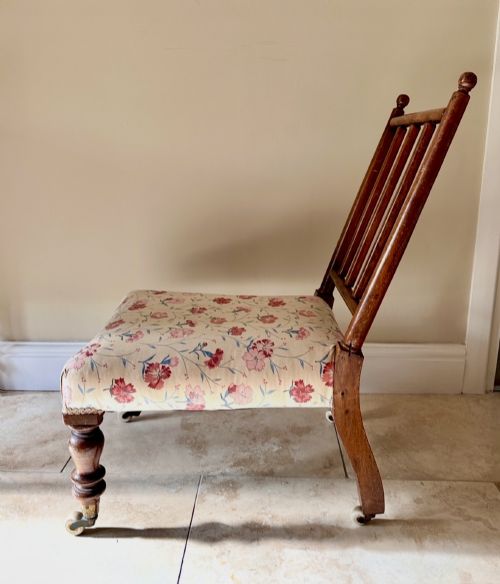
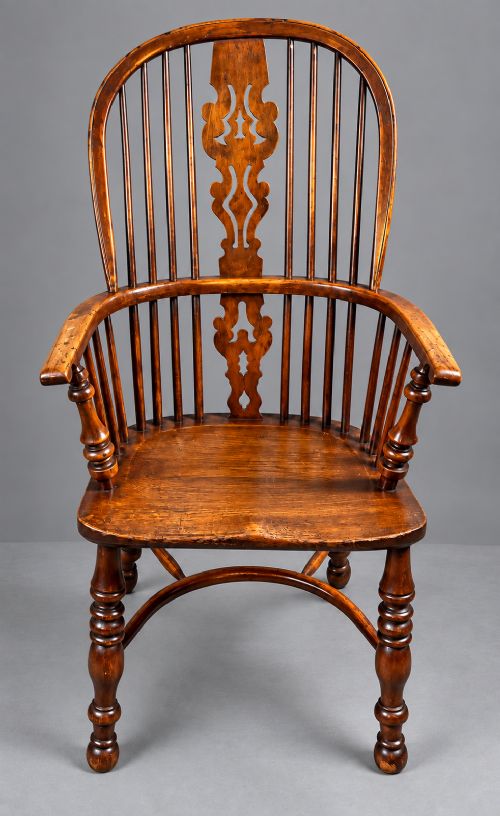
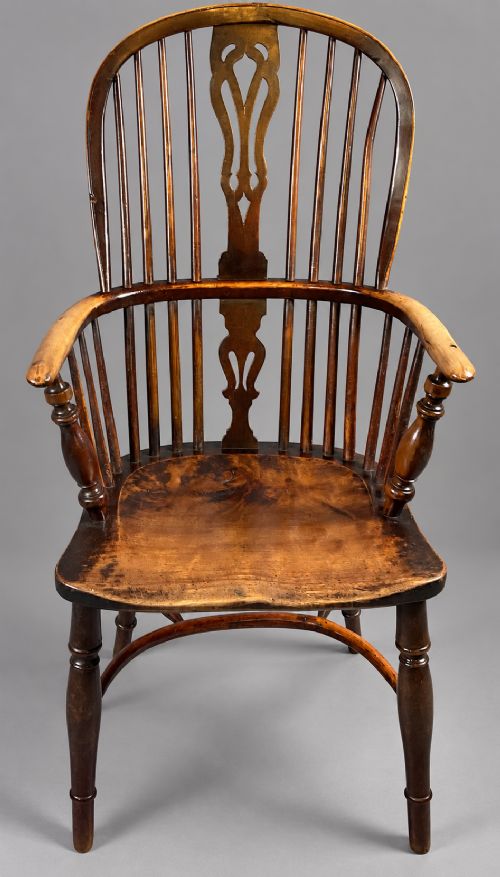
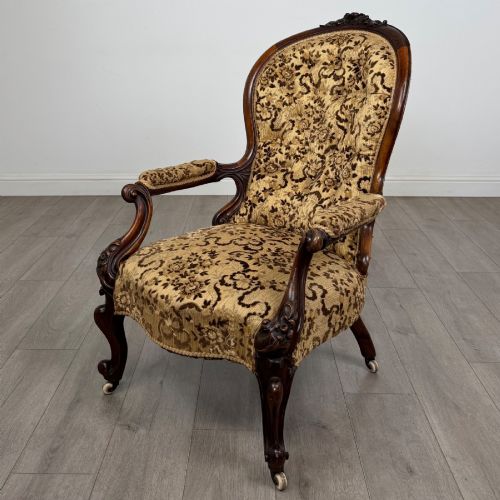
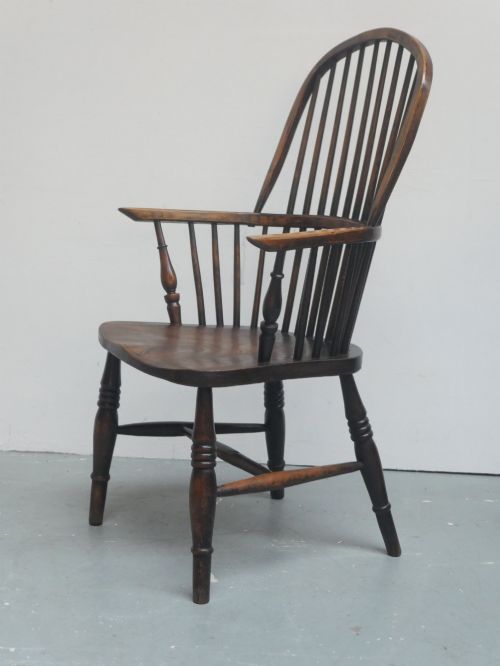
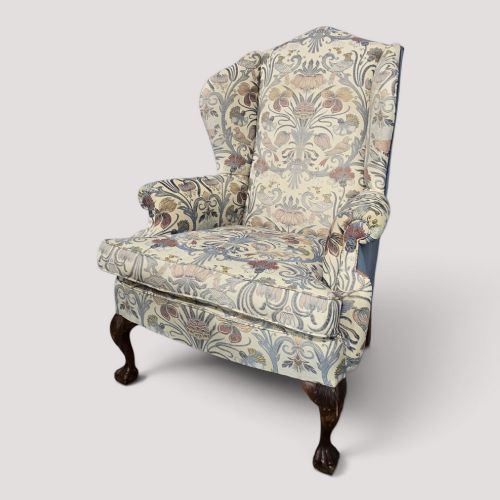

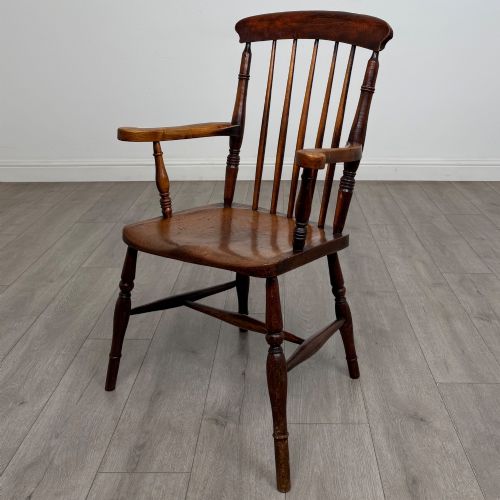
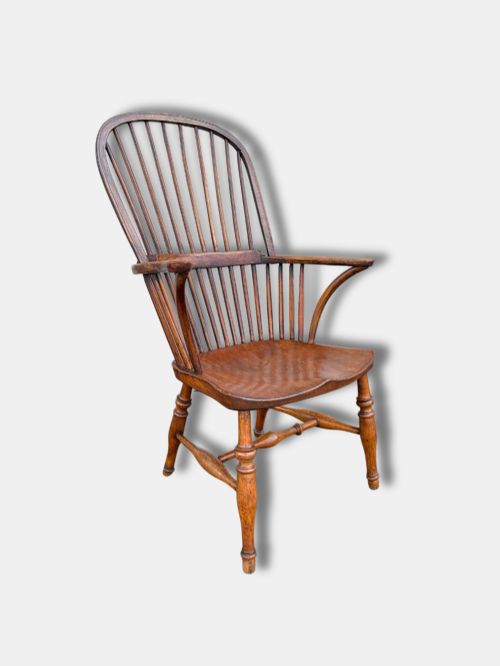
Traditional Wooden Fireside Chair
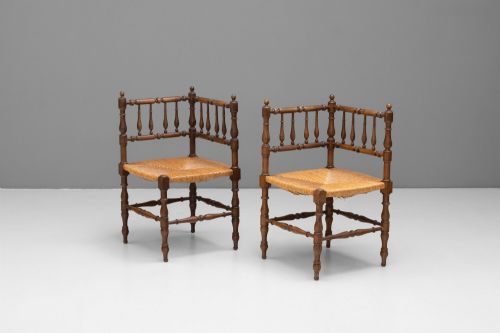
A traditional wooden fireside chair brings rustic warmth to a room, offering sturdy construction and time-worn character honed by rural vernacular makers.
How they were made
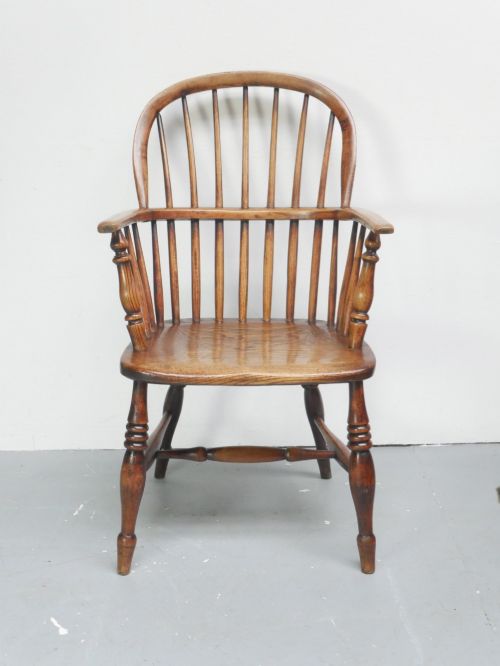
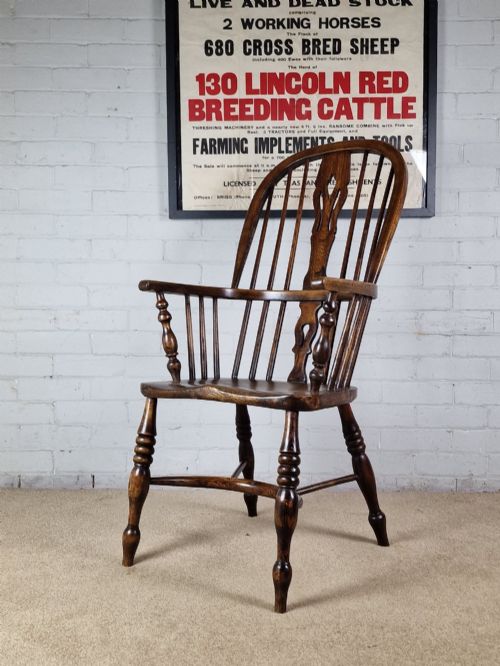
Construction relies upon traditional timber combinations, most frequently pairing a solid sculpted elm seat with ash, beech, or oak for the spindles, legs, and bentwood backs. Regional makers utilised green wood techniques, turning legs and spindles on pole lathes while steam-bending limbs for hoops and arms.
Joinery is predominantly achieved through wedged tenons and through-dovetails, securing upright spindles directly into thick plank seats shaped with adzes or travisers. Surfaces often show original patination, occasionally incorporating ebonised finishes or simple wax polishing rather than heavy modern varnishes.
What varies in quality
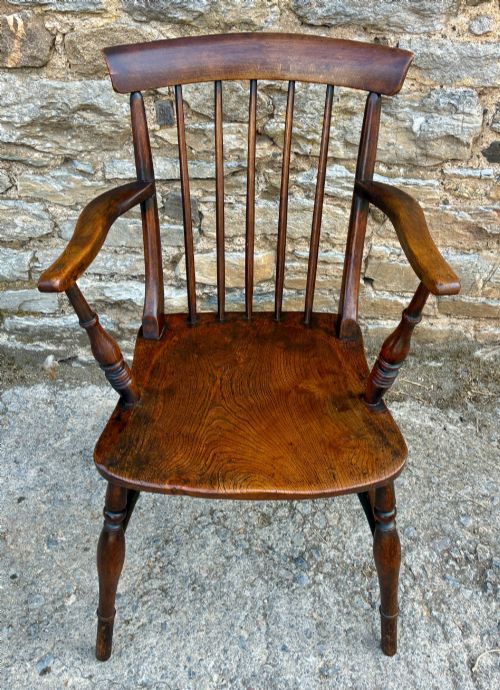
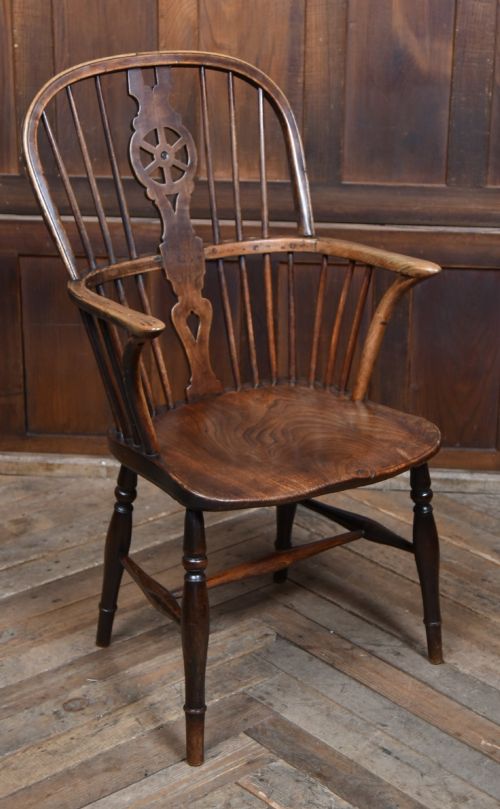
Quality rests upon the integrity of the timber selection and the elegance of the turning, particularly in the profiling of arm supports, spindles, and legs. Superior examples display balanced proportions, a deep saddle-shaped seat carved from a single thick elm board, and tight joints that maintain structural stability without excessive modern intervention.
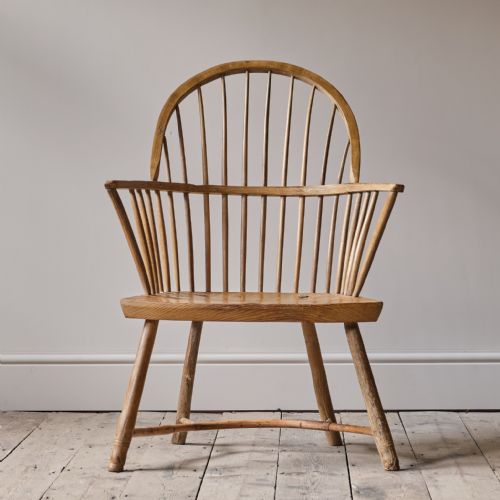
The sophistication of the back design dictates distinction, moving from utilitarian stick backs to refined comb backs, wheel backs, and splat backs with delicate pierced centre splats. Original surface patination and minimal timber replacement elevate an example above pieces stripped down or re-pinned during later repairs.
Listings feature eighteenth-century vernacular forms alongside nineteenth-century Victorian styles, constructed in native hardwoods like elm, ash, yew, and beech.
The Traditional Wooden Fireside Chair Glossary
- Windsor chair
- A chair built with a heavy solid wooden seat into which the legs and back-spindles are directly socketed. This form developed deep regional variations across rural Britain.
- Comb back
- A Windsor chair style featuring a high back topped by a horizontal crest rail resembling the teeth of a comb. Vertical spindles rise through the seat to form this upper rail.
- Stick back
- A vernacular chair design where simple turned or cleft sticks form the back rest rather than a solid carved splat. These functional seats were widely made by local wheelwrights.
- Saddle seat
- A thick wooden seat base shaped with hollows and contours to fit the sitter. Elm was frequently chosen for this purpose due to its interlocking grain.
- Bodger
- A rural woodworker who operated in the woods to turn green timber chair components on pole lathes. Their output was supplied directly to Windsor chair makers in towns and cities.
Traditional Wooden Fireside Chair: Frequently Asked Questions
How do I spot a genuine Windsor chair?
A genuine piece relies on traditional construction methods where spindles and legs pass directly through drilled holes in a solid plank seat and are secured with wedges.
Examine the underside to confirm authentic pegged joinery and consistent timber age rather than modern metal screws or uniform machine tooling.
Which wood was best for chair seats?
Elm was historically preferred for chair seats because its interlocking grain resisted splitting when bodgers drove tapered legs and spindles into the wood.
Makers combined this elm seat with ash or beech for the bentwood hoops and uprights, balancing seating comfort with structural rigidity.
How do I care for a antique wooden chair?
Keep wooden fireside seating away from direct heat sources like open fires or radiators to prevent the dry air from shrinking and splitting the dry timber.
Feed the surface periodically with a traditional beeswax polish to nourish the old grain and preserve the accumulated patination.
What is a lambing chair?
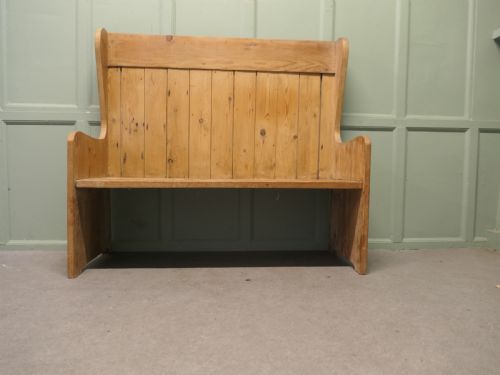
A lambing chair is a vernacular hooded seat traditionally used by shepherds during the cold lambing season to protect against draughts near the hearth.
These pieces typically feature high solid backs and enclosed sides, sometimes incorporating a low storage box beneath the seat.