


Traditional Wooden Butler Table
These traditional wooden butler table pieces offer portable serving surfaces with folding stands, combining historical utility with enduring interior flexibility.
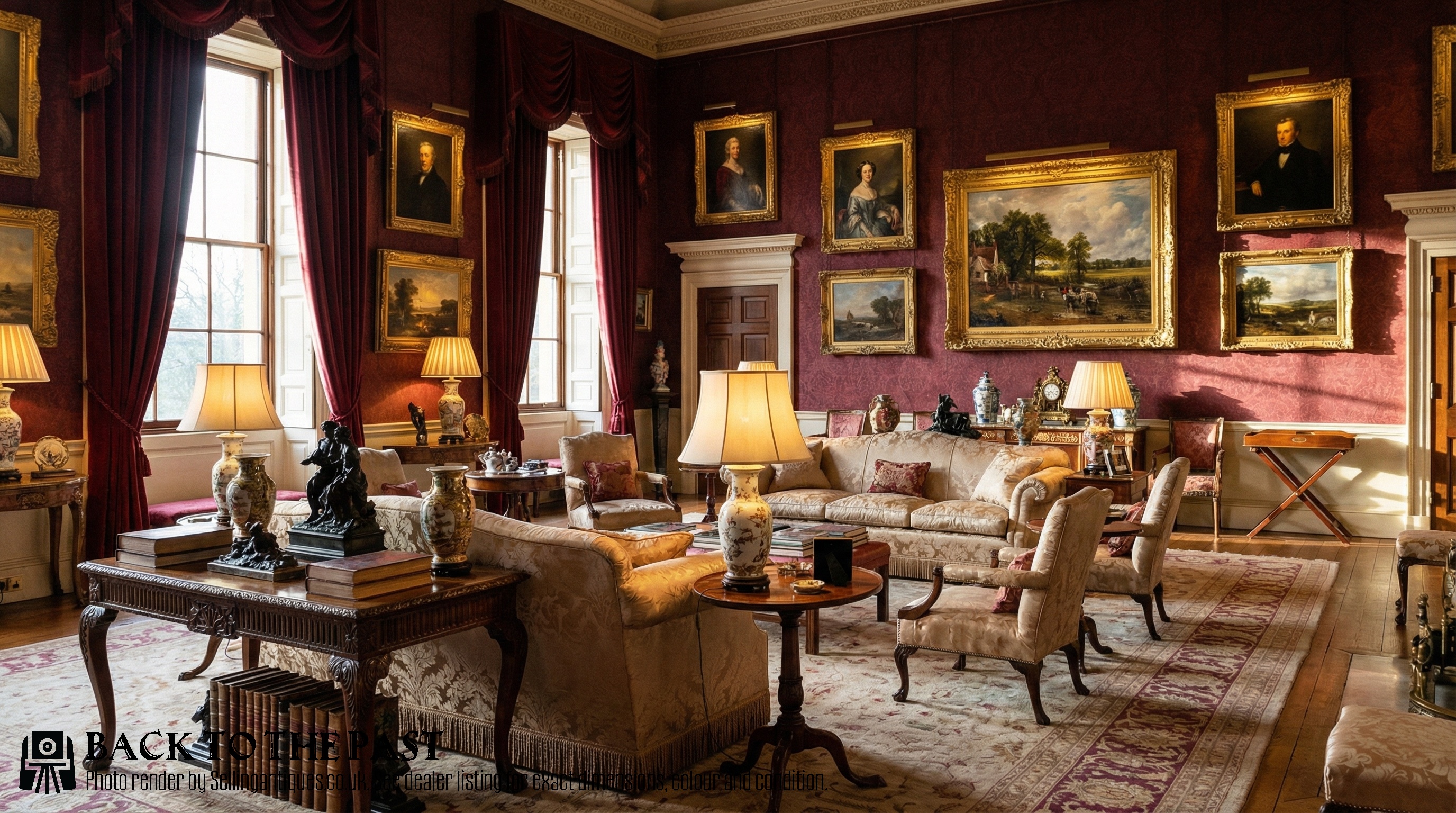
Traditional Wooden Butler Table
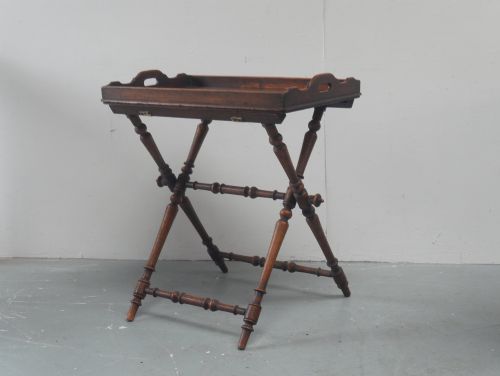
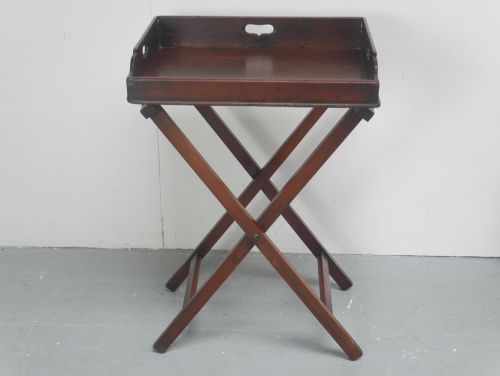
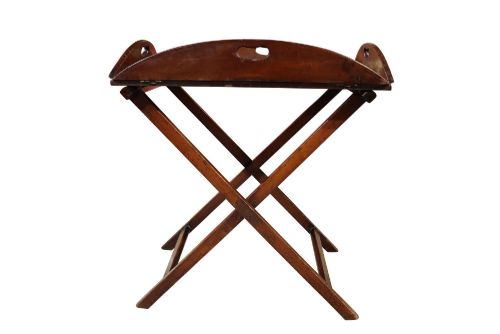
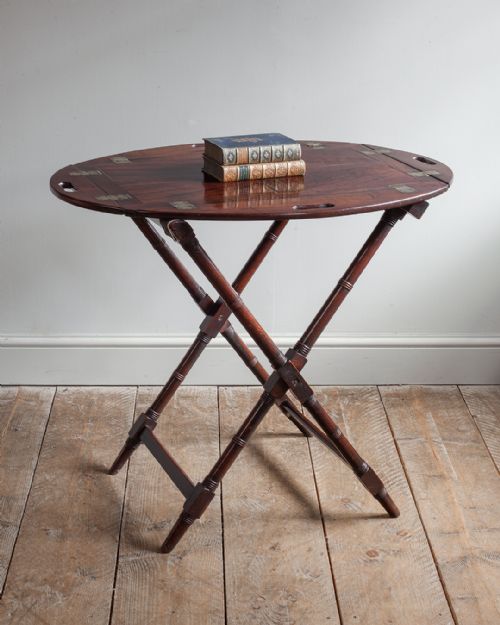
A traditional wooden butler table comprises a detachable tray resting upon a folding X-frame stand. Buyers looking for this search phrase encounter numerous nineteenth century examples alongside Georgian originals and early twentieth century interpretations.
The inventory shows diverse forms including dedicated tray tables, occasional tables, side tables, and low coffee tables. Many retain their original folding stands, while others emerge as standalone trays or later adaptations.
Origins span English country workshops to Victorian parlours, alongside occasional international examples such as Chinese Hongmu pieces. Mahogany and oak dominate the selection, providing sturdy construction for daily use.
Materials and construction methods
Cabinetmakers utilised dense timbers such as mahogany and oak to construct both trays and stands, ensuring structural stability for heavy service. Brass hinges and handles frequently appear on folding mechanisms and tray edges.
Stands utilise folding wooden frames designed for compact storage when not in use. Surface treatments range from polished wood grains to painted finishes and gilding, particularly on Venetian rococo variants.
Listings feature periods spanning the eighteenth century through to the 1930s, constructed primarily in mahogany and oak with occasional brass and canvas webbing details.
Determinants of quality
Superior examples demonstrate precise joinery in the tray gallery and robust hinging on the folding stand. The integrity of the timber selection and the presence of original matching stands elevate a piece.
Subtleties in hand-carved details, such as those found on Victorian carved oak variants, distinguish higher grade items from utilitarian versions. Original patination on mahogany surfaces indicates careful preservation over centuries.
The Traditional Wooden Butler Table Glossary
- Butler tray
- A portable wooden tray featuring raised sides, often with cut-out handles, designed to lift off its support base. These items were traditionally used by household staff to carry silver and china.
- Folding stand
- A collapsible wooden frame, typically shaped like an X, that supports the removable tray top. This mechanism allowed servants to pack away the furniture swiftly after tea service.
- Gallery
- The raised wooden border surrounding the perimeter of the tray top. It prevents glassware and crockery from sliding off during transport.
- Hongmu
- A traditional Chinese term for dense hardwoods used in fine furniture construction. Pieces in this material bring distinct regional joinery traditions to the table format.
- Mahogany
- A durable, reddish-brown tropical hardwood favoured by British cabinetmakers for centuries. It accepts fine polishing and resists warping.
Traditional Wooden Butler Table: Frequently Asked Questions
What is a traditional wooden butler table?
A traditional wooden butler table consists of a removable tray with raised edges placed on a collapsible X-frame stand. This design allowed servants to serve refreshments and store the furniture easily.
Today, these pieces function as versatile side tables or coffee tables in modern living spaces, blending historical utility with compact storage.
How do I use a butler table today?
You can use a butler table as a flexible coffee table in a sitting room or as a side table beside a sofa. The removable top makes it practical for serving drinks.
When extra floor space is needed, simply lift the tray and fold the wooden stand flat for storage in a cupboard or behind a door.
How do I date a antique butler table?
Dating relies on examining the timber species, construction joints, brass hardware, and overall style. Georgian and Victorian examples often feature hand-cut dovetails and rich mahogany patination.
Later pieces from the early twentieth century may show machine-sawn elements or lighter oak construction, reflecting changing domestic habits and workshop methods.
Are the trays separate from the stands?
Historically, the tray lifts completely off the folding stand to double as a serving platter. Many surviving antiques retain this original two-part configuration.
Some pieces have been fixed together over time or adapted into permanent coffee tables, so checking the listing details clarifies whether the tray remains detachable.