
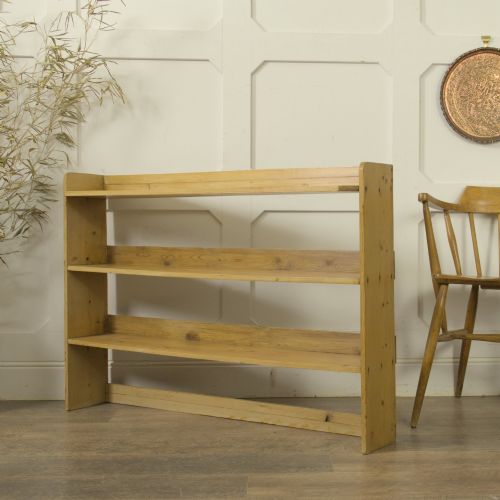
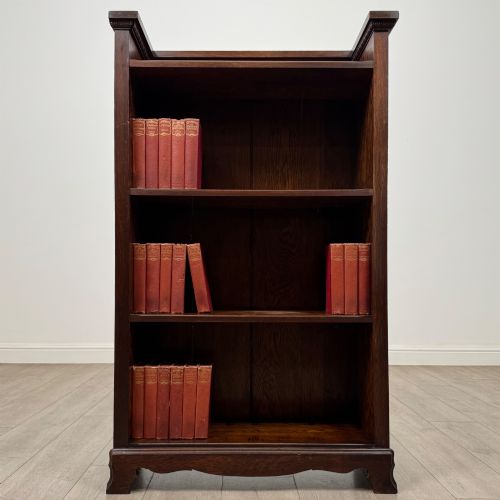
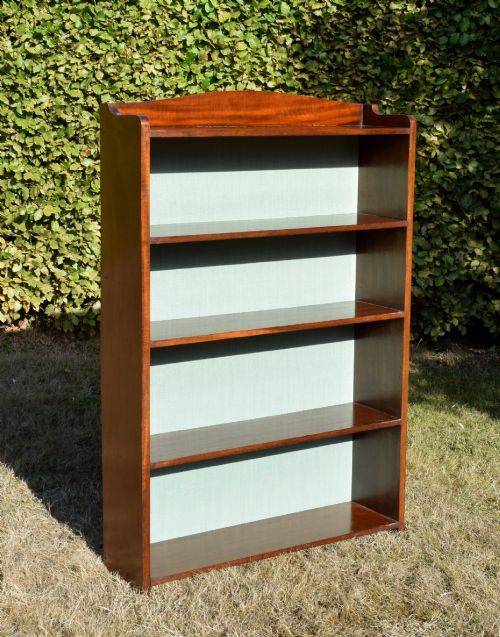
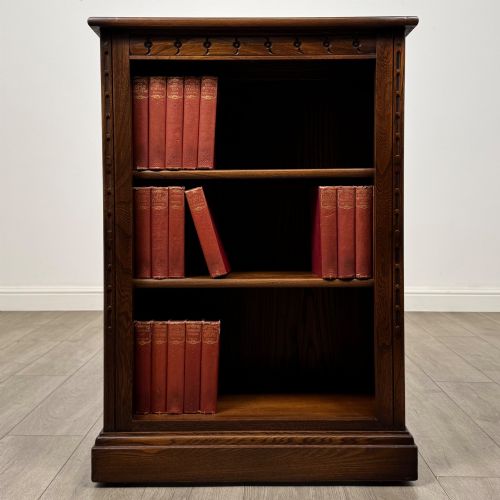
Traditional Wooden Bookshelf
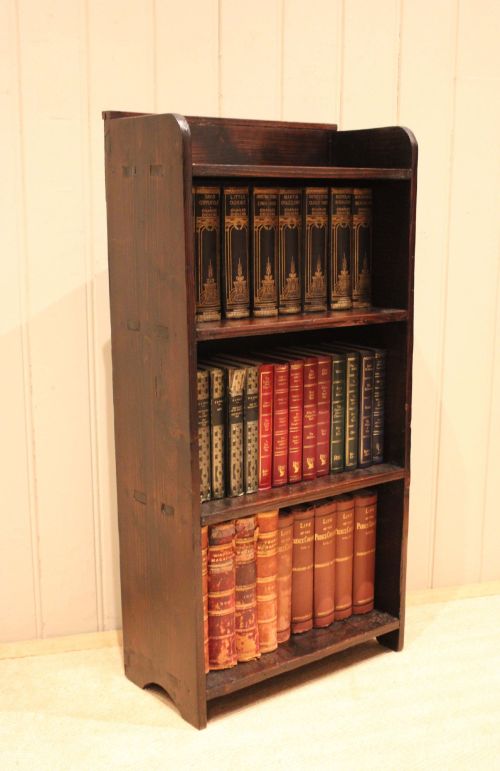
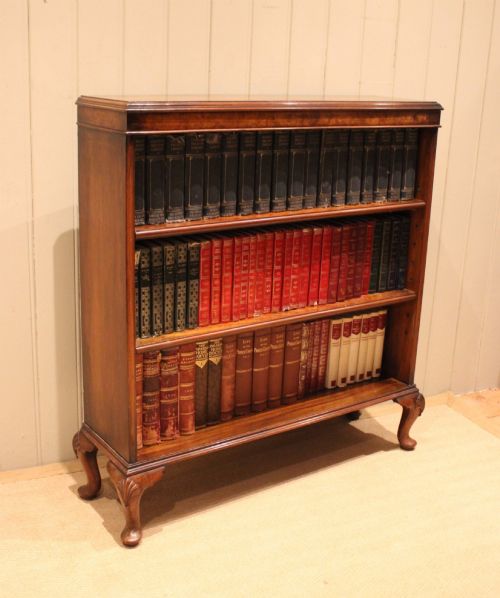
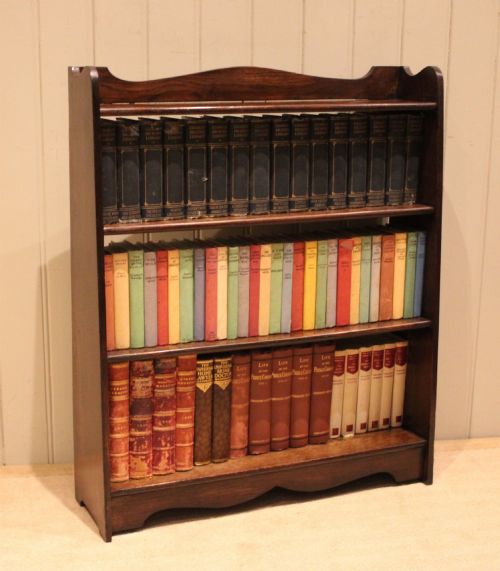
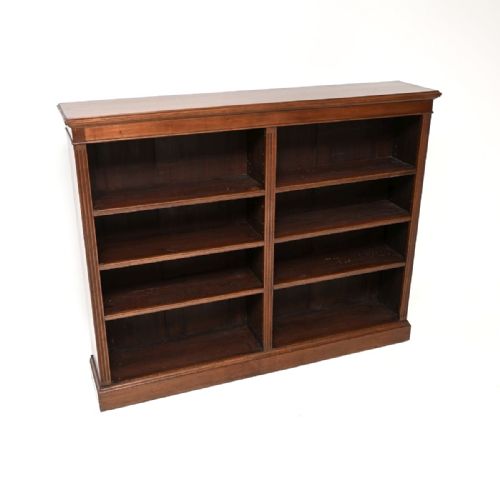
A traditional wooden bookshelf holds volumes securely while grounding a room in the warm, tactile character of mahogany, oak, pine and walnut.
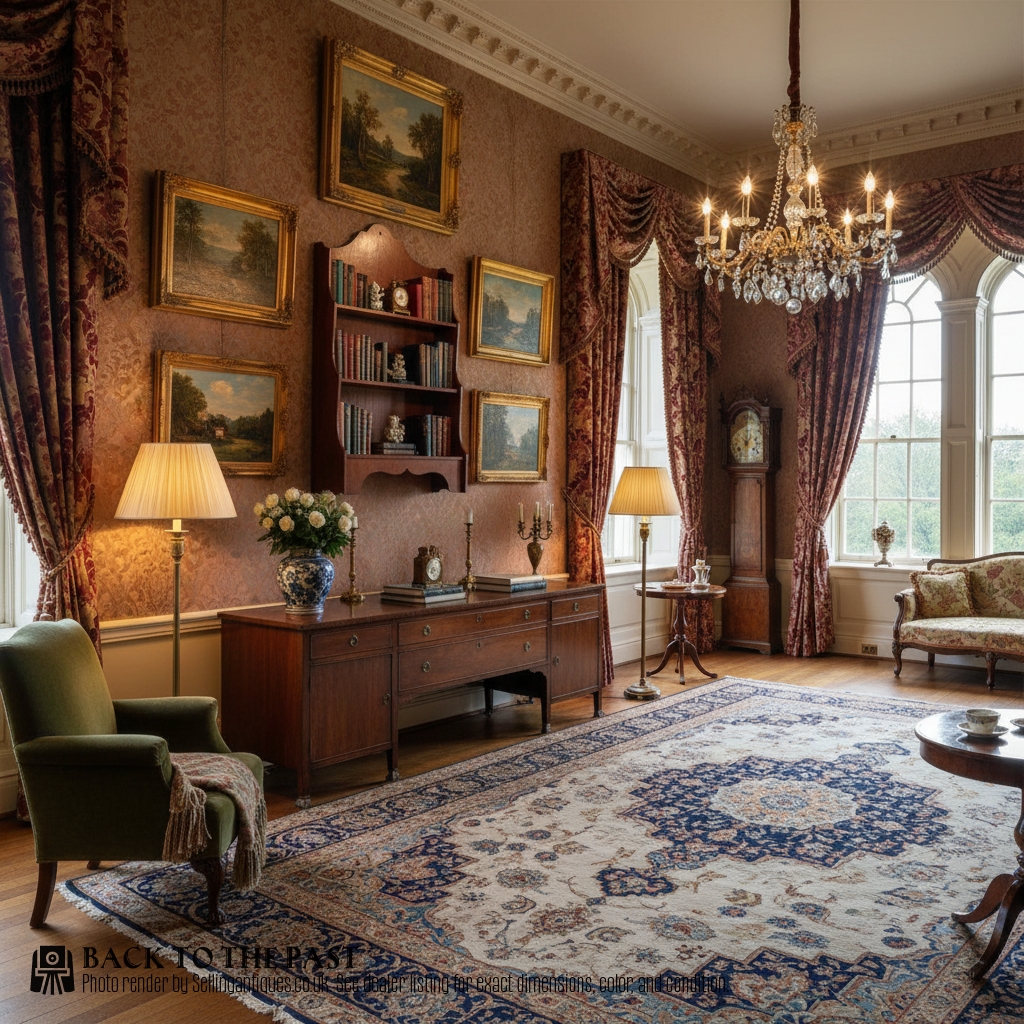
Traditional Wooden Bookshelf
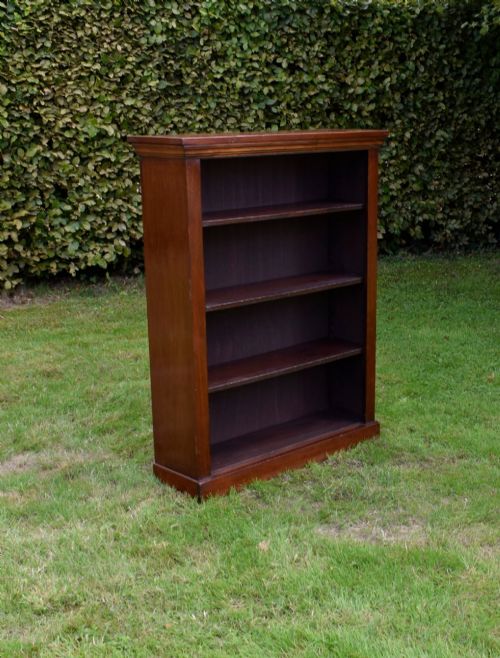
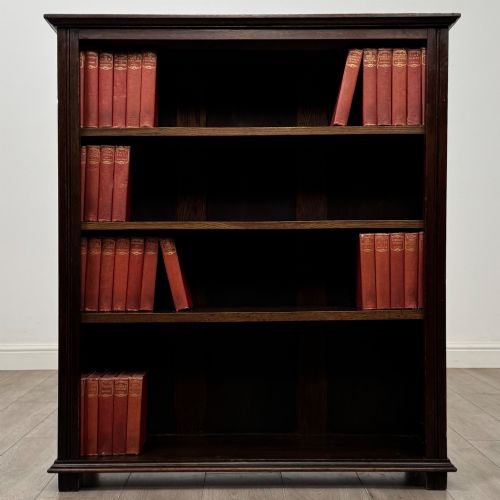
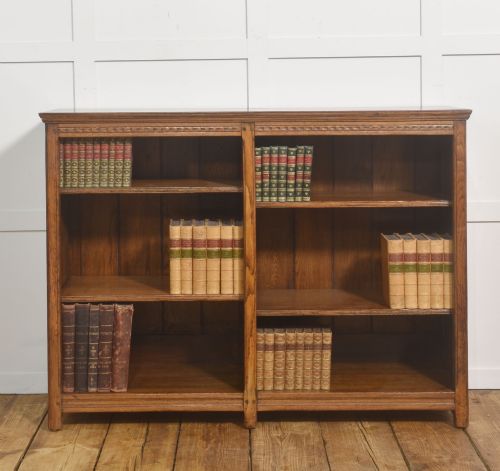
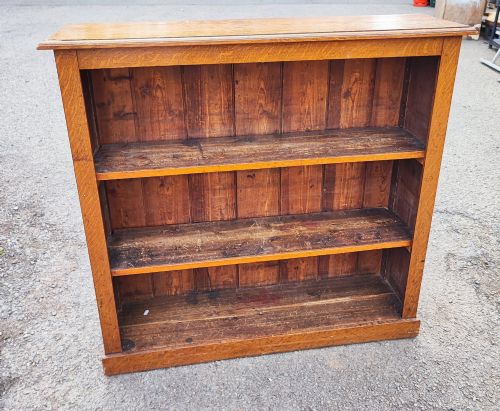
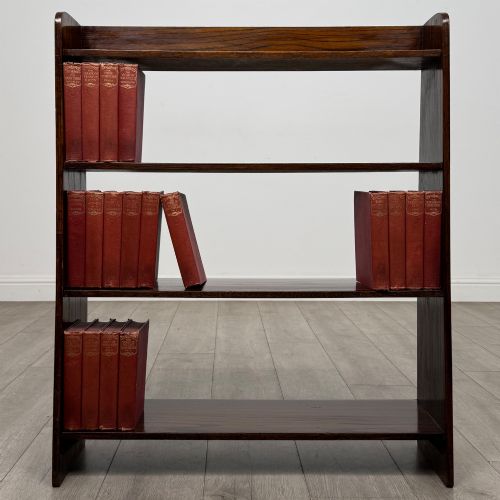
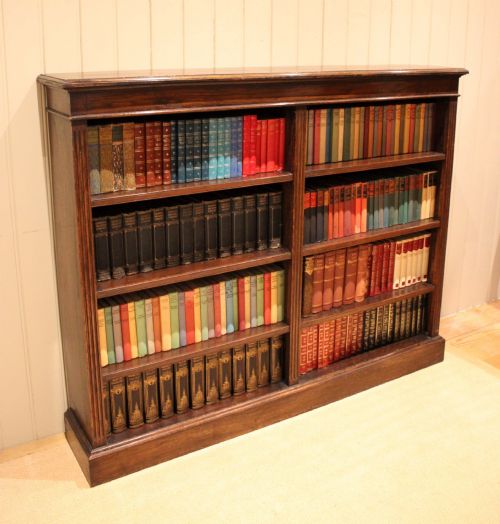
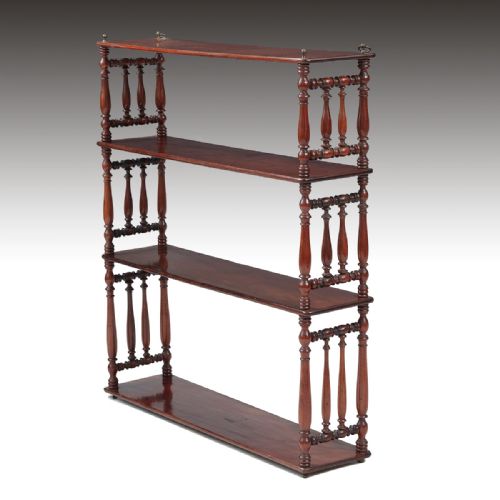
A traditional wooden bookshelf provides accessible storage for private libraries and domestic sitting rooms through open-front shelving units. These pieces range from compact wall-hanging arrangements to substantial breakfront library bookcases designed to house extensive collections.
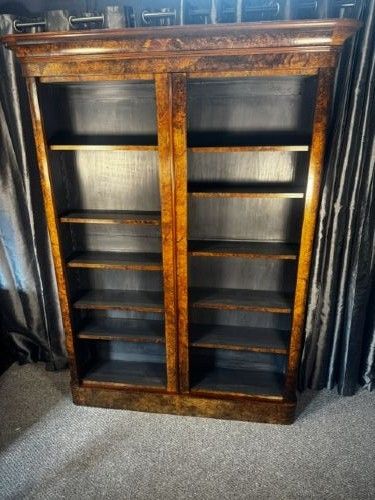
The selections appearing most frequently trace their origins across the Victorian, Edwardian and early twentieth-century periods. Oak and mahogany dominate the output of these eras, supplemented by pine for simpler utility pieces and burr walnut for grander drawing-room furniture.
Makers of these items focused heavily on practical utility, equipping many designs with adjustable shelves to accommodate varying book heights. Buyers encounter both rustic country interpretations and revival styles such as Queen Anne, reflecting the diverse domestic tastes of the nineteenth and twentieth centuries.
Materials and construction methods
Cabinet makers built these bookcases using solid timbers including oak, mahogany, pine and walnut, frequently applying veneers such as burr walnut to display decorative grain patterns. Selected pieces incorporate brass hardware for adjustable shelf mechanisms and structural reinforcement.
Joinery techniques relied on sturdy frame construction and rebated joints to support heavy loads of bound volumes over decades of daily use. Surfaces received protective finishes such as wax polish to seal the wood while maintaining a natural, tactile sheen.
Listings feature pieces spanning the Victorian, Edwardian and Regency periods, constructed primarily from oak, mahogany, pine and walnut.
The spectrum of quality
Distinctions in quality rest on the selection of timber and the sophistication of the architectural detailing applied to the frame. Superior examples display carefully matched veneers, finely moulded cornices and robust internal brackets for movable shelves.
Simpler workshop output relies on utility-grade pine or plain oak with minimal decorative embellishment, prioritising direct functional storage over refined cabinet-making flourishes.
The Traditional Wooden Bookshelf Glossary
- Breakfront
- A cabinet design where the central section projects forward from the flanking wings. This configuration adds architectural depth to large library bookcases.
- Adjustable shelves
- Shelves that can be repositioned vertically within the bookcase carcass using wooden ratchets, metal pins or brass strips. This system accommodates books of varying heights.
- Open bookcase
- A shelving unit without doors, providing direct, unhindered access to the contents. These pieces function primarily for working libraries.
- Burr walnut
- Timber harvested from walnut tree growths that produces intricate, swirling grain patterns. Cabinet makers utilised these highly decorative veneers on prominent display surfaces.
- Hanging shelves
- Lightweight shelving units fitted with brackets or rings for mounting directly onto a wall. These save floor space in smaller domestic rooms.
Traditional Wooden Bookshelf: Frequently Asked Questions
How do I adjust the shelves?
Many period bookcases use internal wooden support tracks or brass strip inserts that allow the shelf boards to lift out and relocate easily.
Simply lift a shelf clear of its supports, reposition the wooden pins or adjust the brass catches into the desired slots, and lower the board back into place.
Are these bookcases suitable for heavy books?
Solid hardwood carcasses built from oak or mahogany provide immense structural integrity for supporting dense rows of heavy volumes.
Checking the thickness of the shelf boards and the rigidity of the upright supports ensures the timber will not sag under sustained weight.
How do I distinguish Victorian from Edwardian pieces?
Victorian bookcases, dating from the nineteenth century, typically feature denser mahogany timbers, deeper mouldings and darker wax finishes.
Edwardian examples from the early twentieth century often showcase lighter golden oak tones, simpler geometric lines and restrained decorative carving.
Can I hang wall shelves on any wall?
Hanging shelves require secure fixings into solid masonry or direct attachment to wall studs to bear the combined weight of the timber and books.
Assessing the wall construction before installation prevents structural failure and protects both the antique woodwork and the surrounding plaster.