


Open Display Cabinet
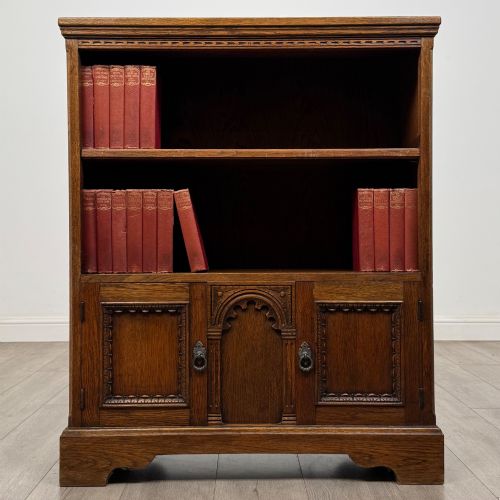
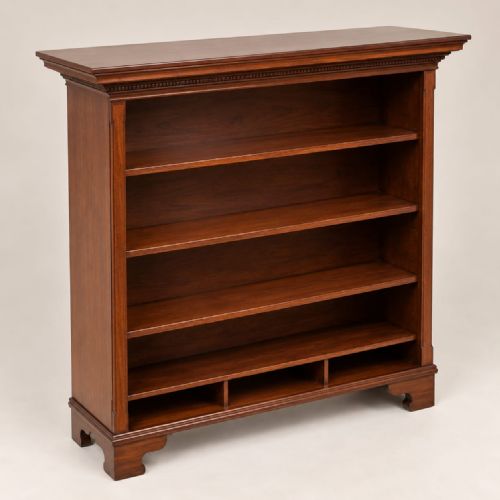
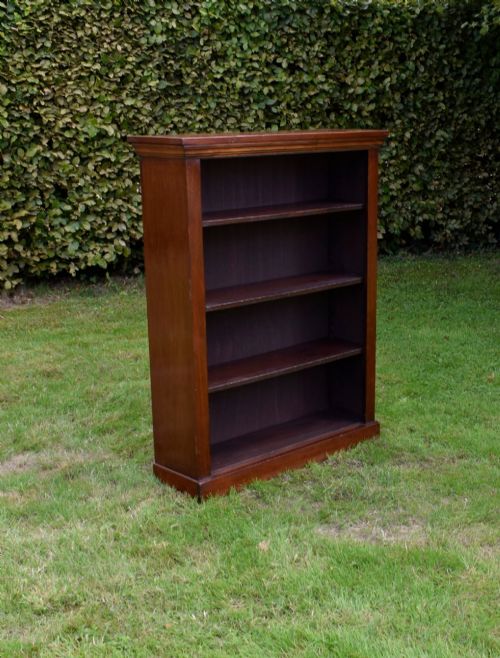
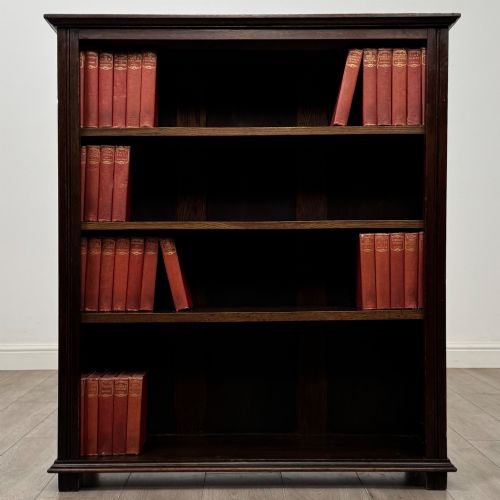
When you want an open display cabinet, you are looking for accessible shelving that puts books and objects on view.
Open Display Cabinet
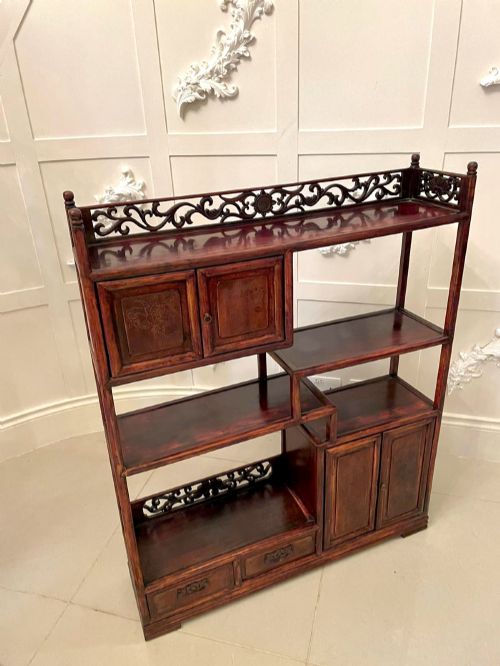
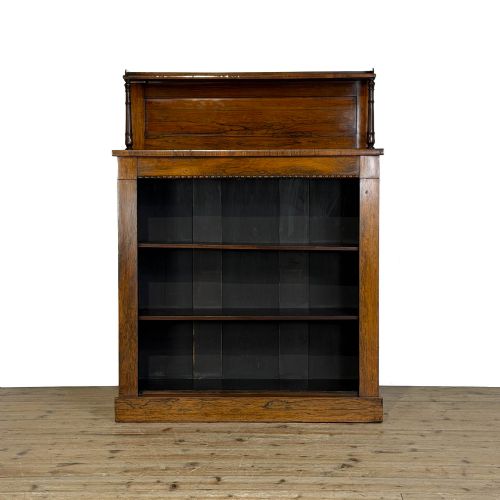
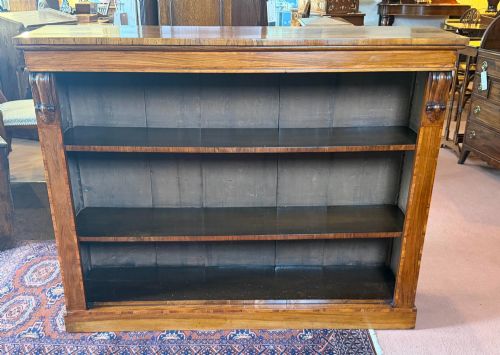
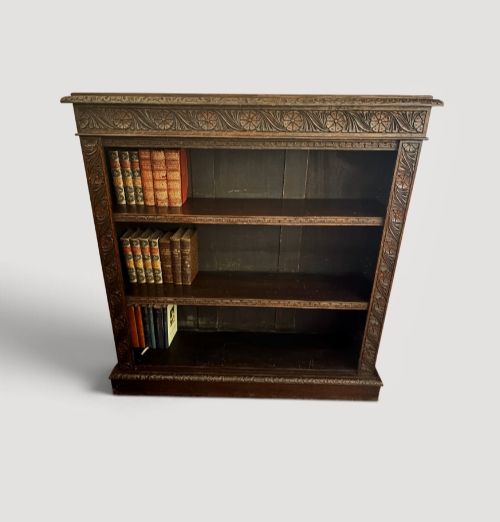
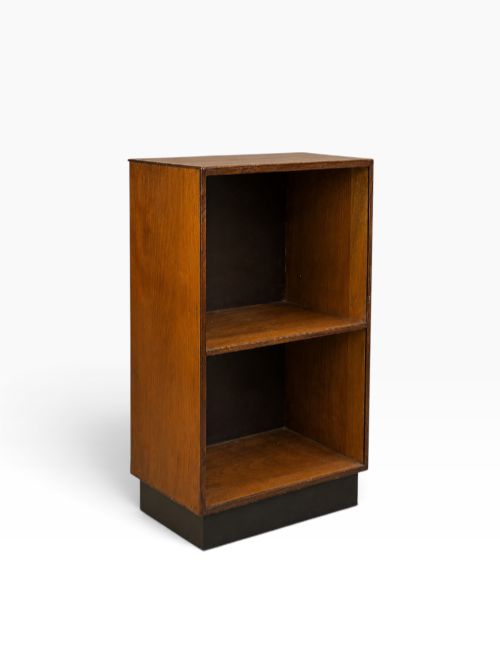
An open display cabinet brings together bookcases, dressers, and wall shelves designed without solid front doors. When you search for an open display cabinet, you meet pieces primarily from the Victorian and Edwardian periods, alongside earlier Regency designs and later Art Deco forms.
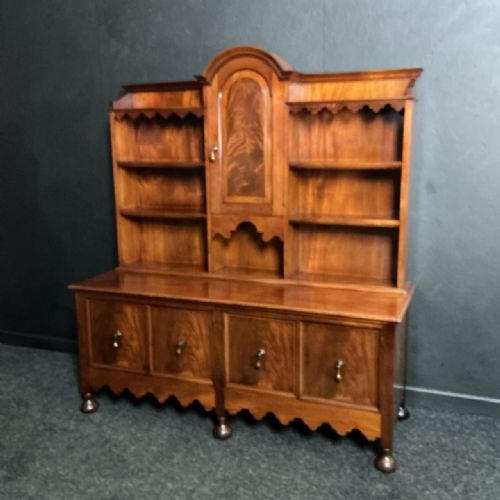
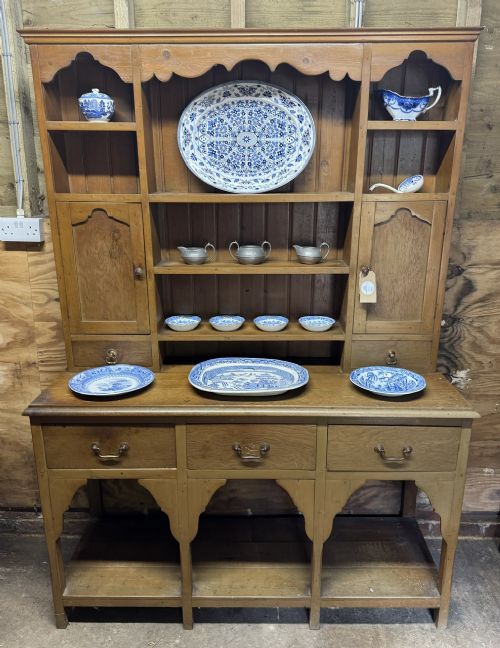
The selections span standard bookcases, corner units, and Welsh dressers that combine open upper shelving with lower storage. Oak and mahogany appear most frequently, accompanied by walnut, pine, and rosewood across various formats.
Makers and workshops across Britain and continental Europe produced these items for domestic libraries, drawing rooms, and kitchens. The overarching form remains utilitarian yet decorative, built to hold volumes or display ceramics and ornaments.
How they were made
Cabinet makers utilised dense hardwoods such as mahogany, oak, and walnut, frequently selecting burl veneers and satin birch for decorative surfaces. Joinery methods relied on traditional mortise and tenon construction, dovetailing for drawer boxes, and hand-turned supports or brass castors.
Surface treatments included French polishing, oiling, and hand-painting, which preserved the natural grain of woods like pine and teak. Inlaid details in contrasting timbers and applied brass or ormolu mounts finished many of the finer Victorian and Edwardian examples.
Several pine pieces retain an original butterfly detail hidden within their construction.
What varies in quality
Quality rests in the choice of timber, the precision of the joinery, and the subtlety of decorative flourishes like marquetry or carved detailing. Heavier mouldings and well-figured burr walnut or satinwood distinguish high-end library pieces from plain utilitarian shelving.
Proportion and structural integrity dictate the standing of a piece, where balanced dimensions and original brass hardware elevate the item. Master workshops applied greater refinement to internal shelf supports and edge mouldings, whereas simpler country pieces utilised straightforward pegged joints.
Gabriel Viardot·Heals·Gillows
The Open Display Cabinet Glossary
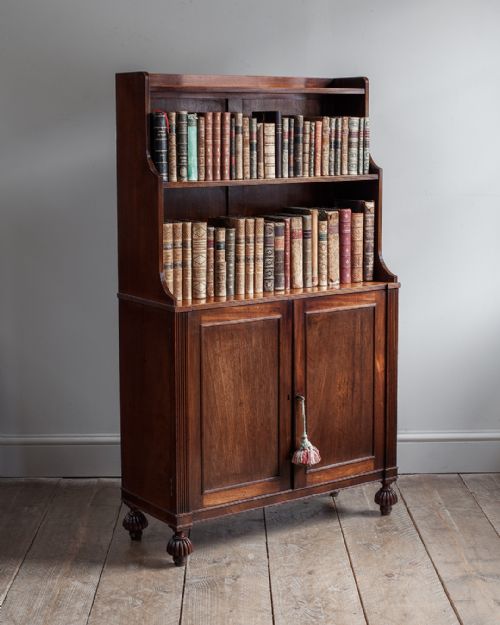
- Waterfall bookcase
- A tiered shelving unit where each successive shelf is set deeper than the one above it, creating a cascading silhouette popular during the Regency and Edwardian periods.
- Credenza
- A low cabinet or sideboard, often fitted with central cupboards and flanking open or glazed display sections, frequently seen in mid-nineteenth-century walnut.
- Ormolu
- Gilded bronze mounts applied as decorative accents to furniture surfaces, common on high-quality Victorian cabinet work.
- Whatnot
- A set of open display shelves supported on slender vertical pillars, designed for holding ornaments and small decorative objects.
- Shodona
- A Japanese-inspired display cabinet or etagere incorporating asymmetrical shelving and sliding panels, reflecting nineteenth-century Japonisme.
Open Display Cabinet: Frequently Asked Questions
Where were open display cabinets used in the home?
These pieces served primarily in libraries, drawing rooms, and studies to hold working volumes and decorative objects within easy reach. Kitchens and dining spaces also accommodated larger dresser variants for plate storage.
Over time, owners moved these cabinets into hallways and living areas as decorative display furniture rather than purely functional storage units.
How do I identify a Victorian open cabinet?
Victorian examples typically feature dark timbers like mahogany, rosewood, or walnut, often incorporating carved details, brass castors, or inlaid elements. Proportions tend to be substantial, reflecting the heavier room styling of the nineteenth century.
Look for hand-cut dovetails in the drawers and traditional backboards made of secondary timbers like pine or oak to confirm period manufacture.
What is the difference between a bookcase and a Welsh dresser?
A bookcase consists strictly of vertical shelving units designed for holding books, sometimes featuring a small enclosed cupboard at the base. A Welsh dresser combines open display shelving on the upper section with a deeper sideboard base containing drawers and lower cupboards.
Dressers originated in country kitchens for utility and display, whereas bookcases were tailored for formal libraries and parlours.
How do I care for antique wood furniture?
Maintain stable humidity and temperature in the room to prevent timber from splitting or warping over time. Avoid placing cabinets in direct sunlight, which can fade polished finishes and delicate wood veneers.
Apply a traditional beeswax polish sparingly to nourish the wood and maintain the natural lustre of the vintage surface.