

Traditional Wood Wall Mirror
A traditional wood wall mirror anchors a room with period character, offering warmth and reflective depth derived from centuries of craftsmanship.
Traditional Wood Wall Mirror
When searching for a traditional wood wall mirror, buyers encounter a diverse selection spanning the Georgian, Victorian, and Edwardian eras. These pieces primarily function as architectural wall ornaments or functional looking glasses designed to expand interior spaces.
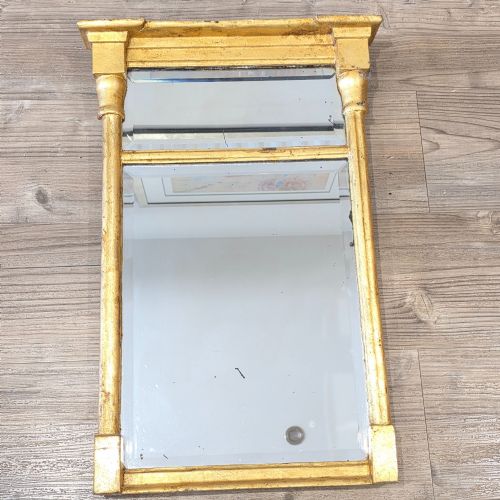
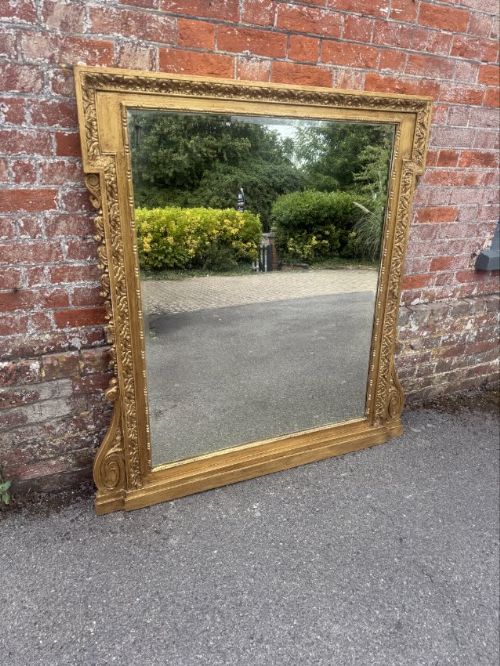
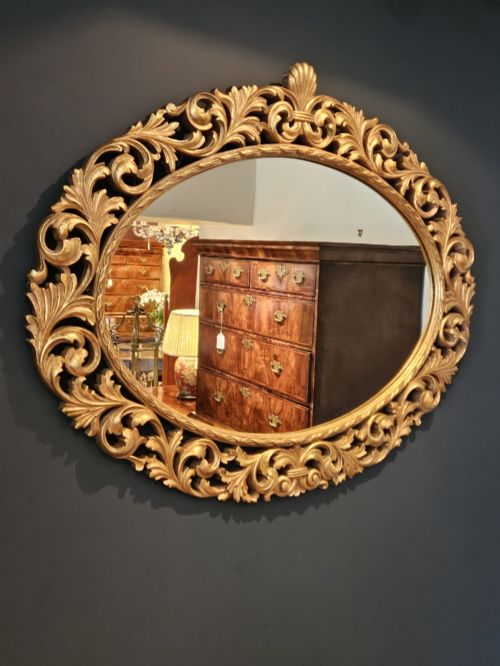
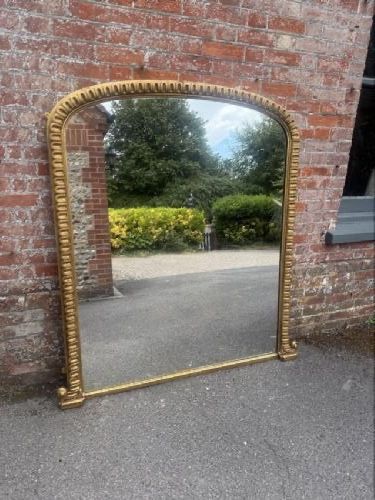
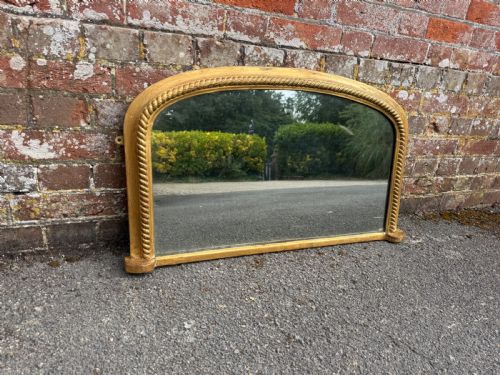
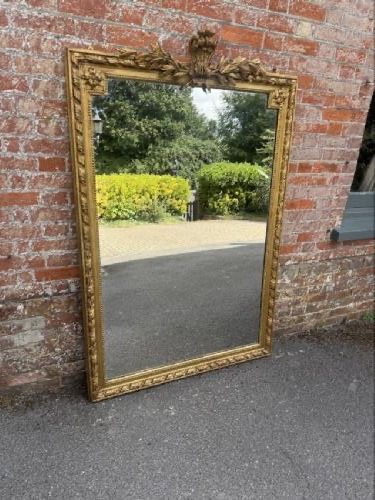
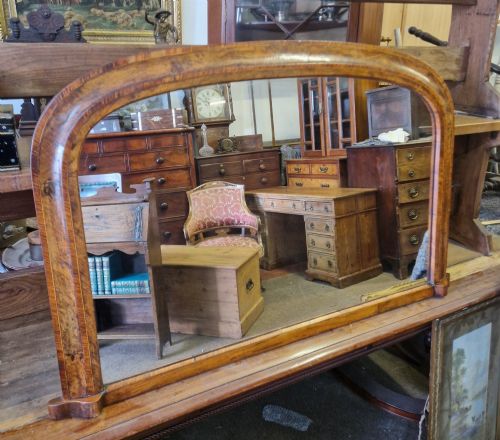
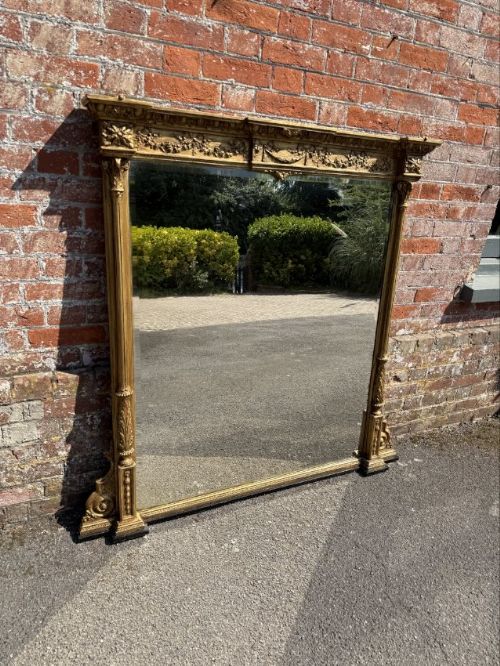
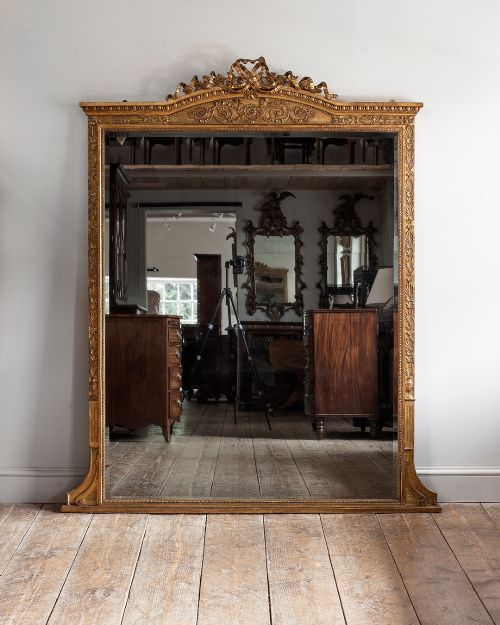
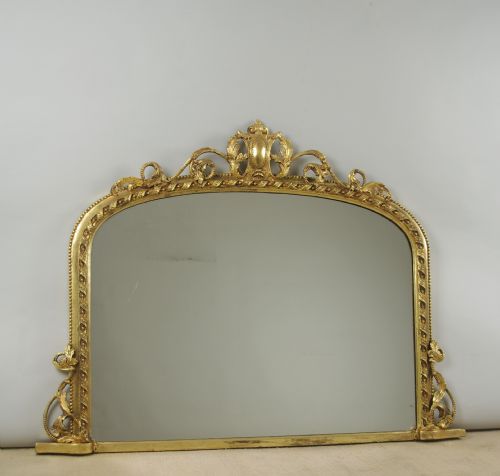
The inventory on this page is dominated by large overmantel mirrors and pier mirrors constructed from timber substrates. Examples range from simple walnut and mahogany frames to heavily gilded and carved showpieces.
Originating predominantly from English and French workshops, these items reflect historical stylistic revivals including Rococo, Regency, and Chippendale designs. Buyers find both rectangular formats and arched top configurations suited to period interiors.
How they were made
Maker's workshops utilised solid timber bases such as mahogany, walnut, oak, and rosewood, frequently shaping them through traditional joinery techniques. Frames were then constructed to hold heavy mirrored glass plates securely.
Carved wood elements were frequently layered with gesso, a plaster-like material applied to provide a smooth surface for gilding. Artisans applied gold leaf over the gesso ground to achieve a bright metallic finish.
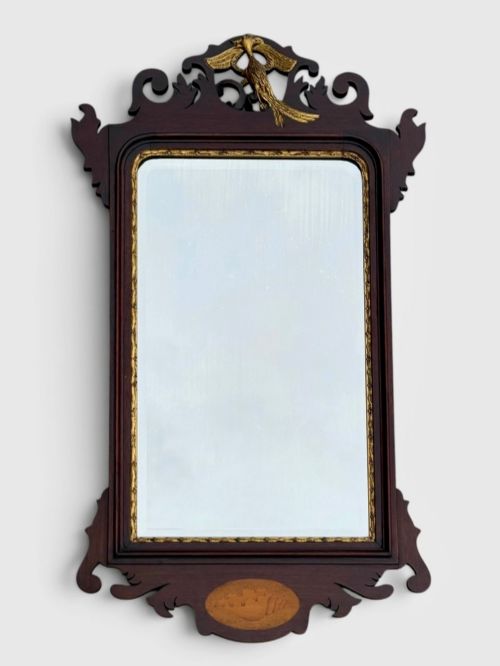
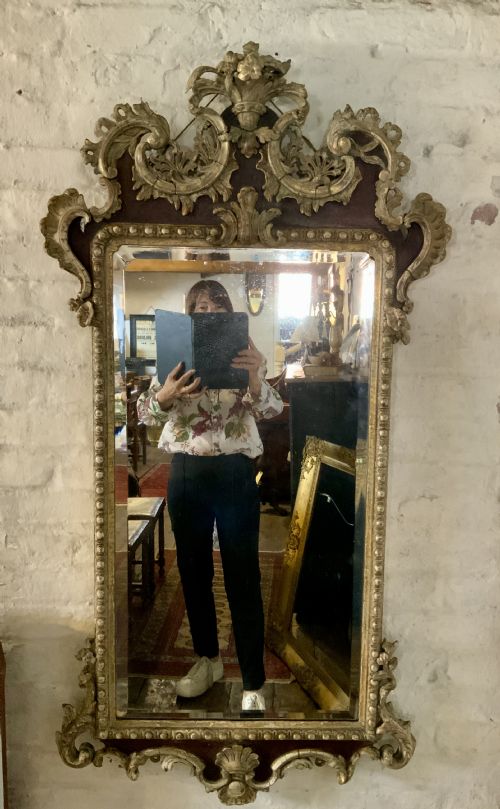
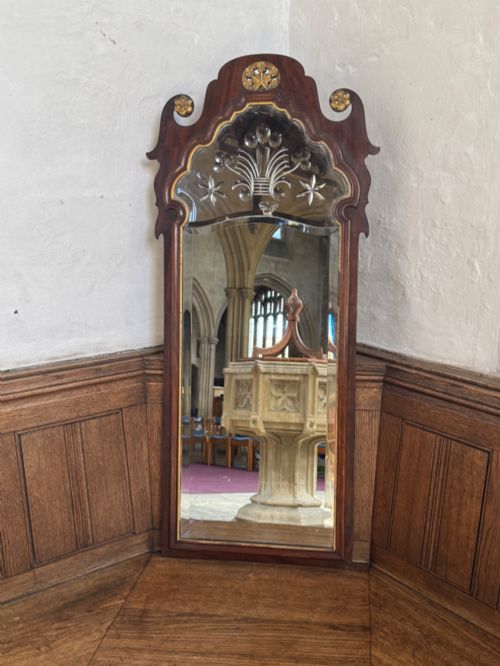
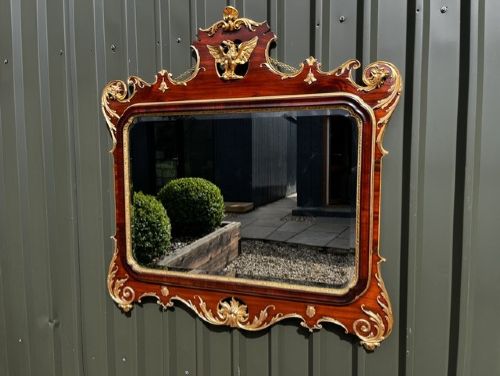
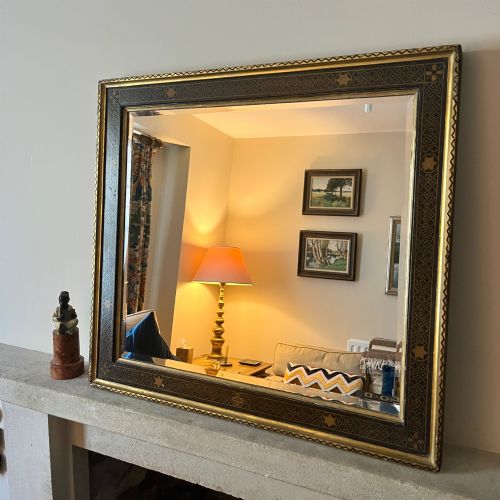
Surface ornamentation involved intricate hand carving, fret cutting, and inlay work, particularly evident in Edwardian marquetry and Georgian style ho ho bird motifs. Painted and simulated wood finishes also appear across the nineteenth-century selections.
Several mirrors feature whimsical fret-carved ho ho birds perched atop the frame, watching over the room with eighteenth-century charm.
What varies in quality
The standard of carving differentiates standard production from exceptional examples, with crisp, deeply undercut foliage and ornamentation showing superior artisan skill. Rigorous hand-chased details on gesso and giltwood frames indicate higher workshop standards.
The preservation of original mirror glass and gilding significantly influences the integrity of a piece. Original antique mirror plates often exhibit desirable foxing and age spots that modern replacements lack.
Timber selection and structural joinery soundness dictate durability. High-grade mahogany and walnut retain structural stability better than softer woods over generations of display.
The Traditional Wood Wall Mirror Glossary
- Gesso
- A prepared mixture of chalk, gypsum, and glue applied to wooden mirror frames to create a smooth base for subsequent gilding. This material allows artisans to carve intricate relief details before applying gold leaf.
- Overmantel Mirror
- A large mirror specifically designed to hang on the wall directly above a fireplace mantelpiece. These pieces often feature arched tops and horizontal proportions to match hearth dimensions.
- Pier Mirror
- A tall, narrow mirror traditionally hung on the wall space between two windows, known as the pier. They frequently reflect light back into darker rooms.
- Parcel Gilt
- A decorative treatment where only specific portions of a wooden object are gilded with gold leaf, leaving the underlying wood grain visible elsewhere. This technique highlights carved details against dark mahogany or walnut.
- Fret Cut
- Woodwork shaped using a fretsaw to create intricate geometric, pierced, or scrollwork silhouettes. This technique defines many Georgian style mahogany wall mirrors.
Traditional Wood Wall Mirror: Frequently Asked Questions
Where should I hang a large overmantel mirror?
These large mirrors traditionally sit directly above a fireplace mantelpiece to anchor the room's main focal point. They also function effectively on main reception room walls to bounce natural light across the space.
Ensure the wall structure and fixings can support the substantial weight of timber and glass. Positioning the mirror opposite a window maximises the reflection of daylight.
How do I identify a Victorian mirror?
Victorian mirrors often feature heavy giltwood frames, arched tops, and robust construction using woods like walnut or oak. Stylistic cues frequently draw inspiration from earlier Rococo or Gothic revivals.
Examine the backboards, fixings, and glass plate for signs of age. Hand-beveled glass and oxidized mirror plates help confirm nineteenth-century origin.
What is the difference between a pier mirror and an overmantel mirror?
Pier mirrors are traditionally tall and narrow, designed to fit the specific wall space between windows or doors. Overmantel mirrors are wider horizontally to span the width of a fireplace surround.
Both serve decorative and light-enhancing purposes but scale differently within a room layout. Check dimensions carefully to ensure the piece suits your intended wall space.
How do I clean antique wood and glass safely?
Dust wooden frames gently with a dry, soft microfiber cloth to prevent buildup without harming the finish. Avoid commercial chemical polishes that can degrade historic wax or gilt surfaces.
Clean mirror glass sparingly using a cloth slightly dampened with water or a mild vinegar solution. Ensure moisture does not seep behind the glass plate into the wooden rebate.