
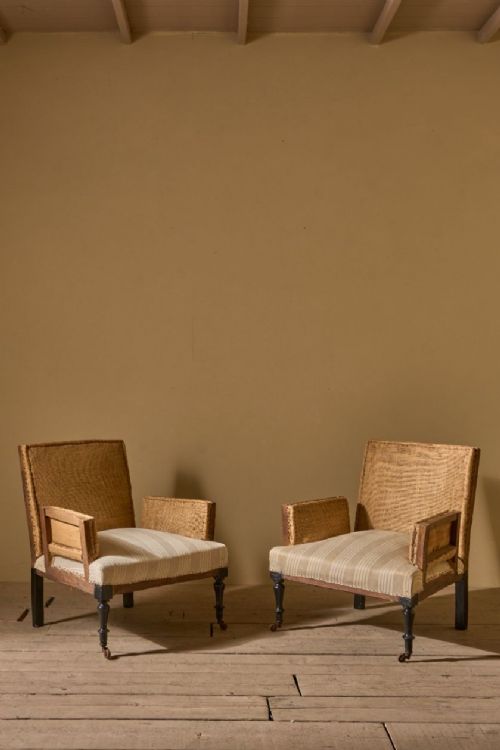
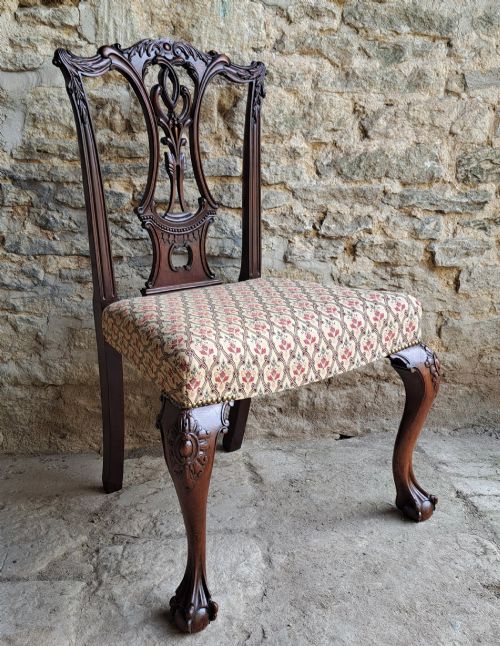
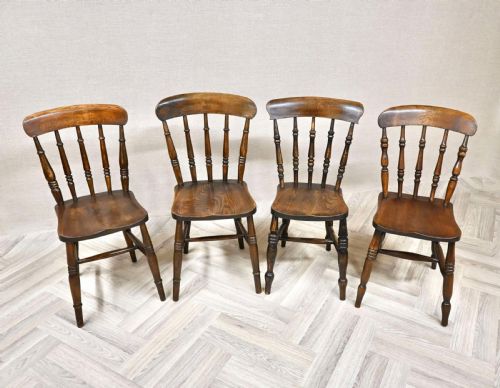
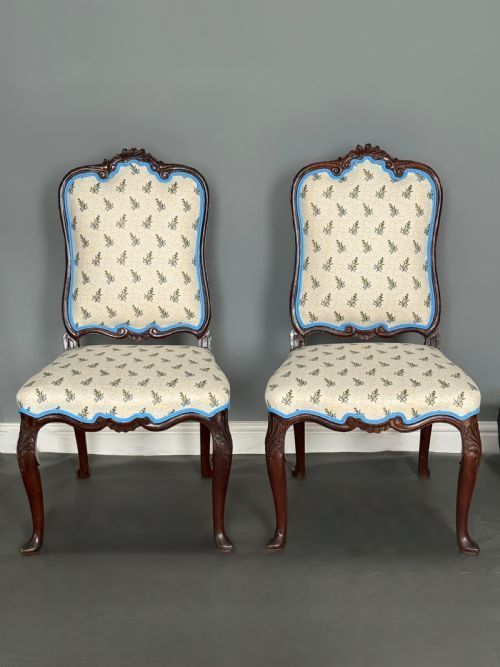

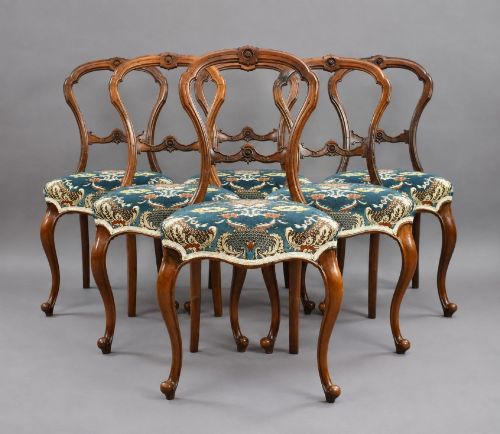
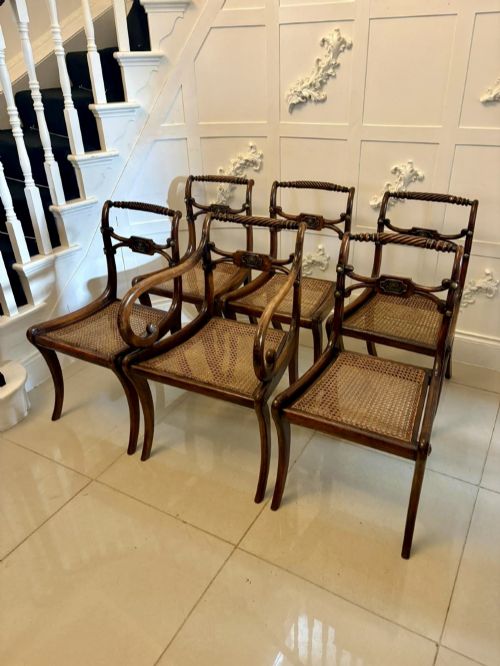
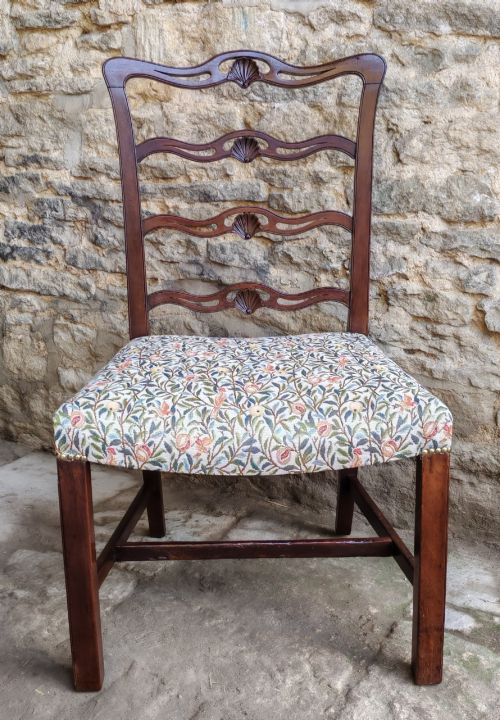
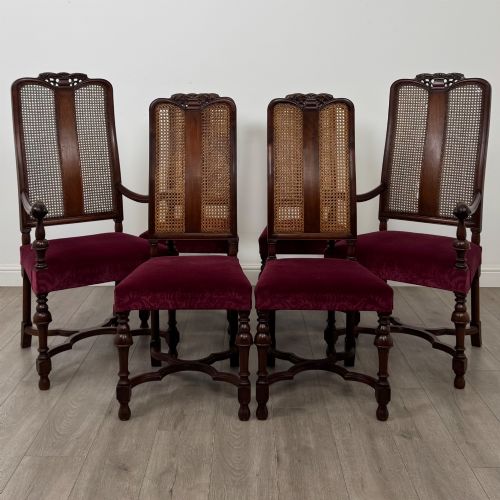
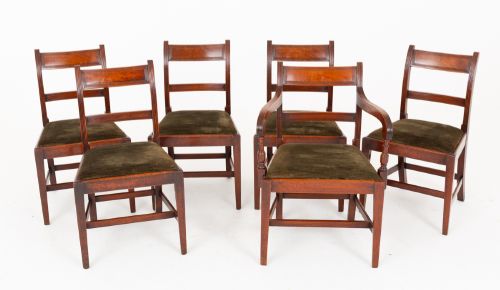
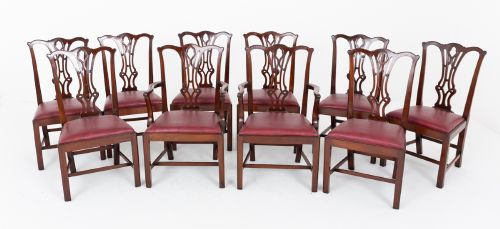
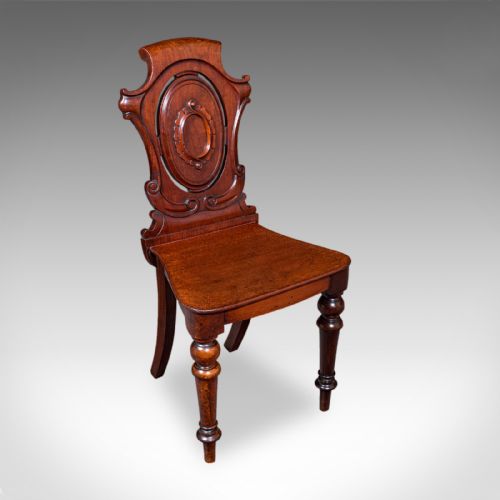
Traditional Wood Side Chairs
Traditional wood side chairs provide sturdy, elegant seating formed from rich timbers across multiple centuries.
Traditional Wood Side Chairs
Traditional wood side chairs encompass practical dining seats, hallway furniture and occasional chairs spanning the eighteenth, nineteenth and early twentieth centuries.
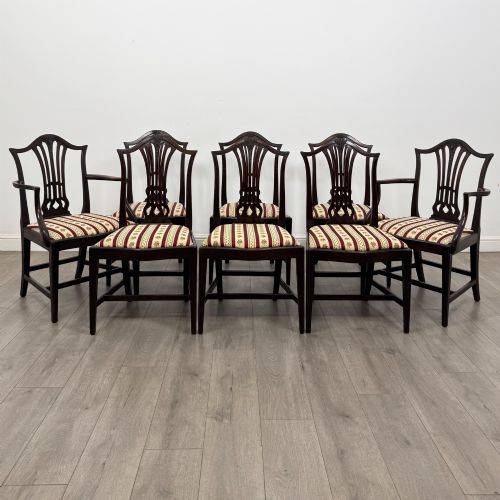
You are most likely to encounter Victorian and nineteenth century examples constructed from mahogany, elm or oak, often appearing in sets ranging from pairs to large dining collections.
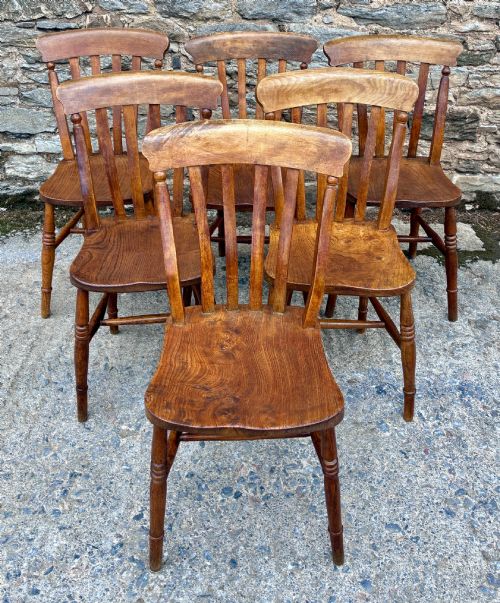
The forms vary widely from country Windsor kitchen chairs and ladderback designs to formal shield back and balloon back dining seats.
Materials and construction methods
Cabinet makers utilised dense hardwoods such as mahogany, oak, walnut and exotic Cuban mahogany, alongside regional timbers including elm, beech, ash and wood.
Joinery methods involved traditional techniques like bobbin turning, spindle framing and hand carving, supplemented occasionally by cane seats, brass details and upholstered pads in fabric or velvet.
Listings feature mahogany, elm, oak, beech and walnut across the eighteenth, nineteenth and twentieth centuries.
Judging the quality
Quality rests upon the selection of timber, the crispness of hand-carved details like shield backs or ladderbacks, and the structural integrity of the frame.
Sets that retain their original timber grain, uniform colour and matching components command greater appreciation than harlequin collections assembled later.
The Traditional Wood Side Chairs Glossary
- Shield back
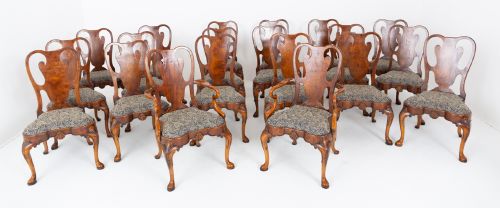
- A chair back shaped like a heraldic shield, popular in eighteenth century designs. This form often incorporates delicate carved splats.
- Balloon back
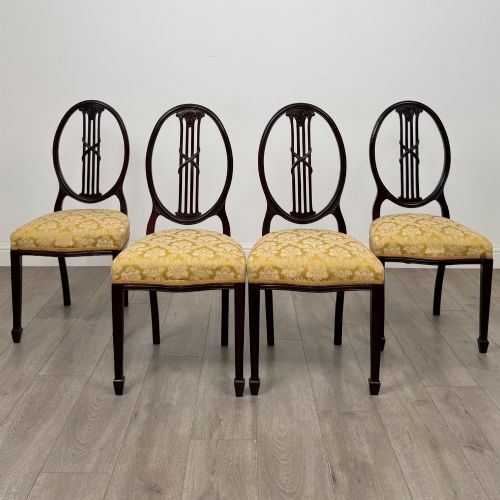
- A rounded, oval-shaped chair back introduced during the Victorian period. This profile offers comfortable lower back support.
- Windsor chair
- A wooden chair featuring a solid saddle-sculpted seat into which pierced legs and spindle backs are wedged. These rural seats emerged from country traditions.
- Bobbin turned
- Timber turned on a lathe to resemble a string of rounded beads or bobbins. This decorative turning appears frequently on seventeenth and eighteenth century frames.
- Carver chair
- An armchair designed to match a set of single side chairs, traditionally placed at the head of a dining table.
Traditional Wood Side Chairs: Frequently Asked Questions
What is a side chair?
A side chair is an upright seat built without arms, designed primarily for dining tables or occasional use against a wall.
These pieces offer compact seating that tucks neatly beneath furniture when not in use.
How do I date a wooden chair?
Dating relies on examining the timber species, joinery techniques, and stylistic markers such as shield backs or balloon framing.
Comparison with documented pieces from periods like the Georgian or Victorian eras helps narrow the timeline.
Can I mix different chair sets?
Mixing different chairs creates a harlequin set, a practice common in historic homes where seating accumulated over generations.
Matching timber tones or shared period details helps unify disparate styles around a dining table.
How should I care for antique wood?
Maintain antique timber by keeping chairs away from direct heat sources and sudden temperature fluctuations that cause wood to split.
Applying occasional natural wax preserves the finish and nourishes the historic grain without sealing the surface.