



Traditional Wood Seating
Traditional wood seating brings together solid oak, elm and mahogany forms that ground a room with genuine period character.
Traditional Wood Seating
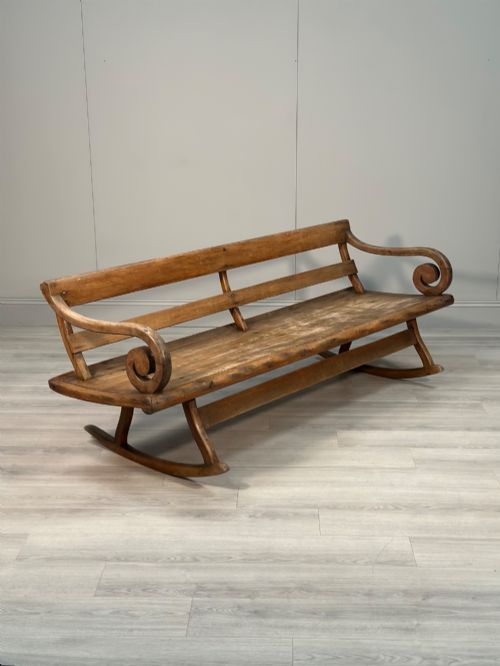
Traditional wood seating encompasses dining chairs, armchairs, benches, settles and stools spanning from the eighteenth century into the twentieth century. These pieces reflect domestic and public life across various regions, ranging from rustic country workshops to formal urban settings.
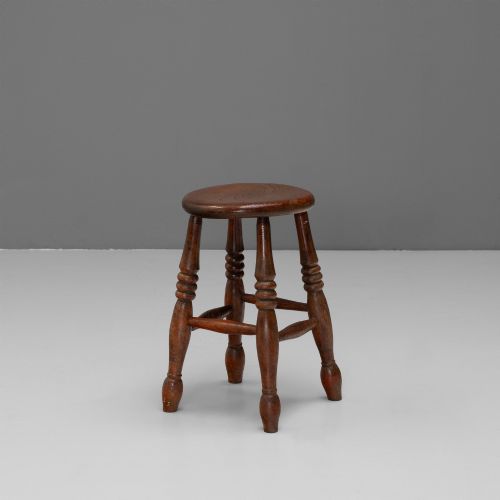
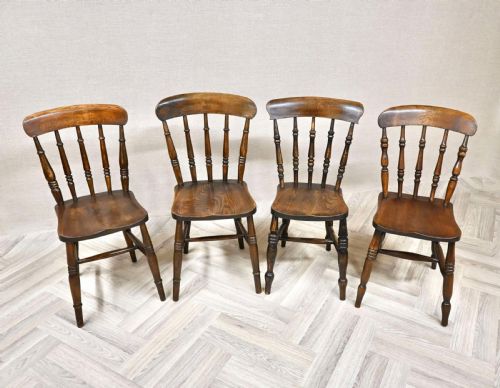
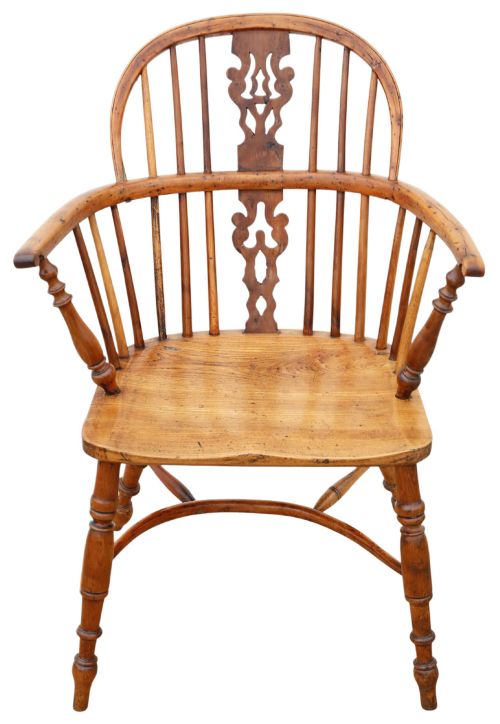
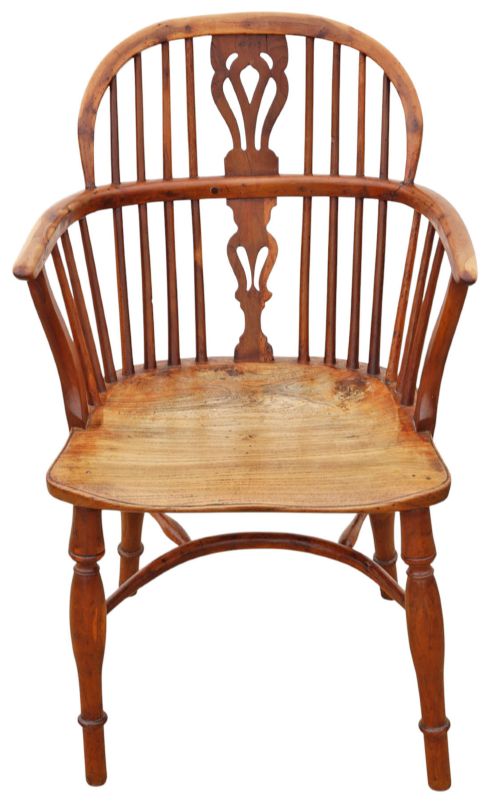
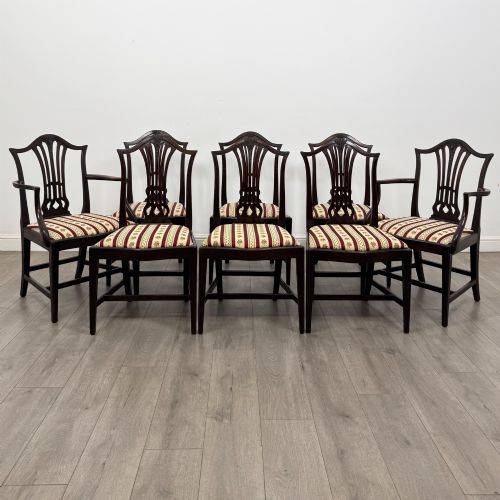
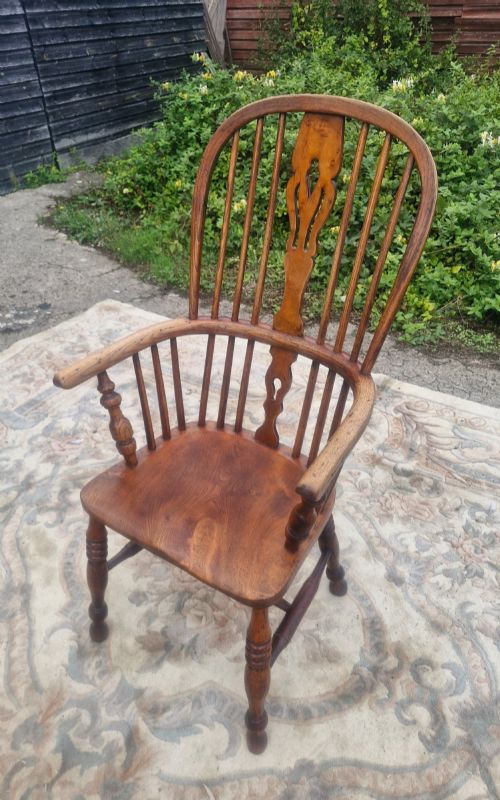
The version most frequently encountered in this selection is the nineteenth century elm or yew Windsor chair, alongside sets of mahogany dining chairs from the Georgian and Victorian periods. Buyers also find utilitarian forms such as pub stools, hall benches and Windsor armchairs.
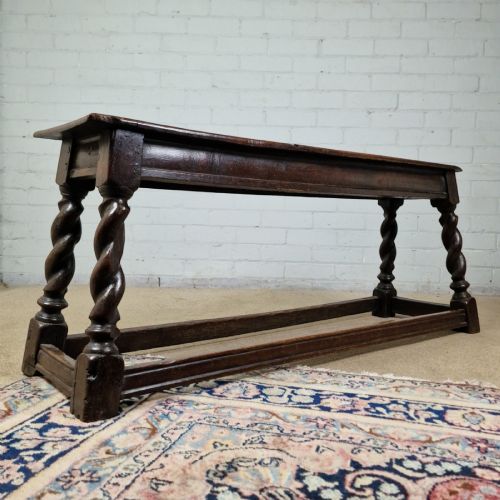
Styles range from English Country Vernacular and Victorian Country to Regency and Jacobean Revival. Each form demonstrates how functional seating developed to suit daily domestic routines in kitchens, parlours and halls.
Materials and Construction
Makers utilised native timbers such as elm, ash, beech and oak for country seating, taking advantage of the natural strength and flexibility inherent in unrefined woods. Windsor chairs typically combine bent ash for the hoops with elm for the shaped seats and various timbers for spindles.
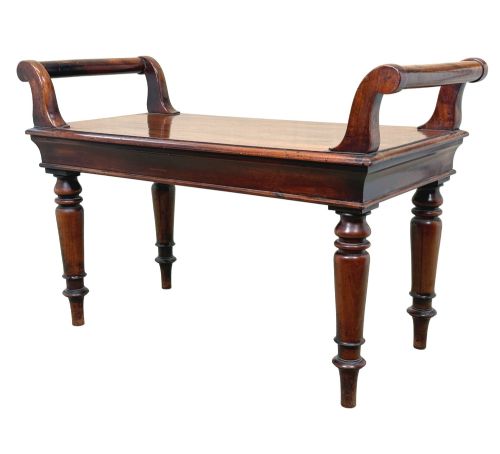
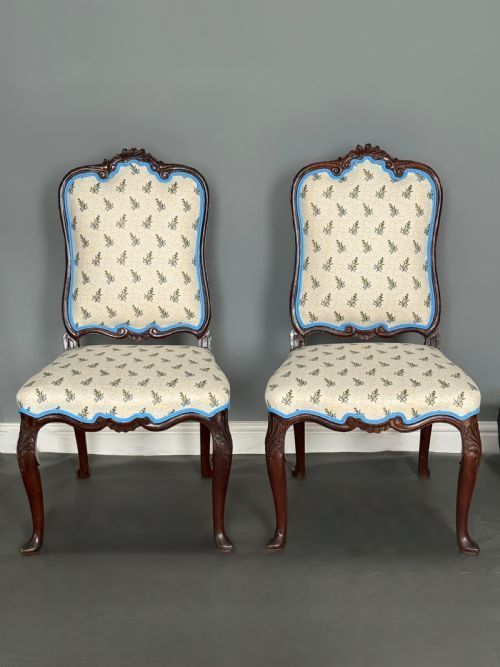
Formal dining chairs and window seats rely on dense imported hardwoods like Cuban mahogany and walnut, chosen for stability and fine grain. Cabinet makers employed mortise and tenon joinery alongside turned components to build durable frames capable of enduring heavy daily use.
Surfaces finished in original varnish, wax or polish display the grain while protecting the timber over decades of handling. Regional variations in turning and joinery reveal the specific methods practised by local chair bodgers and urban cabinet makers.
Regional English country vernacular styles appear alongside formal Regency and Georgian dining sets.
Evaluating Quality and Construction
Quality rests primarily on the integrity of the timber, the tightness of the joinery and the survival of original surface finishes. Solid elm seats showing deep indentations from years of use demonstrate honest age, whereas dry or split timber indicates poor environmental conditions.
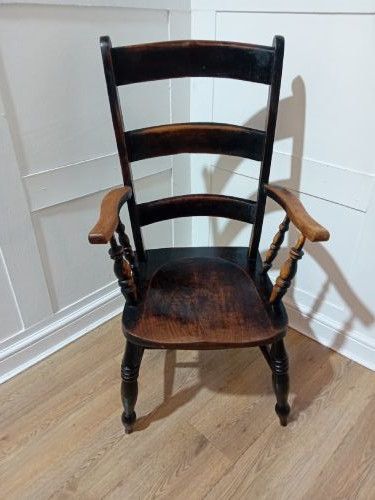
Finer dining chairs exhibit crisp carving on shield backs or ladder backs, with tightly fitted joints that prevent lateral movement in the legs. Utility pieces derive their merit from sturdy proportions and untouched patination rather than elaborate ornament.
The presence of matched sets adds distinct value, particularly when dealing with large dining groups or multiple carvers. Altered heights, replaced splats or mismatched replacement legs diminish the overall coherence of a set.
Morris & Co
The Traditional Wood Seating Glossary
- Windsor chair
- A wooden chair built with a thick solid seat into which the legs and back spindles are directly fitted. This form evolved through various regional British traditions, often combining elm seats with ash bentwood frames.
- Carver
- An armchair designed to match a set of smaller single dining chairs, typically positioned at the head of a dining table. These pieces feature integrated elbow rests for added comfort.
- Settle
- A wooden wooden bench featuring a high solid back and enclosed arms to block draughts in older properties. Some examples incorporate a hinged seat forming a storage box beneath.
- Bodger
- A traditional itinerant woodworker who turned chair legs and spindles in woodland clearings using a pole lathe. Their components supplied urban and rural chairmakers.
- Lathe back
- A chair back constructed with flat wooden slats rather than turned spindles. This vernacular style appears frequently in nineteenth century kitchen and tavern seating.
Traditional Wood Seating: Frequently Asked Questions
What is a Windsor chair?
A Windsor chair is a distinct seating form built around a solid shaped wooden seat rather than a traditional framed chassis. Vertical spindles and back bows anchor directly into holes bored through the seat slab.
This construction method provides exceptional structural rigidity while maintaining a relatively light overall frame. Elm and yew frequently form the seat components, supported by ash or beech for the turned legs and upper bow.
How do I date a wooden chair?
Dating relies on examining the timber species, tool marks left by saws or lathes, and the construction methods used for joints. Hand-cut joinery and signs of early tool work indicate earlier eighteenth or nineteenth century production.
Stylistic shifts also help establish periods, moving from heavy Jacobean revival styles to slender Regency lines and later Victorian balloon backs. Original surfaces and patination offer further clues regarding age and continuous use.
Where were settles used?
Settles served primarily in the communal halls and kitchens of farmhouses and public taverns. Their high panelled backs protected occupants from cold draughts near open hearths.
Many examples included a box compartment beneath the hinged seat for storing blankets or household goods. This dual functionality made them central items in historical domestic interiors.
Can I mix dining chairs?
Mixing single chairs with matching carvers at table ends is an established tradition in dining room arrangement. Coordinating pieces by wood type, such as mahogany or elm, creates a cohesive appearance across varied styles.
Combining different regional vernacular forms adds visual texture to a rustic dining space. Uniformity matters less than maintaining consistent seat heights and appropriate scale around the table.