
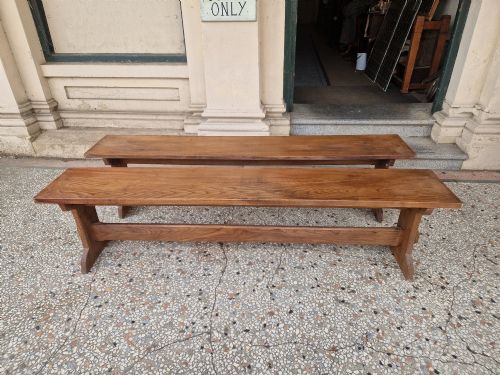


Pair Oak Hall Benches
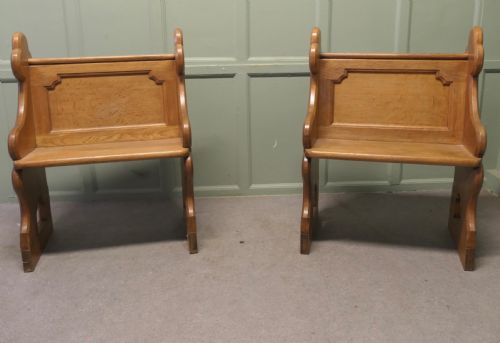
Pair oak hall benches bring immediate character to an entryway, offering substantial timber construction and period presence.
Pair Oak Hall Benches
Pair oak hall benches are substantial seating pieces designed primarily for corridors and entrance spaces, appearing across Victorian, 1880, 1920, 19th Century, 1930, and 1890 periods. These pieces include rustic farmhouse, Victorian, Gothic revival, French country, 19th century Irish, Victorian Gothic revival, and Aesthetic movement styles.
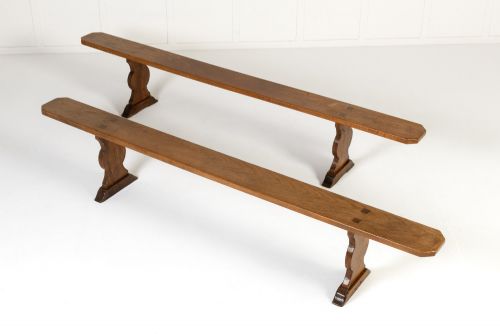
The inventory on this page shows forms designated as benches, hall chairs, hall benches, and dining benches. Buyers encounter various interpretations spanning solid construction to decorative carved examples.
Origin details in the evidence point to French, Irish, and Scottish contexts, including pieces from Skibo Castle alongside maker-attributed works. This variety gives a buyer distinct choices for period hallways.
How they were made
Makers utilised oak as the primary timber, occasionally combined with walnut, elm, hardwood, or painted wood surfaces. Joinery relied on solid timber construction designed to withstand heavy daily use in grand entrances.
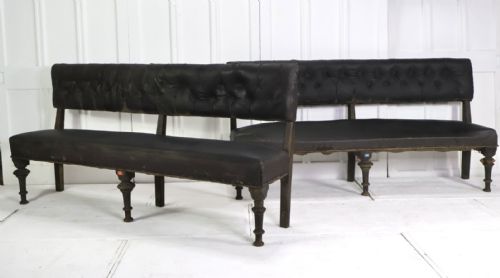
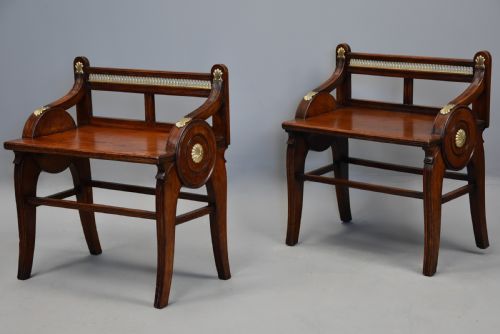
Brass mounts appear on specific examples to accent the timber framework, whilst leather provides secondary material detailing. Carving techniques define the decorative surfaces, particularly within Gothic revival and Aesthetic movement pieces.
Some historic benches travelled all the way from Scottish castles to end up waiting quietly in your modern hallway.
What varies in quality
Quality differences emerge through the crispness of the carved ornamentation and the selection of the oak timber. Pieces featuring specific maker attribution or provenance, such as those associated with James Shoolbred or Skibo Castle, demonstrate higher levels of workshop execution.
The integration of secondary materials like brass mounts and leather upholstery distinguishes standard utilitarian seating from more ambitious decorative designs. The depth of the period style, from simple rustic farmhouse forms to elaborate Victorian Gothic revival work, dictates the visual weight of each pair.
James Shoolbred & Co.
The Pair Oak Hall Benches Glossary
- Aesthetic movement
- A late nineteenth-century design style focusing on artistic visual qualities rather than narrative content. Pieces from this movement often display refined geometric or naturalistic ornamentation.
- Gothic revival
- An architectural and decorative style drawing inspiration from medieval forms. This aesthetic is characterised by pointed arches, heavy carved tracery, and imposing proportions.
- Hall bench
- A long seat designed specifically for an entrance hall or passage. These pieces typically feature supportive backs and robust timber frames built for occasional seating.
- Brass mount
- A decorative or structural fitting cast from brass and applied to furniture surfaces. They serve to reinforce corners or provide visual contrast against dark oak timber.
- Provenance
- The documented history of ownership and origin for an antique piece. Strong provenance connects furniture directly to notable country houses or specific historical estates.
Pair Oak Hall Benches: Frequently Asked Questions
Where were pair oak hall benches placed?
These benches traditionally stood in grand entrance halls, corridors, and large country house passages to provide seating for visitors waiting to be received.
They also served practical purposes in large dining spaces and libraries, as evidenced by pieces catalogued as dining or library chairs.
How do I identify Victorian oak hall benches?
Victorian examples often display heavier proportions and distinct historical revivals such as Gothic detailing or Aesthetic movement lines. Look for deep carved oak surfaces and substantial structural timbers.
Evidence shows these pieces date from the nineteenth century through to the eighteen-eighties and nineties, carrying the characteristic robust build of the era.
What materials are used besides oak?
While oak forms the primary structural timber across the majority of pieces, makers occasionally incorporated walnut, elm, or general hardwood.
Additional elements include brass mounts for decorative hardware and leather components, alongside painted wood surfaces on specific regional country pieces.
Are these benches suitable for daily dining?
Certain pieces in the inventory are explicitly classified as dining benches or long hall benches, indicating they were built for prolonged seating use.
Solid oak construction provides the necessary durability for regular seating arrangements around large tables in period or contemporary dining rooms.