





Traditional Wood Form
These traditional wood form pieces are practical and sculptural objects crafted from timber, offering character for domestic display.
Traditional Wood Form
When you search for traditional wood form, you encounter a varied selection of utilitarian and decorative wooden items spanning multiple centuries. The inventory includes seating alongside workshop equipment and decorative carvings.
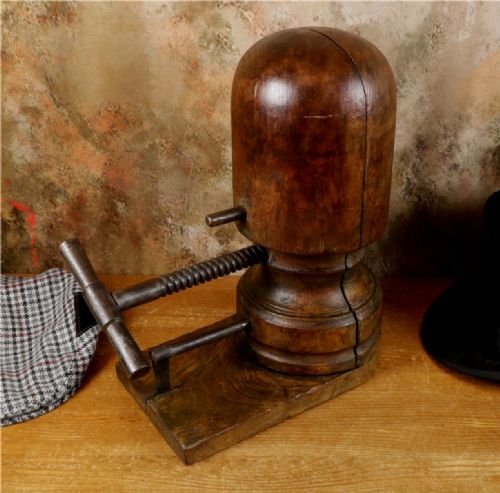
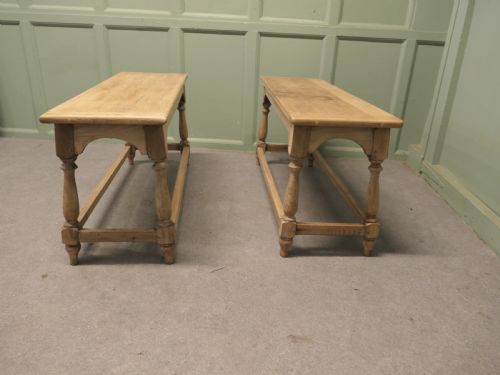
You are most likely to meet utilitarian seating such as bleached oak joint benches and elm benches, alongside milliner hat stretchers and carved wooden candlesticks from the nineteenth century. These objects bridge the gap between functional workshop tools and folk art sculpture.
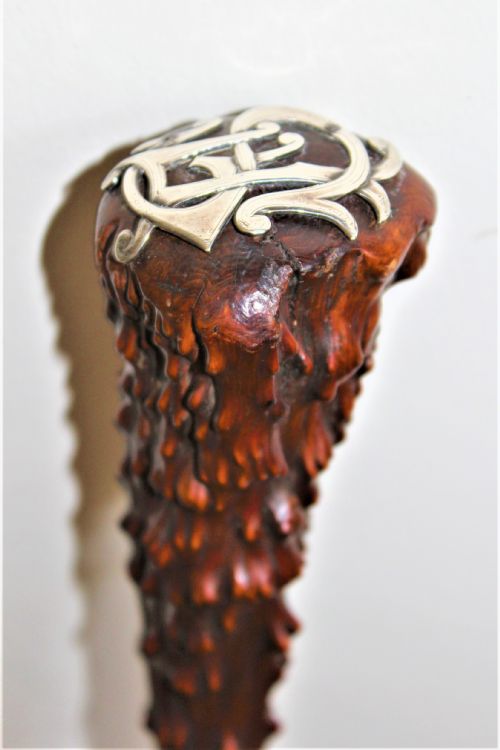
The assortment extends from eighteenth-century Irish mahogany peat buckets to nineteenth-century carved plaques and natural walking sticks. Each piece reflects the functional requirements and craftsmanship of its period.
Materials and construction
Makers utilised available timbers including elm, pine, bleached oak, mahogany, and root wood to shape these items. Carving and joinery techniques define the construction across benches, hat stretchers, and sculptural figures.
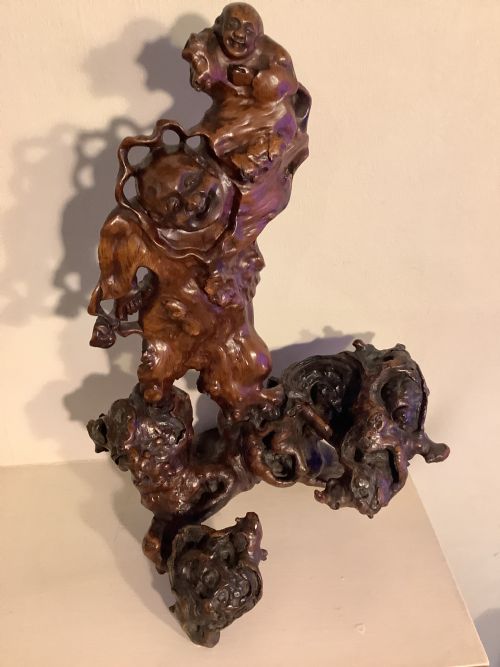
Natural and gnarled wood forms are preserved in items like walking sticks and figurative sculptures, while architectural elements appear in joint benches and peat buckets. Cast iron components occasionally integrate with the timber structures.
Current listings feature materials including elm, pine, bleached oak, and root wood across the nineteenth and eighteenth centuries.
Assessing quality
Quality rests upon the crispness of the carving and the integrity of the timber used in each piece. Well-carved figurative details and untouched original surfaces elevate an object above standard utilitarian examples.
Proportion and the natural character of the grain dictate desirability, particularly in root wood sculptures and folk art pieces. The distinction between simple workshop tools and superior decorative forms lies in the skill of the execution.
The Traditional Wood Form Glossary
- Joint bench
- A piece of seating constructed using mortise and tenon joints pegged together. These sturdy forms often feature bleached oak or elm timber.
- Milliner hat stretcher
- A workshop device used by hat makers to size or shape headwear. These adjustable wooden forms are collected as sculptural objects.
- Folk art
- Items created by self-taught or traditional craftsmen outside mainstream academic traditions. This category includes carved candlesticks and figurative sculptures.
- Peat bucket
- A deep container traditionally used for holding turf fuel by the hearth. Georgian examples in ribbed mahogany display sophisticated cooperage.
- Root wood
- Timber sourced from the root system of a tree, displaying twisted and gnarled grain patterns. Carvers utilise these irregular natural shapes for figurative works.
Traditional Wood Form: Frequently Asked Questions
What is a traditional wood form?
A traditional wood form refers to objects shaped from timber for practical or decorative purposes. The selection encompasses workshop equipment, seating, and folk art carvings.
These pieces reflect historical trades and domestic life through the medium of carved and joined wood.
How were elm benches used?
Elm benches served as sturdy everyday seating in domestic and communal spaces. Their robust timber construction handled heavy daily use.
Today, these benches function well as accent seating or low display surfaces in modern interiors.
What are hat stretchers?
Hat stretchers were utilised by milliners and hatters to adjust the size of headwear. They consist of wooden segments expanded via an internal mechanism.
Collectors appreciate their mechanical appearance and sculptural wooden forms on display.
How do I date these pieces?
Dating relies on identifying timber species, tool marks, joinery techniques, and stylistic conventions of the period. Nineteenth-century examples often show distinct hand-carving methods.
Comparing items against documented workshop tools and furniture helps establish the era of origin.
How should I clean wood forms?
Maintenance requires gentle dusting with a dry cloth to protect the historic surface finish. Avoid modern chemical polishes that can degrade older timber.
Maintaining stable humidity levels prevents the wood from drying out or splitting over time.