

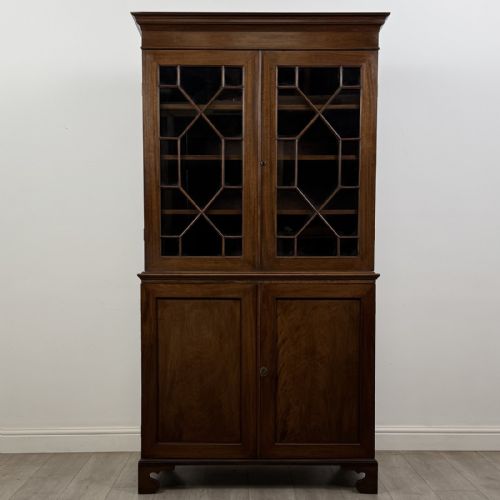
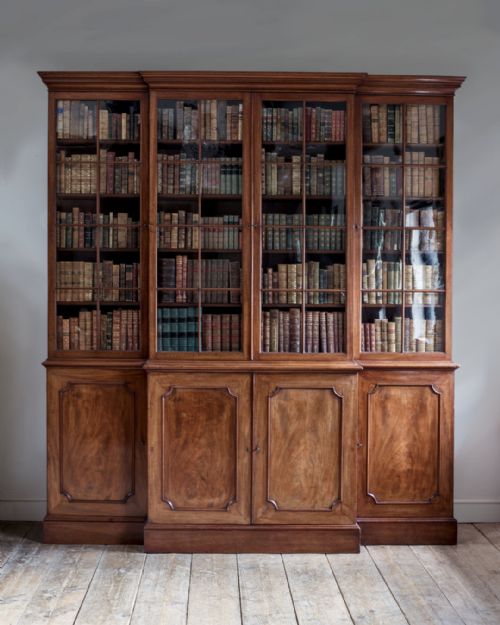
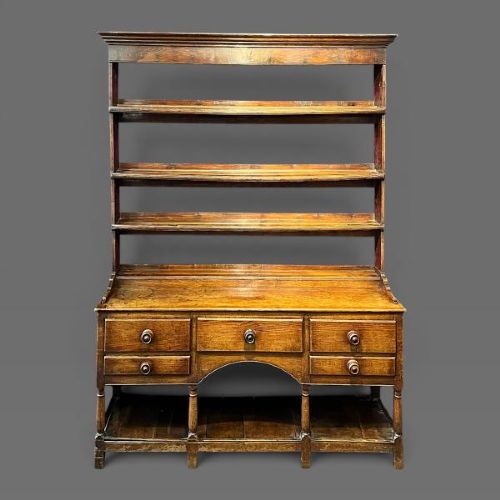
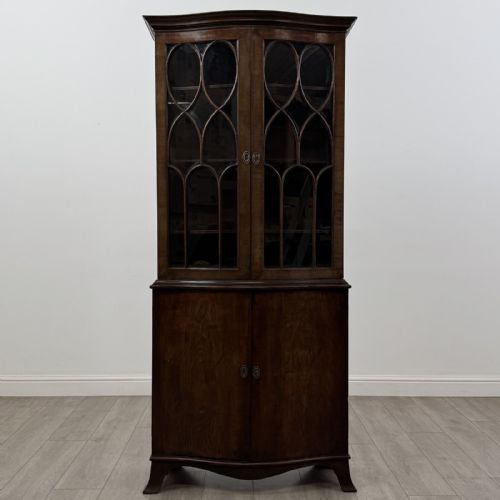
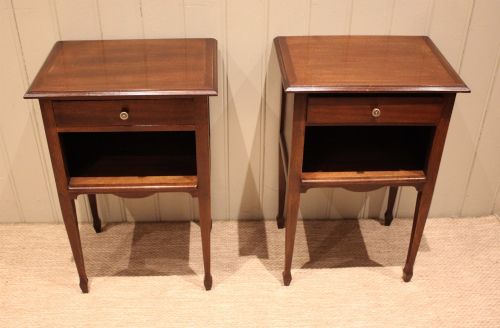
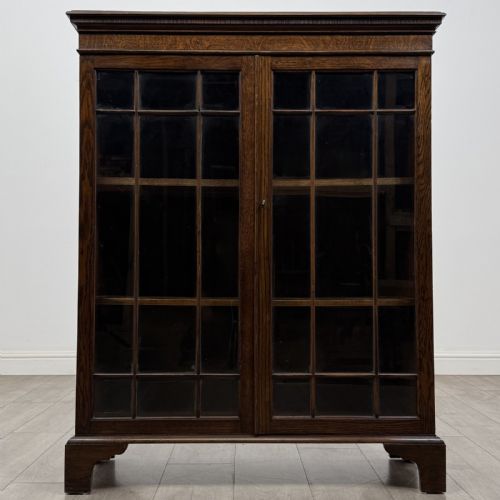
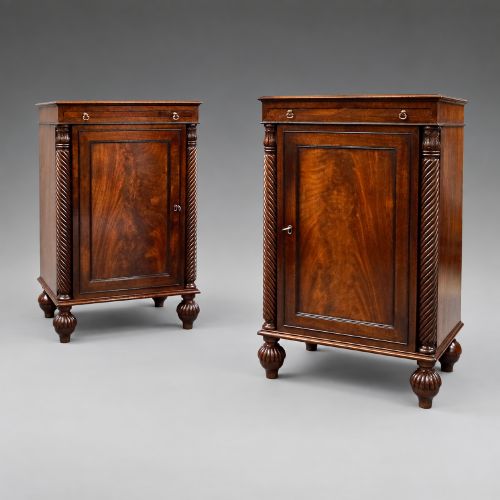
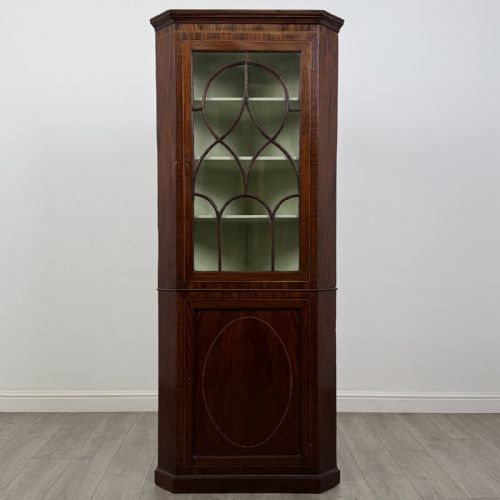
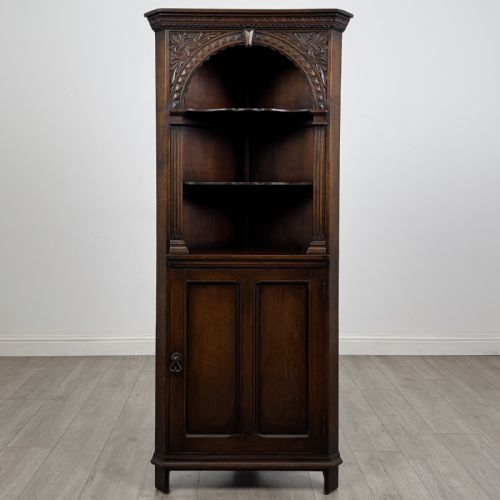
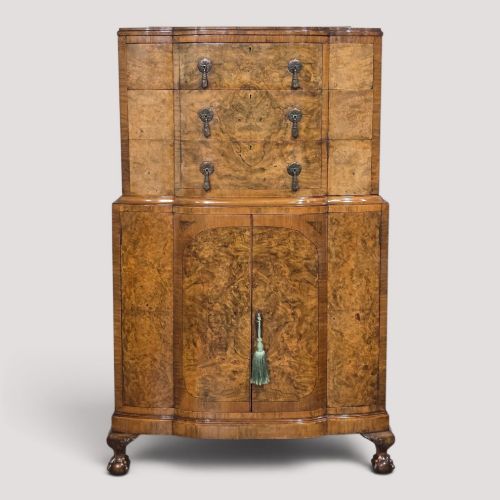
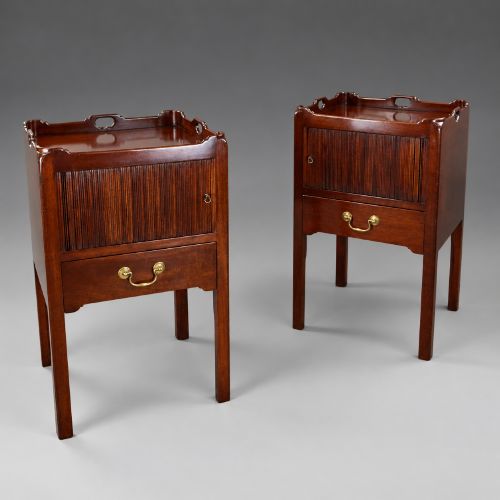
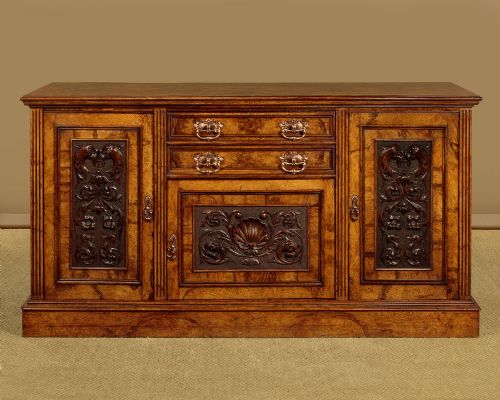
Traditional Wood Cupboard
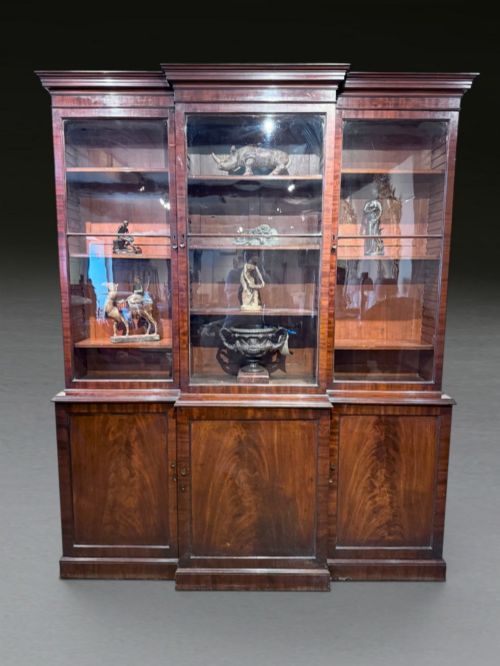
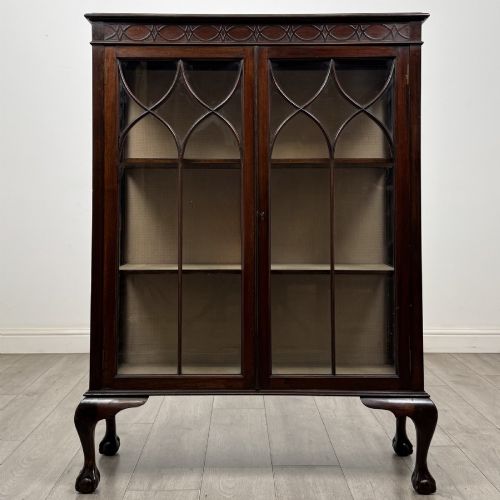
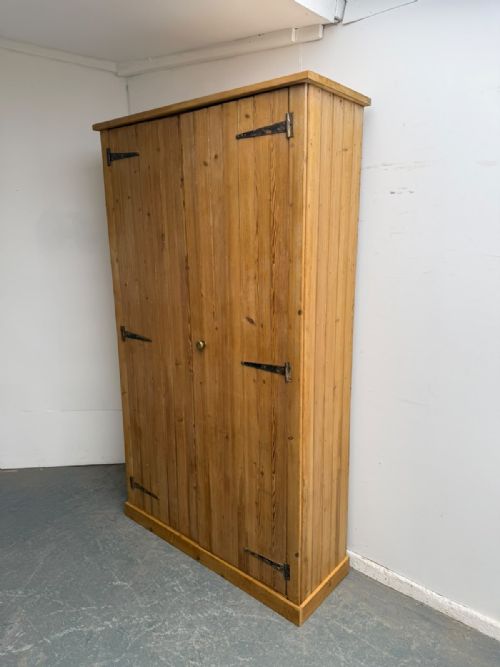
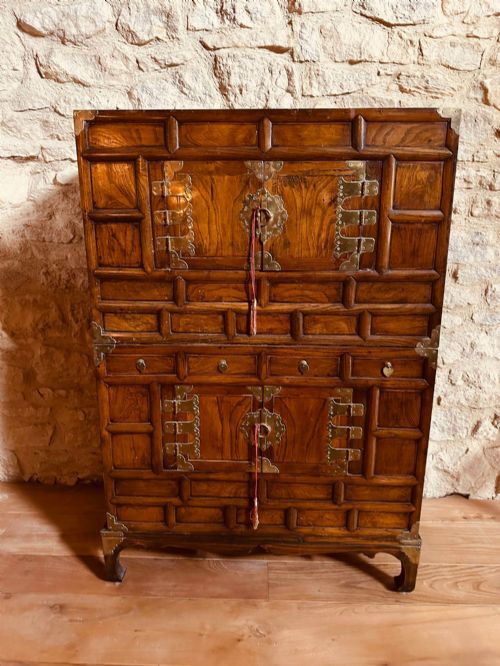
A traditional wood cupboard brings genuine character to a room through solid construction and honest timber.
Traditional Wood Cupboard
A traditional wood cupboard encompasses practical storage items ranging from compact bedside cabinets to large sideboards, wardrobes, and corner units. When searching for a traditional wood cupboard, buyers encounter diverse forms shaped for specific domestic duties across centuries.
The pieces listed here span the Georgian, Victorian, and Edwardian eras alongside 19th-century and 1920s examples. Mahogany, oak, and pine appear most frequently, supplemented by ash, walnut, elm, teak, and yew wood.
Styles stretch from formal Georgian proportions and Victorian country designs to Jacobean Revival and Traditional Indian work. Buyers frequently meet mahogany bedside chests and oak display cabinets within this selection.
How they were made
Timbers such as mahogany, oak, and pine form the structural core of these items, selected for their grain and durability. Joinery methods depend on the period, utilising solid planks, carved panels, and fitted interiors with pigeon holes or shelving.
Surface treatments involve polishing, waxing, or lacquering to protect the wood while accentuating figures like flame mahogany and burr walnut. Supplementary materials such as brass for hardware, iron for structural reinforcement, and glass for doors complete the construction.
Traditional Wood Cupboard Retail Price Guide 2026
Typical asking prices for traditional wood cupboard among the pieces listed under this phrase on Sellingantiques today, from the lower quarter to the upper quarter. They describe what is for sale here now, not the wider market.
A red lacquer marriage cabinet brings a sudden splash of bright Chinese elm into a quiet English hallway.
What varies in quality
The standard of timber selection heavily influences the piece, separating plain boards from richly figured flame mahogany, burr walnut, or pollard oak. Cabinet-making skill shows in how smoothly doors close, how tightly joints fit, and whether carved details are crisp or superficial.
Original hardware, brackets, and interior fittings retain greater integrity than replacements added later. The cohesion of design, whether a serpentine front or leaded glass, dictates the overall presence of the cabinet.
Warings Liverpool
The Traditional Wood Cupboard Glossary
- Bracket feet
- A simple, sturdy foot shape supporting the corners of a cabinet, commonly seen on Georgian and Victorian furniture.
- Corner cabinet
- A storage unit specifically built with an angled back to fit neatly into the corner of a room.
- Linen press
- A tall cupboard traditionally used for storing folded linen and textiles, often featuring sliding trays or drawers behind upper doors.
- Demi-lune
- A half-moon shape applied to the top or front of side cabinets and tables, typical of refined decorative styles.
- Almirah
- An upright freestanding cupboard or wardrobe originating from South Asian traditions, utilised for domestic storage.
- Welsh dresser
- A traditional kitchen or dining piece combining lower cupboards or drawers with an open plate rack on top.
Traditional Wood Cupboard: Frequently Asked Questions
How do I choose the right size cupboard?
Measure your available floor space carefully and account for the swing of cupboard doors or the depth of drawers before selecting.
Consider whether the piece needs to hold books, linen, or kitchen provisions to determine the correct internal configuration.
Where should I place a corner cabinet?
Corner cabinets make effective use of neglected room angles in dining rooms, hallways, or living spaces.
They provide display or storage capacity without protruding far into the main floor area.
How do I care for antique wood furniture?
Keep wooden pieces away from direct heat sources and strong sunlight to prevent the timber from drying out or warping.
Apply a traditional beeswax polish occasionally and buff gently with a soft cloth to maintain the finish.
How do I identify a Georgian style piece?
Georgian style items often feature balanced proportions, classical decorative motifs, and rich mahogany or oak timbers.
Examine the construction methods and hardware to distinguish authentic period items from later revival pieces.