

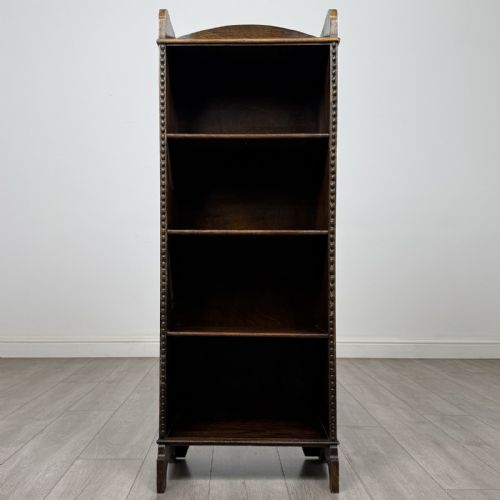
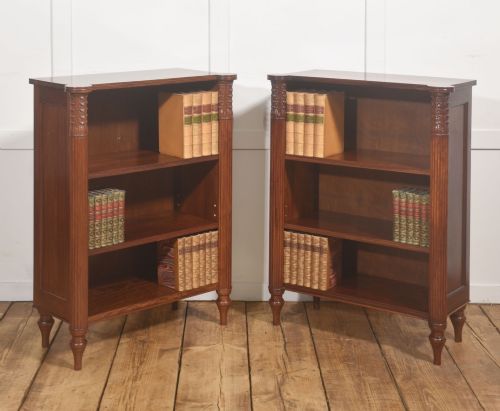
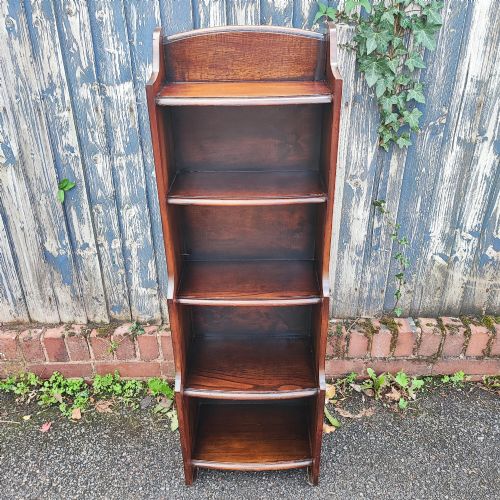
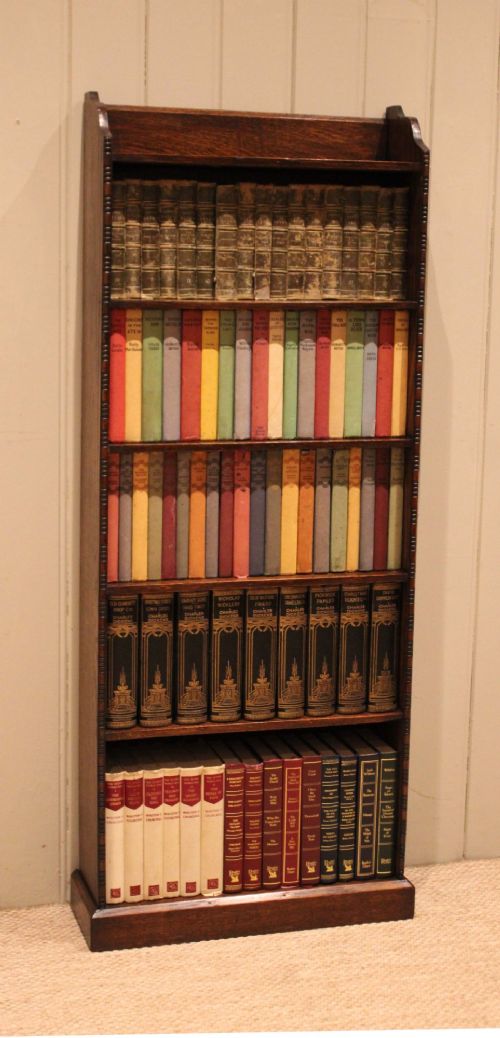
Traditional Wood Bookshelf
A traditional wood bookshelf brings warmth and order to a room, offering sturdy shelves for everyday volumes.
Traditional Wood Bookshelf
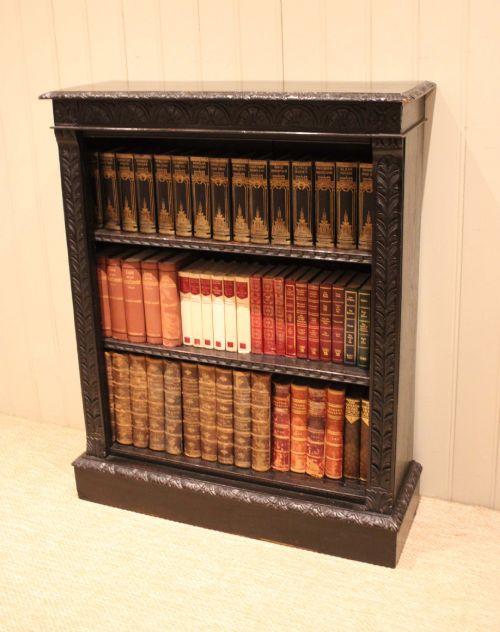
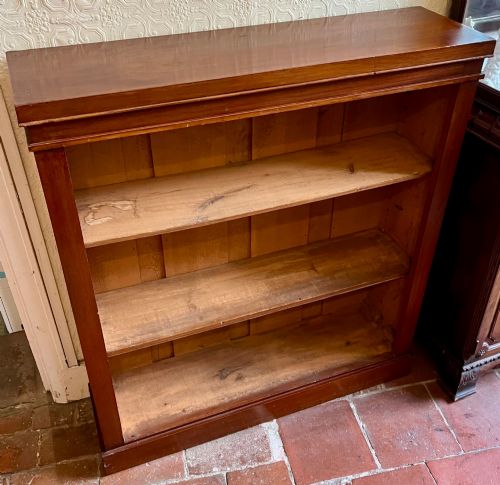
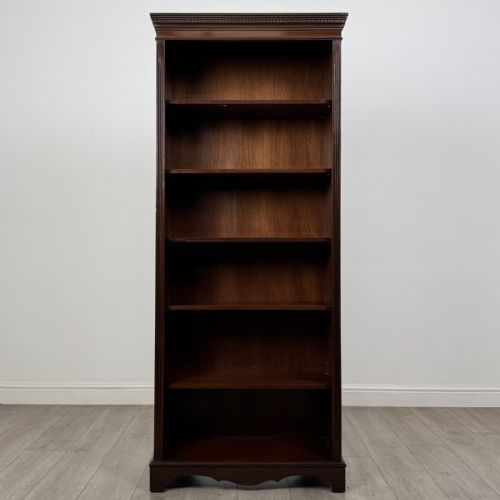
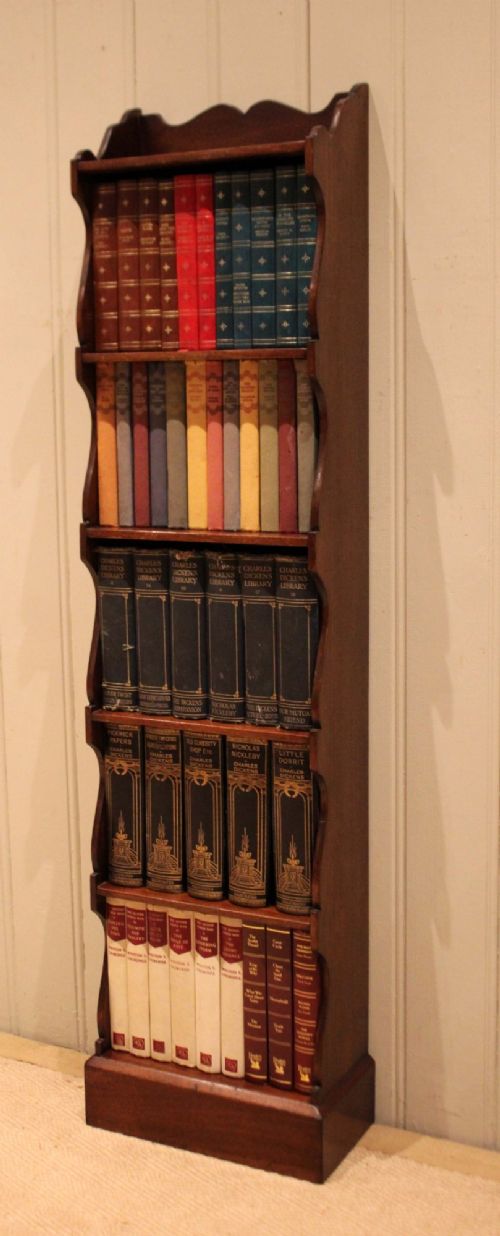
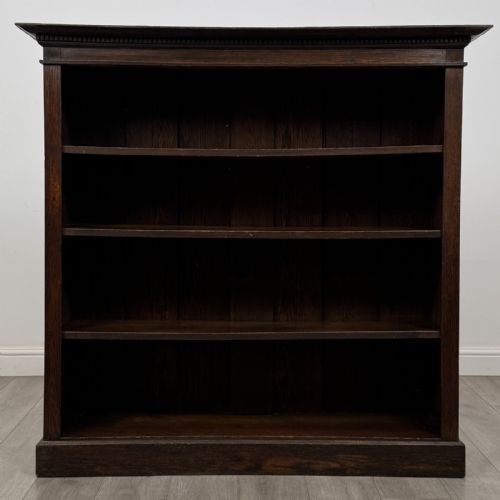
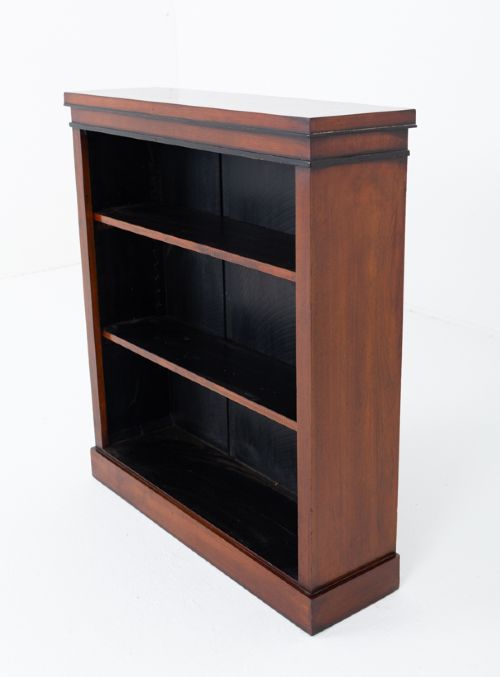
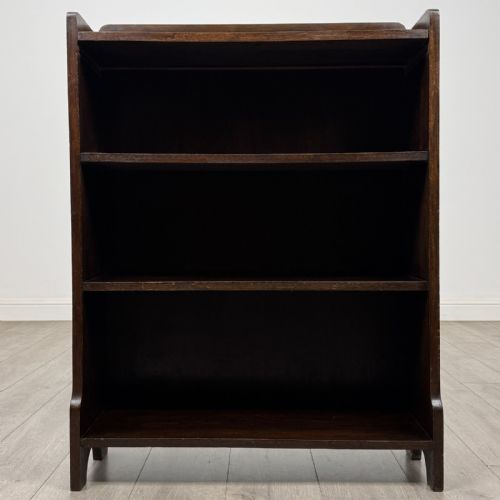
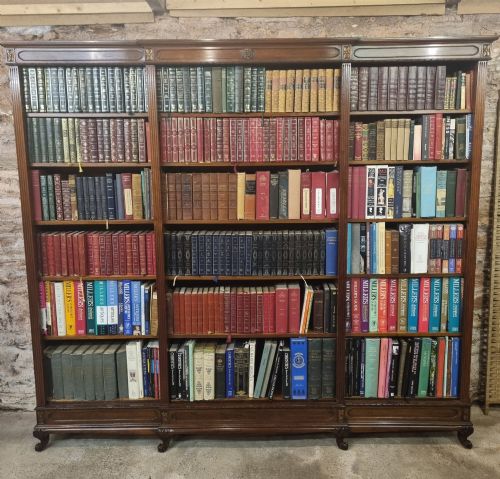
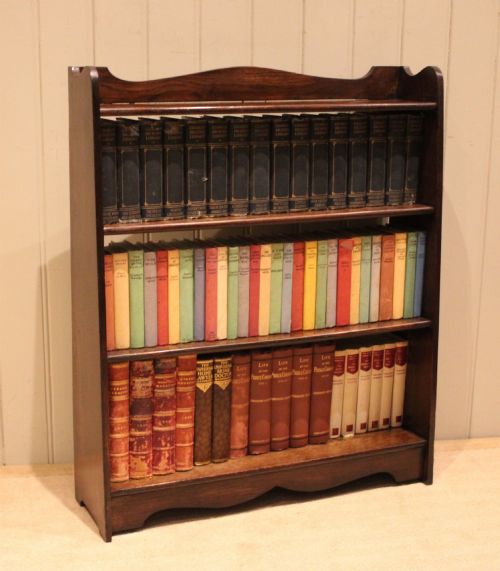
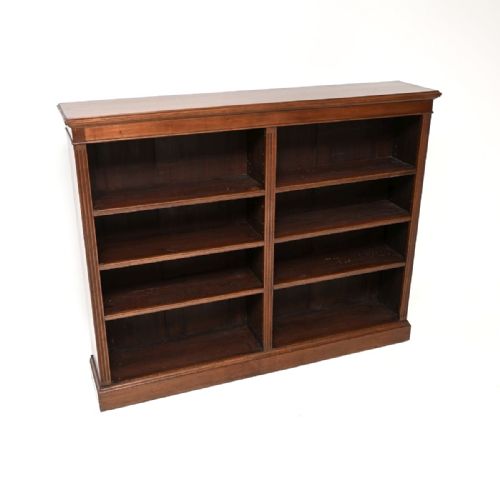
A traditional wood bookshelf provides practical vertical storage for books while anchoring a room with classic timber tones. These pieces range from compact open wall shelves to large library bookcases designed to hold extensive collections.
Mahogany and oak dominate the pieces seen here, alongside walnut, pine, deal wood, and rosewood. Buyers frequently encounter open bookcase formats featuring adjustable shelves, canted corners, or lower drawers.
The periods represented span the nineteenth century into the early twentieth century, taking in Victorian, Edwardian, and Regency eras. Makers such as Ercol and Waring and Gillows appear among the listings.
Distinctions in Quality
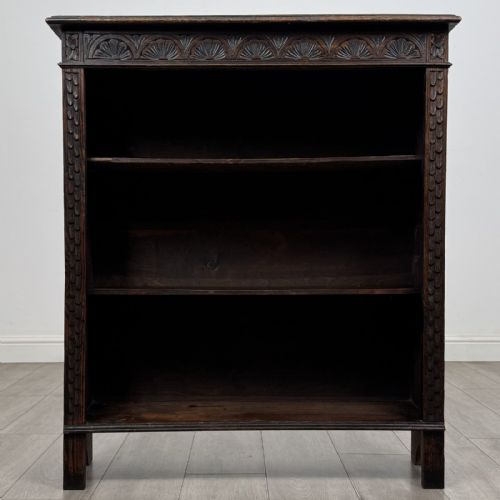
The choice of timber sets the baseline, with finely grained mahogany and figured walnut sitting alongside utilitarian deal wood and pine. Cabinet work distinguishes standard shelving from pieces featuring decorative carved corbels, canted corners, and inlaid details.
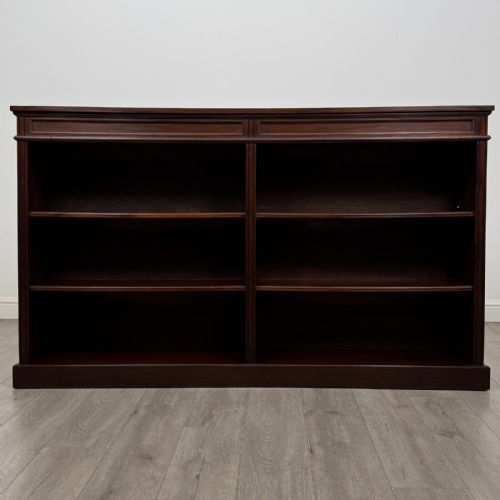
Proportion and architectural presence dictate how a piece commands a room, separating simple small bookcases from large breakfront library bookcases. The presence of functional additions, such as adjustable shelves or lower storage drawers, elevates utility.
Traditional Wood Bookshelf Retail Price Guide 2026
Typical asking prices for traditional wood bookshelf among the pieces listed under this phrase on Sellingantiques today, from the lower quarter to the upper quarter. They describe what is for sale here now, not the wider market.
Listings feature oak, mahogany, walnut, pine, and rosewood across Victorian, Edwardian, and Regency periods.
Ercol·Waring and Gillows
The Traditional Wood Bookshelf Glossary
- Breakfront
- A cabinet or bookcase where the central section projects forward from the flanking wings. This architectural arrangement creates depth and visual interest in larger library pieces.
- Canted corners
- Vertical edges that are bevelled or cut away at an angle rather than meeting in a sharp ninety-degree corner. This detail softens the silhouette of upright mahogany and oak bookcases.
- Waterfall bookcase
- A tiered shelving unit where each successive shelf is slightly deeper than the one above it, following a stepped profile. These pieces often feature open sides and display display formats.
- Corbel
- A structural or decorative bracket projecting from the face of a bookcase to support upper shelves or cornices. Carved timber versions appear on mid-nineteenth-century rosewood pieces.
- Deal wood
- A traditional term for softwood timber cut from pine or fir trees. It provides a lighter alternative to hardwoods in larger utilitarian bookcases.
Traditional Wood Bookshelf: Frequently Asked Questions
What is a traditional wood bookshelf?
A traditional wood bookshelf is a freestanding or wall-mounted furniture piece constructed from timber to store and display books. These pieces utilise traditional cabinet-making materials such as mahogany, oak, and walnut.
Designs range from small open oak units to large breakfront library bookcases featuring adjustable shelves and carved details.
How do I style a wood bookcase?
Styling a wood bookcase involves balancing books with decorative objects, grouping volumes by height or colour, and leaving space for visual relief. Open shelves allow collections to become a focal point within a room.
Matching the timber tone, whether dark oak, mahogany, or walnut, helps integrate the piece with existing furniture.
What wood was used for antique bookcases?
Antique bookcases were primarily constructed from hardwoods like mahogany, oak, and walnut due to their strength and grain. Cabinet makers also utilised rosewood for decorative mid-nineteenth-century pieces.
Softer timbers such as pine and deal wood appear in simpler rustic country pieces and larger utilitarian shelving units.
How do I identify Victorian bookcases?
Victorian bookcases typically feature robust timber construction in mahogany or carved oak, often incorporating adjustable shelves or lower drawers. Stylistic cues include canted corners, beaded edges, and substantial proportions.
These pieces reflect the Victorian preference for functional yet richly detailed library furniture.