

Traditional Wood Bedroom Chest
A traditional wood bedroom chest provides essential storage while anchoring the room with time-tested craftsmanship and timber character.
Traditional Wood Bedroom Chest
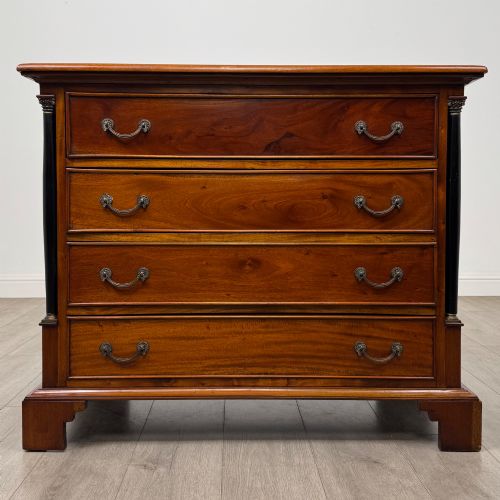
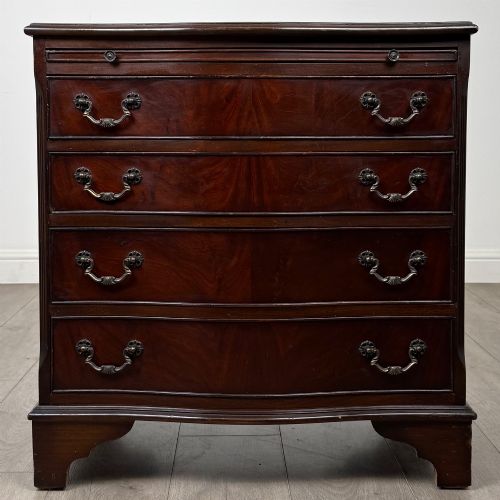
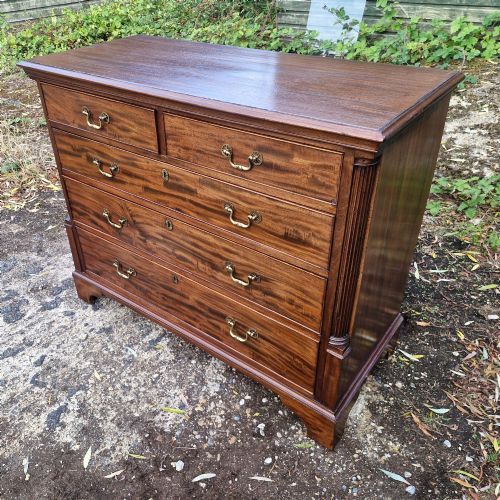
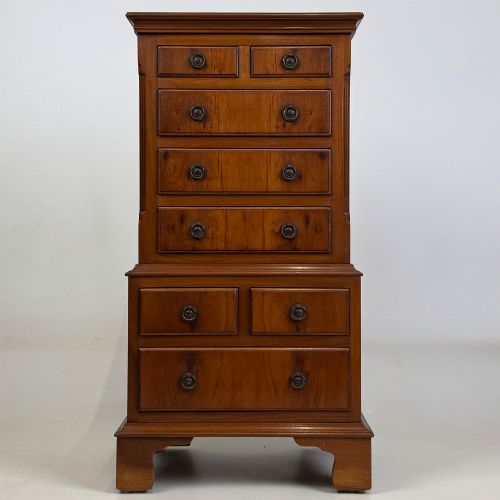
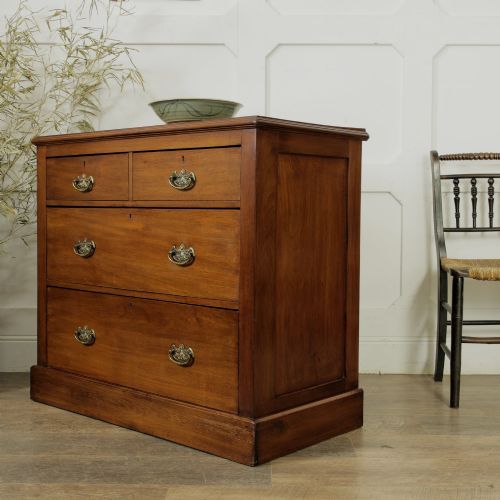
A traditional wood bedroom chest serves as a primary storage solution in domestic spaces, taking forms such as chests of drawers, tallboys, and bedside tables. When searching for a traditional wood bedroom chest, buyers encounter pieces originating from Georgian, Victorian, and Edwardian periods.
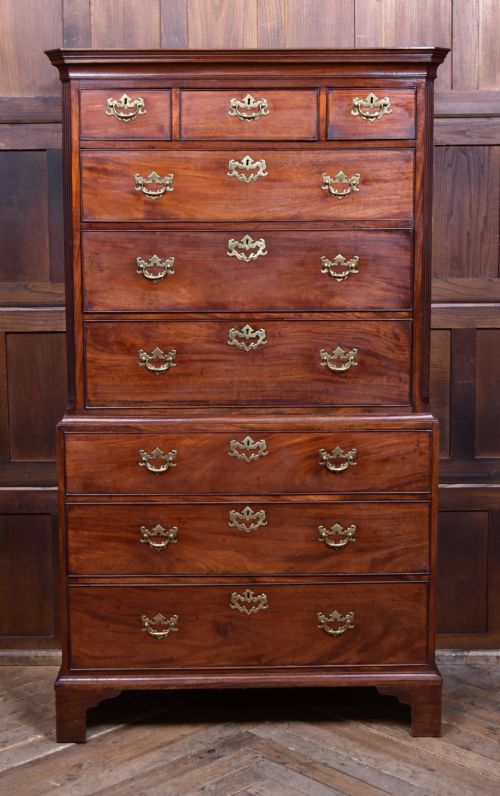
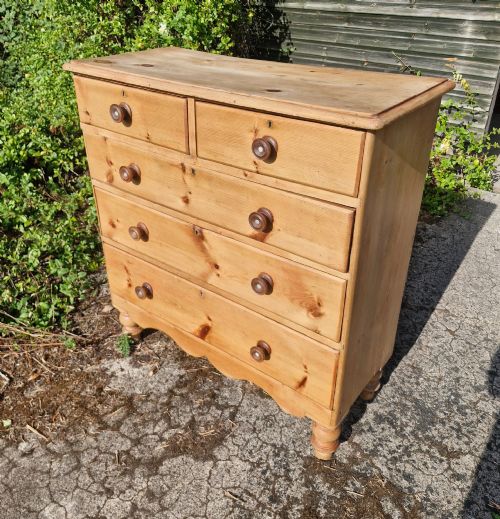
The selection ranges from compact bedside chests to imposing chest on chest configurations and larger dressers. Mahogany, pine, and oak dominate the available forms, reflecting the dominant cabinet-making materials of the eighteenth, nineteenth, and early twentieth centuries.
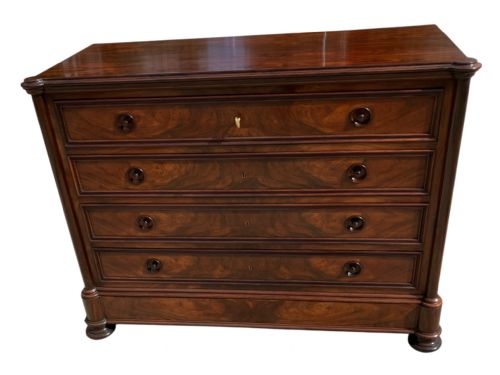
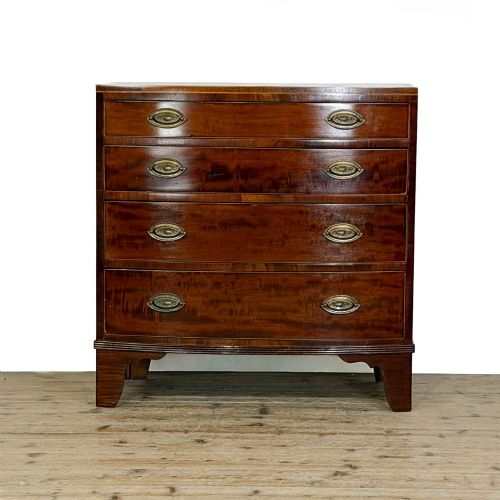
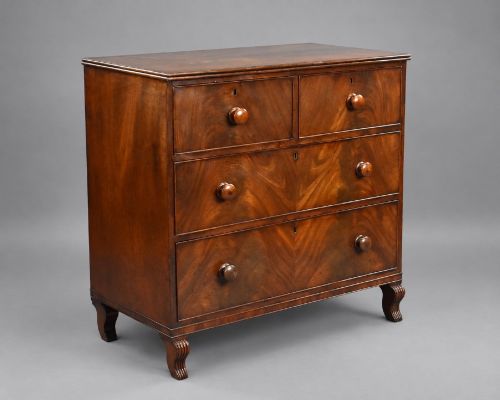
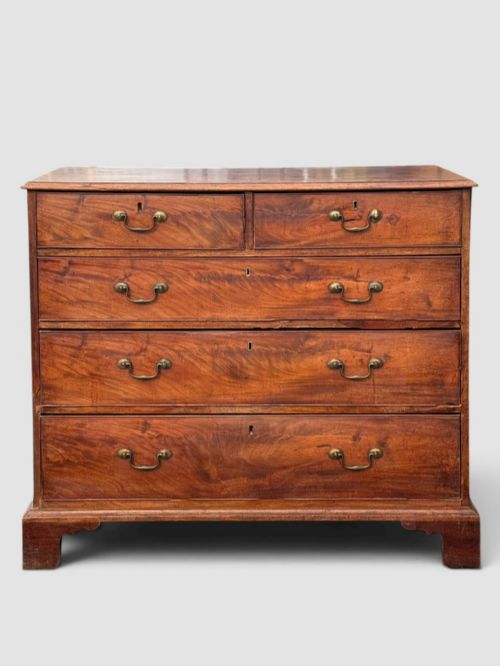
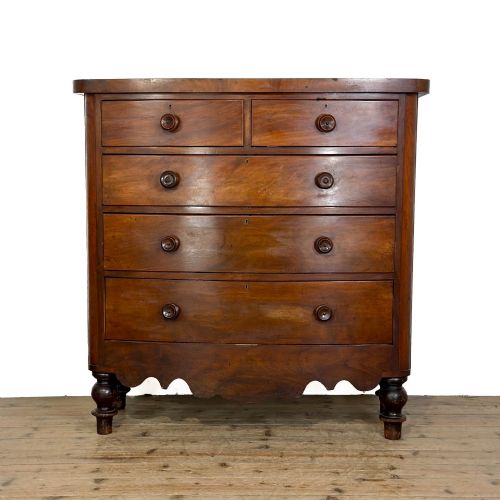
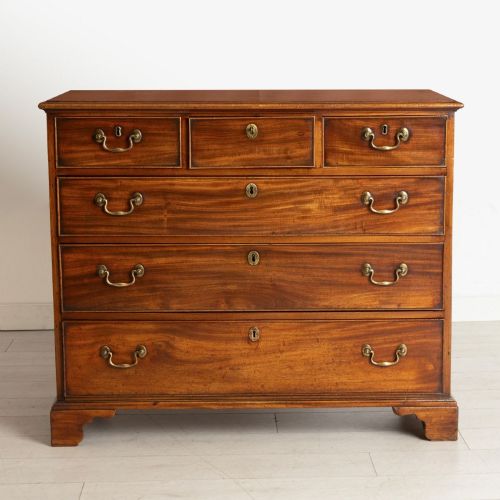
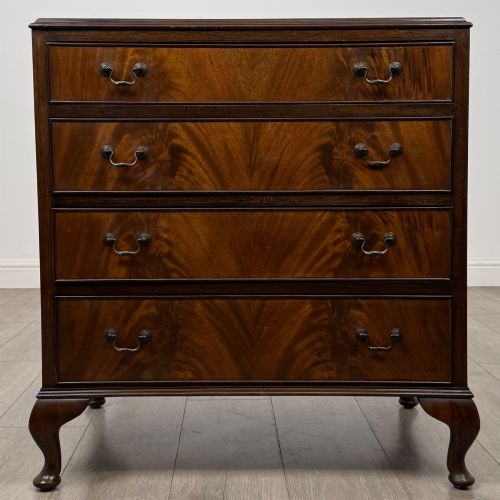
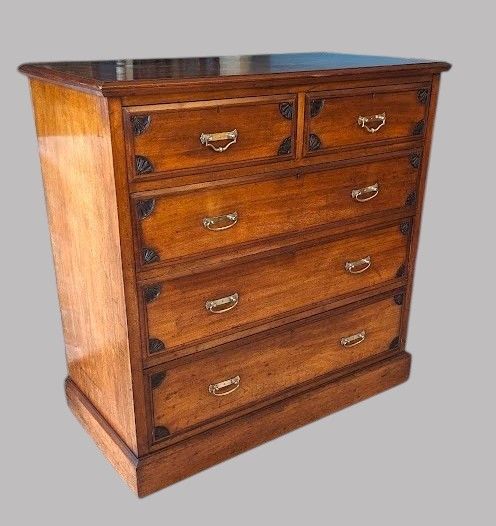
Many examples showcase regional variations, including bow fronts, serpentine shapes, and distinct handle configurations like brass drops or turned wood knobs. Buyers frequently meet pieces featuring standard two-over-three drawer layouts alongside taller vertical formats designed for smaller floor spaces.
Materials and construction methods
Cabinet makers built these pieces using solid timbers like oak and pine for structural integrity, whilst applying figured mahogany veneers on primary display surfaces to create rich grain patterns. Flame mahogany veneer appears on finer examples, adding dramatic visual depth to drawer fronts and top panels.
Joinery relied on traditional techniques such as dovetailing for drawer construction, ensuring durability through decades of daily use. Metal hardware, including brass handles and iron fittings, secured operational components while providing functional contrast against the dark timber.
Channel Islands makers added unexpected maritime flair to traditional Georgian proportions.
Distinguishing quality across the range
Quality reveals itself in the selection of timber and the precision of the cabinet work, particularly in how veneers are matched across drawer fronts. Superior pieces exhibit tight, hand-cut dovetails and timber selected for consistent grain and natural lustre rather than plain utility.
The integrity of secondary woods used in drawer linings and back panels indicates the overall standard of manufacture. Finer pieces maintain original hardware, uncompromised structural joints, and surfaces that have aged with balanced patination.
The Traditional Wood Bedroom Chest Glossary
- Bow front
- A convex curved cabinet front that projects outward in the centre. This shape gained popularity during the Georgian and Regency periods to soften room angles.
- Chest on chest
- A tall storage unit formed by stacking a smaller upper chest directly onto a wider lower chest. This configuration maximises vertical storage capacity.
- Dovetail
- A traditional interlocking joint used to connect drawer sides to drawer fronts. Hand-cut dovetails indicate older, pre-industrial cabinet making.
- Flame mahogany
- A veneer cut from the branch junction of a mahogany tree, creating a distinctive flickering flame pattern. It was favoured for high-status furniture.
- Tallboy
- A tall vertical chest of drawers, sometimes incorporating a wardrobe or writing compartment in earlier iterations. It offers substantial storage with a minimal floor footprint.
Traditional Wood Bedroom Chest: Frequently Asked Questions
How do I date a wooden chest?
Dating relies on observing construction methods, timber choices, and hardware styles across the piece. Earlier examples often feature hand-cut dovetails and native timbers, while later Victorian and Edwardian pieces show machine assistance and varied veneer applications.
Hardware fixtures also shift over time, moving from brass batwing plates to simpler drop handles and turned wooden knobs. Comparing these details against known period characteristics helps establish a reliable timeline of manufacture.
What is the difference between a chest and a tallboy?
A standard chest of drawers sits at a lower height, typically designed for surface display as well as garment storage. A tallboy is built vertically, often featuring additional drawer tiers to increase capacity.
Tallboys frequently employ a two-part stacked construction to ease transport up staircases. This vertical orientation suits bedrooms with limited floor space but high ceilings.
Are bedside chests period originals?
Bedside chests appear in various historical configurations, though many were produced as pairs during the nineteenth and early twentieth centuries. They mirror the larger wardrobes and drawer chests of their respective eras.
Scale distinguishes bedside chests from standard chests, with lower heights and narrower proportions designed to sit alongside a bed frame. Construction techniques remain consistent with larger companion pieces from the same period.
How should I care for antique timber?
Maintaining antique wood requires stable indoor humidity and protection from direct sunlight to prevent timber splitting or veneer lifting. Regular dusting with a soft, dry cloth preserves the polished surface.
Occasional application of appropriate wax feeds the timber and maintains its natural lustre without building up heavy chemical residues. Avoid placing wet items or direct heat sources on the wooden surfaces.