

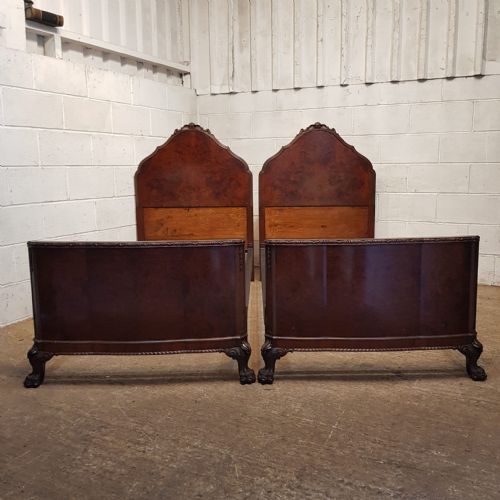


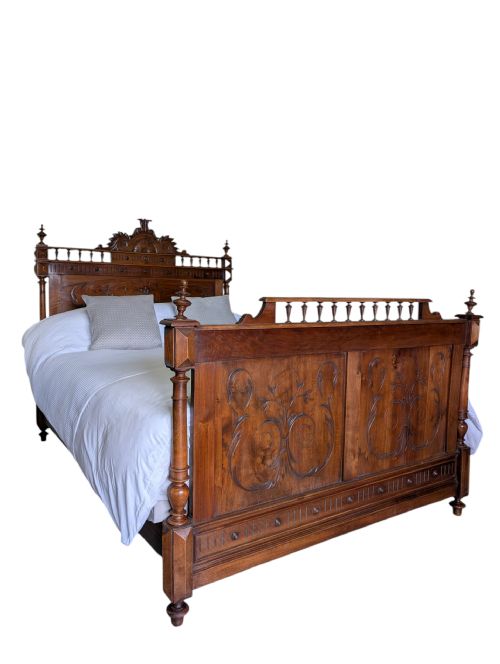


Traditional Wood Bed Frame
A traditional wood bed frame anchors a bedroom with solid construction, rich grain, and centuries of cabinet-making heritage.
Traditional Wood Bed Frame
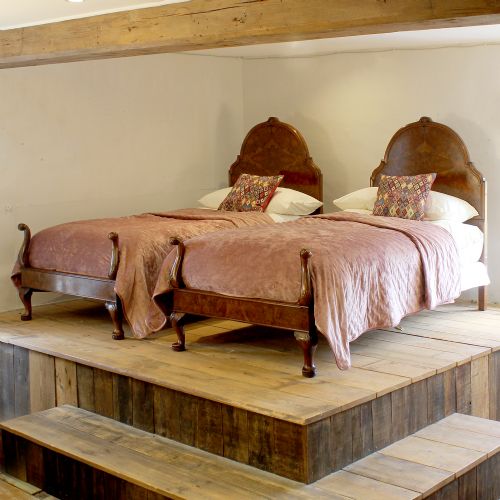
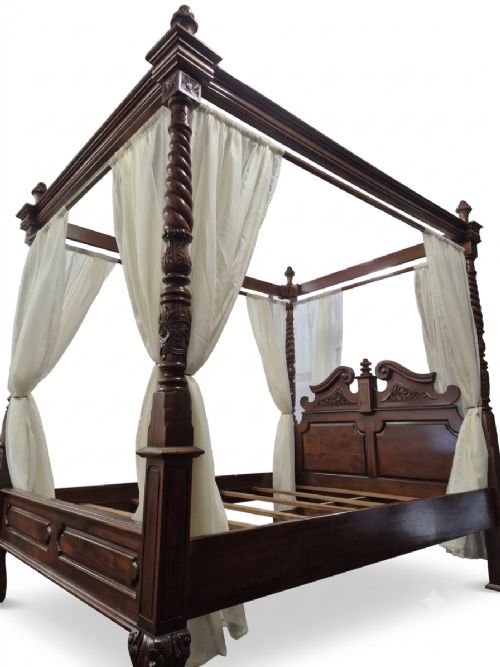
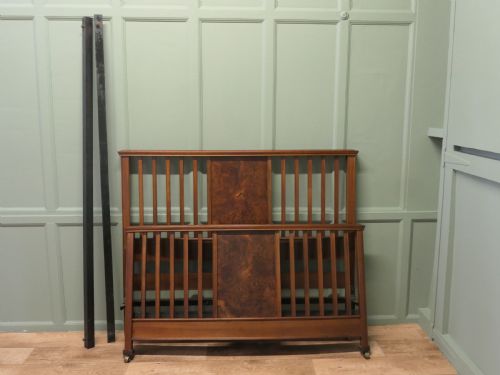
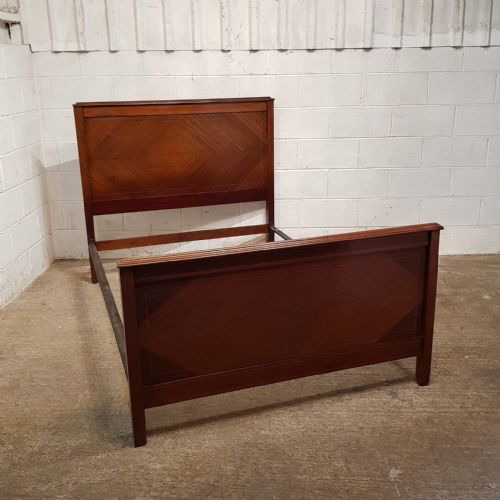
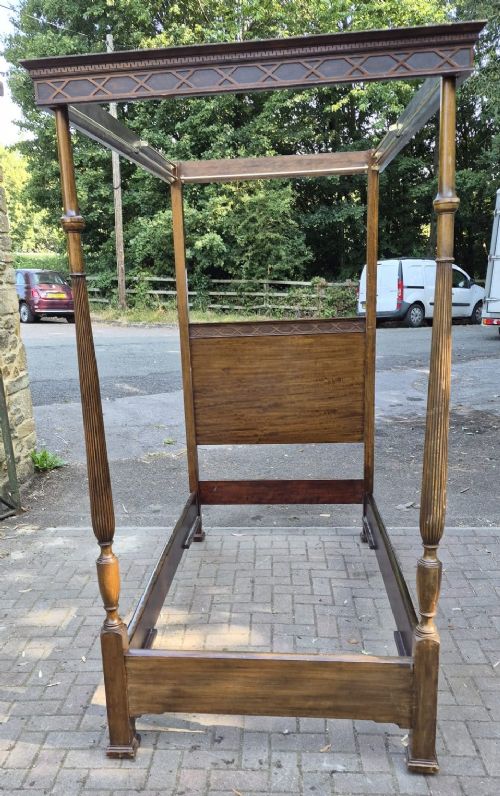
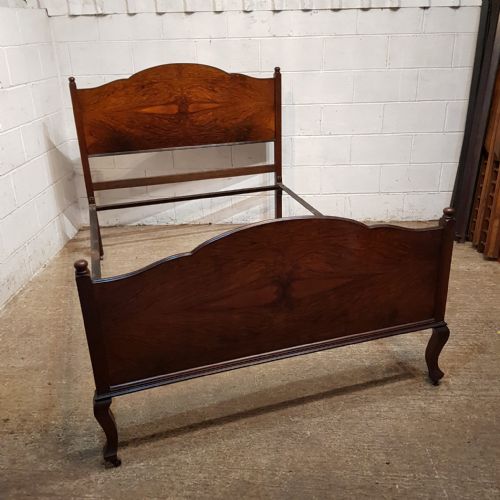
When you search for a traditional wood bed frame, you encounter substantial furniture built from durable hardwoods like mahogany, oak, walnut, and rosewood. These pieces range from grand four-poster beds to simpler double and single bedsteads spanning the Victorian, Edwardian, and Regency periods.
You are most likely to meet Edwardian and Victorian examples on this page, alongside earlier nineteenth-century styles and occasional twentieth-century adaptations. Forms include headboards, daybeds, and complete bed frames designed for standard, king, and super king sizes.
Many of these frames draw on revival aesthetics such as the Georgian style, Queen Anne style, and French provincial designs. They bring period character and robust timber frames into modern sleeping spaces.
What varies in quality
Quality in a traditional wood bed frame rests primarily on the selection of timber and the depth of cabinet-making skill applied to its construction. Finely figured burr walnut veneers, intricate hand carvings, and substantial mahogany scantlings distinguish the finest workshops from standard production pieces.
The integrity of structural joints and the retention of original mounting hardware dictate how well a bed frame survives decades of use. Superior examples maintain crisp carving details and stable timber sections without excessive replacement parts.
Several four-poster beds in the collection carry the quiet dignity of centuries spent supporting dreamers before reaching the modern marketplace.
Howard & Sons·Heal & Son
The Traditional Wood Bed Frame Glossary
- Bergere
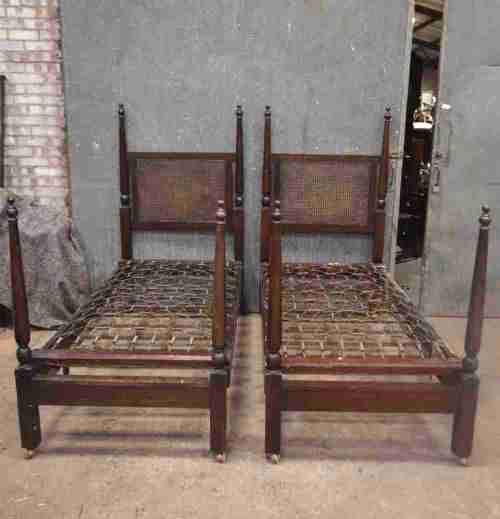
- A wooden-framed upholstered armchair or bed component featuring woven cane panels. This technique adds breathable texture to headboards and footboards.
- Four poster bed
- A bed with four vertical columns that support an upper tester or canopy frame. These architectural pieces often feature detailed hand carving.
- Bedstead
- A framework of a bed consisting of headboard, footboard, and rails designed to support a mattress and base. It distinguishes the visible wooden structure from modern concealed frames.
- Burr walnut
- A highly figured veneer harvested from the wart-like growths on walnut trees. It creates intricate, swirling grain patterns across large surfaces.
- Daybed
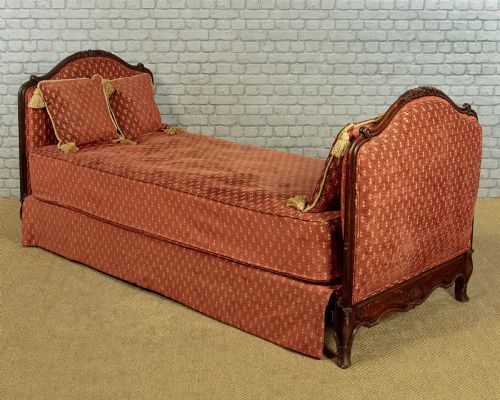
- A couch that can be used for lounging or as a bed for sleeping. Many period examples feature upholstered backs and wooden framing.
Traditional Wood Bed Frame: Frequently Asked Questions
How do I choose the right size?
Review the listed dimensions carefully against your mattress size, as historical bed frames vary from standard modern measurements. Pay close attention to whether the listing specifies single, double, king, or super king proportions.
Take into account the height of headboards and four-poster posts to ensure the frame fits comfortably within your bedroom ceiling height and doorway clearances.
Are these beds compatible with modern mattresses?
Many period bed frames require custom slatted bases or adjustments to support modern mattress depths securely. Some listings include base structures, while others provide just the outer wooden frame.
Consult the specific description to see how mattress support is handled and whether modern foundation components will integrate smoothly.
How do I care for antique wood?
Protect wooden surfaces by maintaining stable room humidity and avoiding direct sunlight, which can dry out timber and fade polished finishes. Dust regularly with a soft, dry cloth.
Apply periodic applications of appropriate wax polish to nourish the grain and preserve the lustre of mahogany, walnut, and oak.
How can I tell the period?
Examine the timber species, construction joints, and decorative carving styles to help determine the era of manufacture. Edwardian and Victorian pieces often exhibit distinct revival motifs like Georgian or Queen Anne influences.
Look for maker stamps, hardware types, and characteristic patination that develop naturally on nineteenth-century and early twentieth-century furniture.